


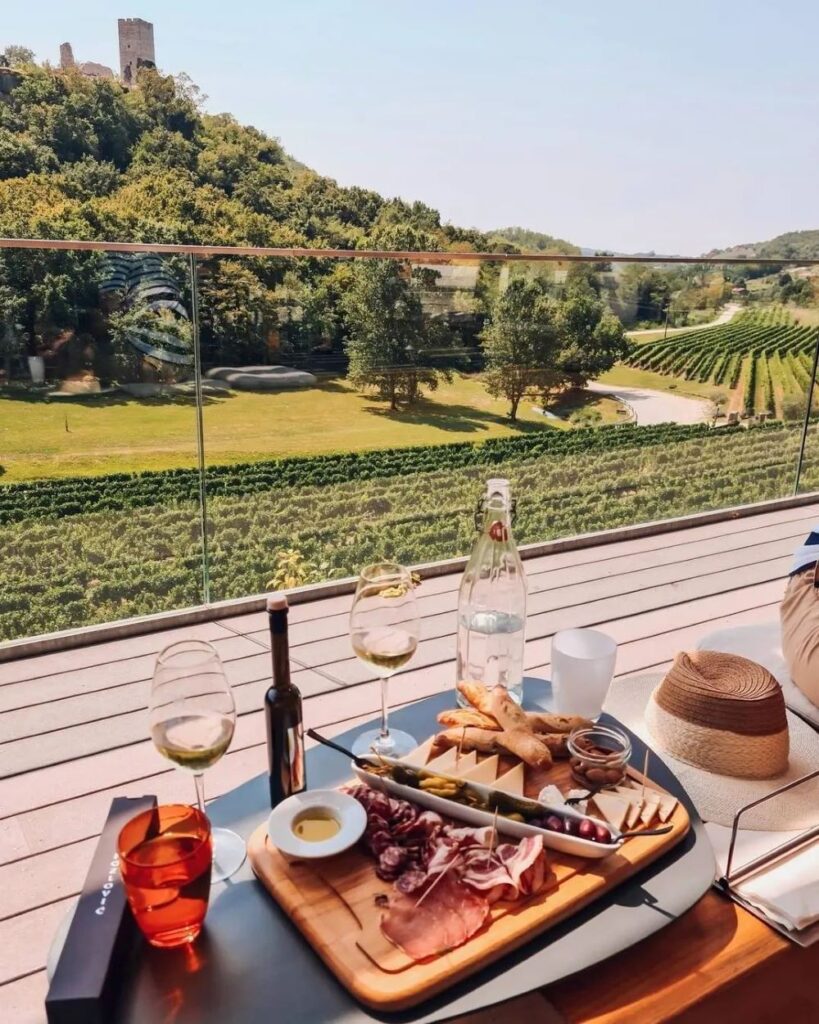
Croatia’s Liquid Gold: An Epicurean Journey Through Its Vineyards and Wine Tasting Tours
Croatia, a land of unparalleled beauty, is often celebrated for its glistening Adriatic coastline, ancient walled cities, and a thousand islands shimmering under the Mediterranean sun. While these iconic attractions rightfully draw millions of visitors, a growing number of discerning travelers are discovering another, equally captivating facet of this Balkan jewel: its vibrant, ancient, and increasingly sophisticated wine culture. Beyond the beaches and historical sites lies a landscape sculpted by millennia of viticulture, offering an epicurean journey through diverse terroirs and an array of indigenous grape varieties that promise a truly unique wine tasting experience.
This article delves into the rich tapestry of Croatian wine, guiding you through its storied history, diverse regions, and the myriad of tours available to explore its liquid gold. Prepare to uncover a world where tradition meets innovation, where every sip tells a story, and where the warmth of Croatian hospitality is as intoxicating as the wine itself.
A Heritage Steeped in Time: Croatia’s Ancient Wine Story
The history of winemaking in Croatia is as old as civilization itself, predating even the Roman Empire. Evidence suggests that grapes were cultivated here by the Illyrians, the indigenous inhabitants, as early as the Bronze Age. However, it was the ancient Greeks, establishing colonies along the Adriatic coast in the 4th century BC, who significantly advanced viticulture, bringing sophisticated techniques and new grape varietals. The Romans, subsequently, further expanded vineyards across the region, integrating wine into their daily lives and commerce.
Through centuries of changing empires – from Byzantine to Venetian, Ottoman to Austro-Hungarian – Croatian winemaking endured, often serving as a crucial economic and cultural anchor for local communities. The phylloxera epidemic of the late 19th century devastated many vineyards, but Croatian winemakers resiliently replanted, often grafting international varieties onto native rootstock, but crucially preserving many of their precious indigenous grapes.
The 20th century, particularly under communism, saw a shift towards mass production and collectivization, which unfortunately stifled quality and innovation. However, with Croatia’s independence in the early 1990s, a renaissance began. Private wineries re-emerged, focusing on quality over quantity, investing in modern technology while honoring ancient traditions. Today, Croatian wine stands on the global stage, recognized for its unique character, indigenous varieties, and the passionate dedication of its winemakers.
The Terroir and Its Treasures: Indigenous Grape Varieties
Croatia’s remarkable viticultural diversity stems from its varied geography and microclimates. The country is broadly divided into two main wine-growing zones: the continental region (Slavonia, Danube, Croatian Uplands) with its colder winters and warmer summers, and the coastal region (Istria, Dalmatia) characterized by a Mediterranean climate with hot, dry summers and mild winters. This diverse terroir, combined with a plethora of soil types – from limestone and schist to marl and volcanic ash – nurtures an astonishing array of over 130 indigenous grape varieties.
For the intrepid wine explorer, understanding these key varieties is crucial to appreciating the Croatian wine landscape:
Red Grapes:
- Plavac Mali: The undisputed king of Dalmatian reds, Plavac Mali (meaning "small blue") is a close relative of Zinfandel/Primitivo. It thrives on the steep, sun-drenched slopes of the Pelješac Peninsula, Hvar, and Brač. Wines are robust, full-bodied, often high in alcohol, with notes of dark cherry, plum, fig, spice, and a distinctive minerality, particularly from famous appellations like Dingač and Postup.
- Teran: Predominantly found in Istria, Teran produces deep ruby-red wines with vibrant acidity, earthy notes, red berries, and a characteristic peppery finish. It’s often described as rustic yet elegant, reflecting the Istrian landscape.
- Babić: A lesser-known but equally compelling red grape from northern Dalmatia (around Primošten and Šibenik), Babić yields medium-bodied wines with good acidity, dark fruit, and savory herbal notes, often expressing a unique minerality from its rocky karst vineyards.
- Frankovka (Blaufränkisch): A popular grape in the continental regions, particularly Slavonia, producing medium-bodied reds with spicy cherry fruit, good structure, and often a pleasant herbal bitterness.
White Grapes:
- Malvazija Istarska: The queen of Istrian whites, Malvazija Istarska produces aromatic, medium-bodied wines with notes of apricot, peach, acacia flower, and almond. It’s versatile, ranging from crisp and fresh to more complex, barrel-aged versions.
- Graševina: The most planted grape in Croatia, dominant in Slavonia and the Danube region. Graševina (also known as Welschriesling) is incredibly versatile, producing dry, crisp, aromatic wines with notes of green apple, citrus, and a subtle almond bitterness. It can also be found in sparkling, late harvest, and ice wine styles.
- Pošip: Hailing from the island of Korčula, Pošip is a full-bodied, aromatic white with notes of dried apricot, fig, and Mediterranean herbs, often with a hint of vanilla when aged in oak. It’s known for its good acidity and long finish.
- Grk: Another unique white grape from Korčula, specifically the sandy soils of Lumbarda. Grk is distinctively aromatic with notes of citrus, pine resin, and herbs, often with a slightly saline finish. It’s a rare and prized variety, requiring specific conditions to thrive.
- Debit: A refreshing white grape primarily from northern Dalmatia, offering crisp acidity, citrus notes, and a pleasant minerality, perfect as a summer aperitif.
- Žlahtina: Exclusive to the island of Krk, Žlahtina produces light, fresh, and slightly salty white wines, ideal for pairing with seafood.
Major Wine Regions to Explore
Croatia’s wine regions offer distinct experiences, each with its unique character, wines, and gastronomic delights.
1. Istria: The Tuscan Charm of Croatia
Often dubbed "the Croatian Tuscany," Istria is a heart-shaped peninsula in the north, renowned for its rolling hills, medieval hilltop towns, olive groves, and truffle forests. Its Mediterranean climate and red, iron-rich soil (terra rossa) are ideal for viticulture.
- Key Grapes: Malvazija Istarska (white) and Teran (red).
- Wine Tasting Experience: Istria boasts numerous family-run wineries (vinarije) that welcome visitors. Many offer comprehensive tours of their vineyards and cellars, followed by guided tastings, often paired with local olive oil, Istrian prosciutto (pršut), and artisan cheeses. Towns like Motovun, Grožnjan, and Rovinj serve as excellent bases for exploring nearby wineries.
- Notable Wineries: Kozlović, Kabola, Matošević, Coronica, Benvenuti.
- Beyond Wine: Combine your wine tour with truffle hunting, olive oil tasting, and exploring the Roman amphitheater in Pula.
2. Dalmatia: Sun-Kissed Vineyards and Island Hopping
Dalmatia stretches along the southern coast, encompassing iconic cities like Split and Dubrovnik, and numerous islands. This region is a paradise for red wine lovers, particularly those seeking robust Plavac Mali.
- Key Grapes: Plavac Mali (red), Pošip, Grk, Debit, Maraština (whites).
- Wine Tasting Experience:
- Pelješac Peninsula: A narrow, mountainous peninsula north of Dubrovnik, Pelješac is the heartland of Plavac Mali. The steep slopes of Dingač and Postup are legendary, producing some of Croatia’s most powerful reds. Wineries here often have dramatic views of the Adriatic.
- Notable Wineries: Miloš, Korta Katarina, Saints Hills, Matuško.
- Korčula Island: Known for its ancient traditions and unique white wines. Lumbarda is famous for Grk, while the interior produces excellent Pošip.
- Notable Wineries: Krajančić, Bire, Cebalo.
- Hvar Island: This glamorous island offers not only stunning beaches but also a rich wine heritage. Plavac Mali thrives on its southern slopes, and various indigenous whites are also cultivated.
- Notable Wineries: Tomić, Zlatan Otok, Duboković.
- Vis Island: A remote island known for its unique Vugava white grape.
- Wine Tasting Tours: Many tours involve island hopping by ferry or private boat, combining swimming, sightseeing, and cellar visits. Food pairings often include fresh seafood, local olive oil, and various Mediterranean dishes.
- Pelješac Peninsula: A narrow, mountainous peninsula north of Dubrovnik, Pelješac is the heartland of Plavac Mali. The steep slopes of Dingač and Postup are legendary, producing some of Croatia’s most powerful reds. Wineries here often have dramatic views of the Adriatic.
3. Slavonia & Danube: The Continental Charm
Moving inland, the vast plains of Slavonia and the Danube region present a different viticultural landscape. This area is Croatia’s breadbasket and the stronghold of white wines, especially Graševina.
- Key Grapes: Graševina, Frankovka (Blaufränkisch), Pinot Gris, Riesling.
- Wine Tasting Experience: Slavonia offers a more rural, authentic experience. Wineries here often feature grand cellars, some dating back centuries, and a focus on oak aging. The food pairings tend to be heartier, featuring local cured meats, freshwater fish, and traditional stews.
- Notable Wineries: Kutjevo (one of Croatia’s oldest wineries), Krauthaker, Iločki Podrumi.
- Beyond Wine: Explore Kopački Rit Nature Park, historic Osijek, and experience the rich folklore and gastronomy of continental Croatia.
4. Croatian Uplands (Plešivica): Sparkling and Aromatic Wines
Located west of Zagreb, the hilly region of Plešivica is often compared to Burgundy or Champagne due to its cooler climate and focus on Pinot Noir, Riesling, and sparkling wines made using the traditional method.
- Key Grapes: Graševina, Riesling, Chardonnay, Pinot Noir, Sauvignon Blanc.
- Wine Tasting Experience: This region is easily accessible from Zagreb, making it perfect for a day trip. Wineries here are often smaller, boutique operations, focusing on high-quality, elegant wines. Many specialize in exquisite sparkling wines.
- Notable Wineries: Korak, Tomac, Šember.
Planning Your Croatian Wine Adventure
Types of Tours:
- Self-Guided: Rent a car and explore at your own pace. This offers maximum flexibility but requires pre-booking tastings, especially at smaller wineries. Use apps or websites to find wineries.
- Private Tours: For a more luxurious and personalized experience, hire a private driver/guide. They can tailor itineraries, handle bookings, and provide invaluable local insights.
- Group Tours: Many tour operators offer small group tours, often including transportation, multiple winery visits, and food pairings. This is a great option for solo travelers or those who prefer a structured itinerary.
- Multi-Day Wine & Food Tours: Several specialized companies offer immersive tours that combine wine tasting with cooking classes, truffle hunting, olive oil tastings, and cultural excursions.
Transportation:
- Car: Essential for self-guided tours, especially in Istria and Slavonia. Be mindful of drinking and driving laws.
- Ferries: Crucial for island hopping in Dalmatia.
- Organized Transport: Private drivers, taxis, or tour buses are ideal if you plan to indulge.
Accommodation:
- Agrotourism Farms: Many wineries offer charming accommodation on their estates, providing an authentic rural experience.
- Boutique Hotels & Villas: Available in larger towns and popular tourist areas.
- Traditional Konobas: Some traditional taverns (konobas) offer simple, rustic rooms.
Best Time to Visit:
- Spring (April-June): Pleasant weather, fewer crowds, vineyards in bloom.
- Early Autumn (September-October): Harvest season offers a vibrant atmosphere, often with grape stomping festivals and fresh must tastings. The weather is still warm and pleasant.
- Summer (July-August): Can be very hot and crowded, but wine tours offer a cool escape from the beach.
What to Expect from a Wine Tasting
A typical wine tasting experience in Croatia is far more than just sampling wine. It’s an immersion into the local culture and the winemaker’s passion.
- Cellar & Vineyard Tours: Many wineries offer guided walks through their vineyards, explaining the terroir and grape cultivation, followed by a tour of their production facilities and ancient cellars.
- Guided Tastings: A sommelier or winemaker will typically guide you through a selection of 3-5 (or more) wines, explaining their characteristics, production methods, and ideal food pairings.
- Food Pairings: Expect delicious local delicacies to accompany your wine – often homemade bread, local olive oil, prosciutto, various cheeses, and sometimes even a full meal.
- Warm Hospitality: Croatian winemakers are incredibly proud of their heritage and genuinely enjoy sharing their passion. Expect friendly conversations and a welcoming atmosphere.
Tips for a Memorable Experience
- Book Ahead: Especially for smaller, family-run wineries or during peak season, always call or email in advance to secure your tasting appointment.
- Pace Yourself: Croatian hospitality often means generous pours. Drink responsibly and hydrate with water.
- Ask Questions: Don’t be shy! Winemakers love to discuss their craft and answer queries.
- Buy Direct: Purchasing wine directly from the winery often supports local businesses and allows you to take home unique bottles not available elsewhere.
- Be Open-Minded: Step out of your comfort zone and try indigenous varieties you’ve never heard of. That’s where the real magic lies!
- Combine with Culture: Integrate your wine tour with historical site visits, culinary experiences, and scenic drives to fully appreciate Croatia’s multifaceted charm.
Conclusion
Croatia’s wine tasting tours offer an extraordinary journey for the senses, weaving together ancient history, diverse landscapes, and a vibrant culture of winemaking. From the sun-drenched, robust reds of Dalmatia to the crisp, aromatic whites of Istria and the elegant sparklings of the Uplands, each region tells a unique story in every glass. This emerging wine destination promises not just excellent wines but also unforgettable experiences, steeped in genuine hospitality and the breathtaking beauty of the Adriatic. So, raise a glass of Plavac Mali or Malvazija, and discover the liquid gold that truly defines the spirit of Croatia. Živjeli! (Cheers!)
