


Poland’s Coastal Charms: Unveiling the Best Baltic Beach Destinations
When one thinks of Poland, images of medieval cities like Krakow, the vibrant history of Warsaw, or the majestic Tatra Mountains often come to mind. Yet, beyond its iconic urban landscapes and dramatic highlands, Poland harbors a stunning secret: a captivating Baltic Sea coastline offering pristine sands, historic charm, and a wealth of activities that rival Europe’s more renowned beach destinations. Stretching for over 770 kilometers, Poland’s Baltic coast is a tapestry of wide, sandy beaches, dramatic dunes, charming fishing villages, bustling resort towns, and a rich cultural heritage waiting to be explored.
Often overlooked in favor of the Mediterranean or Atlantic shores, the Polish Baltic Sea provides a unique and refreshing alternative. Here, the air is clean, the water is cool and inviting in summer, and the atmosphere is often more laid-back and authentic. From the vibrant energy of the Tricity area to the serene natural beauty of the Hel Peninsula and the therapeutic tranquility of spa towns, Poland’s coastline promises an unforgettable escape for every type of traveler.
The Tricity: A Blend of History, Glamour, and Modernity
At the heart of Poland’s Baltic appeal lies the Tricity (Trójmiasto), an urban agglomeration comprising the historic city of Gdańsk, the elegant spa town of Sopot, and the modern port city of Gdynia. These three cities, though distinct in character, are seamlessly connected by public transport, making them an ideal base for exploring the coast.
Gdańsk is a city steeped in history, a former Hanseatic League trading port renowned for its stunning architecture, particularly along the Royal Way. While not primarily a beach destination itself, Gdańsk offers several easily accessible and beautiful beaches. Jelitkowo Beach and Stogi Beach are popular choices, boasting wide sandy expanses perfect for sunbathing, swimming, and beach volleyball. Jelitkowo, with its scenic promenade, bike paths, and numerous cafes, offers a more resort-like feel, while Stogi provides a slightly more natural and expansive experience, often favored by locals. After a day at the beach, visitors can delve into Gdańsk’s rich past, exploring the magnificent Neptune Fountain, the Artus Court, and the poignant Solidarity Centre.
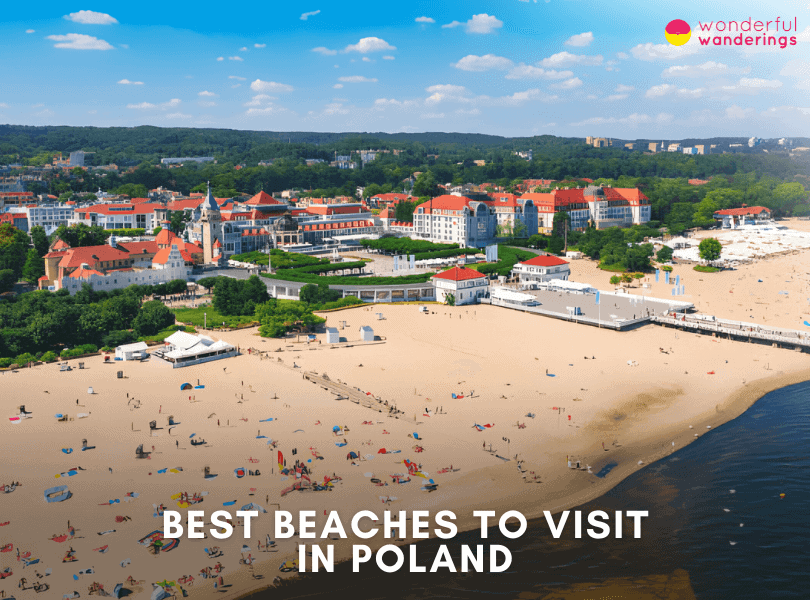
Just a short train ride from Gdańsk, Sopot is the epitome of Baltic elegance and leisure. Famous for its iconic pier, the longest wooden pier in Europe stretching over half a kilometer into the sea, Sopot exudes a Belle Époque charm. Its wide, sandy beach is a major draw, attracting both Polish and international visitors seeking relaxation and entertainment. The beach here is impeccably maintained, offering facilities for sunbathing, swimming, and various water sports. The vibrant "Monciak" (Bohaterów Monte Cassino Street) leading to the pier is lined with bustling restaurants, cafes, and boutiques, creating a lively atmosphere day and night. Sopot is also known for its therapeutic waters and spa facilities, making it an excellent choice for those seeking wellness alongside beach fun.
Completing the Tricity trio, Gdynia presents a stark contrast to its historical neighbors. A relatively young city, Gdynia was built in the 1920s as Poland’s modern maritime gateway. Its urban beach, Gdynia City Beach, is conveniently located right in the city center, offering easy access to the waterfront promenade, cafes, and the famous Kościuszko Square with its historic ships. Gdynia’s beaches are clean and well-equipped, perfect for families and those who appreciate a more urban beach experience. The city’s modern architecture, maritime museum, and excellent seafood restaurants add to its unique appeal.
The Hel Peninsula: A Ribbon of Sand and a Mecca for Water Sports
Stretching like a slender finger into the Baltic Sea, the Hel Peninsula is an ecological marvel and one of Poland’s most distinctive coastal features. This 35-kilometer-long sand spit, just a few hundred meters wide at its narrowest points, offers a unique double coastline: one side facing the open Baltic Sea with its waves and cooler temperatures, and the other facing the calmer waters of Puck Bay, ideal for watersports.
The peninsula is dotted with charming towns, each with its own character. Władysławowo, located at the base of the peninsula, is a bustling resort town and a popular gateway. Its wide, sandy beaches on the Baltic side are perfect for traditional beach activities, while the bay side is a hub for kitesurfing and windsurfing schools.
Further along, Jastarnia and Jurata are more upscale and tranquil. Jastarnia, a traditional fishing village, offers beautiful beaches on both sides of the peninsula, excellent seafood, and a relaxed atmosphere. Jurata, on the other hand, is known for its luxurious resorts and elegant promenade, attracting a more discerning crowd, including Polish celebrities.
At the very tip of the peninsula lies the town of Hel itself. This historic port boasts a charming lighthouse, a seal sanctuary (Fokarium), and remnants of its military past, including coastal artillery batteries. The beaches here are stunning, particularly at the very end of the spit, offering breathtaking views where the bay meets the open sea.
The Hel Peninsula is a paradise for water sports enthusiasts. The shallow, warm waters of Puck Bay are perfect for learning and practicing windsurfing and kitesurfing, with numerous schools offering lessons and equipment rental. Cyclists will also revel in the scenic bike path that runs the entire length of the peninsula, offering continuous stunning views of the sea and the bay.
Central Coast: Nature’s Spectacles and Lively Resorts
Moving westward along the coast, Poland’s central Baltic region offers a diverse range of beach experiences, from dramatic natural landscapes to vibrant resort towns.
Łeba stands out as a unique destination, primarily due to its proximity to the Słowiński National Park. This UNESCO Biosphere Reserve is home to the famous "moving dunes" (Ruchome Wydmy), a truly unforgettable spectacle where towering sand dunes, some reaching over 40 meters high, shift and transform with the wind, engulfing forests in their path. The walk through the park to reach the dunes is an adventure in itself, often likened to a desert landscape. Łeba’s own beaches are wide, clean, and sandy, perfect for families, and the town itself offers a lively atmosphere with plenty of accommodation, restaurants, and attractions like a dinosaur park and an amusement park.
Further west, Kołobrzeg is one of Poland’s most renowned spa and health resorts. Its wide, clean beaches are complemented by a beautiful pier, a historic lighthouse, and extensive parks. Kołobrzeg has a long tradition of therapeutic treatments, leveraging the area’s mineral springs and peat bogs. The city offers a perfect blend of relaxation on its pristine sands, therapeutic wellness, and cultural exploration with its charming old town and cathedral. It’s an ideal destination for those seeking a rejuvenating beach holiday.
For a more energetic and vibrant experience, Mielno is a popular choice, particularly among younger crowds. Situated on a sandbar between the Baltic Sea and Lake Jamno, Mielno offers the best of both worlds: lively beach life on the Baltic side and opportunities for fishing and sailing on the lake. The town is known for its pulsating nightlife, numerous bars, and lively events during the summer season, making it a hotspot for those looking to party by the sea.
Western Pomerania: Wide Sands and Border Charm
As you venture into Western Pomerania, closer to the German border, the beaches maintain their exceptional quality, often becoming even wider and less crowded.
Świnoujście is perhaps the most prominent destination in this region. Located on the islands of Usedom and Wolin, it boasts one of the widest and most beautiful beaches in Poland, consistently winning awards for its cleanliness and facilities. The beach stretches for miles, offering ample space for sunbathing, beach games, and long walks. Świnoujście is also a significant port and spa town, featuring a historic lighthouse (the tallest on the Baltic Sea), several 19th-century fortresses, and a charming promenade connecting it to the German side of Usedom. Its unique island setting, accessible by ferry, adds to its appeal.
Other charming towns in Western Pomerania include Międzyzdroje, famous for its "Walk of Fame" (Aleja Gwiazd) with handprints of Polish celebrities and a beautiful pier, and Rewal, a smaller, picturesque resort with a stunning cliff coastline. These towns offer a more tranquil escape while still providing excellent beach infrastructure and amenities.
Beyond the Sand: What Else to Expect
A trip to Poland’s Baltic coast is not just about the beaches; it’s an immersive cultural and culinary experience.
Culinary Delights: Freshly caught fish is a staple, with numerous seaside restaurants serving delicious fried cod, herring, and salmon. Regional specialties like smoked fish, fish soup, and traditional Polish dishes are readily available. Don’t forget to try the local waffles and ice cream, perfect for a beach day treat.
Amber Gold: The Baltic Sea is renowned for its amber, often referred to as "Baltic Gold." You’ll find numerous shops selling beautiful amber jewelry and souvenirs, particularly in Gdańsk and along the coast. You might even find small pieces of amber washed ashore after a storm.
Active Pursuits: Beyond water sports, the coast is crisscrossed with excellent cycling paths, particularly along the Hel Peninsula and in national parks. Hiking, horseback riding, and even exploring the numerous lighthouses that dot the coastline are popular activities.
Accommodation: From luxurious spa hotels and boutique guesthouses to family-friendly apartments and campsites, the Polish coast offers a wide range of accommodation options to suit every budget and preference.
Best Time to Visit: The peak season is July and August when temperatures are warmest and the sea is most inviting. However, June and September offer pleasant weather, fewer crowds, and often lower prices, making them excellent choices for those seeking a more peaceful experience.
Conclusion
Poland’s Baltic Sea coast is a destination that truly surprises and delights. It offers a compelling alternative to more crowded European beaches, combining natural beauty with rich history, vibrant culture, and a relaxed, welcoming atmosphere. Whether you’re seeking the lively buzz of a resort town, the serene beauty of a national park, the thrill of water sports, or a journey through fascinating history, Poland’s diverse coastline has something for everyone. So, pack your bags, embrace the clean Baltic air, and prepare to uncover one of Europe’s most underrated and enchanting beach destinations. The golden sands and welcoming shores of Poland await your discovery.