

Beyond the Glaciers: Unearthing Iceland’s Rich Cultural Heritage Sites
Iceland, the land of fire and ice, is globally renowned for its breathtaking natural wonders: the ethereal Northern Lights, the dramatic glaciers, the cascading waterfalls, and the bubbling geothermal springs. Millions flock to witness its raw, untamed beauty, often overlooking the equally compelling narrative woven into its landscapes – a rich tapestry of cultural heritage. Far from being a mere backdrop to its geological marvels, Iceland’s history is vibrant, resilient, and deeply intertwined with its environment, offering a profound journey through the sagas, the struggles, and the enduring spirit of its people.
Exploring Iceland’s cultural heritage sites is to step back in time, to walk in the footsteps of Vikings, saga heroes, and resourceful farmers. It’s an opportunity to understand how a nation carved out a unique identity in one of the world’s most challenging environments, developing a language, literature, and way of life that continues to thrive. This article invites you to look beyond the geysers and delve into the human story of Iceland, uncovering the cultural treasures that paint a comprehensive picture of this extraordinary island nation.
1. Thingvellir National Park: The Cradle of Icelandic Democracy and a UNESCO Gem
No exploration of Icelandic heritage is complete without a visit to Thingvellir National Park (Þingvellir). A UNESCO World Heritage site, Thingvellir is not only a geological marvel where the North American and Eurasian tectonic plates dramatically pull apart, but also the birthplace of the Althing – the world’s first democratic parliament, established in 930 AD. For nearly 900 years, chieftains and common folk gathered here annually to make laws, settle disputes, and discuss matters of national importance.
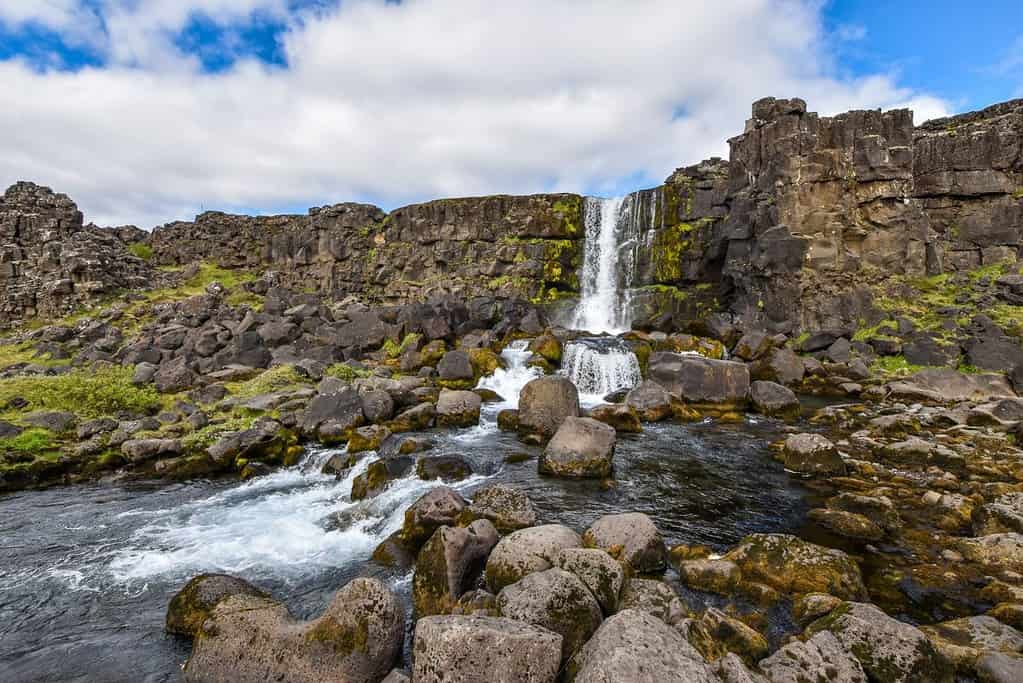
Walking through the Almannagjá gorge, one can almost hear the echoes of ancient debates. The Lögberg (Law Rock), though its exact location is debated, served as the central podium from which laws were proclaimed. Thingvellir is a powerful symbol of Iceland’s enduring commitment to justice and governance. Its significance extends to the sagas, many of which recount events that took place or were decided at the Althing. The site also bore witness to pivotal moments, such as Iceland’s conversion to Christianity in the year 1000 AD. The park’s Visitor Centre provides excellent historical context, and the surrounding landscape – from the Öxarárfoss waterfall to the crystal-clear waters of Silfra fissure – adds to its profound spiritual and historical atmosphere.
2. The Settlement Exhibition, Reykjavík: Unearthing the Viking Past
In the heart of modern Reykjavík lies The Settlement Exhibition, a fascinating testament to Iceland’s Viking roots. Built around the actual ruins of the oldest known human-made structure in Reykjavík, dating back to 871 AD (plus or minus two years, as the exhibit states), this museum offers a captivating glimpse into the lives of Iceland’s first settlers.
The star attraction is the remarkably preserved longhouse wall, discovered during an excavation in 2001. Using cutting-edge multimedia and interactive displays, the exhibition reconstructs the daily life of these early Norsemen and women. Visitors can explore virtual reconstructions of the longhouse, learn about the tools and crafts of the era, and understand the challenges and triumphs of establishing a new society in an uncharted land. It’s a vivid and immersive experience that brings the sagas to life, showcasing the ingenuity and resilience of the original Icelanders.
3. Glaumbær Turf Farm Museum, North Iceland: A Glimpse into Rural Life
Venturing into North Iceland, near the town of Varmahlíð, lies Glaumbær Turf Farm Museum, one of the best-preserved examples of traditional Icelandic turf architecture. For centuries, turf houses (torfbæir) were the quintessential Icelandic dwelling, providing insulation against the harsh climate using readily available materials: stone foundations, timber frames, and thick layers of turf and grass.
Glaumbær offers an authentic journey into the past, showcasing a complex of turf buildings that evolved over centuries. Visitors can explore the living quarters, kitchen, storage rooms, and workshops, each furnished with period artifacts that paint a picture of rural life from the 18th and 19th centuries. The low doorways, dark interiors, and ingenious design reveal the practicalities of survival in a pre-industrial Iceland. It’s a poignant reminder of the resourcefulness and hardiness of the Icelandic people, and how their architecture adapted intimately to the environment.
4. Snorrastofa, Reykholt: The Legacy of Snorri Sturluson
In the tranquil valley of Reykholt, West Iceland, stands Snorrastofa, a cultural and medieval research center dedicated to the legacy of Snorri Sturluson (1179-1241). Snorri was arguably Iceland’s most significant historical figure – a chieftain, poet, historian, and lawmaker whose writings are indispensable for understanding Norse mythology and early Scandinavian history.
His works, particularly the "Prose Edda" and "Heimskringla," are cornerstones of Icelandic and Nordic literary heritage. Snorrastofa features an exhibition about Snorri’s life and times, including a display of his writing. Visitors can also see a geothermal bath (Snorralaug) believed to have been used by Snorri himself, connected to his home by an underground tunnel. The adjacent Reykholt church, with its long history, further enhances the site’s historical significance. A visit here offers deep insights into the intellectual and political landscape of medieval Iceland.
5. Skógar Museum, South Iceland: A Comprehensive Cultural Journey
Located near the majestic Skógafoss waterfall, the Skógar Museum (Byggðasafnið í Skógum) is a treasure trove of Icelandic cultural heritage, often hailed as one of the best regional museums in the country. It comprises three distinct museums and an open-air collection of historical buildings.
The Folk Museum showcases thousands of artifacts ranging from fishing boats and agricultural tools to traditional costumes and household items, illustrating the evolution of Icelandic daily life over centuries. The Open Air Museum features a collection of relocated turf houses and other historical buildings, including a church, offering a tangible sense of past communities. The Technical Museum highlights the development of transportation and communication in Iceland, with fascinating exhibits on cars, boats, and telegraphy. Skógar Museum provides an incredibly comprehensive and engaging overview of Icelandic history, showcasing the resilience and ingenuity of its people in adapting to their environment.
6. Eiríksstaðir, West Iceland: Erik the Red’s Homestead
Nestled in Haukadalur valley in West Iceland, Eiríksstaðir is the reconstructed turf house believed to be the homestead of Erik the Red, the Viking explorer who founded the first Norse settlement in Greenland. It is also the birthplace of his son, Leif Erikson, who is credited with being the first European to set foot in North America (Vinland) around 1000 AD.
While the original site is an archaeological ruin, a beautifully reconstructed turf longhouse stands nearby, built using traditional methods. Friendly guides in period costumes often welcome visitors, sharing tales of Erik, Leif, and Viking life. It’s a powerful experience to stand in a place so closely associated with two of history’s most renowned explorers, imagining the daring voyages that originated from these very shores. Eiríksstaðir offers a direct link to the Age of Exploration and the pioneering spirit of the Norse.
7. Hofskirkja, Southeast Iceland: The Last Turf Church
Hofskirkja, located in the Öræfi region of Southeast Iceland, is not only one of the few remaining turf churches in the country but also the last one to be built in the traditional style, consecrated in 1884. Its distinctive design, with a stone front and a turf roof that blends seamlessly into the surrounding landscape, makes it incredibly picturesque and historically significant.
Still an active parish church, Hofskirkja offers a rare opportunity to step inside a turf structure that has continuously served its community for over a century. The interior, though small, is charming and well-preserved, reflecting the simple yet devout faith of rural Icelanders. It stands as a beautiful testament to a unique architectural tradition that was perfectly adapted to the Icelandic environment.
8. Reykjavík’s Cultural Tapestry: From Hallgrímskirkja to Harpa
While specific heritage sites dot the countryside, Reykjavík itself is a vibrant hub of Icelandic culture, blending historical roots with modern innovation.
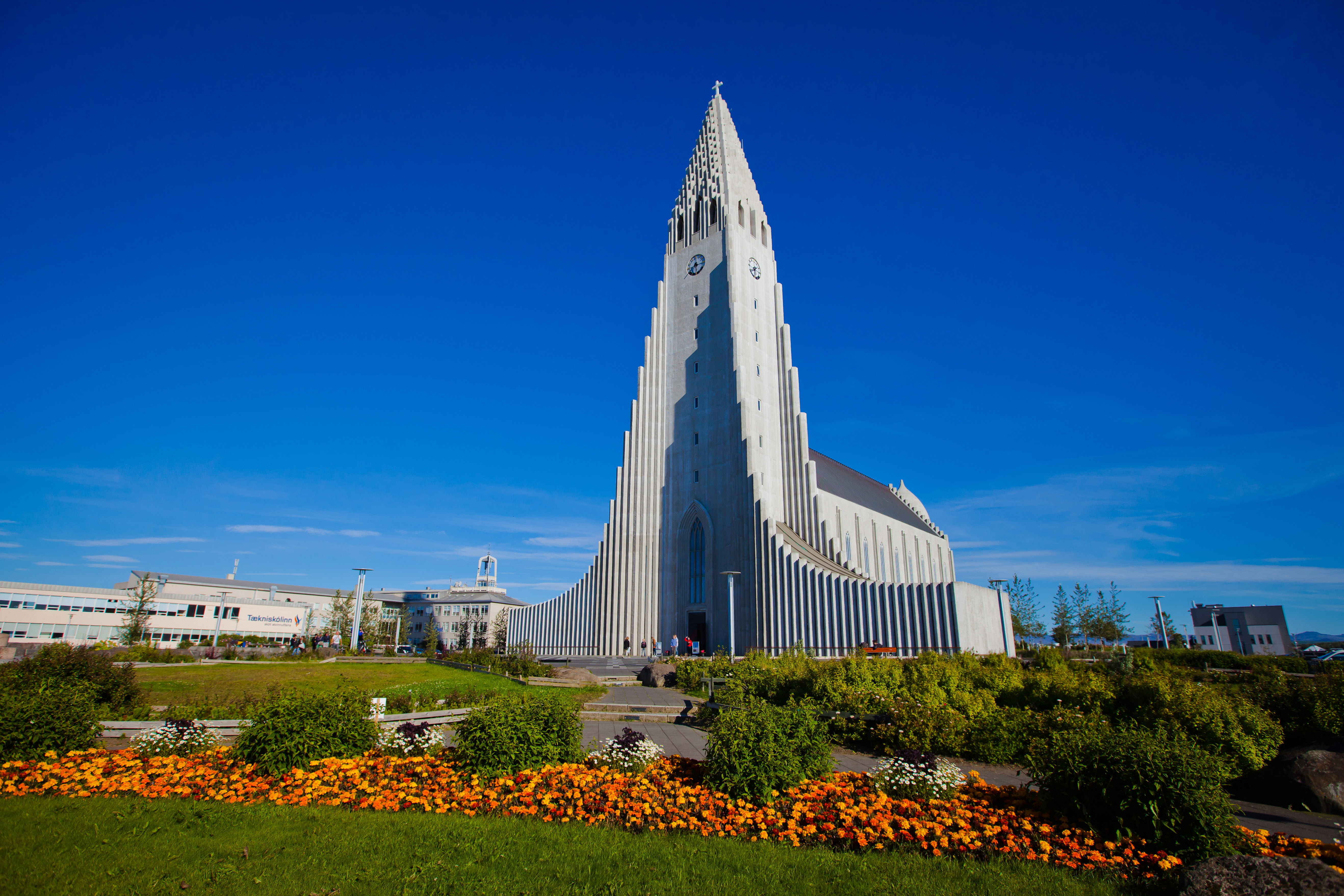
- Hallgrímskirkja: This iconic church, with its dramatic basalt column-inspired architecture, dominates Reykjavík’s skyline. While a modern construction (completed in 1986), its design draws deeply from Iceland’s natural landscape, and it houses a magnificent pipe organ. It serves as a symbol of national identity and a key cultural landmark.
- Harpa Concert Hall and Conference Centre: A stunning piece of contemporary architecture, Harpa is a testament to Iceland’s thriving arts scene. Its glass facade, inspired by the basalt landscapes and the Northern Lights, reflects the city and the sea. It’s a cultural beacon, hosting concerts, festivals, and conferences, and symbolizing Iceland’s forward-looking creative spirit.
- The National Museum of Iceland: Located in Reykjavík, this comprehensive museum provides an in-depth journey through Icelandic history from the Settlement to the present day. Its vast collection includes artifacts from the Viking Age, medieval manuscripts, traditional tools, and insights into the social and political development of the nation. It’s an essential visit for anyone seeking a deeper understanding of Iceland’s cultural trajectory.
- Street Art and Galleries: Beyond the formal institutions, Reykjavík’s vibrant street art scene and numerous independent galleries showcase contemporary Icelandic artistic expression, often drawing themes from folklore, nature, and the nation’s unique identity.
9. Ósvör Maritime Museum, Westfjords: A Fisherman’s Life
For a taste of Iceland’s vital maritime heritage, a visit to Ósvör Maritime Museum near Bolungarvík in the remote Westfjords is essential. This open-air museum is a meticulously reconstructed 19th-century fishing outpost, showcasing the harsh realities and ingenious methods of traditional Icelandic fishing.
Visitors can explore a fisherman’s hut, a fish drying hut, and a salt house, all authentically furnished. Guides, often dressed in traditional oilskin garments, share stories of the struggles and triumphs of fishermen who braved the treacherous North Atlantic. The museum offers a powerful insight into the industry that sustained Iceland for centuries and shaped its character, highlighting the courage and resilience required to live off the sea.
Conclusion: A Journey of Discovery
Iceland’s cultural heritage sites offer far more than just historical facts; they provide a profound connection to the heart and soul of the nation. From the ancient assembly grounds of Thingvellir to the humble turf houses and the vibrant cultural institutions of Reykjavík, each site tells a story of adaptation, innovation, and unwavering spirit.
To explore these cultural treasures is to gain a deeper appreciation for how the Icelandic people have not only survived but thrived in their unique environment, forging a distinct identity rooted in their sagas, their landscape, and their collective memory. So, as you plan your next Icelandic adventure, remember to look beyond the glaciers and geysers. Take the time to unearth the rich human history that makes this island truly exceptional – a journey into its cultural heritage is as breathtaking and rewarding as its natural wonders.