

A Culinary Journey Through Switzerland: Exploring Traditional Food Experiences
Switzerland, a nation synonymous with breathtaking alpine landscapes, precision watches, and discreet banking, holds a lesser-known but equally captivating secret: a rich, diverse, and deeply satisfying culinary heritage. Beyond the clichés, Swiss food offers an authentic taste of its history, geography, and multicultural identity. It’s a cuisine born from necessity in mountain chalets and refined in elegant city restaurants, a tapestry woven from Germanic heartiness, French sophistication, and Italian zest, all underpinned by an unwavering commitment to quality and local produce.
Exploring traditional food experiences in Switzerland is not just about eating; it’s about understanding the soul of the country. It’s about gathering around a bubbling caquelon of fondue, savoring the smoky aroma of melting Raclette, biting into a perfectly golden Rösti, or indulging in the velvety smoothness of world-renowned chocolate. This article invites you on an epicurean adventure, delving deep into the traditional dishes, regional specialties, and immersive experiences that make Swiss gastronomy truly unforgettable.
The Cornerstone: Cheese – A National Obsession
No exploration of Swiss food can begin without a profound bow to its most iconic product: cheese. The Swiss have been crafting cheese for centuries, perfecting techniques that yield an astonishing variety of flavors and textures.
1. Fondue: The Ultimate Communal Experience
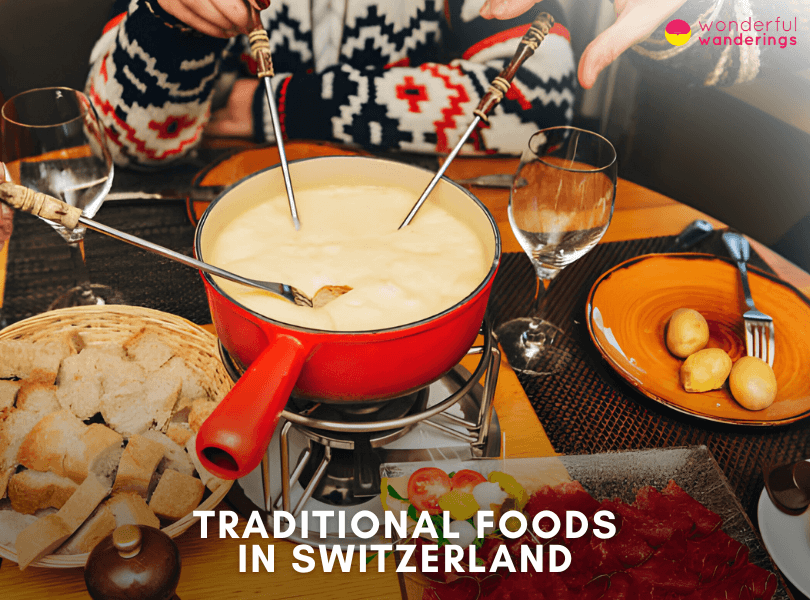
Perhaps the most famous Swiss dish, fondue is more than just melted cheese; it’s a social ritual. Typically a blend of Gruyère and Emmental (though regional variations abound, like the moitié-moitié of Fribourg, a mix of Gruyère and Vacherin Fribourgeois), melted with white wine, a touch of kirsch, and garlic, served in a ceramic pot called a caquelon over a small burner. Diners use long forks to dip cubes of crusty bread, boiled potatoes, or even small pickles into the bubbling mixture. The warmth, the shared pot, and the convivial atmosphere make fondue an essential experience, particularly on a cold winter’s evening. Etiquette dictates that losing your bread in the pot might earn you a playful forfeit!
2. Raclette: The Melty, Scraped Delight
Raclette offers a more interactive and rustic cheese experience. Originating from the Valais region, the name comes from the French word racler, meaning "to scrape." Traditionally, a half-wheel of Raclette cheese is heated by a wood fire or a special electric grill until the surface softens and bubbles. The melted cheese is then scraped directly onto plates, usually accompanied by small boiled potatoes, pickled gherkins, pearl onions, and cured meats. Modern Raclette grills allow individual portions to be melted at the table, making it a popular choice for gatherings. The smoky, nutty flavor of the melted cheese is utterly irresistible.
3. Beyond Fondue and Raclette: A World of Swiss Cheeses
Switzerland boasts hundreds of distinct cheeses, each with its own story and character.
- Gruyère: A hard, salty, and nutty cheese, aged for months, forming the backbone of many Swiss dishes.
- Emmental: Famous for its distinctive large holes (eyes) and mild, buttery flavor.
- Appenzeller: A spicy, aromatic cheese from Eastern Switzerland, whose exact recipe remains a closely guarded secret, washed with an herbal brine during aging.
- Sbrinz: A hard, extra-dry cheese from Central Switzerland, often grated like Parmesan or broken into small pieces for snacking.
- Tête de Moine: Meaning "monk’s head," this semi-hard cheese is traditionally shaved into delicate rosettes using a girolle, releasing its intense, fruity aroma.
- Vacherin Mont d’Or: A soft, seasonal cheese, often baked in its wooden box and spooned out like a fondue.
Exploring local cheese markets or visiting a fromagerie (cheese dairy) offers a fascinating insight into the craft and dedication behind these dairy masterpieces.
Hearty Mains and Comfort Food: Sustenance for the Alps
Swiss cuisine is undeniably hearty, a reflection of its mountainous terrain and the need for sustaining meals.
1. Rösti: The Golden Potato Pancake
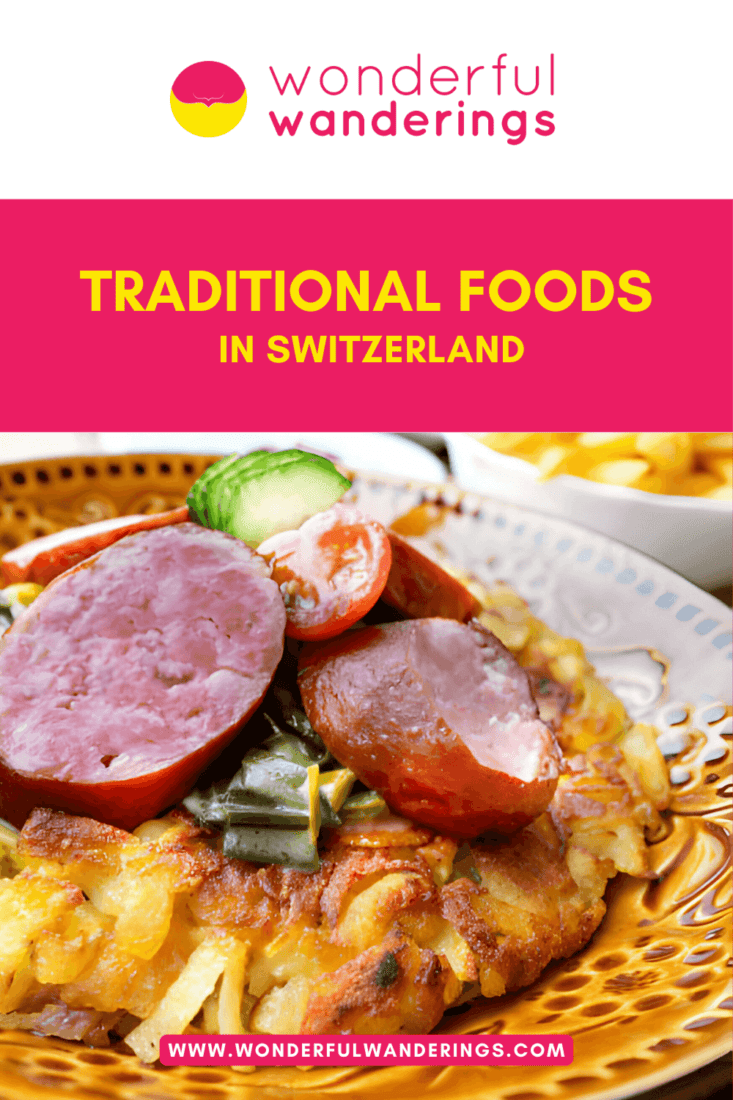
Rösti is the quintessential Swiss potato dish, often considered the national dish of German-speaking Switzerland. Grated raw or par-boiled potatoes are pan-fried in butter or oil until they form a golden-brown, crispy pancake. Simple yet profoundly satisfying, Rösti can be a side dish or a main course, often topped with fried eggs, bacon, cheese, or even smoked salmon. Its versatility makes it a beloved staple across the country.
2. Zürcher Geschnetzeltes: Zurich-Style Sliced Veal
From the bustling city of Zurich comes this elegant yet comforting dish. Thinly sliced veal is quickly sautéed with mushrooms, onions, and white wine, then finished with a rich cream sauce. Traditionally served with Rösti, Zürcher Geschnetzeltes perfectly exemplifies the refined side of Swiss-German cuisine.
3. Älplermagronen: Alpine Macaroni
Often described as the Swiss equivalent of "mac and cheese," Älplermagronen is a rustic, wholesome dish enjoyed by farmers and hikers in the Alps. It combines macaroni pasta with potatoes, cream, cheese (often Gruyère or Appenzeller), and caramelized onions. It’s frequently served with applesauce on the side, a surprising but delightful pairing that cuts through the richness.
4. Sausages and Cured Meats
Switzerland boasts an impressive array of sausages and cured meats.
- Bratwurst: The famous St. Gallen Bratwurst, made from veal, is a must-try, often served grilled with a crispy roll and mustard (though purists prefer it without).
- Cervelat: Known as the "national sausage," this smoked, cooked sausage is often grilled or boiled and served with bread.
- Bündnerfleisch: From the canton of Graubünden, this air-dried beef is thinly sliced and enjoyed as an appetizer or part of a platter of cured meats. Its intense, savory flavor is a result of a meticulous curing process.
Sweet Indulgences: The World of Swiss Chocolate and Desserts
Switzerland’s reputation for chocolate is legendary, but its dessert scene extends far beyond the cocoa bean.
1. Swiss Chocolate: A Global Icon
Swiss chocolate is renowned for its unparalleled quality, smooth texture, and rich flavor. The invention of milk chocolate by Daniel Peter in 1875 and the conching process by Rodolphe Lindt in 1879 revolutionized chocolate making, giving Swiss chocolate its characteristic melt-in-your-mouth quality.
- Brands: From the widely available Lindt, Cailler, and Toblerone to artisan chocolatiers like Sprüngli, Läderach, and Teuscher, there’s a chocolate for every palate.
- Experiences: Many chocolate factories offer tours and workshops, allowing visitors to learn about the history of chocolate, witness the production process, and, of course, indulge in generous tastings. Crafting your own chocolate bar is a truly sweet souvenir.
2. Other Traditional Desserts
- Meringues with Double Cream (Nusstorte): Especially popular in the Gruyère region, delicate, crisp meringues are served with rich, thick double cream (Crème de la Gruyère), a heavenly combination.
- Aargauer Rüeblitorte (Carrot Cake): A moist, dense carrot cake originating from the canton of Aargau, often topped with a light cream cheese frosting and marzipan carrots.
- Zuger Kirschtorte: A delicate layer cake from Zug, featuring sponge cake moistened with cherry schnapps (Kirsch), butter cream, and a crunchy almond meringue layer.
- Basler Leckerli: Small, firm gingerbread-like biscuits from Basel, flavored with honey, almonds, candied peel, and Kirsch.
Beverages: From Alpine Wines to Local Spirits
Swiss beverages offer a refreshing counterpoint to the rich cuisine.
1. Swiss Wine: A Hidden Gem
Often overshadowed by its French and Italian neighbors, Swiss wine is a delightful discovery. Due to limited production and high domestic demand, it’s rarely exported, making it a unique treat for visitors.
- Regions: Valais and Vaud are the largest wine-producing cantons, known for their steep, terraced vineyards.
- Grape Varieties: Chasselas is the dominant white grape, producing crisp, mineral-driven wines. Pinot Noir and Gamay are popular red varieties.
- Experiences: Wine-tasting tours, particularly in the Lavaux vineyards (a UNESCO World Heritage site), offer stunning views and the chance to sample exceptional local vintages.
2. Spirits and Non-Alcoholic Drinks
- Kirsch: A clear cherry brandy, often used in cooking (like fondue) or as a digestif.
- Absinthe: While famously associated with France, absinthe has its origins in the Val-de-Travers region of Switzerland, where it was originally distilled as a medicinal elixir.
- Rivella: A unique non-alcoholic soft drink made from milk whey, surprisingly refreshing and widely popular.
Regional Diversity: A Culinary Mosaic
Switzerland’s linguistic and cultural diversity is beautifully reflected in its cuisine:
- Germanic Switzerland: Characterized by hearty, substantial dishes like Rösti, Bratwurst, and Zürcher Geschnetzeltes.
- French-speaking Switzerland (Romandie): Known for its emphasis on cheese (fondue, raclette), refined dishes, and excellent wines. Specialties include Papet Vaudois (leek and potato gratin with sausage) and Saucisson Vaudois.
- Italian-speaking Switzerland (Ticino): Here, the food takes on a Mediterranean flair, with polenta, risotto, gnocchi, and saffron a common sight. Minestrone and hearty stews are also popular.
- Romansh-speaking Switzerland (Graubünden): Simple, robust mountain cuisine featuring local ingredients. Capuns (chard-wrapped dumplings) and Pizokel (buckwheat noodles) are traditional here, alongside Bündnerfleisch.
How to Explore Traditional Food Experiences
To truly immerse yourself in Swiss culinary traditions, consider these approaches:
- Dine in Traditional Restaurants (Stübli/Auberges): Seek out cozy, rustic eateries that specialize in regional dishes. Look for "Stübli" or "Auberge" in their names.
- Visit Mountain Huts (Hütten): While hiking in the Alps, stop at a mountain hut for a simple but incredibly satisfying meal, often featuring Älplermagronen, soups, or local cheese and cured meats. The views are an added bonus.
- Explore Local Markets: Farmers’ markets in cities and towns offer a fantastic opportunity to sample regional produce, artisanal cheeses, breads, and charcuterie directly from the producers.
- Take a Cooking Class: Learn to make fondue, Rösti, or even Swiss chocolate from scratch. This hands-on experience provides valuable insight and a delicious skill to take home.
- Attend Food Festivals: Throughout the year, various festivals celebrate local specialties, from cheese festivals in Gruyères to wine festivals in the Lavaux region.
- Farm Visits and Cheese Dairies: Many farms and dairies welcome visitors, offering tours and tastings that connect you directly with the source of Swiss ingredients.
Beyond the Plate: The Cultural Context
Swiss food is inextricably linked to its culture. It embodies the values of quality, precision, sustainability, and hospitality. The emphasis on local, seasonal ingredients reflects a deep respect for the land and its bounty. Meals are often a communal affair, a time for family and friends to gather, share stories, and celebrate life.
The seemingly simple nature of many traditional Swiss dishes belies the incredible care and craftsmanship that goes into their preparation. From the aging of a Gruyère wheel to the delicate tempering of chocolate, every step is executed with a precision that mirrors the country’s famous watchmaking.
Conclusion
Switzerland’s culinary landscape is a delightful surprise, offering far more than just its famous chocolate and cheese. It’s a journey through robust mountain fare, refined urban dishes, and vibrant regional specialties, all infused with a sense of tradition and an unwavering commitment to quality.
To truly experience Switzerland is to taste it – to dip crusty bread into a communal fondue, to scrape sizzling Raclette onto your plate, to savor the complexity of a local wine, and to let a piece of exquisite Swiss chocolate melt on your tongue. So, pack your appetite and embark on a delicious adventure; you’ll discover that the heart of Switzerland beats not just in its majestic mountains, but also in its extraordinary food. En Guete! (Enjoy your meal!)