

Germany’s Green Heart: Eco-Friendly Travel Destinations to Explore
Germany, a nation renowned for its precision engineering, rich history, and captivating fairy-tale landscapes, is also emerging as a global leader in sustainable tourism. Far beyond its bustling cities and iconic castles, lies a commitment to environmental protection and responsible travel that permeates its national parks, charming towns, and innovative urban centers. For the eco-conscious traveler, Germany offers a plethora of destinations where you can immerse yourself in natural beauty, local culture, and sustainable practices without compromising your values.
This article delves into some of Germany’s most exemplary eco-friendly travel destinations, offering insights into their unique attractions, sustainable initiatives, and how you can explore them responsibly.
1. The Black Forest: A Timeless Verdant Embrace
Stretching across southwestern Germany, the Black Forest (Schwarzwald) is perhaps one of the country’s most iconic natural landscapes. Known for its dense, dark evergreen forests, picturesque villages, cuckoo clocks, and delicious Black Forest cake, this region is also a pioneer in sustainable tourism.
Why it’s eco-friendly: The Black Forest National Park, established in 2014, is at the heart of conservation efforts, protecting ancient forests and unique ecosystems. The region promotes sustainable forestry, local agriculture, and renewable energy. Many hotels and guesthouses are certified with eco-labels like "Viabono" or "Green Globe," emphasizing local sourcing, energy efficiency, and waste reduction. Public transport, particularly the Konus Guest Card, allows visitors free access to regional buses and trains, significantly reducing carbon footprints.
What to do:
- Hiking and Cycling: Explore thousands of kilometers of well-marked trails, from leisurely strolls through charming valleys to challenging mountain treks. The Kinzig Valley Cycle Path and the Southern Black Forest Cycle Path are particularly popular.
- Nature Immersion: Visit the Triberg Waterfalls, Germany’s highest waterfalls, or take a scenic boat trip on Lake Mummelsee, shrouded in local legends.
- Local Crafts & Cuisine: Engage with local artisans creating traditional wood carvings or glassblowing. Savor regional specialties made from locally sourced ingredients, often found in "Schwarzwaldstube" restaurants.
- Sustainable Accommodation: Look for family-run guesthouses (Gasthöfe) and certified eco-hotels that prioritize sustainability.
How to get there: The Black Forest is exceptionally well-connected by train. Major hubs like Freiburg im Breisgau, Baden-Baden, and Offenburg serve as gateways, with local trains and buses extending into the smaller towns and villages.
2. Berchtesgaden National Park: Alpine Majesty & Pristine Waters
Nestled in the Bavarian Alps, Berchtesgaden National Park is Germany’s only alpine national park and a UNESCO Biosphere Reserve. It’s a sanctuary of dramatic peaks, deep valleys, and crystal-clear lakes, dedicated to preserving its untouched wilderness.
Why it’s eco-friendly: The park’s primary mission is nature conservation, allowing natural processes to unfold without human intervention. Strict regulations govern visitor access to sensitive areas, and the park actively promotes sustainable tourism through educational programs and responsible visitor management. Public buses serve many key areas within the park, and electric boats are the only motorized vessels allowed on the stunning Königssee.
What to do:
- Königssee: Take an electric boat cruise across the emerald-green Königssee, stopping at St. Bartholomä church, and listen to the famous echo. From there, hike to the secluded Obersee.
- Hiking & Mountain Climbing: Explore countless trails catering to all fitness levels, from gentle walks around the lakes to challenging ascents of peaks like the Watzmann.
- Wildlife Observation: Keep an eye out for ibex, chamois, golden eagles, and marmots in their natural habitat.
- Salt Mine Tour: Visit the Berchtesgaden Salt Mine, a fascinating historical site, with sustainable practices for energy and water.
How to get there: Berchtesgaden is accessible by train from major cities like Munich. Once in Berchtesgaden, a comprehensive bus network serves the national park.
3. Freiburg im Breisgau: Germany’s Green City Pioneer
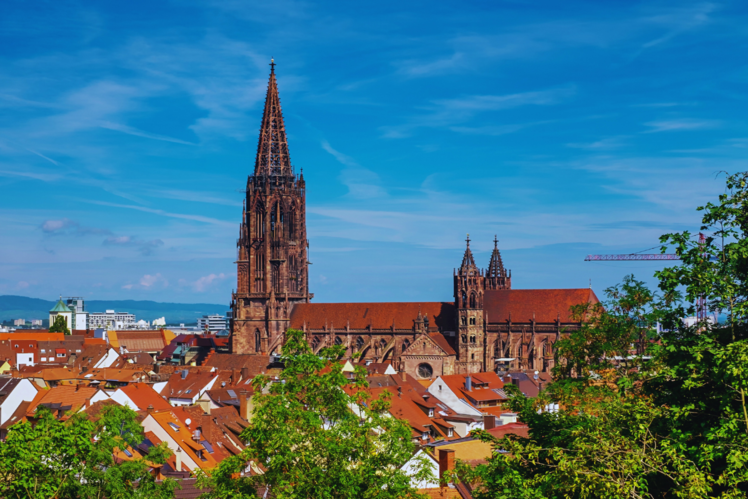
Often dubbed "Germany’s environmental capital," Freiburg im Breisgau is a shining example of urban sustainability. Located at the edge of the Black Forest, this vibrant university city has consistently pioneered innovative eco-friendly initiatives, from solar energy to car-free living.
Why it’s eco-friendly: Freiburg boasts an impressive record in renewable energy, particularly solar power, with countless buildings featuring photovoltaic panels. The city has an extensive and efficient public transport system (trams and buses) and an unparalleled cycling infrastructure, making cars largely unnecessary. Its Vauban district is famous as a model sustainable community, with passive houses, car-free streets, and community gardens.
What to do:
- Explore Vauban: Take a guided tour or simply wander through the Vauban district to witness sustainable urban living in action.
- Cycling: Rent a bike and explore Freiburg’s extensive network of cycle paths.
- Solar Architecture: Admire the solar-powered buildings, including the "Sun Ship" (Sonnenschiff) and the Solarsiedlung (solar housing estate).
- Local Markets: Visit the daily market around the Münster (cathedral) for fresh, local, and often organic produce.
- Public Transport: Utilize the excellent tram system to navigate the city, reducing your carbon footprint.
How to get there: Freiburg is a major railway hub, easily reachable by high-speed trains (ICE) from all over Germany and neighboring countries.
4. The Wadden Sea National Park: A Unique Coastal Ecosystem
Along Germany’s North Sea coast lies the Wadden Sea National Park, a UNESCO World Heritage site shared with the Netherlands and Denmark. This vast, dynamic landscape of mudflats, sandbanks, and salt marshes is one of the most important wetland ecosystems in the world.
Why it’s eco-friendly: The Wadden Sea is a vital breeding ground and stopover for millions of migratory birds, a nursery for marine life, and home to unique flora and fauna. Conservation efforts focus on protecting this delicate ecosystem from pollution and over-exploitation, promoting sustainable fishing, and educating visitors about its ecological significance.
What to do:
- Mudflat Hiking (Wattwandern): Join a guided mudflat hike at low tide to explore the unique environment and learn about the creatures living beneath the surface. This is a truly immersive and eco-conscious experience.
- Birdwatching: The Wadden Sea is a paradise for birdwatchers, especially during migration seasons.
- Seal Spotting: Take a boat trip to see seals basking on sandbanks (choose operators committed to respectful wildlife viewing).
- Island Hopping: Explore the East Frisian Islands (e.g., Norderney, Spiekeroog), many of which are car-free and prioritize sustainable tourism.
How to get there: Coastal towns like Cuxhaven, Wilhelmshaven, and Norden are accessible by regional trains. From there, local buses and ferries connect to the islands and specific coastal areas.
5. Lake Constance (Bodensee): Transnational Green Gem
Nestled at the foot of the Alps, Lake Constance is Central Europe’s third-largest lake, shared by Germany, Switzerland, and Austria. This region is a model for cross-border environmental cooperation and sustainable tourism.
Why it’s eco-friendly: The lake’s pristine water quality is a result of decades of collaborative conservation efforts. The region promotes organic farming, particularly wine and fruit cultivation, and has an extensive network of cycle paths that encourage car-free exploration. Many towns around the lake are committed to renewable energy and sustainable waste management.
What to do:
- Cycling the Bodensee-Radweg: Cycle the renowned Lake Constance Cycle Path, a mostly flat route around the entire lake, offering stunning views and easy access to towns and attractions.
- Mainau Island (Flower Island): Visit this beautiful island, known for its exquisite gardens and commitment to ecological practices, including organic waste composting and sustainable energy.
- Reichenau Island (UNESCO World Heritage): Explore this historic island, famous for its Benedictine monastery and traditional vegetable cultivation, which has maintained its medieval agricultural landscape sustainably for centuries.
- Electric Boat Tours: Enjoy boat trips on the lake, with many operators using more fuel-efficient or electric vessels.
- Local Produce: Sample fresh fish from the lake, regional wines, and organic fruits directly from local farms.
How to get there: The towns around Lake Constance (e.g., Konstanz, Lindau, Friedrichshafen) are well-connected by train. Ferries and catamarans provide efficient and scenic transport across the lake.
6. Spreewald Biosphere Reserve: A Labyrinth of Waterways
Just southeast of Berlin, the Spreewald Biosphere Reserve is a unique and enchanting landscape of countless small waterways, lush meadows, and ancient oak forests. This UNESCO-protected area is celebrated for its biodiversity and the preservation of Sorbian culture.
Why it’s eco-friendly: The Spreewald’s status as a biosphere reserve ensures the protection of its unique fluvial landscape and the sustainable development of its communities. Traditional punt boats (Kähne) are the primary mode of transport on the waterways, powered by human effort, ensuring minimal environmental impact. Local agriculture, particularly cucumber cultivation, thrives with sustainable practices.
What to do:
- Punt Boat Trips: Experience the Spreewald from a traditional punt boat, navigated by a local "Kahnfährmann" (ferryman), often in traditional Sorbian attire.
- Canoeing and Kayaking: Rent a canoe or kayak and paddle through the serene waterways at your own pace.
- Cycling and Hiking: Explore the well-maintained paths that wind through the forests and along the canals.
- Sorbian Culture: Learn about the unique Sorbian culture, including their language, customs, and traditional crafts.
- Cucumber Tasting: Sample the region’s famous Spreewald gherkins and other pickled vegetables.
How to get there: Lübbenau and Cottbus are the main gateways to the Spreewald and are easily accessible by regional trains from Berlin.
The German Commitment to Sustainability
Germany’s dedication to eco-friendly travel isn’t limited to specific destinations; it’s a national ethos. The "Energiewende" (energy transition) has seen a massive shift towards renewable energy sources, and sustainable practices are increasingly integrated into various sectors. The German National Tourist Board actively promotes "Sustainable Germany" (Nachhaltiges Deutschland) through campaigns and resources, helping travelers identify eco-certified accommodations, transport options, and activities.
Tips for the Eco-Conscious Traveler in Germany:
- Prioritize Public Transport: Germany’s train network (Deutsche Bahn) is world-class, efficient, and often the most sustainable way to travel between cities and regions. Local buses and trams are excellent within towns.
- Embrace Cycling: Many German cities and regions are incredibly bike-friendly, with dedicated cycle paths. Renting a bike is a fantastic way to explore locally.
- Choose Eco-Certified Accommodation: Look for hotels, guesthouses, or farm stays with recognized eco-labels like Viabono, Green Globe, or the EU Ecolabel.
- Support Local and Organic: Seek out local markets (Wochenmärkte), farm shops (Hofläden), and restaurants that source ingredients locally and organically.
- Reduce Waste: Carry a reusable water bottle, coffee cup, and shopping bag. Germany has excellent recycling infrastructure.
- Respect Nature: Stick to marked trails, avoid disturbing wildlife, and leave no trace behind.
- Learn a Few Phrases: Basic German phrases like "Danke" (thank you) and "Bitte" (please) can enhance your interactions with locals.
Conclusion
Germany offers an unparalleled array of eco-friendly travel destinations, proving that responsible tourism doesn’t mean sacrificing experience. From the ancient forests of the Black Forest to the innovative urban planning of Freiburg, and the unique coastal ecosystems of the Wadden Sea, each region presents an opportunity to connect with nature, appreciate culture, and contribute positively to the environment. By choosing to explore Germany’s green heart, you embark on a journey that is not only enriching and memorable but also deeply aligned with the principles of sustainable living. So pack your bags, choose your adventure, and discover the sustainable wonders of Germany.