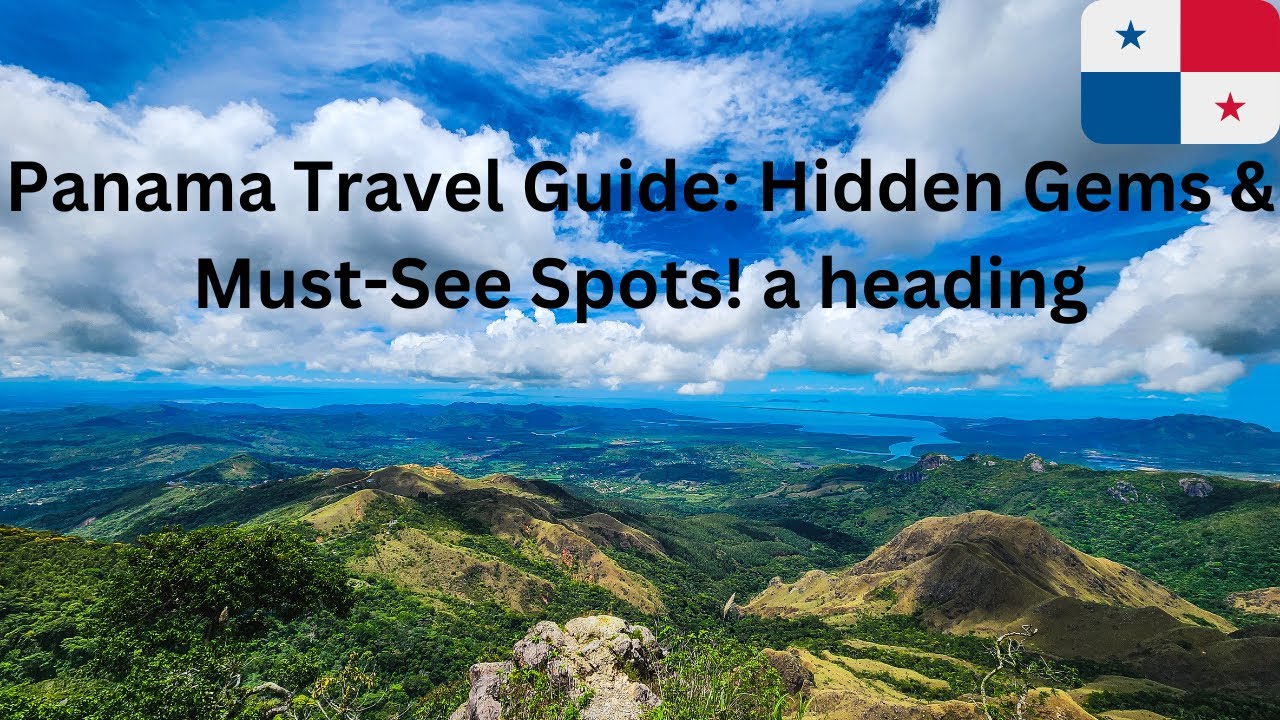


Unveiling the Unseen: A Journey Through Panama’s Hidden Gems
Panama. The name alone conjures images of an engineering marvel, the iconic Canal, a bustling cosmopolitan capital, and perhaps the vibrant nightlife of Casco Viejo. While these well-trodden paths offer undeniable allure, they merely scratch the surface of a nation brimming with ecological wonders, rich cultural tapestries, and serene escapes that remain largely untouched by mass tourism. For the intrepid traveler, Panama offers a treasure trove of "hidden gems," places where the authentic spirit of the country flourishes, waiting to be discovered.
Beyond the shimmering skyscrapers and the hum of maritime traffic lies a Panama of mist-shrouded cloud forests, pristine Caribbean and Pacific coastlines, ancient indigenous traditions, and towns that time seems to have forgotten. This article invites you on an immersive journey to uncover these lesser-known marvels, offering a glimpse into the heart and soul of a country that is so much more than its famous waterway.
1. The Verdant Embrace of El Valle de Antón: A Town in a Volcano
Our exploration begins just a couple of hours from Panama City, in a place truly unlike any other: El Valle de Antón. Nestled within the collapsed caldera of an ancient volcano, El Valle boasts a unique microclimate and an atmosphere of eternal spring. At approximately 600 meters above sea level, it offers a refreshing escape from the coastal humidity, making it a popular weekend retreat for Panamanians but still relatively overlooked by international visitors seeking deeper immersion.
The town itself is a quaint collection of local markets, cozy restaurants, and charming accommodations. But its true gems lie in its natural surroundings. Hike the iconic India Dormida (Sleeping Indian Girl) trail, a mountain ridge whose profile strikingly resembles a reclining woman. The ascent offers panoramic views of the entire valley, revealing the vastness of the caldera and the lush, emerald canopy below. Along the way, you might discover ancient petroglyphs, silent testaments to pre-Columbian inhabitants.
Another must-see is the El Chorro Macho waterfall, Panama’s largest, where you can take a refreshing dip or even zip-line across the canopy. Don’t miss the Níspero Zoo and Botanical Garden, home to the critically endangered Panamanian golden frog (though often seen in conservation efforts, as they are largely extinct in the wild due to chytrid fungus). The Sunday market is a vibrant hub, perfect for sampling exotic fruits, local crafts, and delicious Panamanian snacks. El Valle is a sanctuary for nature lovers, offering birdwatching opportunities, hot springs, and a tranquil pace of life that instantly soothes the soul.
2. Santa Fe, Veraguas: The Unspoiled Heart of the Cloud Forest
Further west, venturing into the province of Veraguas, you’ll discover the truly off-the-beaten-path destination of Santa Fe. Often overshadowed by its more famous highland cousin, Boquete, Santa Fe offers a raw, authentic experience of Panama’s cloud forest and rural life. This charming mountain town, nestled amidst the lush Cordillera Central, is a haven for hikers, birdwatchers, and anyone seeking profound tranquility away from tourist crowds.
Santa Fe is the gateway to Santa Fe National Park, a biodiverse sanctuary teeming with wildlife. Here, you can embark on challenging hikes to discover hidden waterfalls, such as the impressive El Salto or the multi-tiered Bermejo waterfall, often requiring a local guide to navigate the dense jungle trails. The air is crisp, the mist often hangs low, and the sounds of exotic birds fill the atmosphere. Coffee plantations dot the hillsides, and many offer tours and tastings, providing a glimpse into the artisanal process of cultivating some of Panama’s finest beans.
The beauty of Santa Fe lies not just in its natural splendor but also in its genuine, welcoming community. Life moves at a slower pace here; locals are friendly and eager to share their culture. Accommodations range from rustic cabañas to small, family-run guesthouses, offering an intimate experience that connects you directly with the heart of rural Panama.
3. The Azuero Peninsula: Pacific Surf, Culture, and Turtle Nests
Shifting our focus to Panama’s Pacific coast, the Azuero Peninsula is a region rich in folklore, traditional crafts, and stunning beaches, yet it remains largely unexplored by international tourists compared to areas like Bocas del Toro. Known as "the cradle of Panamanian folklore," Azuero offers a deep dive into the country’s cultural heritage.
Pedasí is a charming fishing village that has become a low-key hub for eco-tourism. Its beautiful, uncrowded beaches like Playa Venao (popular for surfing, but still retains a laid-back vibe) and Playa Los Destiladeros offer excellent opportunities for swimming, sunbathing, and horseback riding. From Pedasí, you can take boat trips to Isla Iguana, a pristine wildlife refuge renowned for its vibrant coral reefs, perfect for snorkeling and diving, and its population of green iguanas.
Further south, Isla Cañas is a truly special hidden gem, especially for nature enthusiasts. This island is one of the most important nesting sites for olive ridley sea turtles in the Pacific. During nesting season (typically May to November, peaking in September-October), visitors can witness thousands of turtles coming ashore to lay their eggs – a truly awe-inspiring spectacle managed by local communities dedicated to conservation. This is responsible eco-tourism at its finest, offering a profound connection to nature.
For the adventurous, Santa Catalina, though gaining popularity among surfers, still retains its rustic charm and serves as the primary gateway to Coiba National Park.
4. Coiba National Park: Panama’s "Galapagos" of the Pacific
While Santa Catalina might be somewhat known, the true hidden gem accessed from it is the magnificent Coiba National Park, a UNESCO World Heritage site often dubbed Panama’s "Galapagos." This archipelago, dominated by Coiba Island (the largest island in Central America), was once a penal colony, a history that inadvertently preserved its pristine ecosystems. For decades, access was restricted, protecting its incredible biodiversity from human encroachment.
Today, Coiba is a diver’s paradise. Its waters teem with an astonishing array of marine life: vast schools of fish, humpback whales (seasonal), orcas, manta rays, hammerhead sharks, whale sharks, and numerous species of sea turtles. The coral reefs are vibrant and healthy, offering unparalleled snorkeling and diving experiences. On land, the islands are covered in dense tropical forest, home to unique subspecies of monkeys, agoutis, and a plethora of exotic birds.
The limited infrastructure and regulated access ensure that Coiba remains an exclusive and profoundly wild experience. Visiting requires a tour operator and permits, adding to its mystique and preserving its untouched beauty. It’s a place where you genuinely feel immersed in nature, far from the modern world.
5. Portobelo: Echoes of Pirates and Afro-Caribbean Culture
Shifting to the Caribbean coast, a different kind of hidden gem awaits. While San Blas and Bocas del Toro draw crowds, the historical town of Portobelo offers a captivating blend of colonial history, pirate lore, and vibrant Afro-Caribbean culture. Also a UNESCO World Heritage site, Portobelo was once a crucial Spanish port, a transit point for gold and silver from South America, making it a lucrative target for buccaneers like Sir Francis Drake and Henry Morgan.
The ruins of its formidable Spanish fortifications – including Fort San Jerónimo and Fort Santiago de la Gloria – stand as silent sentinels, testament to a bygone era of wealth and conflict. Exploring these moss-covered stones, you can almost hear the echoes of cannon fire and the whispers of pirates.
Beyond its historical significance, Portobelo is a living, breathing community. It’s the spiritual home of Panama’s Cristo Negro (Black Christ), a revered statue housed in the San Felipe church, which draws thousands of pilgrims every October for a deeply moving procession. The town’s Afro-Caribbean heritage is palpable in its music, food, and the warmth of its people. Don’t be surprised to encounter vibrant congo dance performances, a lively expression of their ancestral traditions. The nearby clear Caribbean waters also offer opportunities for snorkeling and simply relaxing on quiet, uncrowded beaches.
6. The Emberá Villages: A Glimpse into Living Indigenous Culture
While some Emberá villages near Panama City have become more accessible, seeking out those further afield offers a more profound and authentic cultural exchange. The Emberá people, one of Panama’s seven indigenous groups, have meticulously preserved their ancestral way of life, traditions, and language.
A visit to an Emberá village, often accessible by dugout canoe (piragua) through winding rivers, is an immersive experience. You’ll be welcomed by villagers adorned in traditional attire, often with intricate body paint (jagua) and handcrafted jewelry. They share their knowledge of the rainforest – its medicinal plants, the calls of its creatures, and sustainable living practices. You can learn about their traditional crafts, particularly their exquisite basket weaving and tagua nut carvings, which make for meaningful souvenirs.
These visits, when conducted ethically and with genuine respect for their culture, offer a powerful lesson in harmonious coexistence with nature and a rare opportunity to connect with a living history that predates colonial times. It’s a reminder that Panama’s richness extends far beyond its modern facade.
The Call to Explore
Panama is a country of captivating contrasts – where modernity meets ancient traditions, where two oceans converge, and where dense jungles give way to bustling cities. While the Panama Canal will always be its most iconic symbol, the true magic of this Central American gem lies in its hidden corners.
To truly experience Panama, one must venture beyond the obvious. Embrace the unexpected, engage with the local communities, and allow yourself to be captivated by the raw beauty of its diverse landscapes. Whether you’re hiking through mist-shrouded cloud forests, diving in pristine marine parks, or stepping back in time amidst colonial ruins, Panama’s hidden gems promise an unforgettable adventure – an authentic journey into the heart of a nation waiting to unveil its unseen wonders. Pack your bags, open your mind, and prepare to discover the Panama that few ever get to see.