


Sip the Unexpected: Exploring Costa Rica’s Emerging Vineyard Scene
Costa Rica. The name itself conjures images of vibrant rainforests, pristine beaches, active volcanoes, and the infectious "Pura Vida" lifestyle. It’s a country synonymous with biodiversity, eco-tourism, and world-class coffee. Yet, for many, the idea of vineyards thriving in this tropical paradise might seem as improbable as penguins sunbathing on its Pacific coast. Conventional wisdom dictates that viticulture belongs to temperate climates, with distinct seasons and specific soil compositions. However, a quiet revolution is unfolding in the cooler, higher elevations of Costa Rica, where a dedicated community of pioneers is challenging preconceived notions, cultivating grapes, and producing unique wines that are as captivating and unexpected as the country itself.
This article invites you on an immersive journey to explore Costa Rica’s nascent, beautiful vineyards – not the sprawling estates of Napa or Bordeaux, but intimate, often family-run operations deeply integrated with the surrounding natural splendor. It’s an exploration of ingenuity, resilience, and a profound respect for the land, offering a refreshingly different perspective on wine tourism and the "Pura Vida" philosophy.
The Unlikely Terroir: Why Costa Rica?
The initial skepticism surrounding Costa Rican viticulture is understandable. The country’s tropical climate, characterized by high humidity, abundant rainfall, and consistently warm temperatures, presents significant challenges for traditional grape varieties. Fungal diseases are rampant, and the lack of a distinct dormancy period can stress vines. So, how are these intrepid winemakers succeeding?
The answer lies in strategic location and innovative approaches. Costa Rican vineyards are primarily found in specific microclimates, typically at altitudes ranging from 1,200 to 1,800 meters (4,000 to 6,000 feet) above sea level. At these elevations, temperatures are significantly cooler, especially at night, creating the crucial diurnal temperature variation that grapes need to develop complex flavors and maintain acidity. The air is also drier, reducing the risk of fungal infections.
Furthermore, the volcanic soil, a signature feature of Costa Rica’s landscape, plays a vital role. Rich in minerals and well-draining, these soils impart a distinct character to the grapes, contributing to the wine’s unique minerality and freshness. While consistent rainfall remains a factor, clever canopy management, precise irrigation techniques, and the selection of disease-resistant grape varieties help mitigate its effects. These vineyards are often nestled on the slopes of dormant volcanoes or within verdant mountain valleys, benefiting from natural air circulation and the unique terroir that only Costa Rica can offer.
Pioneers and Their Vision: Cultivating Passion
The story of Costa Rican wine is, at its heart, a tale of passion and perseverance. These aren’t multinational corporations but often small-scale farmers, agronomists, and dreamers who saw potential where others saw impossibility. They are individuals who have invested years, often decades, in experimentation – testing different varietals, refining cultivation techniques, and understanding the nuances of their specific microclimates.
Many of these pioneers have backgrounds in other agricultural ventures, such as coffee farming, and bring a deep understanding of sustainable practices to viticulture. They are driven by a desire to create something truly unique, to showcase another facet of Costa Rica’s agricultural bounty, and to offer an authentic, locally produced experience. Their vision extends beyond simply making wine; it’s about creating a sustainable model that respects the environment, supports local communities, and celebrates the spirit of innovation.
These winemakers embrace a philosophy of "tropical viticulture," adapting global knowledge to local conditions rather than trying to force European methods onto a tropical landscape. This might involve using specific trellising systems to improve air circulation, employing organic pest control methods, or even unconventional pruning schedules to manage the vine’s growth cycle in the absence of a traditional winter. Their vineyards are living laboratories, constantly evolving and refining techniques to coax the best out of their unique environment.
The Grapes of Pura Vida: Varietals and Flavors
Forget the bold Cabernet Sauvignons or the oaky Chardonnays of more established regions. Costa Rican wines are typically light-bodied, fresh, and aromatic, reflecting their tropical origin and the varietals that thrive in this challenging environment. The most common grapes you’ll encounter are often French-American hybrids or native Muscadine varieties, known for their resilience and resistance to disease. However, some ambitious winemakers are also experimenting with certain Vitis vinifera clones that show promise, particularly cool-climate varieties.
White wines often feature bright acidity, notes of tropical fruits like pineapple, passionfruit, and guava, sometimes with a hint of citrus or floral undertones. They are crisp, refreshing, and perfectly suited to the warm climate and the vibrant flavors of Costa Rican cuisine. Red wines, while less common, tend to be lighter in body, with soft tannins and red berry characteristics, perhaps with a subtle earthy or spicy note. Rosés are also gaining popularity, offering a delightful balance of fruitiness and freshness.
These wines are not meant to compete with their Old World or New World counterparts on traditional terms. Instead, they offer a distinct sensory experience – a taste of the tropics, bottled with care and ingenuity. They pair beautifully with fresh ceviche, grilled seafood, light chicken dishes, or simply enjoyed on a sunny patio overlooking a misty mountain valley.
Exploring the Vineyards: An Intimate Encounter with Nature
Visiting a Costa Rican vineyard is an experience far removed from the grand châteaux of Bordeaux or the sprawling estates of Napa Valley. Here, the focus is on intimacy, authenticity, and integration with the natural surroundings. You won’t find massive production facilities; instead, you’ll discover boutique operations where the owners themselves often lead the tours and tastings.
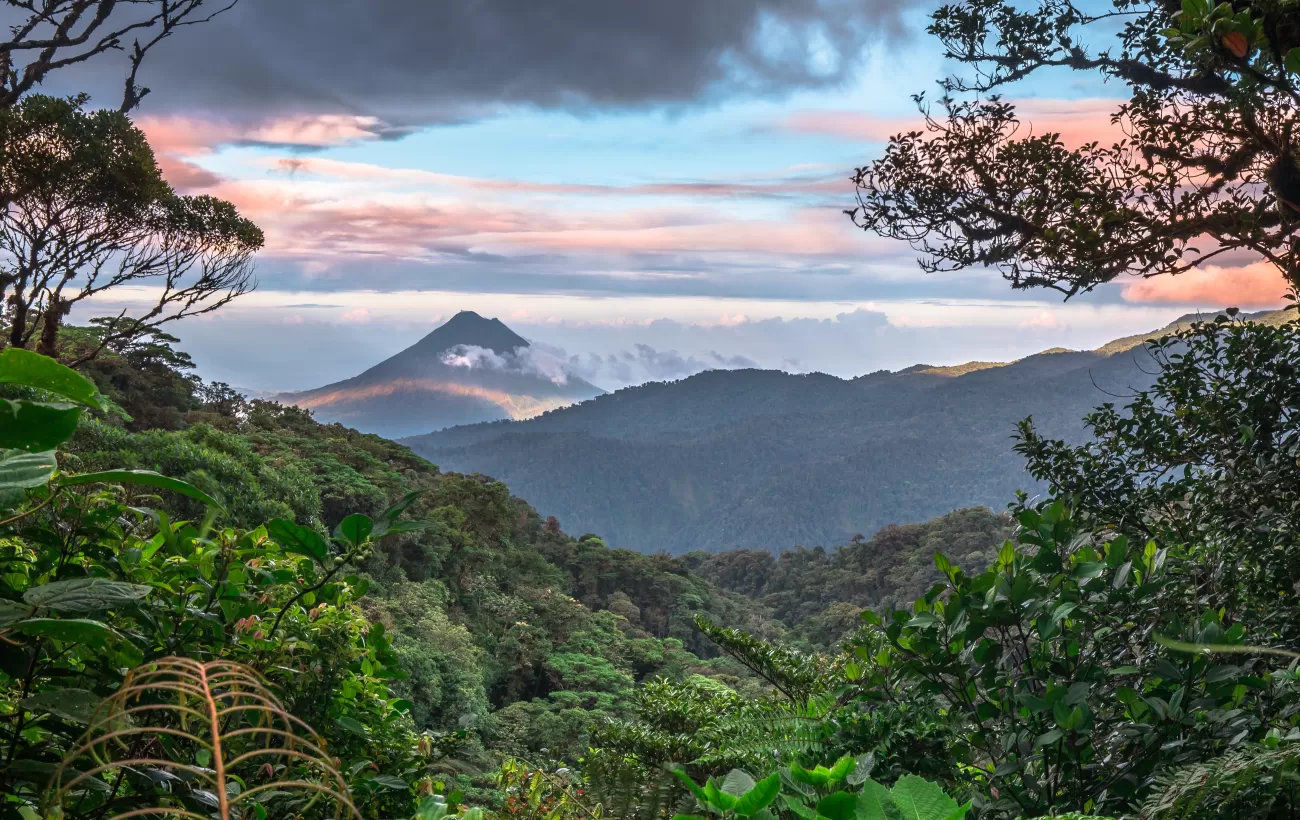
The beauty of these vineyards is inextricably linked to the Costa Rican landscape. Imagine rows of vibrant green vines, meticulously tended, cascading down a gentle slope. In the background, mist-shrouded mountains rise majestically, often dotted with the silhouettes of coffee plantations or dense cloud forests. The air is fresh and clean, carrying the scent of rich volcanic soil and blooming tropical flora. Birdsong provides a constant soundtrack, and if you’re lucky, you might even spot a monkey or a sloth amidst the trees bordering the vineyard.
A typical vineyard tour offers a personal and educational experience. You’ll likely walk through the vineyards, learning about the specific challenges and triumphs of tropical viticulture. Your guide, often the winemaker or a family member, will explain the unique terroir, the specific grape varietals grown, and the innovative techniques employed to coax wine from the tropical soil. You’ll see firsthand the intricate trellising systems, the organic pest control methods, and perhaps even a small, artisanal winery where the magic happens.
The tasting experience is equally intimate. You’ll sample the fruits of their labor, often accompanied by local cheeses, fresh bread, or other Costa Rican delicacies. This isn’t just about the wine; it’s about the story behind each bottle, the passion of the people who made it, and the connection to the land. Many vineyards also offer farm-to-table dining experiences, allowing you to savor local ingredients paired perfectly with their unique wines, all while enjoying breathtaking panoramic views.
Sustainability and Ecotourism: A Natural Fit
It’s no surprise that sustainability lies at the heart of Costa Rican viticulture. A country renowned for its commitment to environmental protection and ecotourism, it’s only natural that its emerging wine industry would follow suit. Many vineyards employ organic or biodynamic farming practices, minimizing the use of chemicals and fostering a healthy ecosystem within their plots. Water conservation is paramount, with efficient irrigation systems and rainwater harvesting often in place.
The vineyards are often designed to blend seamlessly into the existing landscape, preserving natural habitats and biodiversity. This commitment to ecological balance enhances the overall visitor experience, aligning perfectly with the "Pura Vida" ethos. Guests aren’t just sampling wine; they’re engaging with a sustainable agricultural model that respects and protects the stunning natural environment. This integration makes a visit to a Costa Rican vineyard an enriching experience that goes beyond mere consumption, touching on education, environmental awareness, and cultural immersion.
Planning Your Visit: Tips for the Discerning Traveler
Given the nascent stage of the industry, planning is key to exploring Costa Rica’s vineyards.
- Research in Advance: Many vineyards are small, family-run operations and may require appointments for tours and tastings. Check their websites or social media for booking information and operating hours.
- Location, Location, Location: Focus your search on higher-altitude regions. The Central Valley, particularly areas around Poás and Turrialba volcanoes, are good starting points. Some emerging vineyards might also be found in regions like Dota or Pérez Zeledón.
- Transportation: Accessing these mountain vineyards often requires a 4×4 vehicle, especially during the rainy season. Consider hiring a local guide or using a reputable tour operator.
- Combine with Other Activities: A vineyard visit can be seamlessly integrated into a broader Costa Rican itinerary. Combine it with a hike to a volcano crater, a bird-watching excursion, or a visit to a coffee plantation.
- Embrace the Unique: Approach your visit with an open mind. These wines offer a distinct profile, different from what you might be accustomed to. Appreciate them for their uniqueness and the incredible story they tell.
The Future of Costa Rican Wine
The Costa Rican wine industry is still in its infancy, but it’s an infancy marked by immense potential and unwavering dedication. As more pioneers enter the field, and as existing vineyards continue to refine their techniques, the quality and recognition of Costa Rican wines are set to grow. This emerging region could soon carve out a niche for itself on the global wine map, celebrated not for mimicking traditional styles, but for offering something authentically Costa Rican – a taste of ingenuity, sustainability, and the vibrant spirit of "Pura Vida."
Conclusion: A Toast to Pura Vida
The journey through Costa Rica’s vineyards is more than just a wine tasting; it’s an exploration of ingenuity, passion, and a profound respect for nature. It challenges our perceptions of where fine wine can be produced and invites us to appreciate the beauty that can emerge when human innovation harmonizes with the natural world.
From the rich volcanic soil to the crisp mountain air, every sip of Costa Rican wine tells a story of resilience and dedication. It’s an invitation to slow down, to connect with the land, and to savor an unexpected delight in a country already brimming with wonders. So, next time you plan a trip to this Central American gem, consider adding a vineyard visit to your itinerary. You might just discover a new favorite wine and a deeper appreciation for the boundless spirit of Pura Vida. Salud!