


Unveiling Winter’s Embrace: A Journey Through Chile’s Enchanting Festivals
Chile, a land of unparalleled geographical diversity, stretches from the arid Atacama Desert in the north, through the fertile Central Valley, to the majestic Andes mountains and the rugged, wind-swept fjords of Patagonia in the south. While many travelers flock to its shores during the warmer months, the Southern Hemisphere winter (June to August) unveils a completely different, yet equally captivating, side of this remarkable country. Far from being a dormant season, Chilean winter pulsates with vibrant cultural, indigenous, and recreational festivals that offer a unique blend of warmth, tradition, and exhilarating experiences amidst the crisp mountain air and often snow-dusted landscapes.
Exploring Chile during winter is to discover a nation that embraces the cold with open arms, transforming the chill into an opportunity for community, celebration, and reflection. Beyond the world-class skiing and snowboarding, winter festivals in Chile provide an intimate glimpse into the country’s soul, showcasing its rich heritage, resilient spirit, and profound connection to the land and its cycles. From the southernmost tip of the continent to the high-altitude Andean valleys and even the northern desert, these events invite visitors to partake in unforgettable moments, savor hearty cuisine, and dance to the rhythm of ancient traditions and modern revelry.
The Grand Spectacle of the South: Carnaval de Invierno, Punta Arenas
Perhaps the most iconic and visually stunning of Chile’s winter celebrations is the Carnaval de Invierno (Winter Carnival) held annually in Punta Arenas, the capital of Chile’s Magallanes Region and Chilean Antarctica. Nestled on the Brunswick Peninsula, overlooking the historic Strait of Magellan, Punta Arenas is one of the southernmost cities in the world, making its decision to host a dazzling carnival in the depths of winter (usually late July) a testament to the Patagonian spirit of resilience and joy.
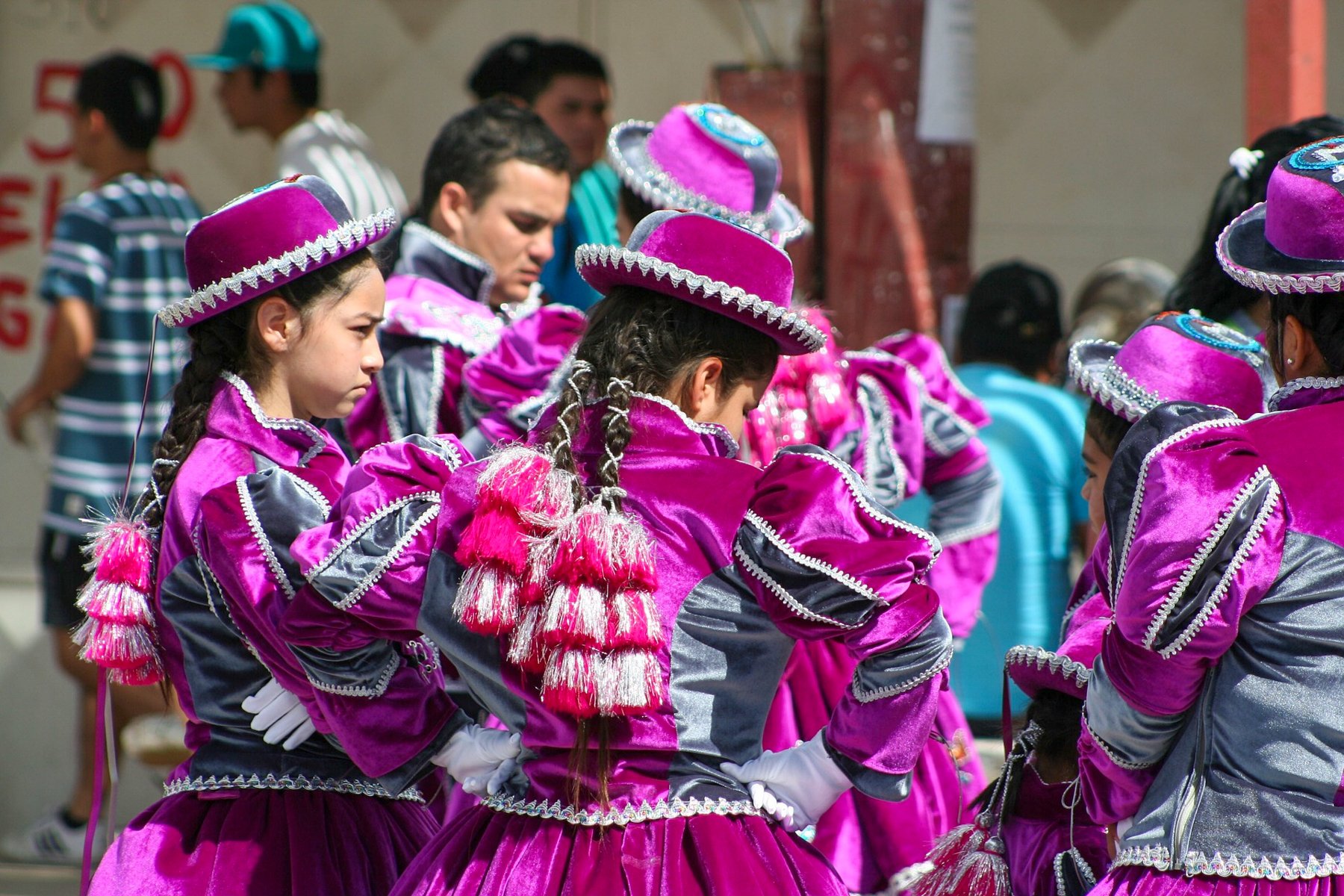
The Carnaval de Invierno is not merely an event; it’s a defiant and colorful explosion against the harsh Patagonian winter. For two days, the city’s main avenues burst into life with an incredible display of creativity and community spirit. Elaborate floats, adorned with intricate designs and illuminated with thousands of lights, parade through the streets, accompanied by marching bands, dance troupes, and local organizations, all dressed in fantastical, often handmade, costumes. The energy is infectious, with spectators lining the streets, cheering, singing, and braving the cold to witness the spectacle.
Key highlights of the Carnaval include:
- The Parade of Floats and Comparsas: This is the heart of the carnival, featuring imaginative and often humorous floats built by local groups, alongside comparsas (dance groups) performing synchronized routines to upbeat music. The themes often reflect Patagonian identity, history, and folklore.
- La Noche Veneciana (Venetian Night): A truly unique element, this event sees beautifully decorated boats and kayaks glide along the Estrecho de Magallanes (Strait of Magellan), illuminated against the dark winter sky. It’s a magical sight that evokes a sense of wonder and romance, connecting the land-based carnival to the region’s maritime heritage.
- Ice Sculptures: Talented artists carve intricate sculptures from blocks of ice, transforming public spaces into temporary art galleries that shimmer under the winter sun and artificial lights.
- Fireworks Display: The carnival typically culminates in a spectacular fireworks show, lighting up the Patagonian sky and providing a dazzling finale to the festivities.
The Carnaval de Invierno in Punta Arenas is more than just a party; it’s a celebration of Patagonian identity, a demonstration of collective strength against the elements, and a magnet for both domestic and international tourists seeking an authentic and vibrant winter experience at the "End of the World."
Indigenous Roots and Renewal: We Tripantu (Mapuche New Year)
Moving north into the heartland of the Mapuche people, particularly in the Araucanía and Los Lagos regions, winter brings a profound and deeply spiritual celebration: We Tripantu, the Mapuche New Year. Coinciding with the winter solstice in the Southern Hemisphere (around June 21st-24th), We Tripantu marks the shortest day of the year and the symbolic "return of the sun" or "new sunrise." For the Mapuche, it’s a time of renewal, introspection, and connection to the natural world and their ancestors.
We Tripantu is a deeply sacred event, rooted in the Mapuche cosmology and their agricultural cycles. It signifies the beginning of a new cycle of life, fertility, and abundance for the land and its people. While not a "festival" in the Western sense of parades and public spectacles, it is a significant cultural celebration observed within communities and families, offering a rare and respectful insight into indigenous traditions.
During We Tripantu, Mapuche communities engage in various rituals and ceremonies:
- Sunrise Ceremony: The most important ritual involves gathering before dawn, usually near a river or a water source, to await the first rays of the new sun. Participants cleanse themselves in the cold water, symbolizing purification and the washing away of the old to welcome the new.
- Nguillatun: While not always performed specifically for We Tripantu, the Nguillatun (a central Mapuche ceremony of prayer and thanksgiving) can be part of the larger celebrations, seeking blessings for the coming year.
- Food Sharing and Storytelling: Families and communities share traditional foods like muday (fermented wheat drink), catutos (fried bread), and mote con huesillo (a peach and wheat drink, though more common in summer, winter versions exist with hot spices). Elders share stories, wisdom, and oral traditions with younger generations, reinforcing cultural identity.
- Traditional Music and Dance: The rhythmic sounds of the kultrún (a ceremonial drum) and pifilka (a traditional flute) fill the air, accompanying traditional dances that express gratitude and connection to the earth.
For travelers, witnessing or participating in We Tripantu requires immense respect and often an invitation from a Mapuche community. It’s an opportunity to understand the profound spiritual connection the Mapuche people have with Ñuke Mapu (Mother Earth) and to appreciate their enduring cultural heritage amidst the natural beauty of southern Chile’s lakes and forests.
High-Altitude Thrills and Après-Ski Charm: Mountain Festivals
Chile’s majestic Andes Mountains are a playground for winter sports enthusiasts, and its world-class ski resorts often host their own brand of winter festivals and events that blend athletic competition with vibrant social gatherings. Destinations like Valle Nevado, Portillo, La Parva, and Farellones come alive during the winter months with a festive atmosphere that extends beyond the slopes.
These mountain festivals are typically more modern and recreation-focused, attracting a diverse crowd of skiers, snowboarders, and those simply looking to enjoy the stunning alpine scenery and lively social scene. Events often include:
- Ski and Snowboard Competitions: From professional races to amateur fun competitions, these events showcase incredible talent and provide thrilling entertainment.
- Torchlight Descents: A magical experience where skiers descend the mountain after dark, carrying torches, creating a mesmerizing river of light against the snowy backdrop.
- Après-Ski Parties and Concerts: Resorts host lively parties with DJs, live music, and themed events in their lodges and bars, offering a chance to unwind and socialize after a day on the slopes.
- Culinary Festivals: Some resorts feature special gastronomic weekends, highlighting Chilean and international cuisine, often paired with fine Chilean wines.
- Family-Friendly Activities: Many resorts organize activities for children and families, including snow games, sledding races, and entertainment.
While not traditional festivals in the same vein as Carnaval de Invierno or We Tripantu, these mountain events offer a distinctly Chilean winter experience. They combine the thrill of adventure sports with the warmth of hospitality, exquisite food, and the camaraderie of fellow winter lovers, all set against the breathtaking panorama of the Andes.
A Desert Anomaly: Fiesta de La Tirana (A Cultural Winter Highlight)
While most winter festivals are associated with cold and snow, Chile’s extraordinary geographical range means that some significant cultural events also fall within the winter months, even in unexpected places. One such example is the Fiesta de La Tirana, a massive religious celebration held every year in mid-July (Chilean winter) in the tiny desert town of La Tirana, in the Tarapacá Region of northern Chile.
Though not a "winter festival" in the sense of embracing cold weather (it’s in the middle of the desert!), its timing makes it a prominent winter cultural event. The Fiesta de La Tirana is one of the most important religious festivals in Chile, dedicated to the Virgen del Carmen (Our Lady of Mount Carmel), the patron saint of Chile.
Hundreds of thousands of pilgrims flock to the remote desert village, transforming it into a vibrant hub of devotion and celebration. The festival is renowned for:
- Dances of the Diabladas and More: The most striking feature is the presence of hundreds of bailes religiosos (religious dance groups), each with their unique costumes, music, and choreography. The most famous are the Diabladas (Devil Dances), where dancers wear elaborate, often fearsome, devil masks and colorful costumes, performing intricate steps to the sound of drums and flutes. Other groups represent different historical or cultural themes, like the Chinos, Caporales, and Gitanos.
- Religious Processions: The image of the Virgen del Carmen is carried through the streets in solemn processions, accompanied by fervent prayers, songs, and the mesmerizing dances.
- Cultural Fusion: The festival is a powerful display of syncretism, blending indigenous Andean traditions with Catholic faith, creating a unique and deeply spiritual atmosphere.
Exploring La Tirana during winter provides a stark contrast to the snowy south, yet it perfectly encapsulates Chile’s diverse cultural tapestry and the enduring power of faith and tradition that flourishes even in the most extreme environments.
Gastronomy and Wine: Savoring Winter’s Warmth
No exploration of Chilean winter festivals would be complete without indulging in the country’s hearty winter gastronomy and renowned wines. Chilean cuisine, designed to warm the soul, takes center stage during the colder months.
- Hearty Stews and Soups: Classic dishes like cazuela (a rich stew with meat, potatoes, corn, and squash), carbonada (a vegetable and meat soup), and pantrucas (a simple, comforting soup with flour dumplings) are staples.
- Pastel de Choclo: While often associated with summer, a good pastel de choclo (corn pie with a savory meat filling) is equally comforting on a chilly day.
- Empanadas: Always a favorite, warm empanadas filled with pino (meat and onion), cheese, or seafood are perfect for warding off the cold.
- Navegado: A quintessential Chilean winter drink, navegado is a warm, spiced red wine infused with orange slices, cinnamon, and sugar. It’s the perfect concoction to warm you from the inside out.
- Pisco Sour: While enjoyed year-round, the national cocktail, Pisco Sour, often feels extra invigorating after a day out in the winter air.
- Wine Tasting: Chile’s Central Valley vineyards are open year-round. Winter offers a unique opportunity for cozy wine tastings, often by a fireplace, with fewer crowds and the chance to appreciate the aging process in the quiet cellars.
Many local communities also host smaller, regional winter food festivals, celebrating seasonal produce, traditional recipes, and local artisanal products, providing an authentic taste of Chilean culinary heritage.
Practical Tips for Winter Festival Explorers
- Dress in Layers: Chilean winter can be surprisingly cold, especially in the south or in the mountains. Pack warm, waterproof clothing, thermal layers, hats, gloves, and sturdy, waterproof boots.
- Book in Advance: Accommodations and transport, especially to popular festival locations like Punta Arenas during Carnaval or around ski resorts, can fill up quickly.
- Embrace the Cold: The magic of these festivals often lies in experiencing them outdoors. Come prepared to enjoy the crisp air.
- Learn Basic Spanish: While many people in tourist areas speak English, knowing some basic Spanish phrases will greatly enhance your experience and interactions with locals.
- Respect Traditions: Especially when attending indigenous or religious ceremonies, observe and respect local customs and protocols.
Conclusion
Chilean winter is a season of profound beauty, vibrant culture, and exhilarating experiences. Far from a time of hibernation, it’s a period when the country awakens with unique festivals that celebrate everything from the indomitable spirit of Patagonia to ancient indigenous traditions, the thrill of the Andes, and deep-seated religious devotion.
Venturing into Chile during these colder months offers a rare opportunity to peel back the layers of its diverse identity, to connect with its people, and to witness the extraordinary ways in which they embrace their environment. Whether you’re dancing in the streets of Punta Arenas, reflecting on renewal with the Mapuche, carving turns on pristine slopes, or savoring a warm navegado by a crackling fire, exploring Chile’s winter festivals promises an unforgettable journey into the heart of this remarkable South American nation. It’s an invitation to discover a warmth that transcends the chill, leaving you with memories as vivid and enduring as the Chilean landscape itself.
