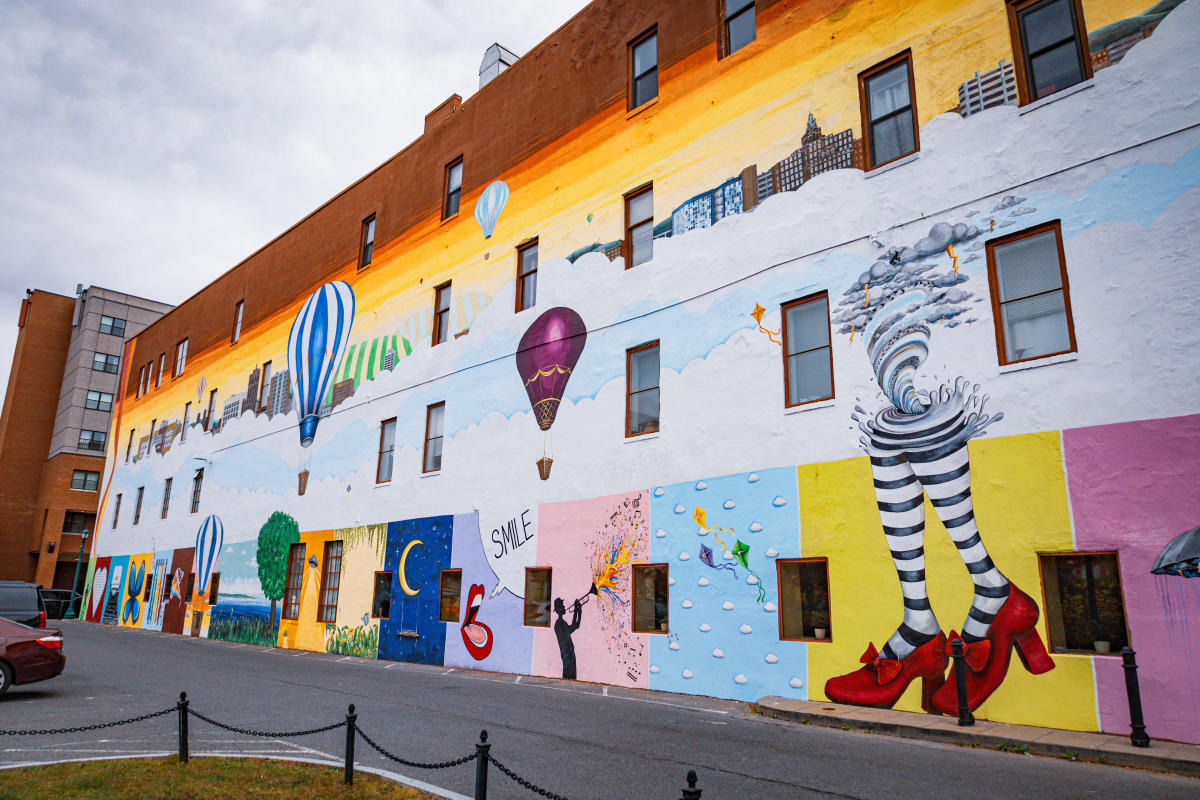


The Urban Canvas: Exploring Street Art in the USA
The United States, a vast tapestry of cultures, histories, and landscapes, offers an unparalleled journey into the dynamic world of street art. Far from being mere vandalism, what began as a subversive subculture has blossomed into a legitimate and celebrated art form, transforming urban facades into open-air galleries. Exploring street art in the USA is not just an aesthetic pursuit; it’s an immersive dive into the social, political, and cultural narratives that shape American cities, reflecting the pulse of communities and the boundless creativity of artists.
A Brief History: From Subversion to Celebration
The roots of modern street art in the USA are deeply intertwined with the graffiti movement that emerged in the bustling boroughs of New York City in the late 1960s and early 1970s. What started as simple "tags" (stylized signatures) scrawled by pioneers like TAKI 183 and JULIO 204 on subway cars and walls quickly evolved into intricate "pieces" – elaborate, colorful compositions that transformed public transit into moving canvases. This era, fueled by the raw energy of hip-hop culture, laid the groundwork for a global phenomenon.
As graffiti gained notoriety, it also sparked controversy, often seen as an act of defiance and urban decay. However, artists continued to push boundaries, experimenting with stencils, wheatpasting, and large-scale murals. The 1980s saw figures like Keith Haring and Jean-Michel Basquiat bridge the gap between street and gallery, demonstrating the profound artistic merit and conceptual depth inherent in these ephemeral works. By the turn of the millennium, street art began shedding its purely illicit reputation, with cities and communities recognizing its potential for revitalization, cultural expression, and even tourism. Today, the USA stands as a crucible where this art form continues to evolve, embracing new technologies, styles, and social commentaries.
The Diverse Canvas: What Makes US Street Art Unique?
What makes the street art scene in the USA particularly compelling is its incredible diversity, mirroring the nation’s multicultural fabric. From the powerful narrative murals of the Chicano Art Movement in the Southwest to the abstract expressionism found on Brooklyn walls, American street art speaks in myriad voices. Themes often resonate with local histories, advocating for social justice, celebrating cultural identity, critiquing political landscapes, or simply adding beauty and whimsy to everyday life.
Unlike traditional gallery art, street art is inherently democratic. It’s accessible to everyone, regardless of socio-economic status, offering a direct, unmediated dialogue between the artist and the public. This accessibility fosters a unique relationship between the art, the urban environment, and its inhabitants, turning mundane commutes into unexpected encounters with profound beauty and thought-provoking messages.
Premier Destinations for Street Art Exploration
While street art can be found in nearly every corner of the USA, certain cities have become veritable meccas for enthusiasts, each offering a distinct flavor of this vibrant art form.
-
New York City, New York: As the birthplace of modern graffiti, NYC remains a global epicenter. While the legendary 5Pointz aerosol art center in Queens was tragically whitewashed, its spirit lives on in neighborhoods like Bushwick, Brooklyn. Here, the Bushwick Collective has transformed industrial blocks into an outdoor museum, featuring works by local and international artists. The Lower East Side and parts of Harlem also boast a rich array of murals, reflecting the city’s diverse communities and ongoing social dialogues. Exploring NYC’s street art is like tracing the very lineage of the art form itself.
-
Los Angeles, California: With its vast urban sprawl and rich cultural tapestry, Los Angeles is a mural powerhouse. The city has a deep tradition of large-scale public art, particularly influenced by the Chicano Art Movement which used murals to reclaim identity and express political dissent in neighborhoods like Boyle Heights and East LA. Today, areas like the Downtown LA Arts District and Venice Beach are bursting with vibrant works, from towering celebrity portraits to intricate abstract pieces, reflecting the city’s eclectic and often larger-than-life personality.
-
Miami, Florida: Perhaps no other city epitomizes the commercial and artistic success of street art like Miami, particularly its Wynwood Arts District. Once a neglected warehouse district, Wynwood was transformed into an open-air gallery by Tony Goldman, who commissioned artists to paint the walls. The iconic Wynwood Walls showcases pieces by world-renowned artists like Shepard Fairey, Kobra, and Kenny Scharf. Beyond the curated walls, the entire neighborhood is a canvas, especially vibrant during Art Basel Miami Beach, which further fuels its creative energy.
-
Philadelphia, Pennsylvania: Home to the renowned Mural Arts Philadelphia program, the city proudly claims to have more murals than any other city in the world – over 4,000 and counting. What began as an anti-graffiti initiative in 1984 evolved into a powerful tool for community engagement and urban revitalization. Philadelphia’s murals often tell stories of local history, celebrate community heroes, or address social issues, making them deeply personal and reflective of the neighborhoods they inhabit. Guided tours offer profound insights into this unique model of public art.
-
Chicago, Illinois: The Windy City’s street art scene is robust and constantly evolving. The Pilsen neighborhood is famous for its vibrant Mexican-American murals, which tell stories of immigration, heritage, and social justice. Other areas like Wicker Park, Logan Square, and West Loop also feature an impressive array of murals, stencils, and sticker art, contributing to Chicago’s gritty yet sophisticated urban aesthetic.
-
San Francisco, California: The bohemian spirit of San Francisco finds vibrant expression in its street art, particularly in the Mission District. Balmy Alley and Clarion Alley are legendary, showcasing murals that often carry strong political messages, reflecting the city’s history of activism and counter-culture. These alleys serve as living archives, with artworks frequently changing to address current events and social concerns.
-
Austin, Texas: True to its "Keep Austin Weird" motto, the city boasts an eclectic and ever-growing street art scene. From the iconic "Greetings from Austin" mural to the vibrant pieces found in South Congress and East Austin, the art here often reflects the city’s quirky humor, musical heritage, and independent spirit. Annual festivals further enliven the scene, attracting artists and visitors alike.
Beyond Paint: The Multifaceted Forms of Street Art
While murals are often the most visible, street art encompasses a spectrum of forms:
- Graffiti: From intricate "wildstyle" pieces to minimalist "tags," graffiti remains the raw, foundational element, often pushing boundaries of legality and style.
- Stencil Art: Popularized by artists like Banksy and Shepard Fairey, stencils allow for quick, repeatable imagery, often carrying potent political or social messages.
- Wheatpasting: Posters and prints adhered to walls with a simple paste, offering a quick and often ephemeral way for artists to display their work.
- Sticker Art: Small, ubiquitous, and often humorous, stickers are a grassroots form of expression found on lampposts, mailboxes, and signs.
- Yarn Bombing/Guerilla Knitting: A softer, often whimsical form of street art where knitted or crocheted items adorn public objects like trees, statues, or lampposts.
- Sculptural Installations: Temporary or permanent 3D pieces that interact with the urban environment.
The Social and Cultural Resonance
Exploring street art in the USA offers more than just visual pleasure; it provides profound insights into contemporary American society:
- A Voice for the Voiceless: Often created by and for marginalized communities, street art serves as a powerful platform for social commentary, protest, and advocacy.
- Community Building: Public art projects can foster a sense of pride and ownership within neighborhoods, encouraging dialogue and collaboration.
- Urban Revitalization: Street art has proven to be a catalyst for transforming neglected spaces, attracting new businesses, and breathing life into forgotten corners of cities.
- Democratization of Art: By taking art out of exclusive galleries and onto the streets, it becomes accessible to everyone, challenging traditional notions of art ownership and appreciation.
- Tourism and Economic Impact: Vibrant street art districts draw visitors, boosting local economies and creating new opportunities for artists and businesses.
Navigating the Urban Gallery: Tips for Explorers
For those eager to embark on their own street art adventure, here are a few tips:
- Do Your Research: Many cities have websites, apps, or local organizations dedicated to cataloging their street art.
- Join a Guided Tour: Local experts can provide historical context, artist insights, and take you to hidden gems you might otherwise miss.
- Go Solo and Wander: Sometimes the best discoveries are made by simply getting lost in a neighborhood known for its art. Look up, look down, look around – art can appear in unexpected places.
- Respect the Art and the Environment: Do not deface the art, and be mindful of private property and residents.
- Look for Festivals: Many cities host annual street art festivals (like POW! WOW! events) where you can witness artists creating new works live.
- Use Social Media: Instagram and other platforms are excellent resources for finding new pieces and following artists.
Challenges and the Future of Street Art
Despite its growing acceptance, street art in the USA continues to grapple with challenges. The tension between its ephemeral nature and the desire for preservation, the ongoing debate about legality versus artistic freedom, and the impact of gentrification (where art attracts development that can price out original residents) are constant considerations. Commercialization also poses a threat, as brands increasingly appropriate street art aesthetics.
However, the future of street art is undoubtedly bright and dynamic. Artists are continually experimenting with new mediums, digital integration (like augmented reality experiences), and innovative techniques. As urban landscapes evolve, so too will the canvases and narratives that define this powerful art form.
Conclusion
Exploring street art in the USA is an exhilarating and endlessly rewarding endeavor. It’s a journey across a vast, living canvas that tells the story of a nation in constant flux – its struggles, triumphs, dreams, and vibrant diversity. From the gritty authenticity of New York’s back alleys to the curated grandeur of Miami’s Wynwood, each mural, stencil, and tag offers a unique window into the soul of a city and the heart of its people. So, step out of the gallery, hit the streets, and allow yourself to be captivated by this accessible, impactful, and undeniably American art form. The urban canvas awaits your exploration.