

Echoes of Eternity: A Deep Dive into Mexico’s Ancient Ruins
Mexico, a land vibrant with color, culture, and cuisine, holds within its sun-drenched landscapes and dense jungles the silent, majestic remnants of civilizations that once thrived with unparalleled intellectual and artistic prowess. From the colossal pyramids of Teotihuacan to the intricate carvings of Palenque and the coastal beauty of Tulum, exploring Mexico’s ancient ruins is not merely a journey through historical sites; it is an immersive pilgrimage into the heart of Mesoamerican genius, a dialogue with the echoes of eternity.
These archaeological treasures offer a profound glimpse into complex societies that mastered astronomy, mathematics, architecture, and art, leaving behind a legacy that continues to captivate and puzzle scholars and travelers alike. With an estimated 1,200 known archaeological sites and hundreds more yet to be discovered, Mexico is an unparalleled open-air museum, inviting the curious to uncover the stories etched in stone and time.
The Cradle of Mesoamerican Civilization: A Brief Overview
Before delving into specific sites, it’s essential to appreciate the tapestry of civilizations that shaped ancient Mexico. The Olmec, often considered the "mother culture" of Mesoamerica, emerged around 1500 BCE in the Gulf Coast region, famous for their colossal stone heads and pioneering calendrical systems. Following them, the Zapotec flourished in the Oaxaca Valley, building the impressive city of Monte Albán.
Later, the enigmatic city-state of Teotihuacan rose in central Mexico, influencing vast swathes of Mesoamerica before its mysterious decline. Simultaneously, the Maya civilization reached its zenith across southern Mexico and Central America, leaving behind an astonishing array of city-states with advanced writing, mathematics, and astronomical knowledge. Finally, the Aztec empire, a powerful political entity, dominated central Mexico until the arrival of the Spanish conquistadors in the 16th century, building their magnificent capital, Tenochtitlan, upon which modern Mexico City now stands.
Each civilization left its unique architectural and cultural signature, creating a diverse palette of ruins to explore.
Iconic Maya Marvels: The Yucatan Peninsula and Chiapas
The Yucatan Peninsula is synonymous with Maya civilization, boasting some of the most famous and well-preserved sites.
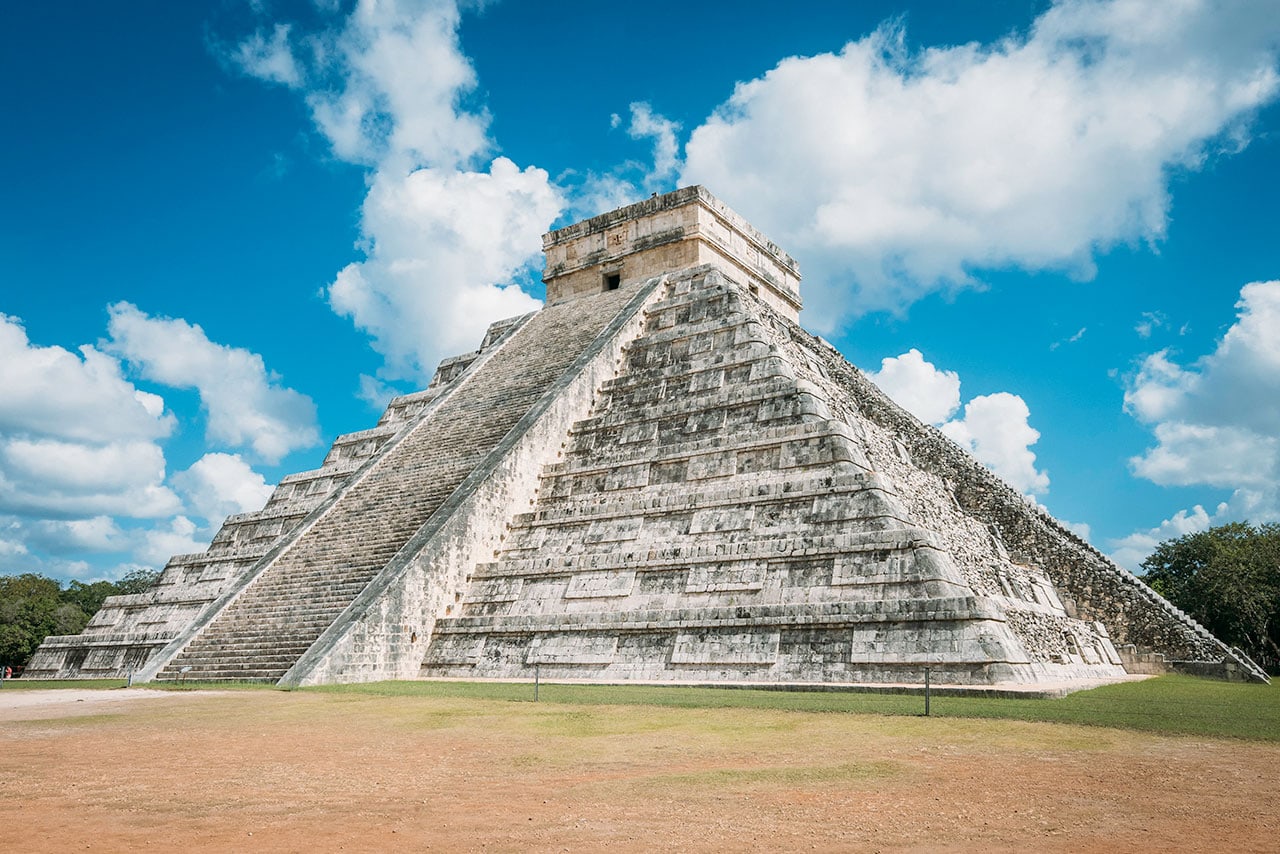
Chichen Itza: A UNESCO World Heritage site and one of the New7Wonders of the World, Chichen Itza is arguably Mexico’s most iconic ruin. Dominated by the majestic El Castillo (the Temple of Kukulcan), a precisely engineered pyramid that acts as a giant calendar, aligning perfectly with the equinoxes to cast a serpent shadow. Beyond the pyramid, visitors can explore the largest Great Ball Court in Mesoamerica, where ancient ritual games were played, the intricate Temple of the Warriors, and the eerie Sacred Cenote, a natural sinkhole used for sacrifices. Chichen Itza offers a comprehensive look at the late Classic to early Postclassic Maya, showcasing a blend of Puuc, Chenes, and Toltec influences.
Palenque: Nestled deep within the lush rainforests of Chiapas, Palenque offers a dramatically different and arguably more mystical experience. Its exquisitely carved temples and palaces emerge from the verdant jungle, often shrouded in mist. The Temple of the Inscriptions, containing the sarcophagus of the great ruler Pakal the Great, is a masterpiece of Maya funerary architecture and art. The Palace, with its unique four-story tower, and the Temple of the Cross group reveal stunning stucco work and hieroglyphic inscriptions that chronicle the city’s history. Palenque’s intimacy with nature, combined with its artistic sophistication, makes it an unforgettable destination.
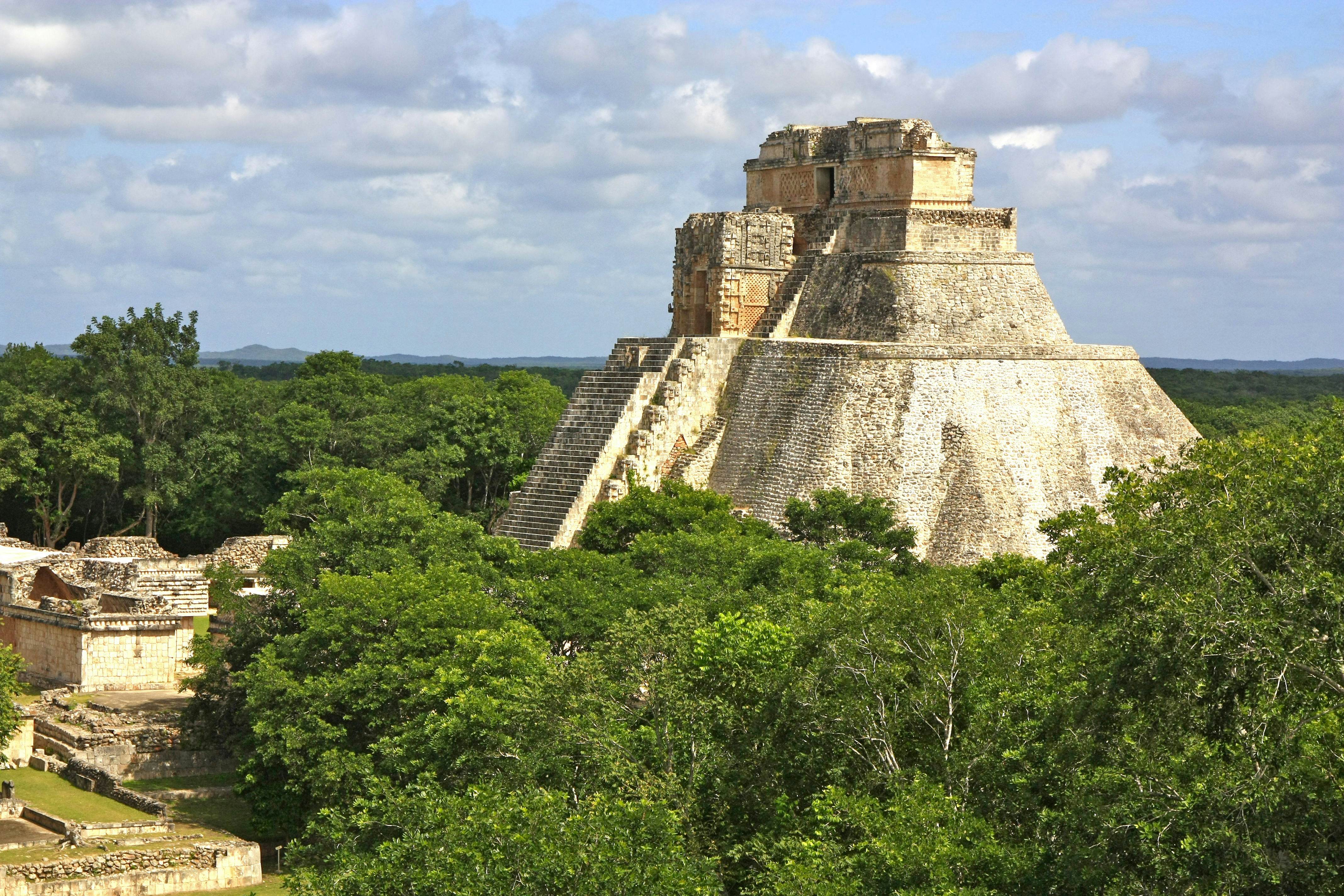
Uxmal: Another UNESCO site, Uxmal stands as a prime example of the Puuc architectural style, characterized by smooth lower walls and intricately decorated upper façades. The Pyramid of the Magician, with its unique oval base, dominates the site, while the Governor’s Palace is considered one of the most beautiful structures in ancient Mesoamerica. Uxmal’s aesthetic appeal lies in its harmonious proportions and detailed stone mosaics, often depicting geometric patterns and masks of the rain god Chaac. Its relative tranquility compared to Chichen Itza allows for a more contemplative exploration.
Tulum: Perched dramatically on a cliff overlooking the turquoise Caribbean Sea, Tulum is Mexico’s only major coastal Maya site. Though smaller than its inland counterparts, its breathtaking setting is unparalleled. The El Castillo here, while not as grand as Chichen Itza’s, served as a lighthouse and ceremonial center. The Temple of the Frescoes offers glimpses of surviving murals. Tulum provides a unique insight into a walled port city that thrived during the Postclassic period, connecting maritime trade with inland Maya networks. Its beauty makes it a favorite for photographers and those seeking a blend of history and stunning natural scenery.
The Grandeur of Central Mexico: Teotihuacan and the Aztecs
Moving into the high central plains of Mexico, we encounter civilizations known for their monumental scale and powerful urban centers.
Teotihuacan: A UNESCO World Heritage site located just an hour northeast of Mexico City, Teotihuacan is an awe-inspiring testament to ancient urban planning and architectural ambition. Flourishing between 100 BCE and 600 CE, it was once the largest city in the Americas, with a population estimated at over 125,000. The city’s heart is the Avenue of the Dead, a vast ceremonial thoroughfare flanked by monumental structures. The Pyramid of the Sun, one of the largest pyramids in the world, dominates the landscape, offering panoramic views from its summit. Nearby, the Pyramid of the Moon and the Ciudadela, which houses the Temple of the Feathered Serpent (Quetzalcoatl), showcase intricate carvings and a sophisticated understanding of urban design. Teotihuacan’s builders remain largely anonymous, adding to the city’s profound mystery.
Templo Mayor (Mexico City): In the bustling heart of modern Mexico City lies the Templo Mayor, the main temple of the Aztec capital, Tenochtitlan. Discovered beneath colonial buildings, this site offers a powerful contrast between ancient and modern. The temple was dedicated to two deities: Huitzilopochtli (god of war and sun) and Tlaloc (god of rain and agriculture). Visitors can explore the layers of successive temple constructions, marvel at the offerings excavated from its depths, and visit the adjacent museum which houses a staggering collection of Aztec artifacts, including the massive stone disk of Coyolxauhqui. It’s a poignant reminder of the powerful empire that once ruled from this very spot, before its destruction by the Spanish.
The Southern Highlands and Gulf Coast: Zapotec and Totonac Treasures
Venturing south and east from central Mexico reveals more diverse ancient cultures.
Monte Albán (Oaxaca): Perched atop an artificially leveled mountain ridge overlooking the Oaxaca Valley, Monte Albán is the ancient capital of the Zapotec people and a UNESCO World Heritage site. Active for over 1,500 years, it showcases a remarkable progression of architectural styles. Its grand plaza is surrounded by temples, palaces, and a unique observatory aligned with astronomical events. The Danzantes Gallery, featuring relief carvings of what appear to be mutilated captives or dancers, remains one of the site’s most intriguing mysteries. Monte Albán offers not only historical depth but also breathtaking panoramic views of the surrounding valleys, a testament to the Zapotec’s strategic brilliance.
El Tajín (Veracruz): Located in the humid lowlands of Veracruz, El Tajín is a significant Totonac city and a UNESCO World Heritage site. Its most distinctive structure is the Pyramid of the Niches, a unique seven-story pyramid with 365 niches, possibly representing the days of the solar year. The site is also notable for its numerous ball courts (there are 17, more than any other Mesoamerican site), underscoring the importance of the ritual ball game in Totonac culture. El Tajín’s intricate carvings and architectural distinctiveness set it apart, offering a glimpse into a less commonly explored Mesoamerican civilization.
Beyond the Beaten Path: For the Adventurous Explorer
For those seeking deeper immersion and a touch of adventure, Mexico offers several remote and spectacular sites.
Calakmul (Campeche): Deep within the Calakmul Biosphere Reserve, near the Guatemalan border, lies the colossal Maya city of Calakmul, another UNESCO World Heritage site. This ancient metropolis, once a fierce rival of Tikal, boasts over 6,000 structures, though only a fraction are excavated. Climbing the colossal Structure II, one of the tallest Maya pyramids, rewards visitors with breathtaking views of the endless jungle canopy, often punctuated by the calls of howler monkeys and sightings of exotic birds. Calakmul is a journey into the wild heart of the Maya world, a truly immersive experience for those willing to make the effort.
Yaxchilan and Bonampak (Chiapas): Accessible primarily by boat along the Usumacinta River, Yaxchilan is renowned for its elaborate lintels and stelae depicting rulers and rituals. Its remote, jungle setting adds to its mystique. Nearby, Bonampak is famous for its remarkably preserved Maya murals, offering an unparalleled window into ancient Maya life, warfare, and ceremony with vivid colors and intricate details. Visiting these sites is an adventure in itself, often involving river travel and a sense of stepping back in time.
The Allure of Exploration: What Makes These Sites Special
Exploring Mexico’s ancient ruins is more than just sightseeing; it’s an opportunity for profound connection. The sheer scale of Teotihuacan, the artistic finesse of Palenque, the strategic placement of Monte Albán, or the serene beauty of Tulum all evoke a sense of wonder. Visitors can:
- Marvel at Architectural Genius: Understand how these ancient peoples constructed massive pyramids and intricate temples without modern tools.
- Decipher Ancient Wisdom: Glimpse their advanced understanding of astronomy, mathematics, and calendrical systems.
- Connect with History: Walk the same paths as kings, priests, and commoners, feeling the weight of millennia.
- Experience Nature’s Embrace: Many sites are integrated with stunning natural landscapes, from dense jungles to coastal cliffs, enhancing the sense of discovery.
- Ponder the Mysteries: Reflect on the rise and fall of these civilizations, their beliefs, and the unanswered questions that still surround them.
Navigating the Past: Tips for Responsible Exploration
To fully appreciate these invaluable historical sites, a few tips are essential:
- Hire a Certified Guide: Many sites offer knowledgeable local guides who can bring the history and mythology to life with fascinating stories and insights.
- Respect the Sites: These are sacred historical places. Do not climb on restricted areas, touch carvings, or remove any artifacts.
- Stay Hydrated and Protected: Mexico’s sun can be intense. Carry plenty of water, wear a hat, sunglasses, and sunscreen.
- Wear Comfortable Footwear: You’ll be doing a lot of walking, often on uneven terrain or climbing steep steps.
- Visit Early: Arriving early in the morning helps avoid the largest crowds and the midday heat, offering a more peaceful experience.
- Support Local Communities: Purchase souvenirs from local artisans and dine at local establishments to contribute directly to the local economy.
- Practice Sustainable Tourism: Minimize your environmental footprint and be mindful of the delicate ecosystems surrounding many of these sites.
Conclusion
Mexico’s ancient ruins are more than just stone structures; they are monuments to human ingenuity, resilience, and the eternal quest for understanding the cosmos. Each site tells a unique story, offering fragments of a grander narrative that continues to unfold with every new discovery. From the iconic wonders to the remote, jungle-shrouded secrets, the opportunity to explore these ancient civilizations is an invitation to step back in time, to walk among giants, and to connect with the profound legacy of Mesoamerica. It is a journey that promises not just historical knowledge, but a deep and lasting sense of awe for the enduring spirit of human civilization. So pack your bags, open your mind, and prepare to be transported to a world where the echoes of eternity still resonate.