

Okay, here is an English article about exploring local markets in Kenya, aiming for approximately 1200 words.
Kenya’s Rhythmic Heartbeat: A Journey Through Its Vibrant Local Markets
Kenya, a land synonymous with breathtaking safaris, majestic wildlife, and stunning landscapes, holds another equally captivating treasure often overlooked by the casual tourist: its vibrant local markets. Far from the curated experiences of boutique shops, these bustling hubs are the true rhythmic heartbeat of the nation, offering an unfiltered immersion into the country’s culture, economy, and daily life. To truly understand Kenya, one must step off the well-trodden path and delve into the sensory symphony of its markets.
More Than Just Commerce: A Cultural Tapestry
Local markets in Kenya are not merely places of transaction; they are dynamic social epicenters. They are where communities converge, stories are exchanged, gossip is shared, and traditions are upheld. The air crackles with energy – a vibrant cacophony of vendors calling out their wares, the friendly banter of haggling, the rustle of fabrics, and the aromatic blend of fresh produce, spices, and sizzling street food. It’s a place where the pulse of Kenyan life beats strongest, offering an authentic glimpse into the nation’s diverse heritage.
From the sprawling, permanent structures in major cities to the transient, weekly pop-up markets in rural towns, each market possesses its own unique character, reflecting the distinct flavors and customs of its locale. For the intrepid traveler, exploring these markets is an adventure for all five senses, promising discoveries that go far beyond any souvenir.
A Feast for the Senses: What You’ll Encounter
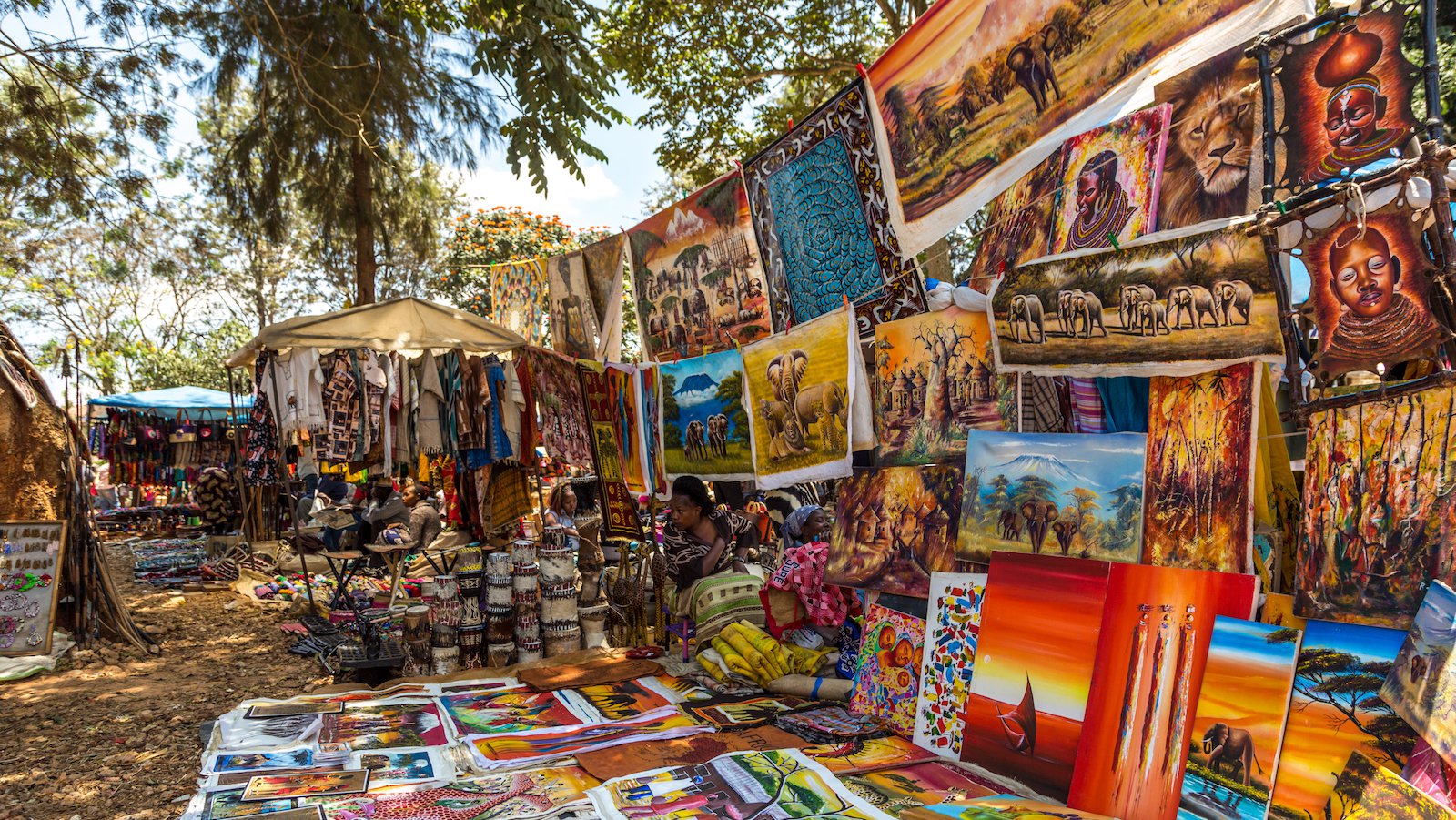
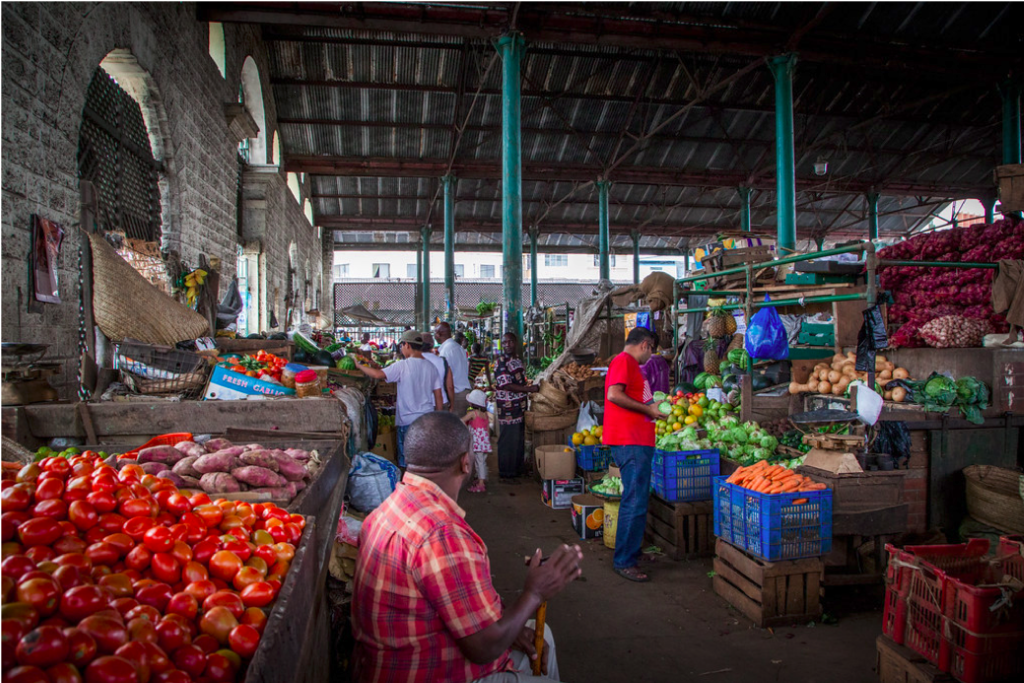
Stepping into a Kenyan market is an immediate assault, in the most delightful way, on your senses. Visually, it’s an explosion of colour: pyramids of ripe mangoes, avocados, and bananas; sacks overflowing with vibrant green sukuma wiki (collard greens); the earthy reds and browns of pottery; the intricate patterns of Maasai beadwork; and the kaleidoscopic hues of kitenge and kanga fabrics.
The sounds are equally captivating. The insistent yet good-natured calls of vendors ("Karibu! Karibu! Come, see what I have!"), the clatter of pots and pans, the rhythmic chop of a butcher’s knife, the chattering of shoppers, and sometimes, the distant strains of local music, all blend into an unforgettable soundtrack.
And then there are the smells. The sweet perfume of exotic fruits mingles with the pungent aroma of spices like cumin, cardamom, and ginger. The earthy scent of fresh soil clings to root vegetables, while the smoky tang of roasting maize or nyama choma (grilled meat) wafts from food stalls, promising delectable treats. It’s an olfactory journey that tells its own story of Kenya’s agricultural bounty and culinary traditions.
The Kaleidoscope of Goods: From Farm to Craft
The sheer variety of goods available in Kenyan markets is astounding, catering to every imaginable need and desire.
1. Agricultural Abundance: At the heart of most markets is the produce section. Kenya’s fertile lands yield an incredible array of fruits and vegetables. You’ll find staples like maize, beans, potatoes, and cassava alongside tropical delights such as passion fruit, tree tomatoes (tamarillo), guavas, and rambutan. Fresh herbs, chilies, and a vast selection of spices are also readily available, often at prices significantly lower than supermarkets. This is where local families source their daily meals, and where the freshest ingredients for Kenyan cuisine are found.
2. Artisan Crafts and Souvenirs: For visitors, the craft sections are particularly alluring. Here, skilled artisans display their exquisite creations:
- Maasai Beadwork: Intricate, colourful necklaces, bracelets, and ornaments, each telling a story through its patterns and colours.
- Wood Carvings: From small animal figurines to elaborate tribal masks and furniture, often made from local hardwoods like ebony or mahogany.
- Kiondos: Hand-woven sisal or baobab fibre baskets, celebrated for their durability and beauty, often dyed in vibrant colours or adorned with leather straps.
- Kitenge and Kanga Fabrics: Brightly patterned cotton fabrics used for clothing, wraps, and home decor, often featuring Swahili proverbs or symbols.
- Soapstone Carvings: Delicate sculptures from Kisii, depicting human figures, animals, or abstract forms.
- Leather Goods: Handbags, sandals, and belts crafted from local leather.
3. Textiles and Fashion: Beyond traditional fabrics, markets also offer a wide range of clothing, from locally tailored outfits to "mitumba" – second-hand clothing imported from Western countries, which form a significant part of the fashion economy for many Kenyans.
4. Household Goods and More: From cooking utensils and cleaning supplies to electronics and hardware, local markets truly are one-stop shops for everyday necessities, often at competitive prices. You might even stumble upon unique antique items or collectibles.
Key Markets to Explore
While every town has its own market, some stand out for their size, specialization, or cultural significance:
1. Maasai Market (Nairobi): This is perhaps the most famous market for tourists, known for its incredible array of artisan crafts. What makes it unique is its nomadic nature – it rotates between various locations in Nairobi throughout the week (e.g., High Court parking lot on Saturdays, Yaya Centre on Sundays, Capital Centre on Thursdays). Here, you’ll find an overwhelming selection of Maasai beadwork, wood carvings, kiondos, paintings, and other souvenirs. It’s an excellent place to practice your haggling skills and interact directly with the artisans.
2. City Market (Nairobi): Located in the heart of Nairobi’s CBD, City Market is a more permanent and comprehensive establishment. It houses butchers, fishmongers, and a wide variety of fresh produce stalls on the ground floor, alongside a bustling section dedicated to curios, leather goods, and traditional Kenyan clothing on the upper levels. It offers a more traditional market experience than the tourist-centric Maasai Market, frequented by locals doing their daily shopping.
3. Gikomba Market (Nairobi): For the truly adventurous and those seeking an authentic, albeit overwhelming, local experience, Gikomba is Nairobi’s largest open-air market. It’s renowned for its "mitumba" (second-hand clothes) section, where bales of clothes are opened and sorted amidst a flurry of activity. But Gikomba is much more than just clothes; it’s a vast labyrinth selling everything imaginable – furniture, electronics, spare parts, fresh produce, and street food. It’s a sensory overload, requiring vigilance and a local guide is highly recommended, but it offers an unparalleled insight into the daily hustle of Nairobians.
4. Kongowea Market (Mombasa): As one of the largest markets in East Africa, Kongowea is Mombasa’s primary wholesale and retail market for fresh produce, seafood, and household goods. Its coastal location means an abundance of fresh fish, prawns, and other seafood, alongside exotic spices that reflect the Swahili culinary heritage. It’s a sprawling, vibrant market that captures the unique blend of African, Arab, and Indian influences prevalent in Mombasa.
5. Marikiti Market (Mombasa): Also known as Mackinnon Market, Marikiti is a historical market in Mombasa’s Old Town. While smaller than Kongowea, it’s famous for its spices, dried fish, and fresh produce, maintaining a more traditional, old-world charm. Its narrow alleys and historic architecture add to its unique appeal.
The Art of Haggling: A Cultural Exchange
Haggling is an integral part of the market experience in Kenya, not just a way to get a better price, but a social ritual. It’s a friendly negotiation, a dance between buyer and seller that builds rapport and respect.
Tips for Haggling:
- Start Low: A good rule of thumb is to offer about half of the initial asking price and then work your way up.
- Be Polite and Friendly: A smile, a joke, or a few Swahili phrases (like "Habari!" – Hello! or "Asante" – Thank you) go a long way.
- Don’t Be Afraid to Walk Away: If you can’t agree on a price, politely decline and move on. Often, the vendor will call you back with a better offer.
- Know Your Limit: Have a price in mind that you’re willing to pay.
- Don’t Be Too Aggressive: Remember, this is often someone’s livelihood. Aim for a fair price for both parties.
Tips for the Explorer: Navigating the Market
To fully enjoy your market experience, keep these tips in mind:
- Dress Modestly and Comfortably: Light, loose clothing is best. You’ll be doing a lot of walking.
- Carry Small Denominations: Vendors often struggle to make change for large bills.
- Watch Your Belongings: Keep your wallet, phone, and camera secure, especially in crowded areas. Consider a cross-body bag or a money belt.
- Go with a Local: If possible, visit with a Kenyan friend or a local guide. They can help with translation, haggling, and navigating the sometimes-confusing layouts.
- Learn Basic Swahili Phrases: Even a few words like "Jambo" (Hello), "Asante" (Thank you), "Bei gani?" (How much?), and "Ghali sana!" (Too expensive!) can enhance your interaction.
- Ask Before Photographing: Always ask for permission before taking photos of people, especially children. Some vendors may charge a small fee.
- Try Street Food (with Caution): Embrace the culinary adventure, but choose stalls that look clean and have a high turnover of customers. Roasted maize (mahindi choma), samosas, and mandazi (fried dough) are popular snacks.
- Be Open and Respectful: Embrace the chaos, the sounds, and the smells. It’s all part of the authentic experience.
Supporting Local Economies
Every purchase made in a local market has a direct and tangible impact on the lives of Kenyan farmers, artisans, and small business owners. By choosing to buy your souvenirs, fresh produce, or clothing from these markets, you are not just acquiring goods; you are directly contributing to the livelihoods of individuals and families, fostering local entrepreneurship, and helping to sustain traditional crafts and agricultural practices. It’s a powerful way to engage in responsible tourism and ensure that the benefits of your visit directly reach the local community.
Conclusion: An Unforgettable Tapestry of Life
Exploring Kenya’s local markets is an adventure that transcends typical tourism. It’s an opportunity to peel back the layers of a fascinating culture, to connect with its people, and to witness the vibrant rhythm of daily life unfold before your eyes. From the colourful chaos of Gikomba to the artisanal elegance of the Maasai Market, each market offers a unique narrative, a distinct flavour, and an unforgettable experience.
So, when planning your trip to Kenya, make sure to set aside time to wander through these bustling bazaars. Let the sights, sounds, and smells guide you. Engage with the vendors, try a new fruit, admire the craftsmanship, and allow yourself to be swept up in the rhythmic heartbeat of Kenya. You’ll leave not just with souvenirs, but with a deeper understanding and a richer appreciation for this incredible nation.