


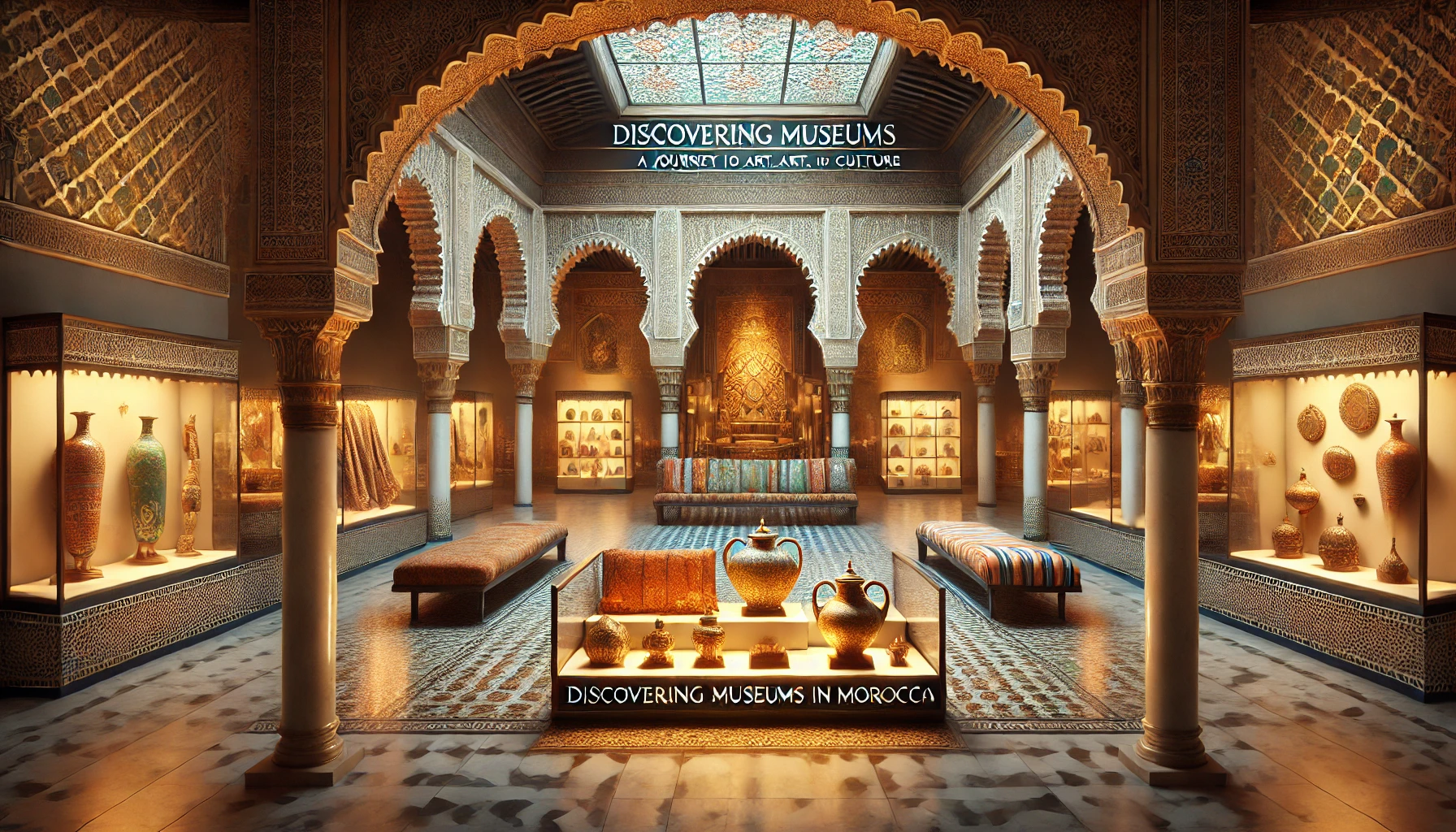
Unveiling Morocco’s Soul: A Journey Through Its Cultural Museums
Morocco, a land of vibrant contrasts, where ancient traditions gracefully intertwine with a burgeoning modernity, beckons travelers with its sun-drenched landscapes, bustling souks, and labyrinthine medinas. While the sensory overload of its streets offers an immediate immersion, a deeper understanding of this North African jewel lies within the hallowed halls of its cultural museums. These institutions are not mere repositories of artifacts; they are storytellers, chronicling the rich tapestry of Moroccan history, artistry, and identity – a magnificent blend of Amazigh, Arab, Andalusian, and even Saharan influences.
To truly explore Morocco is to delve into its past and present through these curated windows into its soul. From the imperial grandeur of Fes and Marrakech to the coastal breezes of Essaouira and the metropolitan pulse of Casablanca, each city offers a unique array of museums that illuminate different facets of the kingdom’s multifaceted heritage.
The Imperial Cities: Heartlands of Heritage
The ancient imperial cities stand as the bedrock of Moroccan culture, and their museums are indispensable for anyone seeking to grasp the country’s historical depth and artistic prowess.
Fes: The Spiritual and Intellectual Core
Fes, often considered the spiritual and intellectual heart of Morocco, is a city where time seems to stand still. Its medina, a UNESCO World Heritage site, is a living museum in itself, but its dedicated institutions offer crucial context.
-
The Nejjarine Museum of Wooden Arts & Crafts (Musée Nejjarine des Arts et Métiers du Bois): Housed in a beautifully restored 18th-century caravanserai (fondouk) in the heart of the carpenters’ souk, this museum is a testament to Fes’s enduring legacy of craftsmanship. Visitors are treated to an exquisite collection of antique wooden tools, intricately carved doors, musical instruments, and cedarwood furniture. The building itself is a masterpiece, with its multi-story courtyard, ornate plasterwork, and carved wooden balconies. It not only showcases the products of woodworking but also the process and the vital role this craft played in Moroccan life and architecture. The panoramic views of the medina from its rooftop café are an added bonus, offering a moment of tranquility amidst the bustling city.
-
Dar Batha Museum (Musée du Batha): Located in a beautiful Hispano-Moorish palace built in the late 19th century, the Dar Batha Museum is a quintessential Fassi experience. It boasts a comprehensive collection of traditional Moroccan arts and crafts, including intricate zellige (tilework), exquisite embroidery, traditional carpets, ancient astrolabes, and a remarkable array of ceramics, particularly the famous blue Fassi pottery. The museum’s tranquil Andalusian garden, with its fragrant orange trees and cooling fountains, provides a serene escape and a perfect backdrop for contemplating the beauty within. It effectively encapsulates the refined aesthetic that defined Fassi aristocratic life.
Marrakech: The Red City’s Vibrant Pulse
Marrakech, the "Red City," is a kaleidoscope of colors, sounds, and scents. Its museums are as diverse as its vibrant personality, ranging from ancient artifacts to modern art and fashion.
-
Musée Dar Si Said (Museum of Moroccan Arts & Crafts): This grand palace, once the residence of a wealthy minister, is a treasure trove of Moroccan decorative arts. It features an extensive collection of jewelry, textiles, leatherwork, ceramics, and weaponry from across the country, with a particular focus on Amazigh (Berber) artifacts. The palace’s stunning architecture, complete with intricate carved cedar ceilings, painted doors, and tranquil courtyards, is as much an exhibit as the collections themselves. It offers a panoramic view of the traditional Moroccan home and its adornments, highlighting the aesthetic principles that govern domestic life.
-
Musée Yves Saint Laurent (mYSLm): A striking example of modern architecture, the mYSLm is a relatively new addition to Marrakech’s cultural scene, celebrating the enduring legacy of the iconic French designer Yves Saint Laurent and his deep connection to Morocco. Beyond showcasing his groundbreaking fashion designs, the museum delves into his creative process, his inspirations drawn from Moroccan culture, and the influence of the country’s colors and light on his work. It also houses a research library, an auditorium, and a temporary exhibition space, positioning it as a dynamic hub for art, fashion, and culture. It beautifully illustrates how Morocco has inspired global creativity.
-
Musée de la Photographie de Marrakech (Marrakech Museum of Photography): Tucked away in a beautifully restored riad, this museum offers a captivating journey through Moroccan history from the late 19th century to the 1950s, entirely through the lens of photography. Its collection of rare black-and-white photographs, glass plates, and documentaries provides invaluable insights into daily life, landscapes, and historical events that shaped modern Morocco. It’s a poignant and often intimate look at a bygone era, allowing visitors to connect with the faces and places of the past.
-
Musée Tiskiwin (Bert Flint Museum): Founded by the Dutch anthropologist Bert Flint, this unique museum is a personal collection that explores the cultural links between Morocco, the Sahara, and sub-Saharan Africa. Arranged geographically, each room represents a different region, showcasing textiles, jewelry, costumes, tools, and furniture from various tribes and communities. It’s a fascinating testament to the diverse ethnic makeup of Morocco and its historical role as a crossroads of civilizations, particularly emphasizing the rich heritage of the Amazigh people and their connections to the broader African continent.
Rabat: The Modern Capital, Ancient Roots
Rabat, the serene capital, offers a sophisticated blend of historical sites and contemporary cultural institutions, reflecting its dual role as a keeper of history and a forward-looking metropolis.
-
Museum Mohammed VI of Modern and Contemporary Art (MMVI): A landmark institution, the MMVI is the first large-scale museum in Morocco dedicated entirely to modern and contemporary art. Its sleek, modern architecture is a stark contrast to the traditional forms found elsewhere, yet it seamlessly integrates Moroccan design elements. The museum showcases works by Moroccan artists from the 20th century to the present day, providing a vital platform for national artistic expression and dialogue. It’s an essential visit for understanding Morocco’s evolving cultural identity and its place in the global art scene.
-
Museum of History and Civilizations (Musée d’Histoire et des Civilisations): Formerly the Rabat Archaeological Museum, this institution boasts an impressive collection of artifacts spanning prehistoric times to the Islamic era. Its most famous exhibits are undoubtedly the superb Roman bronzes, including the "Effigy of a Young Man" and the "Dog of Volubilis," recovered from the ancient Roman city of Volubilis. It offers a comprehensive chronological journey through the various civilizations that have left their mark on Moroccan soil, from Phoenicians and Romans to Berbers and Arabs.
-
Oudayas Museum (Musée des Oudayas): Located within the picturesque Kasbah des Oudayas, this museum, housed in an 18th-century palace built by Sultan Moulay Ismail, focuses on Moroccan folk art. It features a collection of traditional costumes, musical instruments, ceramics, jewelry, and carpets, primarily from the Amazigh communities. Its setting within the historic kasbah, with its stunning gardens and views of the Bou Regreg river, enhances the experience, allowing visitors to connect the artifacts with the historical context of their creation.
Meknes: A Lesser-Known Gem
Meknes, another imperial city, often overshadowed by Fes and Marrakech, still holds its own cultural treasures.
- Dar Jamaï Museum: Housed in a beautiful late 19th-century palace that once belonged to the influential Jamaï family, this museum showcases traditional Moroccan arts and crafts. Its collection includes regional textiles, ceramics, jewelry, and exquisite wooden artifacts, providing insight into the rich cultural heritage of Meknes and its surrounding areas. The palace itself, with its ornate courtyards and intricate decorations, is a splendid example of Moroccan architecture of its era.
Coastal Charms & Northern Narratives
Beyond the imperial cities, Morocco’s coastal towns and northern regions also house significant cultural institutions that reflect their unique histories and influences.
Tangier: Gateway to Africa and Europe
Tangier, with its strategic position at the crossroads of two continents, has a rich and complex history reflected in its museums.
-
Musée de la Kasbah (Museum of Moroccan Arts and Antiquities): Located in the former Sultan’s Palace (Dar el Makhzen) within the Kasbah, this museum offers a sweeping overview of Moroccan history and culture. Its collection ranges from prehistoric tools and Roman artifacts to Islamic-era ceramics, mosaics, and weaponry. The palace’s architecture, with its beautiful courtyards and intricate decorations, provides a fitting setting for these historical treasures.
-
American Legation Museum: A unique and historically significant institution, this museum is housed in the building that was the first American public property outside the United States, given to the US in 1821 by Sultan Moulay Suliman. It chronicles the long-standing diplomatic relationship between Morocco and the United States, showcases Moroccan art, and features a fascinating collection of books and memorabilia related to the "Beat Generation" writers (like Paul Bowles and William S. Burroughs) who lived in Tangier. It offers a fascinating glimpse into a lesser-known aspect of Moroccan international relations and cultural exchange.
Essaouira: Wind, Art, and Mysticism
Essaouira, the charming coastal city known for its vibrant art scene and gnaoua music, also offers insights into its local history.
- Sidi Mohammed Ben Abdallah Museum: Located in a former pasha’s residence, this museum is dedicated to the history and ethnography of Essaouira and its region. It features a collection of musical instruments, Amazigh jewelry, costumes, weaponry, and artifacts related to the city’s maritime past and its rich artisanal traditions, particularly thuya wood carving. It provides a valuable context for understanding the unique cultural identity of this wind-swept port city.
Casablanca: The Economic Heartbeat
While often seen as a modern economic hub, Casablanca also preserves its cultural heritage and fosters contemporary art.
-
Villa des Arts: This elegant Art Deco villa, now a museum, is dedicated to showcasing Moroccan contemporary art. It hosts rotating exhibitions of paintings, sculptures, and installations by established and emerging Moroccan artists, providing a dynamic platform for modern artistic expression. It highlights Casablanca’s role as a center for contemporary creativity.
-
Abderrahman Slaoui Museum: A private museum housed in a beautifully restored villa, it showcases the eclectic collection of its founder, Abderrahman Slaoui. The exhibits include traditional Moroccan jewelry, antique posters, orientalist paintings, crystal objects, and historical documents. It offers a glimpse into Moroccan art and craftsmanship from a private collector’s perspective, emphasizing beauty and aesthetic appreciation across various forms.
Beyond the Walls: The Experiential Dimension
Visiting these cultural museums in Morocco is more than just observing artifacts; it’s an immersive experience that deepens one’s understanding of the country’s soul. As you wander through the bustling souks, the intricate patterns of a zellige fountain will resonate more profoundly after seeing its historical evolution in a museum. The vibrant colors of a carpet will tell a richer story once you’ve learned about regional weaving techniques. The rhythm of traditional music will carry more meaning after encountering ancient instruments.
These museums provide the narrative framework, the historical context, and the artistic vocabulary to truly appreciate the living tapestry of Moroccan culture that unfolds outside their doors. They connect the past to the present, showing how ancient traditions continue to inform contemporary life and art.
Practical Tips for Museum Exploration
- Check Hours: Museum opening hours can vary, especially during holidays or Ramadan. Always check beforehand.
- Guided Tours: Some museums offer guided tours, which can significantly enhance your understanding of the collections.
- Photography: Be mindful of photography rules; some museums prohibit it or require a small fee.
- Combine Visits: Many museums are located near other historical sites or attractions, making it easy to combine your cultural exploration.
- Dress Respectfully: While generally less strict than mosques, modest attire is always appreciated in cultural institutions.
Conclusion
Morocco’s cultural museums are indispensable keys to unlocking the kingdom’s profound beauty and complex identity. They are custodians of stories, guardians of craftsmanship, and vibrant showcases of artistic evolution. From the intricate woodwork of Fes to the contemporary canvases of Rabat, from the ancient bronzes of Volubilis to the fashion statements inspired by Marrakech, these institutions offer a panoramic journey through a civilization shaped by centuries of cultural exchange and innovation.
To explore Morocco’s museums is to embark on an intellectual and emotional odyssey, connecting with the hands that crafted its heritage, the minds that conceived its art, and the spirit that continues to define this extraordinary land. It is an invitation to move beyond the surface and truly understand the vibrant, enduring soul of Morocco.
