

Beyond the Beaten Path: Exploring Unexplored Hiking Routes in Turkey
Turkey, a land where East meets West, is renowned for its vibrant culture, ancient history, and stunning landscapes. While its popular destinations like Cappadocia’s fairy chimneys, the Lycian Way’s coastal trails, and the bustling Grand Bazaar attract millions, a vast and wilder Turkey awaits those daring enough to venture beyond the well-trodden paths. For the intrepid hiker, Turkey offers an unparalleled opportunity to explore truly unexplored routes, to walk where few tourists have trod, and to discover landscapes and cultures untouched by mass tourism.
This article delves into the allure, challenges, and immense rewards of pioneering new hiking experiences in Turkey’s hidden corners, guiding you through the spirit of adventure that defines true exploration.
The Allure of the Unknown: Why Seek Unexplored Trails?
In an increasingly connected and mapped world, the concept of "unexplored" holds a powerful mystique. For hikers, it’s not merely about physical challenge; it’s a quest for authenticity, solitude, and discovery. To step onto a path that doesn’t appear on mainstream maps, or to navigate by instinct and local knowledge, offers a profound sense of connection with nature and a unique perspective on a country’s soul.
Unexplored trails in Turkey promise:
- True Solitude: Escape the crowds and find peace in pristine wilderness, where the only sounds are the wind, wildlife, and your own footsteps.
- Unadulterated Nature: Witness landscapes in their rawest form – ancient forests, alpine meadows, dramatic canyons, and crystal-clear lakes that remain untouched by human development.
- Authentic Cultural Encounters: Engage with local communities, particularly nomadic shepherds (yaylacı) or remote villagers, whose hospitality and way of life have remained unchanged for centuries. These are encounters far removed from the curated experiences of tourist hubs.
- The Thrill of Discovery: Every turn can reveal a hidden waterfall, a forgotten ancient ruin, or a panoramic vista known only to a handful of locals. It’s an opportunity to create your own trail, leaving your mark not physically, but through personal experience and memory.
- Personal Growth: Navigating unknown terrain, relying on your wits, and overcoming unexpected challenges fosters resilience, self-reliance, and a deeper understanding of your own capabilities.
Why Turkey is a Prime Candidate for Pioneering Hikes
Turkey’s unique geographical position, vast size, and diverse topography make it an ideal playground for off-grid exploration. While countries in Western Europe have extensive, well-marked trail networks, much of Turkey’s interior and mountainous regions remain largely undocumented for international hikers.
Here’s why Turkey stands out:
- Geographical Diversity: From the snow-capped peaks of the Kaçkar Mountains in the northeast, resembling the Alps, to the rugged, sun-baked canyons of the Taurus range stretching across the south, and the volcanic landscapes of Eastern Anatolia, Turkey offers every conceivable terrain.
- Rich History & Archaeology: Almost every region holds remnants of ancient civilizations – Hittite, Roman, Byzantine, Seljuk, Ottoman. Unexplored trails often lead to forgotten cities, rock-cut churches, or ancient caravan routes waiting to be rediscovered.
- Vast Wilderness Areas: Large swaths of the country are sparsely populated, especially in the east and central Anatolian highlands, providing ample space for multi-day, self-supported expeditions.
- Developing Tourism Infrastructure: While popular areas are well-served, the focus of Turkish tourism has historically been on coastal resorts and cultural sites. Hiking, especially off-trail, is a growing but still niche interest, leaving vast areas largely untouched by organized tours.
- Warm Hospitality: Turks are renowned for their hospitality. Even in the most remote villages, you’re likely to be offered tea (çay) or a meal, providing invaluable local insights and assistance.
Defining "Unexplored" in the Turkish Context
It’s important to clarify what "unexplored" means in practice. It rarely implies trekking through absolutely virgin wilderness where no human has ever set foot. Instead, it typically refers to:
- Lack of Official Marking: Trails are not signposted, blazed, or maintained by any official body.
- Absence of Published Guides/Maps: Routes are not detailed in guidebooks, online hiking platforms, or readily available topographic maps for hikers.
- Limited Local Knowledge (for outsiders): While locals (shepherds, hunters, villagers) undoubtedly know the land, their knowledge is often passed down orally and not easily accessible to foreign hikers without direct interaction.
- Infrequent Human Traffic: Even if locals use certain paths, they are not frequently used by hikers or trekkers, maintaining their wild character.
These are routes where satellite imagery, detailed topographic maps, and advanced GPS skills become your primary guides, supplemented by local wisdom.
Key Regions Ripe for Exploration
While virtually any remote mountainous or forested area in Turkey holds potential, certain regions stand out for their potential for multi-day, challenging, and truly exploratory hikes:
-
The Kaçkar Mountains (Eastern Black Sea Region): Often dubbed "Turkey’s Alps," the Kaçkars are a formidable range characterized by jagged peaks, glacial lakes, deep valleys, and lush forests. While some established trekking routes exist (e.g., between Ayder and Yaylalar), vast areas remain undocumented.
- What to Expect: High alpine passes, challenging ascents, encounters with nomadic yaylacı (plateau dwellers) and their herds, pristine lakes, and dramatic weather shifts. The valleys are incredibly green, transitioning to bare rock at higher elevations.
- Exploration Potential: Linking remote yaylas via undocumented passes, exploring side valleys, discovering hidden waterfalls, and attempting first ascents or traverses of lesser-known peaks.
-
Central and Eastern Taurus Mountains (Mediterranean Hinterland): This massive mountain range forms a formidable barrier between the Mediterranean coast and the Anatolian plateau. The central and eastern parts, particularly in provinces like Mersin, Adana, Niğde, and Kahramanmaraş, are incredibly rugged and remote.
- What to Expect: Deep canyons (like Göksu Canyon or Kapuzbaşı Waterfalls area), dramatic limestone formations, ancient caravan routes, forgotten villages, and a sense of profound isolation. Some areas are home to brown bears and wolves.
- Exploration Potential: Tracing ancient Roman roads, exploring vast canyon systems, connecting remote villages via high mountain passes, and seeking out hidden caves or archaeological sites.
-
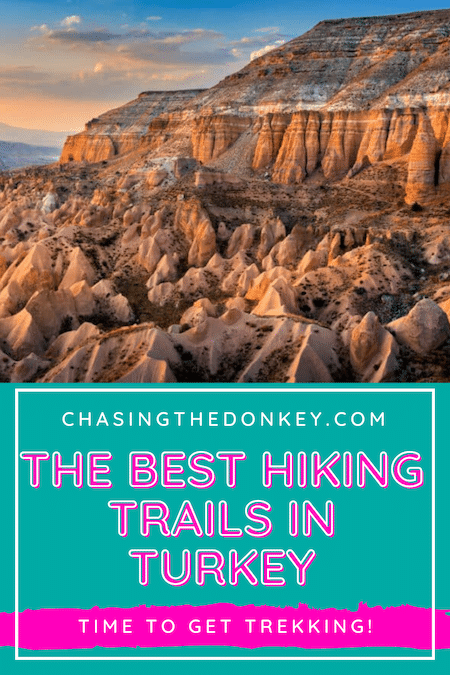
Beyond Cappadocia’s Popular Valleys: While Cappadocia is famous for its "fairy chimney" valleys, most tourists stick to Göreme, Uçhisar, and Ihlara Valley. However, the region’s unique geology extends much further.
- What to Expect: A labyrinth of less-visited valleys, rock-cut churches and monasteries hidden in remote canyons, and ancient underground cities far from the main tourist circuit.
- Exploration Potential: Multi-day traverses linking remote villages and ancient sites, finding new paths between volcanic cones, and discovering pristine cave dwellings.
-
Remote Aegean and Mediterranean Hinterlands: Away from the popular coastal resorts and the Lycian Way, the interior mountains of the Aegean and Mediterranean regions hold numerous forgotten ancient cities and unmarked shepherd trails.
- What to Expect: Mediterranean scrubland giving way to pine forests, dramatic coastal views from high ridges, and the ruins of lesser-known Lycian, Carian, or Pisidian cities.
- Exploration Potential: Tracing ancient trade routes between forgotten cities, exploring the extensive network of shepherd paths, and discovering remote coves.
-
Eastern Anatolia (e.g., Munzur Valley, Ağrı Dağı (Mount Ararat) hinterland): This vast, high-altitude region is less accessible and generally more challenging due to extreme weather and vast distances.
- What to Expect: High plateaus, vast steppes, dramatic volcanic peaks (like Nemrut Dağı in Bitlis or Süphan Dağı), and a stark, awe-inspiring beauty. This region requires significant logistical planning.
- Exploration Potential: Expeditions around the base of major volcanoes, traverses of high plateaus, and explorations of remote valleys where traditional life continues unchanged.
The Practicalities and Perils of Pioneering
Embarking on an unexplored hike in Turkey is not for the faint of heart or the unprepared. It demands meticulous planning, advanced outdoor skills, and a strong sense of self-reliance.
-
Preparation is Paramount:
- Navigation: Absolutely essential. Rely on multiple methods:
- Offline Maps: Detailed topographic maps (e.g., from military surveys, if accessible, or OpenStreetMap data) downloaded to a reliable GPS device and smartphone.
- GPS Skills: Proficiency in using GPS for route planning, waypoint marking, and off-trail navigation.
- Satellite Imagery: Google Earth or similar tools are invaluable for pre-trip scouting of terrain, potential obstacles, and possible routes.
- Compass & Map: A traditional compass and physical map as backup.
- Route Planning: Spend extensive time researching potential routes, checking terrain features, elevation changes, water sources, and possible escape routes.
- Physical Fitness: These are often demanding, multi-day treks over rough terrain, requiring excellent physical conditioning.
- Local Insights: If possible, try to connect with local guides or villagers beforehand. Their knowledge of water sources, safe passages, and local customs is invaluable.
- Permits: For some sensitive border regions or national parks, permits might be required. Research thoroughly.
- Navigation: Absolutely essential. Rely on multiple methods:
-
Essential Gear for Self-Sufficiency:
- Shelter: A sturdy tent capable of handling varied weather conditions.
- Food & Water: Carry sufficient food for the entire duration, plus emergency rations. A reliable water filter or purification tablets are crucial, as natural water sources can be scarce or contaminated.
- First Aid Kit: Comprehensive, including personal medications, blister treatment, and emergency supplies.
- Communication: A satellite phone or personal locator beacon (PLB) is highly recommended for emergencies, as mobile phone reception will be non-existent in many remote areas.
- Appropriate Clothing: Layers for varying temperatures, rain gear, sturdy hiking boots.
- Bear Canister/Bag: In areas with wildlife (bears, wolves), proper food storage is essential.
-
Safety Considerations:
- Weather: Mountain weather can change rapidly. Be prepared for sudden storms, fog, snow (even in summer at high altitudes), and extreme temperatures.
- Wildlife: Encounters with bears, wolves, wild boars, and venomous snakes are possible, especially in the Taurus and Kaçkar regions. Know how to react.
- Getting Lost: The primary risk. Double-check navigation constantly. If unsure, backtrack.
- Solo vs. Group: For truly unexplored routes, hiking with an experienced partner or a small, well-prepared group is highly advisable.
- Inform Others: Always leave a detailed itinerary with someone reliable who can initiate a search if you don’t check in.
-
Respecting Environment and Culture:
- Leave No Trace: Practice strict Leave No Trace principles. Pack out everything you pack in, minimize impact on trails and campsites, and respect wildlife.
- Cultural Sensitivity: When encountering locals, be respectful of their customs and traditions. Ask for permission before taking photos, and be prepared to share a cup of tea. Learning a few basic Turkish phrases will go a long way.
The Rewards of the Trek
Despite the challenges, the rewards of exploring Turkey’s uncharted hiking routes are immeasurable. Imagine:
- Waking up to a sunrise over a pristine alpine lake, with no one else for miles.
- Discovering a forgotten ancient bridge or a rock-cut church, untouched by tourists.
- Sharing a meal with a shepherd family in their yayla, communicating through gestures and smiles.
- The profound satisfaction of navigating successfully through complex terrain using only your skills and wits.
- Witnessing the raw, untamed beauty of a country that offers so much more than its postcards suggest.
These are not just hikes; they are expeditions into the heart of a wild and ancient land, offering an intimate connection with nature, history, and the human spirit.
Conclusion
Turkey stands as a frontier for the adventurous hiker, a vast landscape teeming with potential for discovery beyond its famous trails. While the established routes like the Lycian Way offer beauty and accessibility, the true magic lies in the uncharted territories – the remote valleys of the Kaçkars, the rugged canyons of the Taurus, and the forgotten paths of Anatolia.
Embarking on an unexplored hike in Turkey is an invitation to challenge yourself, to embrace the unknown, and to forge a deeper, more authentic connection with one of the world’s most captivating countries. It requires meticulous preparation, unwavering resilience, and a profound respect for both nature and culture. But for those willing to answer the call of the wild, the rewards are immeasurable: a journey of personal growth, unparalleled natural beauty, and the unforgettable thrill of walking where few others have dared to tread. Turkey’s unexplored trails are not just paths; they are gateways to adventure, waiting to be written into your own epic story.