


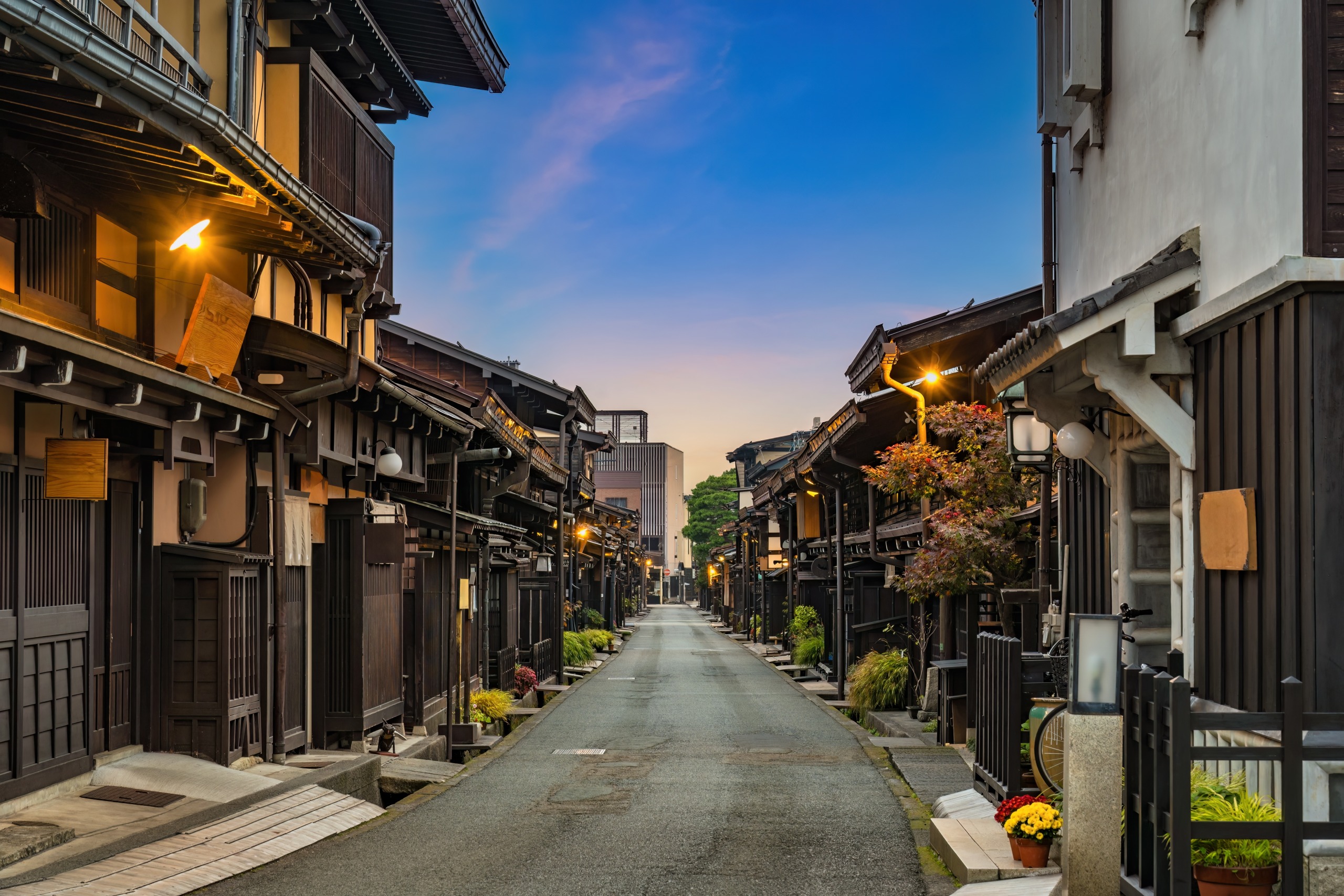
Whispers of a Bygone Era: Unveiling Japan’s Hidden Historical Towns
Japan, a land where ancient traditions gracefully intertwine with cutting-edge modernity, is renowned for its bustling metropolises like Tokyo and its iconic cultural centers such as Kyoto and Nara. Millions flock to witness the dazzling neon lights, the serene beauty of Zen gardens, and the vibrant energy of its temples and shrines. Yet, beyond these well-trodden paths lies another Japan – a Japan where time seems to slow, where the echoes of samurai, merchants, and artisans still resonate through cobblestone lanes and centuries-old wooden structures. These are Japan’s hidden historical towns, forgotten by the mainstream tourist circuit but offering an unparalleled window into the nation’s rich and complex past.
Venturing into these lesser-known enclaves is to embark on a journey of discovery, an escape from the crowds into pockets of authenticity. Here, traditional architecture stands unmarred by modern developments, local customs thrive with genuine warmth, and the rhythm of life adheres to an ancient cadence. For the discerning traveler seeking a deeper connection with Japan’s soul, these towns are not merely destinations; they are immersive experiences, living museums that reveal the heart of Japanese heritage.
The Allure of the Undiscovered: Why Seek Them Out?
What makes these hidden gems so captivating? Firstly, it’s the sheer sense of discovery. While Kyoto’s temples are undeniably magnificent, navigating them amidst a sea of fellow tourists can sometimes detract from the contemplative experience. In contrast, the quiet lanes of a hidden historical town offer a rare intimacy, allowing visitors to absorb the atmosphere, ponder the history, and interact with locals on a more personal level.
Secondly, these towns are often impeccably preserved. Unlike larger cities that have undergone extensive modernization, many smaller towns have deliberately chosen to protect their historical integrity. This commitment to preservation means that entire districts, sometimes whole towns, exist as time capsules, offering a vivid, three-dimensional representation of past eras – be it the Edo period (1603-1868), the Meiji Restoration (1868-1912), or even earlier feudal times.
Finally, the journey itself becomes part of the adventure. Reaching some of these towns might require a bit more planning, perhaps a scenic train ride followed by a local bus or even a hike. This extra effort is invariably rewarded with breathtaking landscapes, unique culinary delights, and the profound satisfaction of having truly explored beyond the surface.
Let us now embark on a virtual tour of some of Japan’s most enchanting hidden historical towns, each offering its own unique narrative and charm.
Ōuchi-juku, Fukushima: A Post Town Frozen in Time
Nestled deep in the mountains of Fukushima Prefecture, Ōuchi-juku is arguably one of Japan’s most picturesque and best-preserved post towns. During the Edo period, it served as a vital stop along the Aizu Nishi Kaido trade route, connecting Aizu with Nikko. Today, its main street is lined with dozens of thatched-roof houses (kayabuki), many of which have been converted into traditional restaurants, souvenir shops, and minshuku (family-run inns).
Walking down the unpaved main street, flanked by these rustic, perfectly maintained buildings, feels like stepping directly into a scene from a historical drama. Modern conveniences are discreetly hidden, maintaining the illusion of a bygone era. A must-try local specialty is negi soba, where the noodles are eaten using a large spring onion as a utensil, adding a quirky and memorable touch to the dining experience. In winter, the town transforms into a fairytale landscape, blanketed in thick snow, making its thatched roofs appear even more magical. The collective effort of the residents to preserve Ōuchi-juku’s authentic Edo-era charm is truly commendable, making it a powerful testament to Japan’s dedication to its heritage.
Kakunodate, Akita: The Samurai Town of Tohoku
Further north in Akita Prefecture lies Kakunodate, often referred to as the "Little Kyoto of Tohoku" due to its remarkably preserved samurai district. Unlike Kyoto’s temples, Kakunodate’s charm lies in its bukeyashiki – stately samurai residences with their distinctive black earthen walls, grand gates, and sprawling gardens. These homes, many still privately owned but with some open to the public (like the Ishiguro House and Aoyagi House), offer a rare glimpse into the daily lives of the samurai class during the Edo period.
The town truly comes alive in spring, when hundreds of ancient weeping cherry trees, some over 300 years old, burst into bloom, creating a breathtaking pink canopy that complements the austere beauty of the samurai homes. Strolling through these historic lanes feels like stepping directly into a samurai drama, a testament to the town’s dedication to preserving its feudal heritage. Beyond the samurai district, Kakunodate also boasts a merchant district, adding another layer to its historical narrative, and local crafts such as kabazaiku (cherry bark woodworking) are still practiced.
Tsuwano, Shimane: The "Little Kyoto" of San’in
In the remote mountains of Shimane Prefecture, often overshadowed by the more famous Honshu destinations, lies Tsuwano. This charming town is frequently dubbed "Little Kyoto" for its elegant streets, traditional architecture, and a distinct atmosphere of refined tranquility. What truly sets Tsuwano apart is its unique blend of samurai and merchant history, intertwined with literary connections and a beautiful natural setting.
The main street, Tono-machi, is lined with white-walled kura (storehouses) and samurai residences, many with picturesque canals running alongside them, teeming with vibrant koi carp. The town is overlooked by the ruins of Tsuwano Castle, accessible via a scenic chairlift, offering panoramic views of the surrounding valley. Tsuwano is also known for its connection to the Christian martyrs of the Meiji period, commemorated at the Otome Pass Maria Chapel, and for its traditional kagura performances. The melancholic beauty and serene pace of life in Tsuwano make it an unforgettable experience for those seeking deep historical immersion away from the crowds.
Kurashiki, Okayama: A Canal Town of Merchants and Art
While perhaps slightly more known than some other towns on this list, Kurashiki in Okayama Prefecture still retains a wonderfully authentic atmosphere and is often overlooked by first-time visitors to Japan. Its Bikan Historical Quarter is a stunning example of a Edo-period merchant town, characterized by willow-lined canals, white-walled storehouses (kura) with black tiled roofs, and charming stone bridges.
During the Edo period, Kurashiki flourished as a rice distribution center, and the wealth of its merchants is evident in the grandeur of its architecture. Today, many of these former storehouses have been transformed into museums, art galleries, boutiques, and cafes. The Ōhara Museum of Art, Japan’s first museum of Western art, is a surprising highlight, housing an impressive collection of masterpieces. A leisurely boat ride along the canal offers a unique perspective of the town’s historical beauty, while exploring its narrow alleyways reveals hidden courtyards and traditional craft shops. Kurashiki beautifully marries its rich mercantile history with a vibrant contemporary art scene.
Sawara, Chiba: "Little Edo" Close to Tokyo
For those based in or around Tokyo and looking for a hidden historical gem without venturing too far, Sawara in Chiba Prefecture is an ideal choice. Often called "Little Edo" due to its remarkably preserved Edo-period townscape, Sawara offers a taste of historical Japan just a couple of hours from the capital. It thrived as a riverside merchant town during the Edo period, thanks to its strategic location on the Tone River.
The Ono River, which flows through the heart of Sawara, is flanked by traditional wooden buildings, some dating back over 200 years. Visitors can enjoy a tranquil boat ride along the river, passing under quaint bridges and getting a waterside view of the meticulously maintained houses and shops. Many of these buildings still operate as traditional businesses, selling local sake, soy sauce, and handicrafts. The town’s historical charm is further enhanced by its beautiful gardens, old shrines, and the periodic display of its elaborate festival floats. Sawara provides an accessible yet profoundly authentic historical experience, a true testament to its nickname.
Kiso Valley, Nagano/Gifu: Hiking the Ancient Nakasendo Trail
While the Kiso Valley is a region rather than a single town, its collection of preserved post towns along the ancient Nakasendo Trail makes it an essential entry for hidden historical exploration. The Nakasendo was one of the five major routes connecting Edo (modern-day Tokyo) with Kyoto during the Edo period, primarily used by samurai, merchants, and pilgrims.
The most famous and beautifully preserved post towns in the Kiso Valley are Tsumago-juku and Magome-juku. These towns have gone to great lengths to preserve their Edo-era appearance, prohibiting telephone poles, modern signs, and even cars from their main streets. Walking the approximately 8-kilometer (5-mile) section of the Nakasendo Trail between Tsumago and Magome is like stepping back in time. The well-maintained path winds through forests, past waterfalls, and alongside traditional farmhouses, offering stunning natural beauty alongside historical immersion. Staying in a traditional ryokan or minshuku in one of these towns, enjoying a multi-course kaiseki dinner, and soaking in a hot spring is an unforgettable experience that perfectly blends history, nature, and Japanese hospitality.
Hagi, Yamaguchi: A Coastal Samurai Stronghold
Located on the rugged coast of Yamaguchi Prefecture, Hagi is a former castle town with a rich samurai heritage and a pivotal role in the Meiji Restoration. While its coastal beauty is undeniable, Hagi’s historical significance lies in its well-preserved samurai residences, merchant streets, and its famous Hagi-yaki pottery.
Hagi served as the capital of the powerful Choshu Domain during the Edo period, a domain that was instrumental in overthrowing the Tokugawa Shogunate and ushering in modern Japan. The town’s samurai district features a number of grand residences, including the former homes of influential figures like Kido Takayoshi. The winding streets, earthen walls, and traditional gates evoke a strong sense of feudal Japan. Hagi-yaki pottery, characterized by its distinctive earthy tones and subtle glazes, is another major draw, with numerous kilns and workshops scattered throughout the town. Its coastal location also offers fresh seafood and scenic views, making Hagi a multifaceted historical destination that combines culture, history, and natural beauty.
Practical Tips for the Discerning Explorer
- Transportation: While Japan’s rail network is excellent, reaching some of these truly hidden towns might require a combination of Shinkansen, local trains, and then local buses or even a rental car for maximum flexibility. Researching routes thoroughly in advance is key.
- Accommodation: Embrace the local experience by staying in traditional ryokan (Japanese inns) or minshuku (family-run guesthouses). These often include delicious multi-course dinners and breakfasts, offering a deeper cultural immersion.
- Respect Local Customs: These towns thrive on their heritage and community spirit. Be mindful of noise levels, respect private property, and learn a few basic Japanese phrases to show your appreciation.
- Off-Peak Travel: To truly enjoy the tranquility and avoid any potential crowds (even in these hidden spots), consider visiting during the shoulder seasons (spring or autumn, avoiding Golden Week) or even winter, which offers its own unique charm.
- Go Slow: Resist the urge to rush. These towns are best experienced at a leisurely pace, allowing time for aimless wandering, quiet contemplation, and spontaneous discoveries.
Conclusion
Japan’s well-known attractions are undeniably spectacular, but the true magic of the country often lies in its less-explored corners. The hidden historical towns scattered across its diverse landscapes offer an unparalleled opportunity to peel back the layers of modernity and connect with the very essence of Japan’s past. From the thatched roofs of Ōuchi-juku to the samurai lanes of Kakunodate, the canal-side elegance of Kurashiki, and the ancient trails of the Kiso Valley, each town whispers tales of a bygone era, inviting you to listen, learn, and lose yourself in its timeless beauty.
For the traveler willing to venture off the beaten path, these historical havens promise not just sightseeing, but a profound and unforgettable journey into the heart of Japanese heritage, leaving you with memories far richer and a deeper understanding of this captivating nation. So, pack your bags, open your mind, and prepare to uncover the hidden historical treasures that await in the Land of the Rising Sun.
