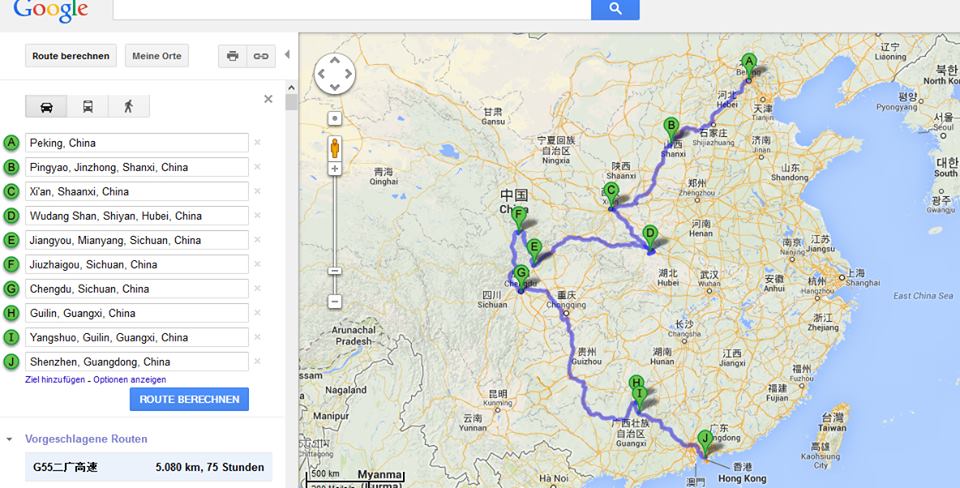



China’s Untamed Trails: The Best Backpacking Routes to Explore
China, a land of staggering contrasts and boundless beauty, offers an unparalleled adventure for the intrepid backpacker. From the snow-capped peaks of the Himalayas to the sun-drenched deserts of the Silk Road, and from ancient dynastic cities to bustling modern metropolises, this vast nation is a veritable tapestry woven with diverse cultures, breathtaking landscapes, and thousands of years of history. Far from being an intimidating destination, China reveals itself as an incredibly rewarding playground for those willing to embrace its scale and dive into its vibrant heart.
Backpacking in China is about more than just seeing famous sights; it’s about the journey itself – navigating crowded trains, savoring street food in bustling markets, trekking through remote villages, and connecting with a culture that is both ancient and rapidly evolving. With its well-developed infrastructure (especially high-speed rail), a growing network of hostels, and an increasing ease of mobile payment, China is more accessible than ever for budget travelers seeking authentic experiences.
To truly immerse yourself in the Middle Kingdom, here are some of the best backpacking routes that promise adventure, cultural enlightenment, and memories to last a lifetime.
1. The Southwestern Charm: Yunnan Province – A Kaleidoscope of Cultures and Landscapes
Why it’s great for backpackers: Yunnan, often dubbed the "Land of Eternal Spring," is arguably China’s most backpacker-friendly province. Its incredible ethnic diversity, stunning natural beauty, and well-trodden travel circuit make it easy to navigate, with plenty of affordable accommodation and transport options.
The Route: Start your Yunnan adventure in Kunming, the provincial capital. While often overlooked, it’s a pleasant city with a relaxed vibe, famous for its flower markets and Dianchi Lake. From Kunming, head north to Dali, an ancient city nestled by Erhai Lake and backed by the Cangshan Mountains. Dali offers a laid-back atmosphere, with its charming Old Town, delicious Bai minority cuisine, and opportunities for cycling around the lake.
Next, continue further north to Lijiang, a UNESCO World Heritage site renowned for its exquisitely preserved Old Town, built by the Naxi people. Wander through cobblestone streets, admire traditional wooden architecture, and enjoy the lively nightlife. While touristy, Lijiang’s charm is undeniable.
From Lijiang, one of China’s most iconic hikes awaits: the Tiger Leaping Gorge. This multi-day trek (typically 2 days, 1 night) through one of the world’s deepest river canyons offers dramatic scenery, challenging trails, and guesthouses with incredible views. It’s an absolute must-do for any adventurous backpacker.
For those seeking a deeper dive into Tibetan culture without needing a special permit for Tibet, continue north from Tiger Leaping Gorge to Shangri-La (Zhongdian). Here, you’ll find monasteries, prayer flags, and a distinctly Tibetan atmosphere amidst stunning high-altitude grasslands.
Duration: 2-3 weeks.
Best Time to Visit: Spring (March-May) or Autumn (September-November) for pleasant weather.
2. The Heart of China: Sichuan Province – Pandas, Peaks, and Fiery Flavors
Why it’s great for backpackers: Sichuan is a sensory delight, famous for its spicy cuisine, adorable pandas, and a fascinating blend of Han and Tibetan cultures. It offers a mix of vibrant city life and breathtaking natural wonders, with good infrastructure and a welcoming atmosphere.
The Route: Begin in Chengdu, the relaxed and foodie-centric capital of Sichuan. Dedicate a few days to exploring the city’s highlights: visit the Chengdu Research Base of Giant Panda Breeding to see pandas up close, wander through the historic Kuanzhai Alley and Jinli Street, and most importantly, indulge in the province’s legendary spicy cuisine – from hotpot to mapo tofu.
From Chengdu, embark on a journey to the Leshan Giant Buddha, the world’s largest stone Buddha statue, carved into a cliff face overlooking the confluence of three rivers. It’s an awe-inspiring sight. Combine this with a trip to Mount Emei (Emei Shan), one of China’s Four Sacred Buddhist Mountains. Hike sections of the mountain, visit ancient temples, and be prepared for cheeky monkeys.
For those seeking more remote natural beauty, head further west into the Tibetan plateau fringe. While access to some areas like Jiuzhaigou and Huanglong can be a bit more organized (often requiring tour buses or private drivers due to distance), they are absolutely worth the effort for their stunning multi-colored lakes, waterfalls, and unique karst landscapes. Be aware that these areas are at high altitude.
Duration: 10-14 days.
Best Time to Visit: Spring (April-May) and Autumn (September-October) for mild weather and clear skies.
3. Karst Wonders and River Journeys: Guilin & Yangshuo – Postcard Perfect Landscapes
Why it’s great for backpackers: The iconic landscapes of Guilin and Yangshuo, with their dramatic karst peaks rising from emerald rice paddies, are etched into many travelers’ minds. This region is incredibly popular with backpackers due to its stunning scenery, plethora of outdoor activities, and well-established tourist infrastructure catering to budget travelers.
The Route: Fly into Guilin, a pleasant city that serves as the gateway to the region. While Guilin itself has some attractions like Elephant Trunk Hill and Reed Flute Cave, the real magic lies just south.
Take a leisurely Li River cruise (or a bamboo raft ride for a more local experience) from Guilin to Yangshuo. This journey is famous for its ethereal beauty, passing by iconic karst formations, buffalo grazing in fields, and local fishermen.
Yangshuo is the backpacker hub of the region. Once a sleepy village, it’s now a bustling town offering endless activities. Rent a bicycle and explore the surrounding countryside, cycle through picturesque villages and rice fields, go rock climbing on the karst peaks, try a cooking class, or explore caves. West Street is the main thoroughfare, bustling with restaurants, bars, and shops. Don’t miss a sunrise or sunset over the Li River, or a hike up to Moon Hill for panoramic views.
Duration: 5-7 days.
Best Time to Visit: April-October, though summer can be hot and rainy. Avoid major public holidays.
4. The Ancient Trade Route: The Silk Road (Gansu & Xinjiang) – History and Deserts
Why it’s great for backpackers: For those with a love for history, vast landscapes, and a truly epic journey, a segment of the ancient Silk Road is an unforgettable experience. This route takes you through a land of desert oases, ancient fortresses, and a rich tapestry of cultures that shaped global history. While some parts of Xinjiang have increased security, the main tourist routes are generally accessible.
The Route: Start in Lanzhou, Gansu province’s capital, known for its delicious beef noodles. From there, head west to Xiahe, home to the stunning Labrang Monastery, one of the largest Tibetan Buddhist monasteries outside of Tibet. Immerse yourself in the spiritual atmosphere and witness monastic life.
Continue west to Dunhuang, a legendary oasis town. Here, you’ll find the incredible Mogao Grottoes, a UNESCO World Heritage site housing thousands of Buddhist murals and sculptures carved into caves over a millennium. Also explore the Crescent Lake and Singing Sand Dunes, where you can ride camels into the sunset.
Further west lies Jiayuguan, the westernmost end of the Great Wall of China, a formidable fortress marking the edge of the Chinese empire.
For the truly adventurous, cross into Xinjiang province. Turpan is an ancient oasis city known for its karez irrigation system, ancient ruins (Jiaohe and Gaochang), and Flaming Mountains. Finally, reach Kashgar, a vibrant city near the border with Pakistan and Kyrgyzstan, renowned for its bustling Sunday Bazaar and rich Uyghur culture. Be prepared for increased security checks in Xinjiang, but the cultural immersion is profound.
Duration: 2-4 weeks (depending on how deep into Xinjiang you go).
Best Time to Visit: Late Spring (May-June) or early Autumn (September-October) to avoid extreme summer heat and winter cold.
5. The Mystical Mountains: Huangshan & Zhangjiajie – Ethereal Natural Beauty
Why it’s great for backpackers: These two iconic mountain ranges represent some of China’s most dramatic and photogenic landscapes. While they are distinct geographically, they offer similar types of immersive hiking experiences through surreal natural beauty. Both have well-established tourist infrastructure, including cable cars for easier access and guesthouses on the mountains.
The Route (Huangshan): Travel to Huangshan City (Tunxi) in Anhui province. From there, take a bus to the base of Huangshan (Yellow Mountain). This UNESCO site is famous for its "four wonders": oddly-shaped pines, spectacular rock formations, sea of clouds, and hot springs. Spend 2-3 days hiking the various trails, watching the sunrise and sunset from different peaks, and taking in the breathtaking, often mist-shrouded vistas that have inspired countless traditional Chinese paintings. There are guesthouses on the mountain, though they can be pricey; booking in advance is essential.
The Route (Zhangjiajie): Located in Hunan province, Zhangjiajie National Forest Park (the "Avatar Mountains") is another must-see. Fly or take a train to Zhangjiajie City. From there, buses take you to the park entrance. Spend at least 3-4 days exploring the various sections of the park, including Yuanjiajie (the inspiration for Pandora in Avatar), Tianzi Mountain, and Golden Whip Stream. Ride the Bailong Elevator (the world’s tallest outdoor elevator) and walk across the dizzying Glass Bridge at Zhangjiajie Grand Canyon. The landscapes here are truly otherworldly, with thousands of sandstone pillars piercing the sky.
Duration: 3-5 days for each mountain range.
Best Time to Visit: Spring (April-May) and Autumn (September-October) for pleasant weather and clearer views.
Essential Backpacking Tips for China
- Visa: Obtain your Chinese visa well in advance. Requirements vary by nationality.
- Language: While English is spoken in major tourist areas, download offline translation apps (like Pleco for Mandarin dictionaries and Google Translate for general translation). Learn a few basic phrases (hello, thank you, how much).
- VPN: Crucial for accessing Western social media (Facebook, Instagram, WhatsApp) and Google services. Download and set up a reliable VPN before you arrive.
- Payment: China is largely cashless. Set up WeChat Pay and/or Alipay. You can often link foreign credit cards or top them up with cash at banks or kiosks. Carry some cash for smaller vendors or emergencies.
- Accommodation: Hostels are plentiful in major cities and tourist hubs, offering a great way to meet fellow travelers. Booking apps like Trip.com (Ctrip) or Booking.com are widely used.
- Transportation: China’s high-speed rail network is world-class and efficient. Buses are excellent for shorter distances. Domestic flights can be affordable if booked in advance.
- Food: Be adventurous! Street food is delicious and incredibly cheap. Look for busy local restaurants.
- Sim Card: Purchase a local SIM card upon arrival for data.
- Respect Local Customs: Be mindful of local etiquette, especially in temples and rural areas.
- Pack Smart: Bring comfortable walking shoes, layers of clothing, a universal adapter, and a portable power bank.
China offers an unparalleled backpacking experience, a journey that challenges, inspires, and ultimately transforms. While it requires a spirit of adventure and a willingness to embrace the unexpected, the rewards – from breathtaking natural wonders and profound historical sites to vibrant cultures and unforgettable culinary delights – are immeasurable. So pack your bags, hone your sense of adventure, and prepare to be captivated by the majesty of the Middle Kingdom.