

Chasing the Unseen: An Expedition into the Philippines’ Hidden Waterfall Wilderness
The Philippines, an archipelago nation renowned for its pristine beaches, vibrant coral reefs, and verdant rice terraces, holds another, often overlooked, natural treasure: an astounding network of waterfalls. While iconic cascades like Kawasan Falls in Cebu or Tinago Falls in Iligan City draw throngs of tourists, the true magic of the Philippine wilderness lies beyond the well-trodden paths. For the intrepid adventurer, a world of unexplored, uncharted, and utterly breathtaking waterfalls awaits discovery, promising not just a visual spectacle but an profound journey into the heart of nature and self.
The call of the unexplored waterfall is a powerful siren song, luring those who seek more than just a snapshot. It’s a quest for raw beauty, for the untouched, for the thrill of being one of the first to witness nature’s hidden artistry. This article delves into the allure, challenges, and immense rewards of embarking on an expedition to explore the Philippines’ unseen waterfall wilderness, offering insights into how to approach such a journey with respect, preparedness, and an insatiable spirit of discovery.
The Philippines: A Land Sculpted by Water
To understand the sheer abundance of waterfalls in the Philippines, one must first grasp its geological and climatic context. Situated within the Pacific Ring of Fire, the archipelago is a land of volcanic origins, characterized by rugged mountain ranges, deep valleys, and a complex network of rivers and streams. Coupled with a tropical climate that brings abundant rainfall throughout much of the year, these geographical features create the perfect conditions for water to carve magnificent spectacles out out of the earth.
From the cloud-shrouded peaks of the Cordillera Administrative Region in Luzon to the volcanic highlands of Mindanao, virtually every island holds secrets within its interior. Many of these remote areas are sparsely populated, covered in dense rainforests, and crisscrossed by waterways that remain largely uncharted by mainstream tourism. These are the last bastions of true wilderness, where the symphony of the jungle is punctuated by the roar of unseen cascades.
The Allure of the Unexplored
What compels an adventurer to seek out waterfalls that have no names on a map, no established trails, and no amenities? The answer lies in the profound sense of discovery and the unparalleled connection with nature that such a journey offers. Unlike popular tourist spots where the experience can be diluted by crowds and commercialism, an unexplored waterfall offers an encounter with purity. It’s a chance to witness a landscape exactly as nature intended it, untouched by human intervention.
The journey itself becomes as significant as the destination. The challenge of navigating dense jungle, crossing rivers, and scaling slippery terrain transforms the expedition into a test of endurance, resilience, and problem-solving. Each obstacle overcome deepens the appreciation for the final reward. Moreover, there’s a unique sense of accomplishment in knowing you might be one of a select few – or even the very first – to lay eyes on a particular cascade, to feel its mist, and to swim in its pristine pools. It’s a pursuit of authentic experience, a yearning for the extraordinary in a world increasingly explored.
Planning the Expedition: Beyond the Map
Embarking on an unexplored waterfall expedition is not a spontaneous endeavor; it demands meticulous planning and a deep respect for the unknown.
1. Research and Reconnaissance: The first step involves extensive "desktop exploration." This means poring over topographical maps, satellite imagery (Google Earth is an invaluable tool), and even local government records if available. Look for areas with significant elevation changes, dense river networks, and minimal signs of human habitation. Local online forums, blogs of niche adventurers, or even discussions with seasoned local mountaineers can provide invaluable clues. Sometimes, a blurry photo shared by a local on social media can be the seed of an entire expedition.
2. The Indispensable Local Guide: This is perhaps the most critical element of a successful and safe expedition. Local guides possess an intimate knowledge of the terrain, weather patterns, flora, and fauna that no map can provide. They know the safe routes, potential hazards (like venomous snakes or unstable ground), and often have ancestral knowledge of the land. More importantly, they are the bridge to local communities. Building trust and rapport with locals is paramount, as they can offer logistical support, cultural insights, and vital information. Always ensure your guide is experienced, reputable, and genuinely knowledgeable about the specific area. Their involvement also ensures that your adventure directly benefits the local economy.
3. Permits and Permissions: Respect for local customs and land ownership is non-negotiable. Many remote areas in the Philippines are ancestral domains of indigenous communities. Before venturing into these territories, it’s crucial to seek permission from local village elders (Barangay Captains or tribal leaders). This is not just a formality; it’s a gesture of respect that can open doors and ensure a warm welcome, rather than suspicion. Understand and adhere to any local rules or traditions.
4. Timing is Everything: The Philippines experiences distinct wet and dry seasons. While the wet season (June to November) ensures powerful cascades, it also brings treacherous conditions: swollen rivers, slippery trails, leeches, and a higher risk of flash floods and landslides. The dry season (December to May) offers more stable weather and clearer trails, though some smaller waterfalls might have reduced flow. The "shoulder seasons" – late dry or early wet – can often strike a balance, offering good water volume without the extreme hazards.
Essential Gear and Preparation: Equipping for the Unknown
A journey into the uncharted demands specific gear and a robust level of physical and mental preparedness.
1. Physical Fitness: Trekking to unexplored waterfalls often involves long hours of hiking through uneven terrain, steep ascents and descents, river crossings, and sometimes even basic climbing or rappelling. A high level of cardiovascular fitness and muscular endurance is essential.
2. Navigation Tools: Beyond your guide, carry a reliable GPS device with pre-loaded topographical maps, a compass, and a physical map as a backup. Satellite communication devices (like a satellite phone or Garmin InReach) are crucial for emergency communication in areas without cellular signal.
3. Safety and First Aid: A comprehensive first-aid kit is non-negotiable, including medication for common ailments, wound care, pain relief, and emergency supplies. Know how to use everything in it. Consider carrying a personal locator beacon (PLB).
4. Trekking Gear:
- Footwear: Sturdy, waterproof trekking boots with excellent ankle support and grip. Bring river sandals or water shoes for crossings.
- Clothing: Quick-drying, lightweight, moisture-wicking layers. Long sleeves and pants are advisable for protection against insects, scratches, and sun. A lightweight rain jacket is a must.
- Backpack: A comfortable, waterproof multi-day pack with sufficient capacity for all your gear. Use dry bags for electronics and sensitive items.
- Water Purification: A reliable water filter or purification tablets are essential, as you’ll be relying on natural water sources. Carry enough water for the first leg of the journey.
- Food: High-energy, non-perishable food items.
- Headlamp/Flashlight: With extra batteries.
- Knife/Multi-tool:
- Insect Repellent: Strong, tropical-strength repellent.
- Sun Protection: Sunscreen, hat, sunglasses.
5. Photography Gear: For capturing the magic, consider a waterproof camera or a camera with a waterproof housing. Drones can offer incredible aerial perspectives, but always fly responsibly and with local permission. Bring extra batteries and memory cards.
The Journey Itself: A Symphony of Senses
The actual trek to an unexplored waterfall is an immersive experience. The dense jungle canopy filters sunlight into ethereal shafts, creating a mosaic of light and shadow on the forest floor. The air is thick with the scent of damp earth, decaying leaves, and the exotic aroma of unseen flowers. The sounds of the rainforest envelop you: the chirping of unseen insects, the calls of tropical birds, the rustling of leaves as unseen creatures move through the undergrowth.
The trail, if one exists, might be faint, overgrown, or non-existent, requiring the guide to hack a path through the vegetation. You’ll navigate slippery roots, clamber over fallen logs, and wade through cool, sometimes swift, river currents. Every step is a deliberate act, a dance with the wild. Anticipation builds with each passing hour, fueled by the growing roar of the waterfall, which slowly transforms from a distant murmur into a thundering crescendo.
The Reward: Reaching the Unseen Cascade
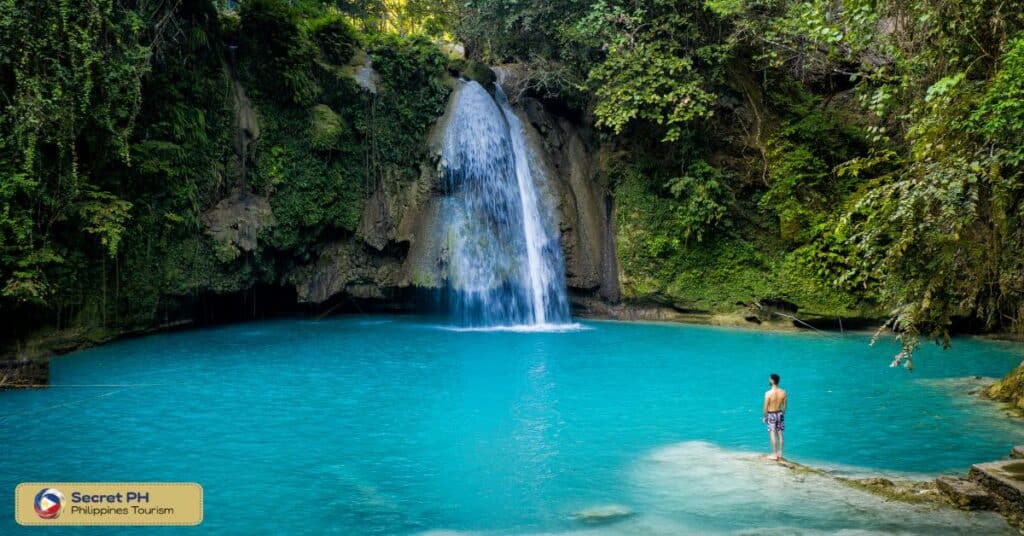
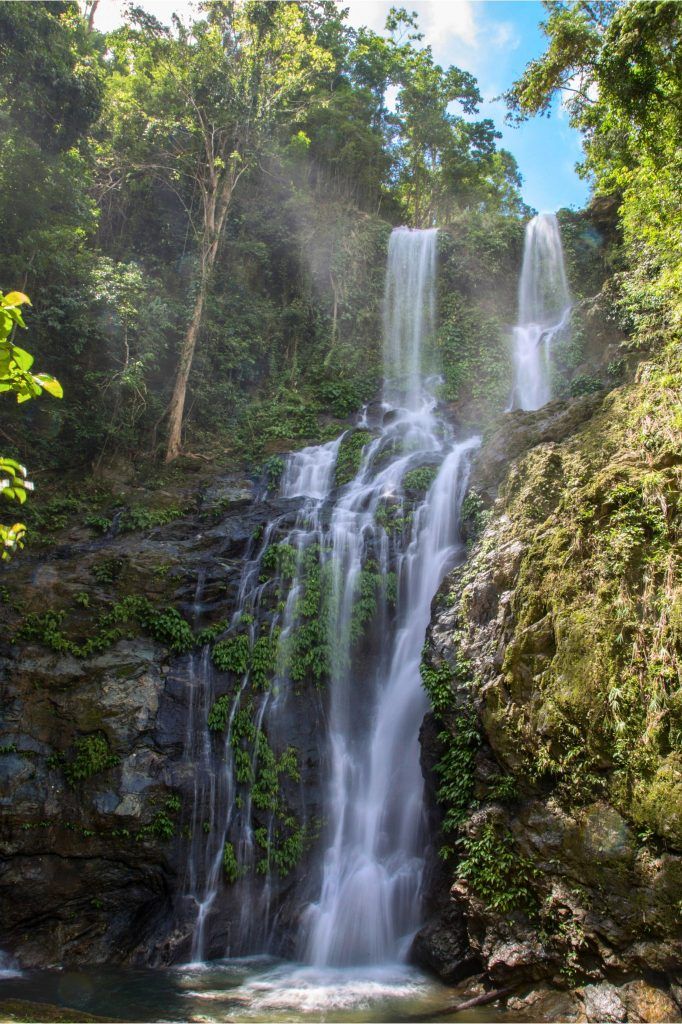
The moment of discovery is often preceded by a final, arduous push – perhaps a steep descent, a final river crossing, or a scramble over a rocky outcrop. And then, there it is. The sight of an unexplored waterfall is unlike any other. It stands in pristine majesty, a powerful testament to nature’s artistry. The water, often crystal-clear and emerald green at the base, plunges from a great height, creating a mesmerizing curtain of white foam. The air is cool and refreshing, laden with fine mist.
These waterfalls often boast untouched plunge pools, inviting you to shed your trekking gear and immerse yourself in the pure, cool embrace of the water. The silence, broken only by the roar of the falls and the sounds of nature, is profound. This is a moment of pure bliss, a reward for every challenge overcome. It’s a chance to simply be, to absorb the raw beauty, to reflect on the journey, and to feel an unparalleled connection to the untamed spirit of the Philippines. Photography becomes an act of reverence, attempting to capture a fraction of the grandeur.
Responsible Exploration: Leaving Only Footprints, Taking Only Memories
The privilege of exploring untouched wilderness comes with a profound responsibility. The cardinal rule of any expedition to unexplored areas is "Leave No Trace."
1. Pack It In, Pack It Out: Everything you bring into the wilderness must be taken out, including all trash, food scraps, and human waste (properly buried away from water sources).
2. Respect Wildlife and Flora: Observe animals from a distance. Do not disturb plants, collect specimens, or carve on rocks. The ecosystem is delicate and deserves utmost respect.
3. Stay on Existing Paths (if any): If no path exists, move carefully to minimize your impact on vegetation and soil.
4. Minimize Campfire Impact: If fires are absolutely necessary (and permitted), keep them small, use only deadfall, and ensure they are completely extinguished. Better yet, use a portable stove.
5. Respect Local Culture and Traditions: Engage with local communities respectfully. Ask for permission before taking photos of people. Understand and honor local customs, traditions, and sacred sites. Your actions reflect on all future adventurers.
6. Support Local Economies: Hire local guides, purchase supplies from local vendors, and consider staying in local homestays. This ensures that the benefits of your adventure directly support the communities who are the guardians of these natural wonders.
7. Advocate for Conservation: Share your experiences responsibly. While the allure of the unexplored is strong, consider the long-term impact of revealing specific locations. Encourage others to explore responsibly and support conservation efforts that protect these pristine environments.
The Enduring Call
The Philippines, with its labyrinthine geography and vibrant biodiversity, remains a frontier for those with an adventurous spirit. The pursuit of its unexplored waterfalls is more than just a physical journey; it’s a spiritual quest, an opportunity to rediscover the raw power of nature and the resilient spirit within oneself. It’s a chance to step away from the curated experiences of modern life and embrace the unpredictable beauty of the wild.
As more travelers seek authentic, off-the-beaten-path experiences, the call of the unseen cascade grows louder. With careful planning, respect for nature and culture, and an unwavering sense of adventure, the hidden waterfall wilderness of the Philippines offers an unforgettable expedition into one of the planet’s most magnificent, yet still largely undiscovered, natural paradises. It’s a reminder that even in an age of ubiquitous information, true wonder still awaits those willing to venture beyond the map.