


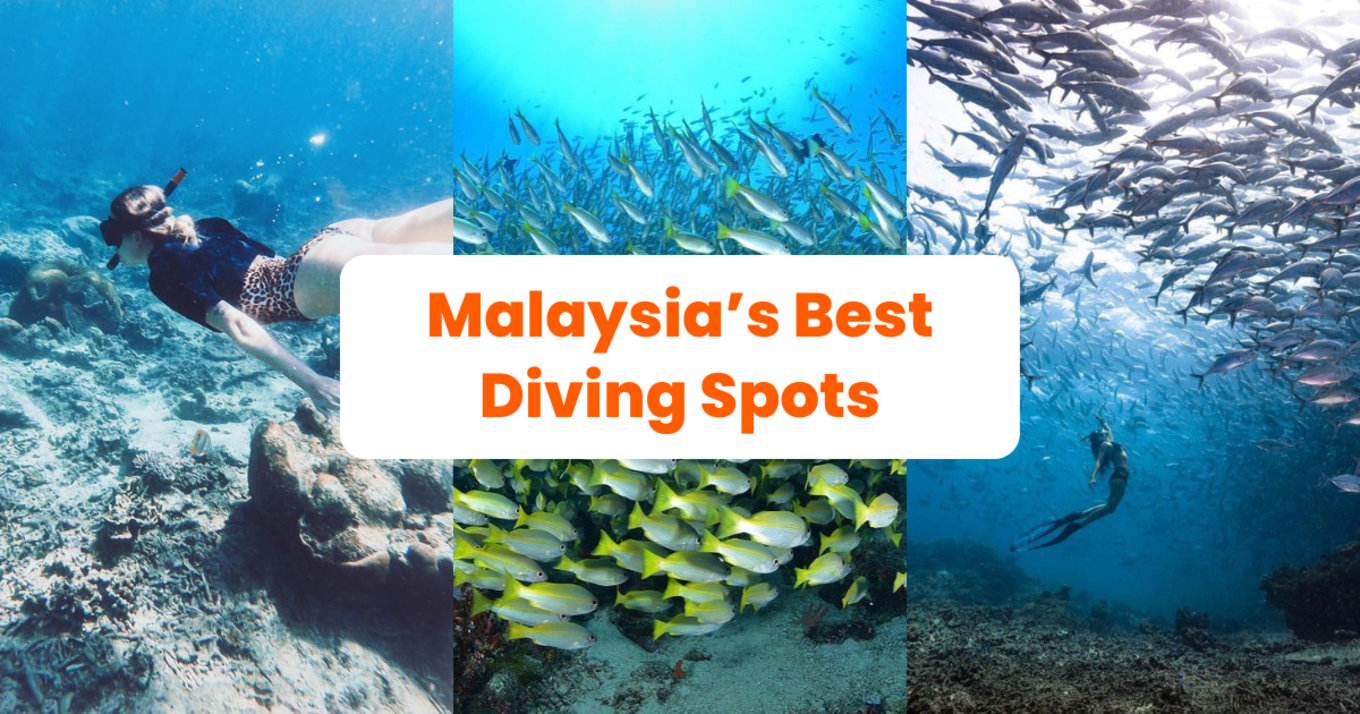
Beneath the Waves: Exploring Malaysia’s Premier Diving Destinations
Malaysia, a jewel in Southeast Asia, is celebrated for its stunning rainforests, vibrant cultures, and delectable cuisine. Yet, beneath its azure waters lies another realm of unparalleled beauty and biodiversity that beckons divers from across the globe. Bordered by the South China Sea, the Sulu Sea, and the Celebes Sea, this tropical nation boasts an extraordinary array of marine ecosystems, from vibrant coral gardens and dramatic wall dives to fascinating muck sites and historical shipwrecks.
With warm waters year-round and visibility often stretching beyond 30 meters, Malaysia offers a diverse underwater tapestry suitable for every level of diver, from wide-eyed novices to seasoned underwater photographers. This article delves deep into the most coveted diving spots across Malaysia, highlighting what makes each unique and why they should be on every diver’s bucket list.
The Crown Jewel: Sipadan Island and its Semporna Archipelago Neighbors
When one speaks of diving in Malaysia, the name "Sipadan" invariably emerges, often with a reverence reserved for the world’s truly legendary dive sites. Located in the Celebes Sea off the coast of Sabah, Borneo, Sipadan is consistently ranked among the top dive destinations globally, a claim substantiated by its breathtaking marine biodiversity and dramatic underwater topography.
Sipadan Island: A solitary oceanic island rising 600 meters from the seabed, Sipadan is a natural phenomenon. Its sheer walls, teeming with life, drop straight into the abyss, creating a spectacle of marine activity. What makes Sipadan truly iconic is the sheer abundance and density of its marine life. Divers here are almost guaranteed encounters with:
- Green and Hawksbill Turtles: Dozens, if not hundreds, of these majestic creatures are seen on almost every dive, often resting in ledges or gliding gracefully through the water. The famous "Turtle Tomb," an underwater cave system, is a poignant reminder of turtles that lost their way.
- Barracuda Point: This legendary site is famous for its colossal tornado of schooling barracuda, a truly mesmerizing and humbling experience. Alongside them, massive schools of bigeye trevally (jacks) swirl in synchronized ballets.
- Bumphead Parrotfish: Witnessing a school of these colossal, prehistoric-looking fish munching on coral at dawn is an unforgettable sight.
- Sharks: White-tip and grey reef sharks patrol the walls, while leopard sharks and hammerheads are occasionally spotted in deeper waters.
- Pelagics: Beyond the schools, tuna, manta rays, and even whale sharks are known to make appearances, especially during specific seasons.
To protect its fragile ecosystem, diving on Sipadan is strictly regulated. Only 176 permits are issued daily, distributed among a handful of resorts on neighboring islands. This conservation effort ensures that the underwater environment remains pristine for generations to come, making every permit a golden ticket to an unparalleled experience.
Mabul Island: Just a short boat ride from Sipadan, Mabul offers a stark yet equally captivating contrast. While Sipadan is renowned for its large pelagics and vibrant walls, Mabul is the undisputed capital of muck diving in Malaysia. Its sandy slopes, artificial reefs, and jetty structures harbor an astonishing array of rare and unusual macro creatures that camouflaged experts spend hours seeking out.
Divers on Mabul can expect to find:
- Pygmy Seahorses: Tiny, perfectly camouflaged masters of disguise clinging to gorgonian fans.
- Frogfish: Ambling along the seabed, these ambush predators are a delight to spot.
- Nudibranchs and Sea Slugs: A kaleidoscopic variety of these colorful mollusks.
- Mandarinfish: Exquisite and shy, these fish perform their mating dance at dusk.
- Cuttlefish, Octopus, and Blue-Ringed Octopus: Intelligent and often elusive cephalopods.
- Rare Crabs and Shrimps: From ornate ghost pipefish to robust hairy frogfish, the diversity is mind-boggling.
Mabul’s dive sites, such as Paradise I & II, Lobster Wall, and Eel Garden, provide endless opportunities for macro photography and a unique perspective on marine life. The island also offers a variety of accommodations, from budget homestays to luxurious overwater bungalows.
Kapalai Island: Technically not an island but a sprawling sandbank, Kapalai is home to an exquisite overwater resort built on stilts. While divers stay here, they access the rich diving of Sipadan and Mabul. Kapalai itself offers excellent house reef diving, especially for macro enthusiasts. Its artificial reefs, formed by sunken structures and boat wrecks, have become vibrant habitats for pipefish, cuttlefish, and various nudibranchs, making it a convenient and beautiful base for exploring the Semporna archipelago.
Peninsular Malaysia’s East Coast Gems
Moving across to Peninsular Malaysia, the eastern coast boasts a string of islands that are equally enchanting, offering a different yet equally rewarding diving experience. These islands are generally more accessible, with a wider range of accommodations and often calmer conditions, making them ideal for beginners and families. The diving season here typically runs from March to October, avoiding the monsoon months.
Perhentian Islands (Pulau Perhentian Kecil & Besar): Often hailed as backpacker havens, the Perhentian Islands offer superb diving that balances affordability with incredible marine encounters. The reefs here are generally healthy, characterized by colorful hard and soft corals.
Highlights of diving in Perhentian include:
- Turtle Point: As the name suggests, a high chance of spotting green and hawksbill turtles.
- Shark Point: Regular sightings of blacktip reef sharks patrolling the shallows.
- Sugar Wreck: A popular wreck dive, this former cargo ship now teems with marine life, including bamboo sharks, schooling snappers, and barracuda. It’s suitable for advanced open water divers due to its depth.
- Terumbu Tiga (Three Brothers): A collection of impressive rock formations covered in vibrant corals, home to groupers, moray eels, and occasional reef sharks.
- D’Lagoon: A shallower site perfect for training and spotting smaller reef fish, cuttlefish, and nudibranchs.
The Perhentians offer a relaxed atmosphere, with numerous dive centers providing courses from beginner to professional levels.
Redang Island (Pulau Redang): As the largest island in the Terengganu Marine Park, Redang is known for its crystal-clear waters, white sandy beaches, and vibrant, well-preserved coral reefs. It’s a popular destination for both divers and snorkelers, often favored by families and those seeking a slightly more upscale experience than the Perhentians.
Diving in Redang offers:
- Healthy Coral Gardens: Extensive stretches of pristine hard and soft corals, teeming with reef fish.
- Turtle Bay: Another excellent spot for encountering green and hawksbill turtles.
- Pasir Panjang: A beautiful site with gentle currents, perfect for observing schooling fusiliers, parrotfish, and bannerfish.
- Pulau Lima: A diverse site with interesting rock formations, swim-throughs, and a good chance of spotting blacktip reef sharks.
- Macro Life: While not a dedicated muck diving spot, smaller creatures like nudibranchs, crabs, and shrimps can be found among the corals.
The marine park status ensures a high level of protection for Redang’s underwater environment, making it a fantastic destination for appreciating healthy reef ecosystems.
Tioman Island (Pulau Tioman): Located further south, off the coast of Pahang, Tioman is a ruggedly beautiful island with lush rainforests and dramatic volcanic peaks. Its surrounding waters are part of a protected marine park, offering a wide variety of dive sites. Tioman is easily accessible from both Kuala Lumpur and Singapore, making it a popular choice for weekend getaways.
Key diving experiences in Tioman include:
- Chebeh: Famous for its dramatic rock formations, swim-throughs, and caverns, often home to barracuda, trevally, and reef sharks.
- Renggis Island: A small island surrounded by vibrant coral reefs, perfect for spotting turtles, reef sharks, and a variety of colorful reef fish.
- Tiger Reef: An offshore pinnacle known for its strong currents and rich pelagic life, including large groupers, snappers, and occasional manta rays.
- Malang Rock: A collection of giant boulders adorned with soft corals, attracting various macro life and schools of fish.
- Salang: A popular village with several dive centers and a vibrant house reef, great for night dives and spotting smaller creatures.
Tioman’s varied topography, from shallow reefs to deeper pinnacles, caters to divers of all levels, promising a captivating experience beneath its emerald waters.
Remote & Adventurous: Layang-Layang and Other Unique Spots
For those seeking more remote adventures and encounters with larger pelagic species, Malaysia offers a few specialized destinations that stand out.
Layang-Layang Island: Located in the Spratly Islands, nearly 300 kilometers northwest of Kota Kinabalu, Layang-Layang is a remote oceanic atoll often referred to as "The Jewel of the Borneo Banks." It’s an exclusive destination, primarily served by a single resort and catering to serious divers seeking thrilling encounters.
Layang-Layang is synonymous with:
- Hammerhead Sharks: It is one of the few places in the world where divers have a high chance of encountering schooling scalloped hammerhead sharks, especially during the peak season (April to May).
- Pelagic Galore: Beyond hammerheads, divers regularly spot grey reef sharks, leopard sharks, whale sharks, manta rays, devil rays, and large schools of jacks and barracuda.
- Pristine Wall Diving: The atoll’s walls plunge thousands of meters into the deep, adorned with untouched corals and sponges, making for spectacular drift dives.
- Giant Gorgonian Fans: Some of the largest and most ancient gorgonian fans in the world can be found here.
Due to its remote location, Layang-Layang is typically visited via liveaboard or by staying at the single dive resort, which operates seasonally from March to October. It’s a destination for experienced divers comfortable with deep diving and strong currents.
Labuan Island: Often overlooked by recreational divers, Labuan, a federal territory off the coast of Sabah, is a wreck diver’s paradise. Its strategic location and historical significance have resulted in a fascinating collection of sunken vessels from various eras.
The four main wrecks are:
- American Wreck (USS Salute): A US Navy minesweeper sunk during WWII, now home to abundant marine life.
- Australian Wreck (HMAS Derwent): A British destroyer sunk during WWII, offering intriguing penetration opportunities.
- Cement Wreck: A cargo ship that sank in the 1980s, now heavily encrusted with corals and attracting large schools of fish.
- Blue Water Wreck: Another cargo ship, known for its good visibility and diverse marine life.
These wrecks range in depth and offer varying levels of challenge, from recreational to technical wreck diving, providing a unique glimpse into history beneath the waves.
Tunku Abdul Rahman Park (TAR Park), Kota Kinabalu: While not as famous for its diving as Sipadan, TAR Park, a cluster of five islands just off Kota Kinabalu, offers convenient and enjoyable diving, especially for those staying in the city or looking for easy day trips.
The park’s dive sites feature:
- Healthy Reefs: Good coral formations and a variety of reef fish.
- Macro Life: Opportunities to spot nudibranchs, frogfish, and other small critters, particularly around specific jetties and artificial reefs.
- Beginner-Friendly: Shallow, calm waters make it ideal for dive courses and new divers.
- Wreck Diving: The "Jesselton Point Wreck" offers a small but interesting wreck dive.
TAR Park serves as an excellent introduction to Borneo’s underwater world, offering accessible diving just a stone’s throw from a major city.
Essential Tips for Diving in Malaysia
To make the most of your Malaysian diving adventure, consider these practical tips:
- Best Time to Visit:
- East Coast Peninsular: March to October offers the calmest seas and best visibility. The monsoon season (November to February) brings heavy rains and rough seas, leading to many resorts closing.
- Borneo (Sipadan, Mabul, Layang-Layang): Diving is possible year-round, but the drier months from April to December generally offer the best conditions. Layang-Layang is seasonal (March-October).
- Sipadan Permits: Book well in advance, as permits are limited. Many resorts bundle Sipadan permits with their dive packages, requiring a minimum stay.
- Accommodation & Logistics: Book resorts and liveaboards, especially for popular destinations like Sipadan and Layang-Layang, months in advance. Flights to major hubs (Kuala Lumpur, Kota Kinabalu) are frequent, followed by domestic flights and boat transfers.
- Responsible Diving: Practice excellent buoyancy control, avoid touching marine life or corals, and ensure you do not leave any trash. Support eco-friendly dive operators.
- Dive Insurance: Always have comprehensive dive insurance (e.g., DAN) that covers medical emergencies and evacuation.
- Gear: Water temperatures are generally warm (27-30°C), so a 3mm shorty or full suit is usually sufficient.
- Skill Level: While many sites cater to beginners, some (like Layang-Layang or deeper wreck dives) require advanced certifications and experience with currents.
Conclusion
Malaysia’s underwater world is a kaleidoscope of color, life, and adventure, promising an unforgettable journey for every diver. From the globally celebrated, pelagic-rich walls of Sipadan to the intricate macro havens of Mabul, the vibrant coral gardens of the Peninsular East Coast, and the thrilling hammerhead encounters of Layang-Layang, the diversity is simply astounding. Each destination offers a unique facet of marine beauty, contributing to Malaysia’s reputation as a world-class diving hotspot. Whether you seek thrilling encounters with large marine life, the quiet pursuit of rare macro creatures, or simply the serene beauty of healthy coral reefs, Malaysia’s premier diving spots are waiting to reveal their magic. Dive in, and prepare to be mesmerized.
