

Unveiling Croatia’s Hidden Wilderness: A Comprehensive Guide to Wildlife Photography Hotspots
Croatia, a jewel of the Adriatic, is renowned for its stunning coastline, ancient cities, and a rich tapestry of history. Yet, beyond the sun-drenched beaches and Roman ruins lies a vibrant, often overlooked, natural world teeming with diverse wildlife. For the discerning wildlife photographer, Croatia offers an extraordinary array of habitats, from the rugged peaks of the Dinaric Alps to the serene wetlands and the pristine waters of the Adriatic, making it an unparalleled destination for capturing nature’s raw beauty.
This guide will take you on a journey through Croatia’s most promising wildlife photography spots, detailing the species you might encounter, the best times to visit, and essential tips to ensure a successful and ethical photographic expedition.
Why Croatia for Wildlife Photography?
Croatia’s unique geographical position, straddling the Mediterranean, Alpine, and Pannonian biogeographical regions, endows it with exceptional biodiversity. Over 3,800 vascular plant species, more than 400 bird species, and a healthy population of large carnivores like brown bears, wolves, and lynx call this country home. A significant portion of its land and sea is protected through national parks, nature parks, and strict reserves, providing safe havens for its flora and fauna. This commitment to conservation, combined with diverse landscapes, makes Croatia a truly rewarding destination for nature photographers.
General Considerations for Wildlife Photography in Croatia
Before diving into specific locations, a few general principles will enhance your photographic journey:
- Ethics First: Always prioritize the well-being of the animals and their habitat. Maintain a respectful distance, avoid disturbing wildlife, never feed animals, and leave no trace. Research local regulations for protected areas.
- Patience and Persistence: Wildlife photography is a game of patience. Be prepared to wait, often for long periods, for that perfect shot.
- Research: Understand the behavior and habitats of your target species. Knowing their active times, feeding patterns, and preferred environments will significantly increase your chances of success.
- Gear:
- Camera Body: A fast, reliable DSLR or mirrorless camera with good low-light performance.
- Lenses: A telephoto lens (300mm to 600mm or equivalent) is crucial for distant subjects. A wide-angle lens is useful for habitat shots or wildlife-in-landscape compositions. A macro lens can capture the intricate details of insects or plants.
- Tripod/Monopod: Essential for stability, especially with long lenses and in low light.
- Binoculars: To spot subjects from a distance without disturbing them.
- Weather Protection: Rain covers for your gear and appropriate clothing for varied weather conditions.
- Batteries & Memory Cards: Always carry spares!
- Camouflage: Earth-toned clothing helps you blend into the environment.
- Local Guides: For elusive species like bears or lynx, hiring an experienced local guide is invaluable. They know the terrain, animal behavior, and best viewing spots, significantly increasing your chances and ensuring safety.
Key Wildlife Photography Spots in Croatia
Let’s explore the prime locations for capturing Croatia’s magnificent wildlife.
1. The Dinaric Alps & Forested Interiors (Brown Bear, Wolf, Lynx Territory)
The rugged, forested mountains of Croatia’s interior are part of the Dinaric Alps, a stronghold for Europe’s large carnivores.
- Risnjak National Park: Located in Gorski Kotar, Risnjak is named after the ris (lynx), which, along with brown bears and wolves, roams its dense forests. While sighting a lynx is incredibly rare and requires immense luck and expert guidance, bears and deer are more frequently observed, especially in the early morning or late evening. The park’s diverse ecosystem also supports chamois, wild boars, and a rich variety of birds. Photography here focuses on forest wildlife, often in challenging light conditions.
- Target Species: Eurasian Lynx (rare), Brown Bear, Grey Wolf, Chamois, Red Deer, Roe Deer, Wild Boar, Golden Eagle.
- Photography Tips: Long telephoto lenses are a must. Consider using blinds (with park permission and guide assistance) for bear photography. Patience is paramount.
- Northern Velebit National Park: This stunning park is part of the largest mountain range in Croatia, offering dramatic landscapes alongside its wildlife. It’s home to brown bears, wolves, chamois, and a variety of raptors. The Premužićeva staza, a scenic hiking trail, offers breathtaking views and opportunities to spot chamois on the cliffs. The untouched nature and sparse human presence make it ideal for capturing wildlife in its natural, undisturbed state.
- Target Species: Brown Bear, Grey Wolf, Chamois, Red Deer, Golden Eagle, Griffon Vulture (in nearby areas like the island of Cres).
- Photography Tips: Combine landscape photography with wildlife. Be prepared for strenuous hiking.
- Paklenica National Park: While famous for rock climbing and hiking, Paklenica’s deep canyons and forested slopes also host a significant array of wildlife. Griffon vultures soar above the cliffs, while chamois can be seen gracefully navigating the rocky terrain. Various reptile species, including snakes and lizards, are also common.
- Target Species: Griffon Vulture, Golden Eagle, Chamois, various reptiles (e.g., Balkan Green Lizard, European Adder).
- Photography Tips: Wide-angle for canyon landscapes, telephoto for vultures and chamois on high cliffs.
2. Wetlands & Lowland Rivers (Birdwatcher’s Paradise)
Croatia’s vast wetlands, especially along its major rivers, are critical breeding and resting grounds for countless migratory and resident bird species.
- Lonjsko Polje Nature Park: This expansive floodplain along the Sava River is one of Europe’s largest and best-preserved wetland areas. It’s a paradise for birdwatchers and photographers, especially famous for its population of white storks. The village of Čigoč, designated Europe’s first "Stork Village," is adorned with nests atop every roof. Beyond storks, you can photograph spoonbills, various herons (grey, purple, great egret), black storks, white-tailed eagles, and numerous species of ducks and geese.
- Target Species: White Stork, Black Stork, Spoonbill, White-tailed Eagle, Great Egret, Grey Heron, Purple Heron, Little Bittern, various ducks and geese.
- Photography Tips: Early mornings are best for activity and soft light. A long telephoto lens is essential. Consider a boat tour for unique perspectives. Blinds are highly effective here.
- Vrana Lake Nature Park (Vransko Jezero): The largest natural lake in Croatia, Vrana Lake is a cryptodepression and an ornithological reserve. It’s a critical wetland for migratory birds, particularly during spring and autumn. The lake hosts significant populations of pygmy cormorants, various species of ducks, and often attracts rare visitors like the Dalmatian Pelican. The surrounding reedbeds and marshes offer excellent opportunities for secretive wetland species.
- Target Species: Pygmy Cormorant, Little Bittern, various Ducks (e.g., Ferruginous Duck, Mallard), Grebes, Herons, and occasionally Dalmatian Pelican.
- Photography Tips: Elevated viewpoints from observation platforms are available. Consider visiting during migration periods for the highest diversity.
- Kopački Rit Nature Park (Eastern Croatia): Though a bit further afield near Osijek, Kopački Rit is one of Europe’s largest inland deltas and a Ramsar site of international importance. It’s a true bird paradise, boasting over 300 bird species, including the white-tailed eagle, black stork, and great egret. Deer and wild boars are also abundant.
- Target Species: White-tailed Eagle, Black Stork, Great Egret, Spoonbill, Cormorants, Red Deer, Wild Boar.
- Photography Tips: Boat tours are the primary way to explore. Visit in spring or autumn.
3. Plitvice Lakes & Krka National Parks (Iconic Landscapes with Wildlife)
While famous for their travertine waterfalls, these parks also offer opportunities to photograph wildlife integrated into their breathtaking landscapes.
- Plitvice Lakes National Park: Croatia’s most famous national park, Plitvice, is a UNESCO World Heritage site. While the focus is often on the cascading lakes, the surrounding forests are home to red deer, wild boars, otters, and various bird species. Early morning visits before the crowds arrive offer the best chance for wildlife sightings, allowing you to capture animals against the backdrop of pristine nature.
- Target Species: Red Deer, Roe Deer, Wild Boar, European Otter (rare), various waterfowl, amphibians, and forest birds.
- Photography Tips: Combine wide-angle landscape shots with telephoto wildlife photography. Be respectful of park rules and other visitors.
- Krka National Park: Similar to Plitvice but with a different character, Krka is another stunning park with waterfalls and cascades. Its rich biodiversity includes numerous bird species, reptiles, and amphibians. The Skradinski Buk waterfall is iconic, but exploring the quieter parts of the park, especially along the river, can yield wildlife encounters.
- Target Species: Various waterfowl, raptors, snakes (e.g., Balkan Whip Snake), lizards, amphibians.
- Photography Tips: Focus on integrating wildlife into the lush, watery landscapes.
4. Islands & Coastal Areas (Marine Life & Seabirds)
Croatia’s extensive coastline and over a thousand islands provide a different set of photographic opportunities, from marine mammals to unique island fauna.
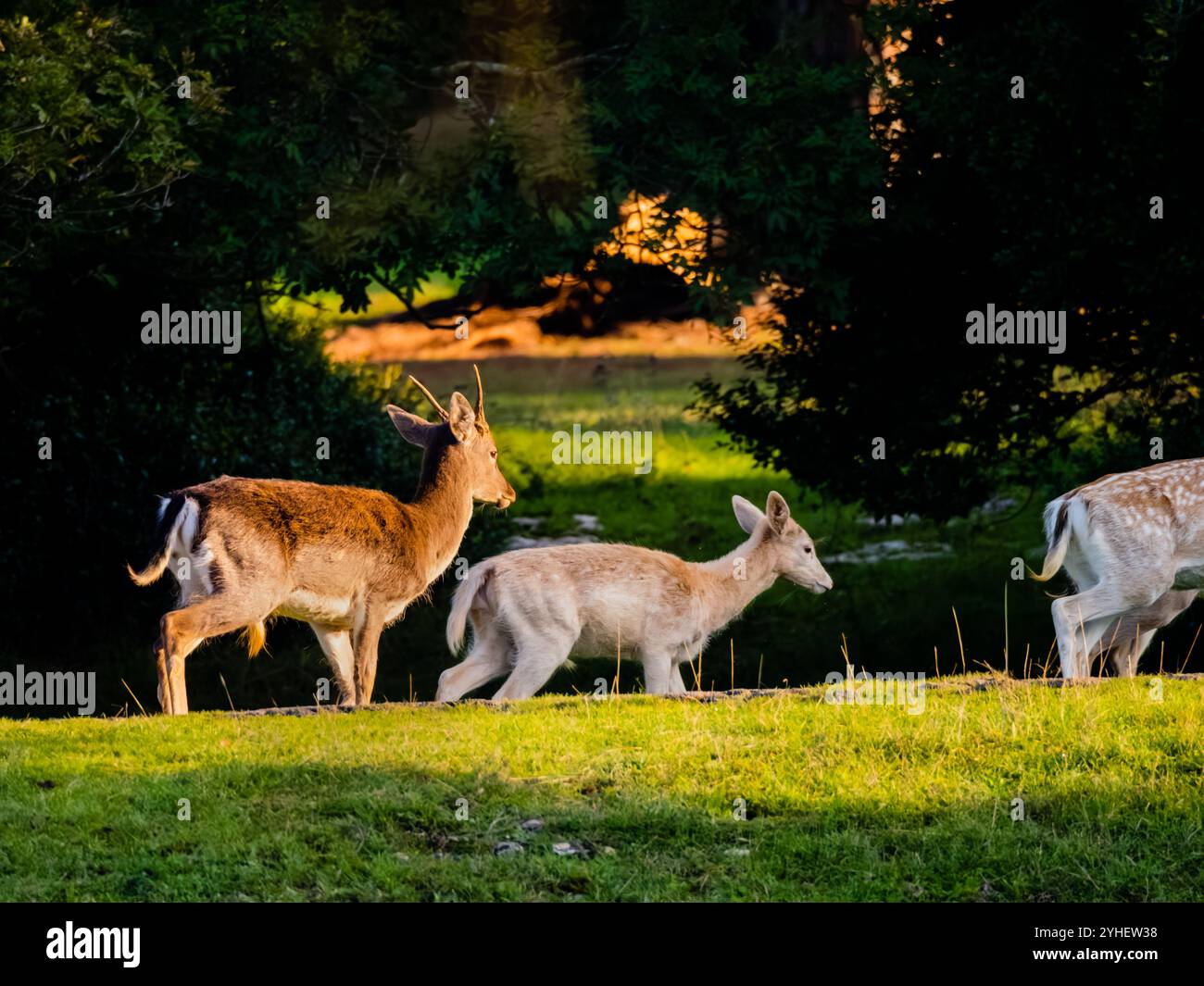
- Brijuni National Park: An archipelago near Pula, Brijuni offers a unique blend of history and nature. While some animals here (like deer, mouflon, and peacocks) are accustomed to human presence, they provide excellent opportunities for close-up photography, especially for beginners or those practicing techniques. The island also hosts a variety of seabirds and boasts rich underwater life.
- Target Species: Fallow Deer, Mouflon, Peafowl (semi-wild), various seabirds.
- Photography Tips: Great for practicing composition and exposure with relatively cooperative subjects.
- Kornati National Park: A labyrinth of 89 islands, islets, and reefs, Kornati is a nautical paradise. Its marine ecosystem is pristine, offering opportunities for underwater photography (diving/snorkeling) and capturing seabirds. Dolphins are also frequently sighted in the surrounding waters.
- Target Species: Bottlenose Dolphin, various Gulls (e.g., Yellow-legged Gull), European Shag, Shearwaters (e.g., Yelkouan Shearwater), rich marine invertebrate life.
- Photography Tips: Boat trips are essential. A telephoto lens for dolphins and birds, and waterproof housing for underwater shots.
- Mljet National Park: The greenest island in Croatia, Mljet is home to two saltwater lakes connected to the sea. The island’s forests shelter diverse birdlife, and the surrounding waters are clear. Introduced mongooses are present, though elusive.
- Target Species: Various forest birds, seabirds, marine life.
- Photography Tips: Explore by kayak or bike for quieter encounters.
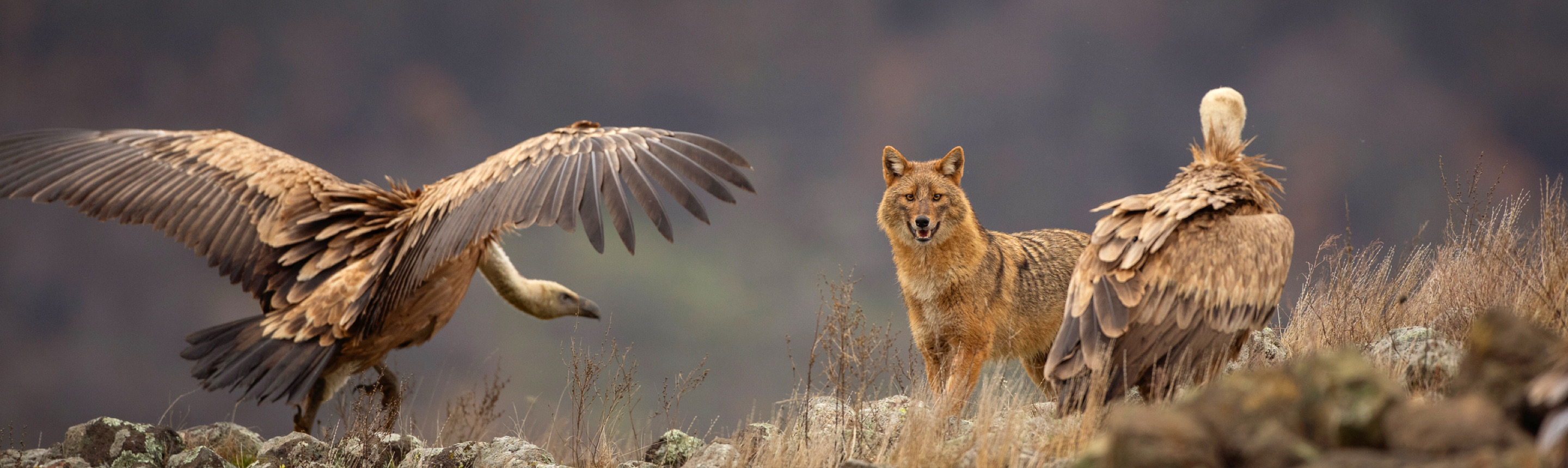
- Island of Cres & Lošinj (Griffon Vultures & Dolphins): These islands are crucial for the endangered Griffon Vulture. The Beli Visitor Centre on Cres is dedicated to their protection and offers viewing opportunities. The waters around Lošinj are also home to a resident population of bottlenose dolphins, which can often be photographed from dedicated boat tours.
- Target Species: Griffon Vulture, Bottlenose Dolphin, Eleonora’s Falcon (migratory).
- Photography Tips: Visit the Beli centre for vulture information. Book reputable dolphin-watching tours.
Best Time to Visit
- Spring (April-June): Ideal for bird photography, as migratory species return and breeding season begins. Mammals are more active with young. Lush greenery and wildflowers provide beautiful backdrops.
- Autumn (September-November): Excellent for large mammals as they prepare for winter (e.g., deer rutting season). Fewer tourists mean quieter parks. Autumn colors add dramatic flair to landscapes.
- Summer (July-August): Can be very hot and crowded, especially on the coast. Wildlife activity is generally lower during midday. However, marine life photography is good, and early mornings/late evenings can still be productive.
- Winter (December-March): Offers unique opportunities for snow scenes and tracking wildlife. Some birds overwinter in wetlands. Many parks might have limited access due to snow.
Final Essential Tips for Success
- Dress Appropriately: Layers are key, even in summer, especially in mountainous regions. Good hiking boots are a must.
- Learn Local Laws: Respect all park rules, especially regarding off-trail hiking or restricted zones.
- Patience is a Virtue: This cannot be stressed enough. Some of your best shots will come after long waits.
- Enjoy the Process: Even if you don’t get the "perfect" shot, the experience of being immersed in Croatia’s stunning wilderness is a reward in itself.
Croatia, with its profound natural beauty and remarkable biodiversity, offers an unforgettable canvas for the wildlife photographer. By combining careful planning, ethical practices, and a deep appreciation for nature, you can unveil and capture the hidden wilderness of this enchanting Balkan nation, creating images that tell stories of its wild heart. So pack your gear, hone your patience, and prepare to be amazed by Croatia’s untamed side.