

Iceland’s Mountain Majesty: Exploring the Land of Fire and Ice on Foot
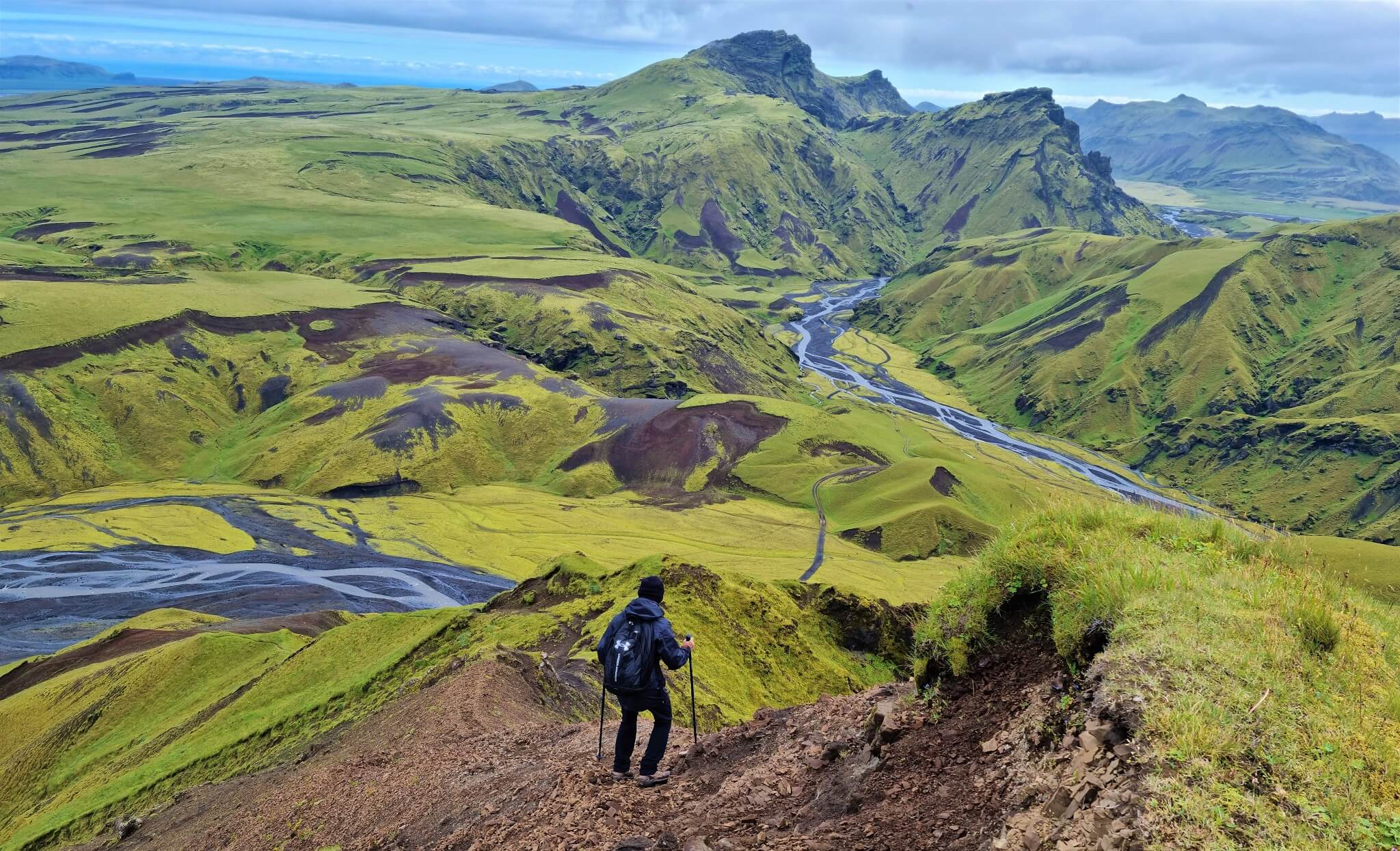
Iceland, a land sculpted by the primal forces of fire and ice, offers a trekking experience unlike anywhere else on Earth. Its dramatic landscapes, forged by volcanic eruptions, glacial erosion, and geothermal activity, present a breathtaking tapestry of raw, untamed wilderness. From rainbow-colored rhyolite mountains and vast black deserts to steaming hot springs and ancient glaciers, the island nation is a hiker’s paradise, promising both profound challenge and unparalleled beauty.
For the intrepid explorer, Iceland’s mountain trekking routes are an invitation to step into a geological wonderland, to witness the planet’s dynamic power up close, and to connect with nature on an intensely personal level. This article delves into the diverse and captivating mountain trekking opportunities in Iceland, providing insights for both seasoned adventurers and those dreaming of their first steps on its hallowed ground.
Why Trek in Iceland? The Unfathomable Allure
The appeal of trekking in Iceland lies in its unique confluence of natural phenomena. Imagine hiking through valleys carved by glaciers, only to ascend a ridge overlooking a vast lava field still steaming from a recent eruption. Picture soaking weary muscles in a natural hot spring after a day of traversing a moon-like desert. These are not mere fantasies; they are daily realities for trekkers in Iceland.
- Geological Diversity: Iceland sits atop the Mid-Atlantic Ridge, making it one of the most volcanically active regions in the world. This geological hotbed results in an astonishing variety of landscapes: vibrant rhyolite mountains in the highlands, stark obsidian deserts, lush green valleys, imposing glaciers, and countless waterfalls.
- Untamed Wilderness: Much of Iceland, particularly its interior highlands, remains uninhabited and untouched by human development. Trekking here offers a profound sense of solitude and immersion in a truly wild environment.
- Ephemeral Beauty: The weather in Iceland is famously fickle, constantly shifting the light and perspective, painting familiar landscapes in entirely new hues. One moment you might be hiking under a brilliant sun, the next through an ethereal mist, adding to the sense of adventure and wonder.
- Sense of Accomplishment: Many of Iceland’s routes are challenging, requiring careful preparation and mental fortitude. Completing a multi-day trek across its formidable terrain brings an immense sense of achievement and a deep connection to the journey.
Preparing for Your Icelandic Expedition
Before lacing up your boots, thorough preparation is paramount. Iceland’s environment, while stunning, demands respect and readiness.
- Best Time to Go: The prime trekking season is mid-June to mid-September. Outside of this window, many routes are inaccessible due to snow, ice, and extreme weather. Even in summer, conditions can change rapidly.
- The Unpredictable Weather: Icelandic weather is a legend in itself. Expect anything and everything within a single day: sunshine, rain, hail, strong winds, and even snow. Layers are your best friend.
- Essential Gear:
- Waterproofs: A high-quality waterproof and windproof jacket and trousers are non-negotiable.
- Layers: Base layers (wool or synthetic), fleece, and an insulating mid-layer.
- Footwear: Sturdy, waterproof hiking boots with good ankle support are crucial. Bring extra socks (wool).
- Navigation: A reliable GPS device, physical maps, and a compass are essential. Mobile phone signal is often non-existent in the highlands.
- Safety Gear: First-aid kit, headlamp, multi-tool, emergency shelter, fire starter.
- Food & Water: Carry enough food for your trek. While some huts offer basic provisions, do not rely on them. Water can often be collected from streams, but always check local advice.
- River Crossings: Many routes involve crossing glacial rivers. Trekking poles are highly recommended for stability. Some rivers are too deep or fast to cross safely on foot and require specific knowledge or a guide.
- Safety First:
- Inform Someone: Always leave your travel plan with a reliable person or use the Icelandic Association for Search and Rescue (ICE-SAR) SafeTravel website/app to register your trip.
- Experience Level: Be honest about your trekking experience and fitness. Some routes are genuinely challenging.
- Guides: For less experienced trekkers or those attempting particularly remote routes, hiring a certified guide is highly recommended.
- Respect Nature: Stick to marked trails, do not disturb wildlife, and practice Leave No Trace principles rigorously.
Iconic Multi-Day Treks: The Jewels in Iceland’s Crown
Iceland boasts several world-renowned multi-day treks that showcase its geological grandeur.
1. The Laugavegur Trail: A Journey Through Rainbow Mountains
Route: Landmannalaugar to Þórsmörk (Thorsmörk)
Distance: Approximately 55 km (34 miles)
Duration: 3-5 days
Difficulty: Moderate to Challenging
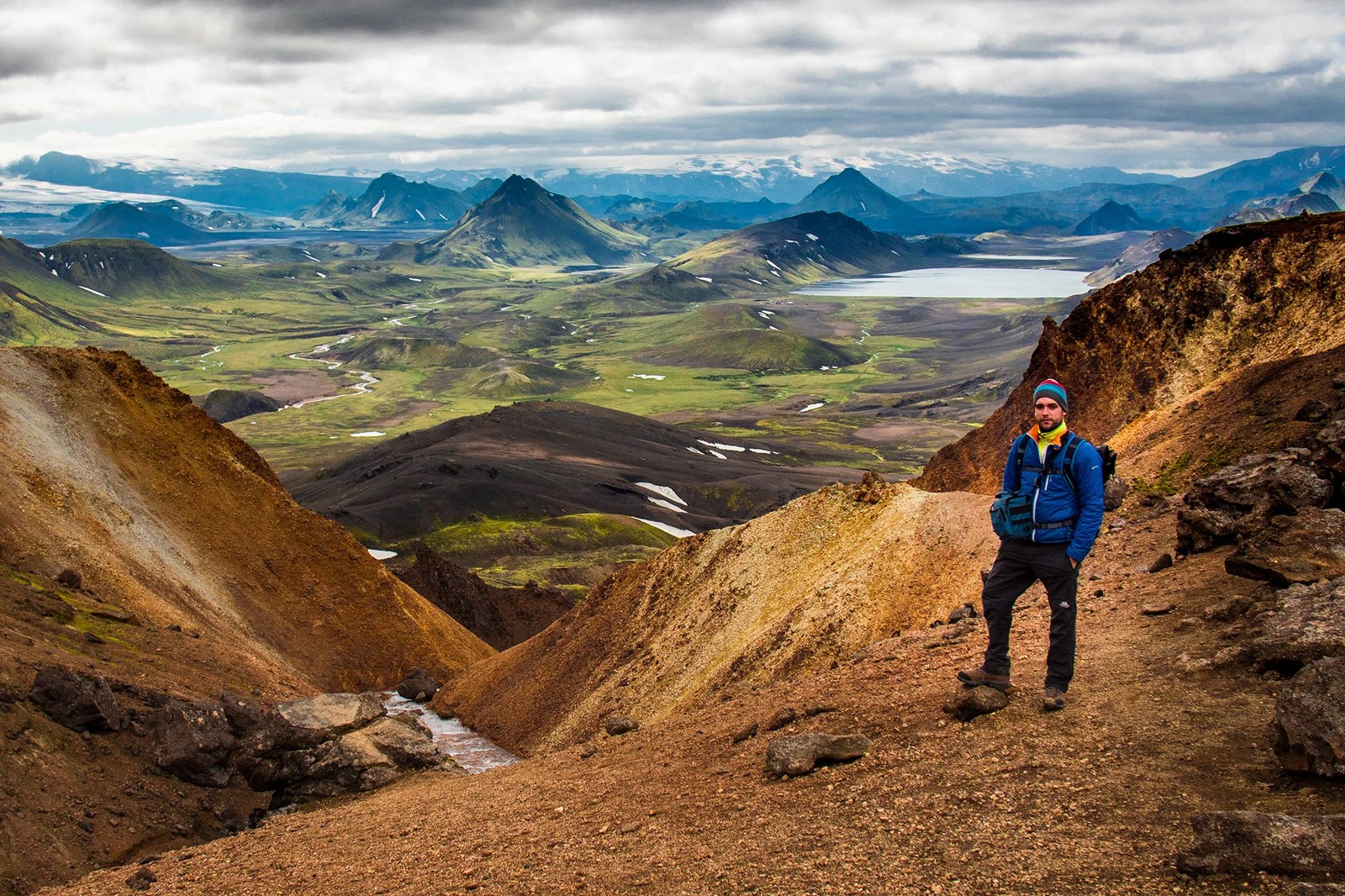
Often hailed as one of the world’s most beautiful treks, the Laugavegur trail is a vibrant spectacle of color and contrast. Starting in the geothermal wonderland of Landmannalaugar, famous for its kaleidoscopic rhyolite mountains and natural hot springs, the trail immediately plunges you into a landscape unlike any other.
The journey unfolds through:
- Breathtaking Rhyolite Peaks: The initial stages are characterized by the multi-colored mountains, painted in hues of red, yellow, green, and blue by various minerals. Steam rises from the ground, hinting at the volcanic activity below.
- Black Obsidian Deserts: As you progress, the landscape transforms into stark, black obsidian deserts, a dramatic contrast to the earlier vibrant tones. This section, particularly around Hrafntinnusker, can feel otherworldly.
- Glacial Views: The trail offers stunning vistas of vast ice caps like Mýrdalsjökull and Eyjafjallajökull, their white expanse contrasting with the dark earth.
- Lush Valleys: The final descent into Þórsmörk, "the Valley of Thor," is a dramatic shift from barren highlands to a verdant, moss-covered valley sheltered by three glaciers. This oasis of birch forests and wildflowers feels like a reward after the challenging terrain.
Logistics: The Laugavegur trail is well-marked and supported by a system of mountain huts (operated by Ferðafélag Íslands – FÍ). Booking these huts well in advance (often months) is essential as they fill up quickly. Camping is also permitted near the huts. Bus transfers operate to Landmannalaugar and from Þórsmörk, making logistics relatively straightforward. River crossings are common, especially after heavy rain, and can be challenging.
2. The Fimmvörðuháls Trail: A Waterfall Wonderland
Route: Þórsmörk to Skógar
Distance: Approximately 25 km (15.5 miles)
Duration: 1-2 days
Difficulty: Challenging
Often combined with the Laugavegur trail (creating a 5-7 day "Laugavegur-Fimmvörðuháls combo"), the Fimmvörðuháls trail is a spectacular and demanding route that takes you between two glaciers, Eyjafjallajökull and Mýrdalsjökull.
Highlights of this epic trek include:
- 26 Waterfalls: Starting from Skógar, the trail ascends alongside the Skógá River, passing an astonishing 26 waterfalls, including the famous Skógafoss, one after another.
- Volcanic Craters: The most iconic section traverses the desolate pass where the 2010 Eyjafjallajökull eruption occurred. You’ll walk between the two new craters, Magni and Móði, still steaming and warm to the touch, and marvel at the raw power of the earth.
- Dramatic Glacier Views: The pass offers unparalleled views of the surrounding glaciers, creating a stark, high-alpine environment.
- Canyon Descents: The final descent into Þórsmörk is a steep and sometimes exposed path through dramatic canyons, requiring careful footing.
Logistics: This trail is more exposed and often features snowfields even in summer. The weather can be extreme, and visibility can drop to zero very quickly. There is one hut (Fimmvörðuháls Hut) roughly halfway, but it’s small and also requires advance booking. Given its challenging nature and exposure, it’s often tackled with a guide or by experienced hikers.
3. Hornstrandir Nature Reserve: The Realm of Arctic Foxes
Route: Various custom routes within the reserve
Distance: Varies, multi-day expeditions
Duration: 3-7 days
Difficulty: Strenuous, Expert Navigation Required
For those seeking true wilderness and solitude, the remote Hornstrandir Nature Reserve in the Westfjords is the ultimate destination. This uninhabited peninsula is accessible only by boat and offers no services, roads, or permanent residents. It’s a place where nature reigns supreme.
Key features:
- Dramatic Bird Cliffs: Towering cliffs like Hornbjarg are home to millions of seabirds, creating an incredible spectacle of sound and life.
- Arctic Foxes: Hornstrandir is one of the best places in Iceland to spot the curious and relatively unafraid Arctic fox.
- Abandoned Settlements: Explore the remnants of old fishing villages and farms, offering a poignant glimpse into the harsh lives of past inhabitants.
- Raw Coastal Beauty: Trek along pristine beaches, through lush valleys, and over mountain passes, all while surrounded by the vastness of the Arctic ocean.
Logistics: This is not a trek for beginners. Trekkers must be entirely self-sufficient, carrying all their food, camping gear, and navigation equipment. Knowledge of wilderness first aid and strong navigation skills are essential. Boat transfers from Ísafjörður or Bolungarvík are the only way in and out. The weather here is even more unpredictable than in the highlands, and thick fog can descend quickly. Guides are highly recommended.
4. Askja Caldera and Víti Crater: A Lunar Landscape Adventure
Route: Day trip from Dreki Hut or multi-day trek from various starting points
Distance: Varies (e.g., 8 km round trip to Víti from Dreki)
Duration: Day trip or 2-4 days
Difficulty: Moderate to Challenging (due to remoteness and river crossings)
Located deep within the desolate Central Highlands, Askja is a vast caldera formed by ancient volcanic eruptions. The trek here is an immersion into a truly lunar landscape, used by NASA for Apollo astronaut training.
Highlights include:
- Víti Crater: The star attraction is the Víti crater, a geothermal lake with milky blue water warm enough for bathing.
- Öskjuvatn Lake: Adjacent to Víti is Öskjuvatn, a much larger, deep blue lake, the deepest in Iceland, formed by a massive eruption in 1875.
- Desolate Beauty: The surrounding landscape is characterized by black sand, lava fields, and sparse vegetation, creating an eerie yet captivating atmosphere.
Logistics: Access to Askja typically requires a 4×4 vehicle to navigate the F-roads and numerous unbridged river crossings. Many choose to join organized tours from Lake Mývatn or Egilsstaðir. For trekkers, the most common base is Dreki Hut, from which the hike to Víti is a relatively easy few hours. Multi-day treks to Askja are possible from different directions, often involving long stretches through featureless terrain, demanding excellent navigation and self-sufficiency.
Shorter Adventures and Day Hikes
For those with less time or experience, Iceland offers countless stunning day hikes:
- Skaftafell Nature Reserve (Vatnajökull National Park): Home to the beautiful Svartifoss waterfall (with its basalt columns), trails to glacial tongues, and opportunities for guided glacier walks.
- Glymur Waterfall: Iceland’s second-highest waterfall, accessed via a challenging but rewarding hike through a scenic canyon.
- Reykjadalur Hot Spring Thermal River: A popular hike near Hveragerði that leads to a natural hot river where you can bathe.
- Mount Esja: Easily accessible from Reykjavik, offering various trails with stunning views of the capital city and Faxaflói Bay.
Responsible Trekking: Protecting Iceland’s Fragile Beauty
As more people discover the magic of Iceland, the importance of responsible tourism grows.
- Stay on Marked Trails: This protects fragile vegetation and prevents erosion.
- Leave No Trace: Pack out everything you pack in. Do not leave any waste, including organic matter.
- Respect Wildlife: Observe animals from a distance and never feed them.
- Be Prepared: Your safety is your responsibility. Do not take unnecessary risks.
- Support Local: Choose local guides and services where possible.
Conclusion
Iceland’s mountain trekking routes offer an unparalleled journey into the heart of a raw, dynamic landscape. From the vibrant hues of Landmannalaugar to the desolate beauty of Hornstrandir, each step is a testament to the planet’s incredible power and artistry. Whether you seek the challenge of a multi-day epic or the serenity of a day hike to a hidden waterfall, Iceland promises an adventure that will ignite your senses, challenge your spirit, and leave an indelible mark on your soul. It is a land that whispers ancient tales of fire and ice, inviting all who dare to explore its majestic mountains to become a part of its ongoing story. So, pack your bags, prepare your spirit, and step into the extraordinary world of Icelandic trekking. The mountains are calling.