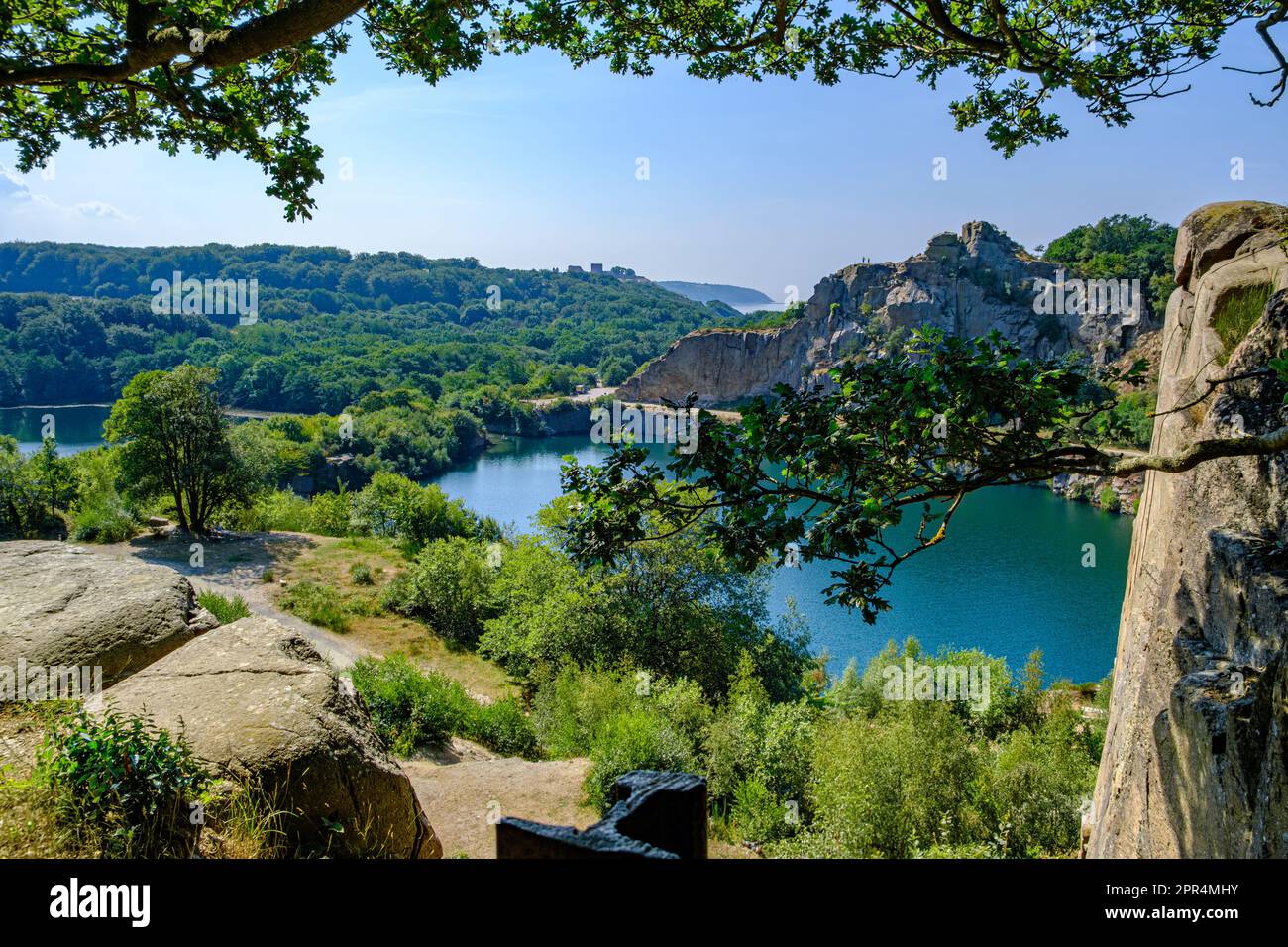


Denmark’s Serene Sanctuaries: Exploring the Scenic Lakes of a Nordic Gem
When one thinks of Denmark, images of vibrant Copenhagen, historic castles, Viking lore, and the cozy concept of hygge often spring to mind. What might be less immediately apparent, however, is the country’s profound natural beauty, particularly its numerous and surprisingly diverse lakes. Far from the dramatic, fjord-carved landscapes of its Scandinavian neighbours, Denmark offers a more subtle, gentle beauty – a tapestry of rolling hills, ancient forests, and, most notably, a network of tranquil lakes that serve as vital ecological hubs, recreational havens, and silent witnesses to centuries of history.
These aren’t the towering, alpine lakes of Switzerland or the vast, untamed waters of North America. Danish lakes possess a unique charm: often fringed by lush woodlands, dotted with tiny islands, and frequently connected to picturesque towns or majestic royal estates. They offer a different kind of serenity – one that invites quiet contemplation, gentle exploration, and an intimate connection with nature. For the discerning traveller seeking an escape from the urban hustle, or simply a deeper dive into Denmark’s understated allure, exploring these scenic lakes is an absolute must.
This article will guide you through some of Denmark’s most enchanting lake regions, highlighting their unique characteristics, the activities they offer, and the sense of peace they invariably impart. From the "Lake District" of Central Jutland to the royal waters of North Zealand, prepare to discover a side of Denmark that whispers rather than shouts, promising rejuvenation and a profound sense of hygge in nature.
The Heart of the Danish Lake District: Central Jutland
Perhaps the most renowned region for lake exploration in Denmark is Central Jutland, often affectionately referred to as the "Danish Lake District." Centred around the charming town of Silkeborg, this area boasts a stunning chain of interconnected lakes and waterways, all nestled within what passes for "highlands" in Denmark – a landscape shaped by ancient glaciers, featuring gentle hills and deep, verdant valleys.
Silkeborg Langsø, Julsø, and Borresø: These three lakes form the core of the Silkeborg lake system, offering a breathtaking panorama of natural beauty. Silkeborg Langsø (Long Lake) stretches directly through the town of Silkeborg, its shores lined with parks and accessible pathways. As you venture further east, the landscape opens up to the expansive Julsø and Borresø, both renowned for their pristine waters and the surrounding, densely forested hills.
- Activities: The Silkeborg lakes are a paradise for outdoor enthusiasts.
- Boating and Kayaking: Rent a kayak, canoe, or rowboat and paddle through the serene waters, discovering hidden coves and small islands. The interconnectedness of the lakes allows for multi-day expeditions.
- The Hjejlen Steamship: A truly iconic experience is a cruise aboard the Hjejlen, the world’s oldest paddle steamer still in operation, dating back to 1861. It offers leisurely tours across Julsø, often culminating at the base of Himmelbjerget (Sky Mountain).
- Hiking and Cycling: The region is crisscrossed with well-maintained trails. Himmelbjerget, while only 147 meters high, offers panoramic views of the lake district – a testament to Denmark’s unique definition of a "mountain." The surrounding forests, like Sønderskov and Nordskov, are perfect for long walks or invigorating bike rides.
- Fishing: The lakes are rich in fish species, including pike, perch, and zander, making them popular spots for anglers.
- Swimming: Especially Almind Sø, known for its exceptionally clear and clean water, is a popular spot for swimming during the warmer months, boasting some of Denmark’s cleanest lake water.
The town of Silkeborg itself is a delightful base, offering museums (including the Silkeborg Museum, home to the Tollund Man), art galleries, and a vibrant café culture, all set against the backdrop of its namesake lake.
North Zealand’s Royal Waters: History and Nature Intertwined
Moving north from Copenhagen, the region of North Zealand presents a different, yet equally captivating, array of lakes. Here, the natural beauty of the water is often complemented by the grandeur of royal castles and historic estates, creating a landscape that feels both wild and cultivated.
Arresø: As Denmark’s largest lake by area, Arresø is a truly impressive body of water. Its vastness offers a sense of open space, and its shores are largely undeveloped, preserving a wild, natural character.
- Characteristics: Arresø is relatively shallow and known for its rich birdlife. The surrounding marshlands and forests are a haven for numerous species, making it a prime destination for birdwatchers.
- Activities:
- Birdwatching: Observation towers and designated viewing spots are scattered around the lake, providing excellent opportunities to spot eagles, ospreys, and various waterfowl.
- Cycling: A scenic cycling route encircles the lake, offering stunning views and a chance to explore the charming villages and forests along its perimeter.
- Kayaking and Canoeing: While its size can make it susceptible to wind, on calm days, kayaking on Arresø offers a unique perspective of its wild beauty.
- Historical Sites: Near the lake, you’ll find the ruins of Dronningholm Castle and the charming town of Frederiksværk, known for its industrial heritage.
Esrum Sø: Just a short distance from Arresø lies Esrum Sø, Denmark’s second-largest lake. This deep, clear lake is arguably one of the most picturesque, its western shore graced by the majestic Frederiksborg Castle and the elegant Fredensborg Palace.
- Characteristics: Esrum Sø is deeper and clearer than Arresø, making it popular for sailing and swimming. The eastern shore is largely protected forest, part of Gribskov, one of Denmark’s largest forests.
- Activities:
- Sailing and Windsurfing: The lake’s size and often reliable winds make it ideal for various watersports.
- Rowing and Kayaking: Several clubs and rental facilities are available.
- Hiking and Horse Riding: Gribskov offers extensive trails for both activities, with stunning views of the lake peeking through the trees.
- Visiting Frederiksborg Castle: While not directly on the lake, this iconic Renaissance castle in Hillerød is just a stone’s throw away and its baroque garden extends towards the lake’s vicinity.
- Esrum Abbey & Møllegård: On the eastern shore, the beautifully preserved Esrum Abbey offers a fascinating glimpse into medieval monastic life, complete with an organic farm and shop.
Furesø: Closest to Copenhagen, Furesø is Denmark’s deepest lake and a popular recreational spot for city dwellers seeking a quick escape into nature. It is part of the Mølleåen valley system, an area rich in industrial history.
- Characteristics: Furesø’s depth (up to 38 meters) contributes to its clear waters. Its shores are a mix of protected natural areas, recreational parks, and residential areas.
- Activities:
- Swimming: Designated bathing areas are popular in summer.
- Sailing and Rowing: Numerous yacht clubs and rowing associations are based here.
- Picnicking and Relaxing: The surrounding parks, like Furesø Park, are perfect for family outings.
- Hiking and Cycling: Trails connect Furesø with the other lakes in the Mølleåen system, offering longer routes.
Bagsværd Sø: Known internationally for its rowing regattas, Bagsværd Sø is another beautiful lake near Copenhagen. While it has a strong sporting focus, it also offers serene natural beauty.
- Activities:
- Rowing: Home to Denmark’s national rowing centre and host to international competitions.
- Kayaking and Canoeing: Recreational paddling is popular.
- Walking and Running: A scenic path encircles the lake, popular with joggers and walkers.
Beyond the Main Hubs: Hidden Gems and Diverse Experiences
While Central Jutland and North Zealand offer the most concentrated lake experiences, Denmark’s smaller, often overlooked lakes scattered across the country each hold their own unique appeal.
Sorø Sø (Zealand): Located in the heart of Zealand, Sorø Sø is an idyllic lake surrounded by the historic Sorø Academy, a prestigious boarding school with roots tracing back to a medieval Cistercian monastery. The lake is perfect for gentle strolls, boat trips, and enjoying the peaceful atmosphere of this academic town. The presence of the academy adds a touch of intellectual grandeur to the natural beauty.
The Lakes of Copenhagen (Sortedams Sø, Peblinge Sø, Sankt Jørgens Sø): Even within the bustling capital, a string of artificial lakes (known simply as "The Lakes" – Søerne) offers an urban oasis. While not "wild" in the same sense as the others, they are beloved by locals for jogging, cycling, and simply sitting by the water, providing a refreshing break from city life. They embody a different kind of scenic beauty – one integrated into the urban fabric, reflecting historic buildings and vibrant street life.
Lakes for Fishing: Many smaller lakes across Denmark, particularly in Jutland, are stocked for put-and-take fishing, offering a tranquil pastime for anglers. These often include picturesque surroundings, making the experience about more than just the catch.
Lakes for Wildlife: Beyond Arresø, many protected wetlands and smaller lakes throughout Denmark are crucial habitats for migratory birds and local wildlife. Exploring these areas with binoculars can be a deeply rewarding experience, offering glimpses of rare species in their natural environment.
Planning Your Danish Lake Adventure
To truly appreciate Denmark’s scenic lakes, consider these practical tips:
- Best Time to Visit: Spring (April-May) offers blossoming landscapes and migratory birds. Summer (June-August) is ideal for swimming, boating, and enjoying longer daylight hours. Early autumn (September-October) brings stunning foliage colours and crisp air, perfect for hiking and cycling.
- Getting Around: While public transport can get you to towns near some lakes, a car offers the most flexibility to explore the more secluded spots and connect between different lake areas. Cycling is also a fantastic way to experience the regions at a slower, more immersive pace.
- Accommodation: Options range from charming lakeside hotels and guesthouses to well-equipped campsites and holiday homes. Many campsites are beautifully situated, offering direct access to the water.
- What to Bring: Layers of clothing (Danish weather can be unpredictable), comfortable walking shoes, a reusable water bottle, a camera, and binoculars for wildlife spotting are highly recommended. Don’t forget swimwear if visiting in summer!
- Respect Nature: Denmark takes its natural heritage seriously. Stick to marked trails, dispose of waste properly, and be mindful of local regulations, especially concerning fishing, fires, and wildlife.
Conclusion: A Deeper Dive into Danish Hygge
Denmark’s scenic lakes offer a compelling counter-narrative to the country’s often-perceived flatness and urban focus. They are dynamic ecosystems, historical landscapes, and tranquil havens, each telling a unique story through its shimmering surface and verdant shores. Whether you seek the active adventure of kayaking across the Silkeborg lakes, the historical grandeur reflected in Esrum Sø, or the simple pleasure of a quiet stroll by Arresø, these waters promise a profound sense of peace and a deeper connection to the Danish soul.
Exploring these lakes is not just about visiting a place; it’s about embracing a pace of life, a quiet appreciation for beauty, and discovering a unique facet of Danish hygge – one found not just in cozy interiors, but in the refreshing embrace of nature. So, pack your bags, lace up your hiking boots, and prepare to be enchanted by the serene sanctuaries that are Denmark’s magnificent lakes. They await, ready to reveal their understated charm and invite you into their calm, captivating world.