

Norway’s Green Heart: Exploring Eco-Tourism Paradises
Norway, a land of unparalleled natural beauty, where dramatic fjords carve their way through towering mountains, glaciers glint under the midnight sun, and the Northern Lights dance across Arctic skies, is more than just a picturesque destination. It is a pioneer in sustainable tourism, offering a profound array of eco-tourism experiences that invite travelers to connect deeply with nature while preserving its pristine integrity. For the conscious traveler, Norway presents an opportunity to explore breathtaking landscapes, engage with local cultures, and contribute positively to environmental conservation, making it a true green heart of Europe.
Eco-tourism in Norway is intrinsically linked to the nation’s profound respect for nature, embodied in "Allemannsretten" – the everyman’s right to roam. This ancient custom grants everyone the right to access and enjoy uncultivated land, provided they do so responsibly, leaving no trace behind. This philosophy underpins the entire eco-tourism ethos in Norway, encouraging exploration that is both adventurous and respectful. From the majestic fjords of Western Norway to the remote wilderness of Svalbard, the country offers a diverse palette of eco-friendly adventures.
The Majestic Fjords: A UNESCO World Heritage Embrace
Western Norway’s fjords are arguably its most iconic feature, and several are recognized as UNESCO World Heritage Sites, symbolizing their global importance. Among these, the Geirangerfjord and Nærøyfjord stand out not only for their breathtaking beauty but also for their commitment to sustainable tourism.
-
Geirangerfjord: With its cascading waterfalls like "The Seven Sisters" and "Bridal Veil," and sheer, almost vertical cliffs, Geirangerfjord is a spectacle of nature’s raw power. Eco-tourism here focuses on minimizing the impact of visitors. Electric ferries and hybrid cruise ships are increasingly common, offering silent, emission-free journeys that allow passengers to absorb the tranquility without disturbing the delicate ecosystem. Kayaking is a popular eco-friendly activity, providing an intimate perspective of the fjord’s grandeur at water level. Hikers can explore well-marked trails leading to stunning viewpoints, such as Ørnesvingen (Eagle Road) or Flydalsjuvet, where panoramic vistas reward their efforts. Local farms nestled along the fjord offer organic produce and traditional Norwegian hospitality, providing authentic cultural experiences that support the local economy.
-
Nærøyfjord: A narrow, dramatic offshoot of the larger Sognefjord, Nærøyfjord is often considered one of the world’s most beautiful fjords. Like Geirangerfjord, it is committed to sustainability, with many tour operators offering electric boat tours. The surrounding villages, like Gudvangen and Flåm, serve as gateways to adventures. Travelers can embark on scenic hikes, rent bicycles to explore the stunning Flåm Valley, or take the renowned Flåm Railway, a marvel of engineering that climbs steeply through tunnels and past waterfalls, showcasing responsible infrastructure development. Engaging with local communities through homestays or trying locally sourced food further enhances the eco-tourism experience.
The Lofoten Islands: Coastal Charms and Arctic Lights
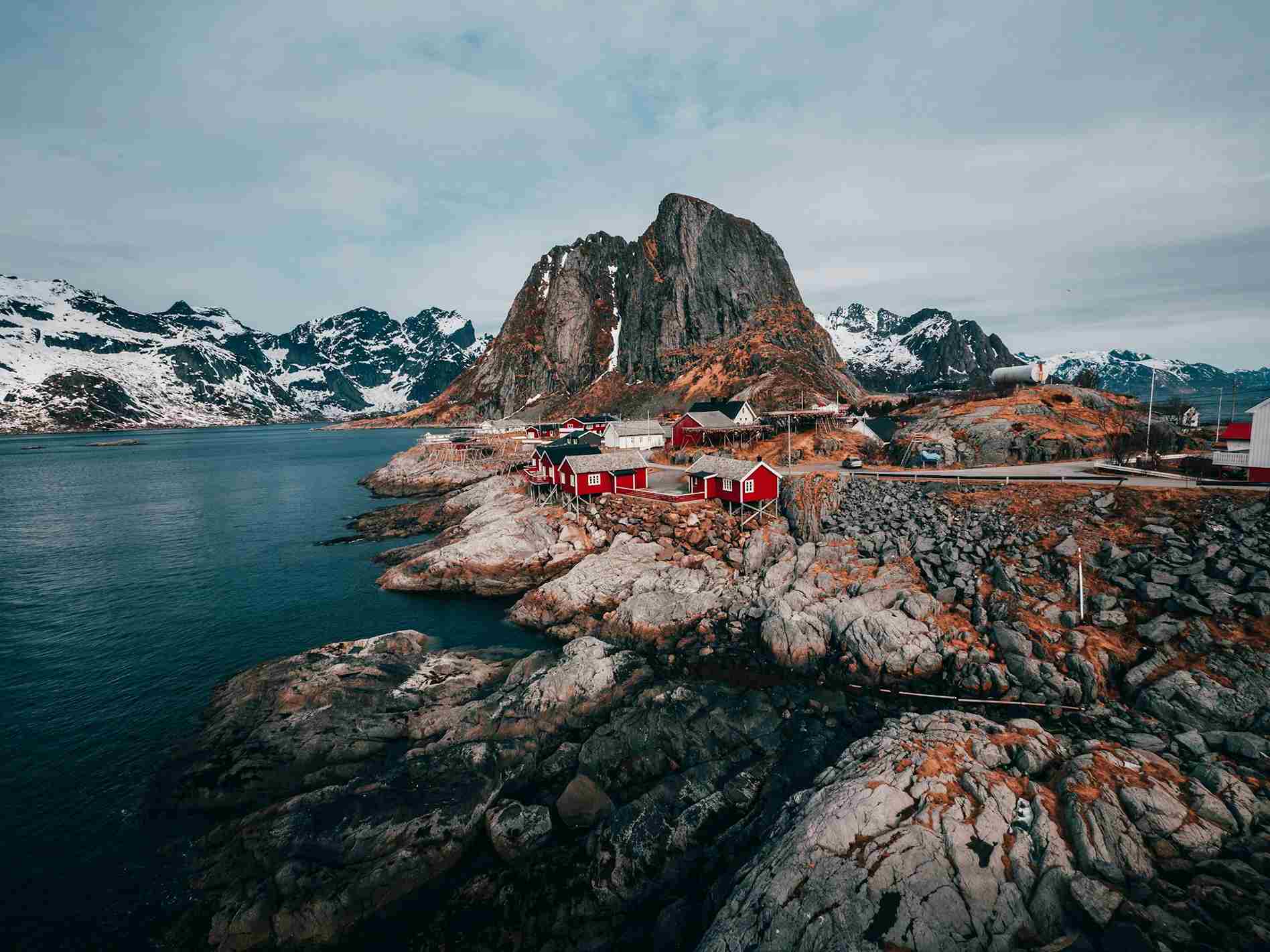
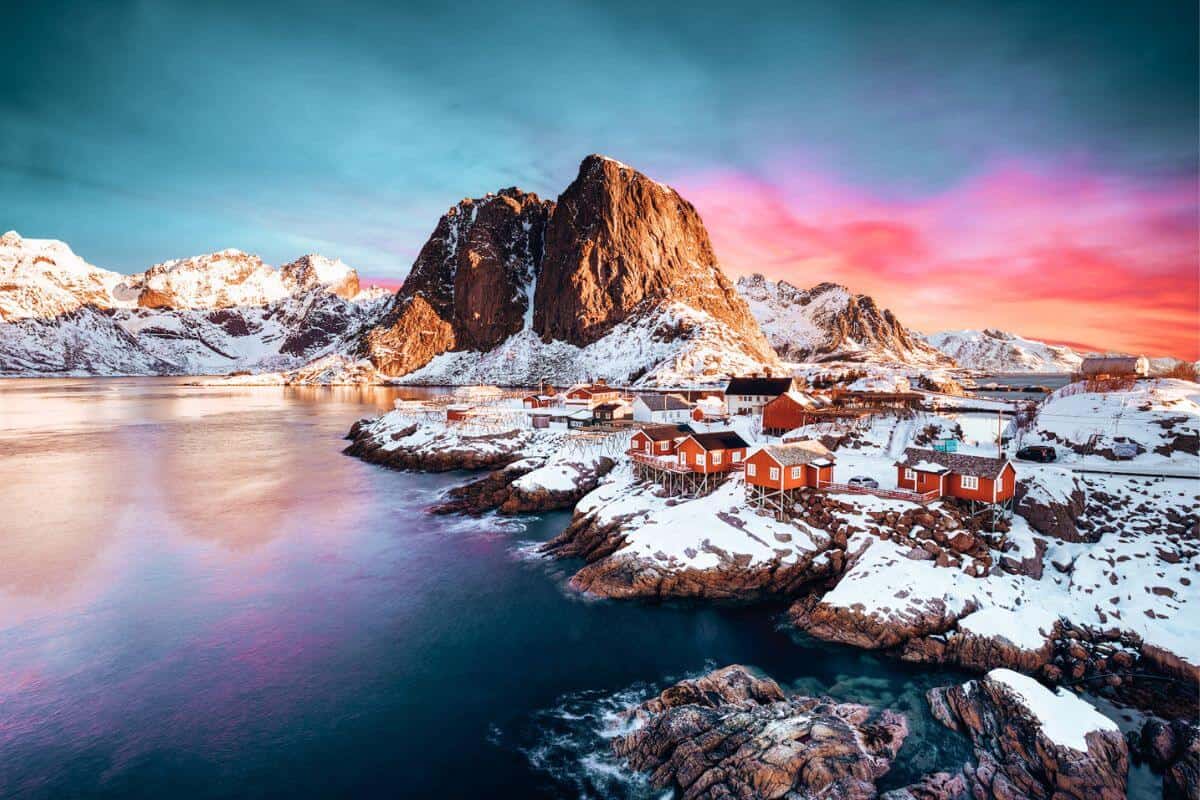
Further north, above the Arctic Circle, lie the Lofoten Islands, a true gem of Norway’s coastline. Known for their dramatic peaks rising directly from the sea, picturesque fishing villages with traditional rorbuer (fishermen’s cabins), and pristine beaches, Lofoten offers a unique blend of adventure and cultural immersion.
- Sustainable Activities: Hiking is paramount in Lofoten, with trails ranging from easy coastal walks to challenging ascents like Reinebringen, offering unparalleled views of the archipelago. Sea kayaking allows for close encounters with the rich marine life and offers a quiet way to navigate the fjords and sheltered bays. Birdwatching is also a major draw, especially during nesting season when puffins and sea eagles can be spotted. Responsible wildlife viewing, maintaining a respectful distance, is crucial here.
- Cultural Preservation: Lofoten’s fishing heritage is alive and well, and visitors can learn about sustainable fishing practices that have been passed down through generations. Many rorbuer have been renovated into comfortable accommodations, offering a chance to stay in traditional lodgings while supporting local businesses. Cycling along scenic coastal roads or exploring charming villages like Nusfjord (another UNESCO site) provides a low-impact way to experience the islands’ unique character. The region is also an excellent spot for viewing the Midnight Sun in summer and the Northern Lights in winter, with local tour operators often offering eco-friendly photography tours.
Jotunheimen National Park: Realm of the Giants
For those who seek the raw majesty of mountains, Jotunheimen National Park in central Norway, aptly named "Home of the Giants," offers some of the country’s most spectacular alpine scenery. Home to Norway’s highest peaks, glaciers, and pristine lakes, it’s a paradise for hikers and mountaineers committed to leaving no trace.
- Trekking and Glacier Walks: The iconic Besseggen Ridge hike, known for its narrow, exhilarating path between two lakes of different colors, is a highlight. Hut-to-hut trekking, utilizing the well-maintained network of DNT (Norwegian Trekking Association) cabins, promotes responsible wilderness travel by providing basic accommodations and reducing the need for extensive camping gear. Guided glacier walks on Jostedalsbreen (the largest glacier in mainland Europe, adjacent to Jotunheimen) offer a unique experience, always emphasizing safety and minimal environmental impact. The focus here is on self-sufficiency, respect for the fragile alpine environment, and enjoying the solitude of the high mountains.
Svalbard: Arctic Wilderness and Conservation
At the very top of the world, halfway between mainland Norway and the North Pole, lies Svalbard, an archipelago of remote, icy wilderness. This is the realm of polar bears, walruses, and vast glaciers, offering an unparalleled Arctic eco-tourism experience that is heavily regulated to protect its unique environment.
- Strict Regulations for a Fragile Ecosystem: Tourism in Svalbard operates under strict environmental guidelines. Small-group expedition cruises are the primary way to explore, with operators adhering to "Leave No Trace" principles and minimizing disturbance to wildlife. Activities like dog sledding and snowmobiling are popular, but they are carefully managed to ensure sustainability and animal welfare.
- Wildlife Viewing and Education: Observing polar bears, reindeer, Arctic foxes, and various marine mammals (seals, whales) in their natural habitat is a profound experience. Responsible tour guides provide vital education on the ecosystem, climate change impacts, and the importance of conservation. Visitors are reminded of the strict rules regarding distance from wildlife and prohibited activities. Svalbard is not just a destination; it’s a living laboratory for climate research, and eco-tourism here contributes to awareness and funding for these critical efforts.
Northern Norway: Sami Culture and Aurora Experiences
Beyond Lofoten and Svalbard, the broader region of Northern Norway offers incredible eco-tourism opportunities, particularly focusing on indigenous Sami culture and the magical Northern Lights.
- Sami Cultural Immersion: Engaging with the Sami people, Europe’s only indigenous population, offers a unique cultural eco-tourism experience. Visitors can participate in reindeer herding, stay in traditional lavvo (Sami tents), learn about Sami handicrafts, and listen to traditional joik singing. These experiences are offered by local Sami communities, ensuring authenticity and direct support for their traditions and livelihoods, fostering respect for their ancient way of life and connection to the land.
- Responsible Whale Watching and Northern Lights: Tromsø, often called the "Gateway to the Arctic," is a hub for ethical whale watching tours (seasonal, typically late autumn/winter), focusing on respectful observation without disturbing the whales. Northern Lights tours are also popular, with many operators using electric vehicles or small groups to minimize light pollution and environmental impact, often combined with cultural stories or wilderness camping experiences.
Southern Norway’s Coastal and Mountain Gems
While the north is wild, Southern Norway also boasts stunning eco-tourism sites that draw crowds for good reason, demanding a conscious approach to travel.
- Lysefjord and Iconic Hikes: The Lysefjord is home to two of Norway’s most famous natural landmarks: Preikestolen (Pulpit Rock) and Kjeragbolten. These iconic hikes offer breathtaking views, but their popularity means responsible tourism is paramount. Visitors are encouraged to hike during off-peak hours, stay on marked trails, and pack out all waste. Guided hikes ensure safety and provide insights into the geology and ecology of the area. Scenic fjord cruises, increasingly on electric vessels, provide another perspective on these dramatic landscapes.
Principles of Responsible Eco-Tourism in Norway
To truly embrace eco-tourism in Norway, travelers should adhere to a few core principles:
- Leave No Trace: Pack out everything you pack in. Respect wildlife, plants, and natural habitats.
- Support Local: Choose locally owned accommodations, restaurants, and tour operators. Buy local crafts and produce.
- Respect Culture: Be mindful and respectful of local traditions, especially when interacting with Sami communities.
- Choose Sustainable Transport: Opt for public transport (trains, buses, electric ferries), bicycles, or walking whenever possible.
- Minimize Waste: Reduce plastic use, carry a reusable water bottle, and dispose of waste properly.
- Educate Yourself: Learn about the places you visit, their environmental challenges, and conservation efforts.
- Conserve Resources: Be mindful of water and energy consumption, especially in remote areas.
Conclusion
Norway offers an unparalleled canvas for eco-tourism, where the grandeur of nature meets a profound commitment to sustainability. From the silent majesty of its fjords and the rugged beauty of its mountains to the pristine wilderness of the Arctic and the rich tapestry of Sami culture, every experience is an invitation to connect with the planet in a meaningful way. By choosing responsible operators, respecting the environment, and engaging thoughtfully with local communities, travelers can not only witness Norway’s green heart but also contribute to its enduring preservation for generations to come. In a world increasingly seeking authentic and impactful travel, Norway stands as a shining example of how adventure, culture, and conservation can harmoniously coexist.