

Beyond the Lagom Facade: Exploring Sweden’s Enduring and Unique Traditions
Sweden, often perceived as a beacon of modernity, innovation, and sleek design, presents a fascinating paradox. Beneath its contemporary veneer and reputation for efficiency lies a nation deeply rooted in ancient customs and vibrant traditions. These rituals, ranging from joyous celebrations of light and nature to quirky culinary adventures, offer a profound glimpse into the Swedish soul, revealing a people who cherish community, connection to the natural world, and the rhythmic passage of seasons. To truly understand Sweden is to delve into these unique traditions that shape its identity, year after year.
This article invites you on a journey to explore the distinct tapestry of Swedish traditions, examining their historical origins, their contemporary practice, and the enduring values they represent. From the midsummer revelry to the quiet solace of fika, prepare to uncover the heart of Swedish culture.
1. Midsummer (Midsommar): The Quintessence of Swedish Joy
If there is one tradition that encapsulates the spirit of Sweden, it is Midsummer (Midsommar). Celebrated around the summer solstice, typically on a Friday between June 19th and 25th, it is arguably the most important holiday in the Swedish calendar, even more so than Christmas. As the longest day of the year bathes the landscape in almost perpetual daylight, Swedes flock to the countryside to celebrate the arrival of summer, fertility, and light.
The centerpiece of Midsummer is the Maypole (Midsommarstång), a tall wooden pole adorned with leaves and flowers, often featuring two large wreaths at the top. Families and friends gather to raise the pole, after which they dance around it, singing traditional folk songs and performing playful movements, most famously the "little frogs" dance (Små grodorna). Women and girls wear handmade flower wreaths in their hair, symbolizing nature’s bounty and fertility.
The celebration is a feast for the senses. Tables groan under the weight of traditional dishes: pickled herring (sill) in various marinades, new potatoes with fresh dill, sour cream and chives, gravlax, and copious amounts of fresh strawberries and cream for dessert. Schnapps (snaps) flows freely, often accompanied by lively drinking songs (snapsvisor).
Beyond the merriment, Midsummer holds a touch of magic and folklore. Young women are said to collect seven different wildflowers and place them under their pillow to dream of their future spouse. The dew collected on Midsummer morning is believed to have healing properties. This deep connection to nature, the collective joy, and the celebration of light after a long, dark winter make Midsummer a uniquely Swedish expression of communal happiness and a vital part of the national identity. It’s a moment where the entire country seems to collectively exhale and embrace the warmth and light.
2. Saint Lucia Day (Lucia): A Beacon in the Darkness
As Midsummer celebrates the peak of light, Saint Lucia Day (Lucia), on December 13th, offers a poignant counterpoint, providing a much-needed beacon of hope during the darkest time of the year. Lucia is a tradition unique to Sweden, though it has roots in both pagan winter solstice rituals and the Christian legend of Saint Lucy of Syracuse.
The celebration begins before dawn, as a procession of young people, dressed in white gowns, emerges from the darkness. The central figure, Lucia, wears a crown of lit candles (now often electric for safety), symbolizing light and warmth. She is accompanied by "star boys" (stjärngossar) with cone-shaped hats and star wands, and "tärnor" (maidens) also in white, holding candles.
The Lucia procession visits schools, workplaces, hospitals, and churches, singing traditional carols that blend the story of Saint Lucy with Swedish folk melodies. The air is filled with the scent of saffron buns (lussekatter), ginger snaps (pepparkakor), and mulled wine (glögg), which are served to the onlookers.
Lucia is more than just a performance; it’s a communal act of bringing light and comfort to others. It’s a beautiful, ethereal tradition that stands in stark contrast to the often harsh Swedish winter, reminding people of the promise of returning light and the importance of compassion and community during challenging times. It embodies a serene elegance and a deep-seated cultural need to combat the winter’s gloom with shared warmth and song.
3. Fika: The Sacred Ritual of Connection
While not a grand seasonal festival, Fika is arguably the most pervasive and unique daily tradition in Sweden, woven into the very fabric of social and professional life. More than just a coffee break, fika is a cultural institution, a moment to pause, connect, and enjoy.
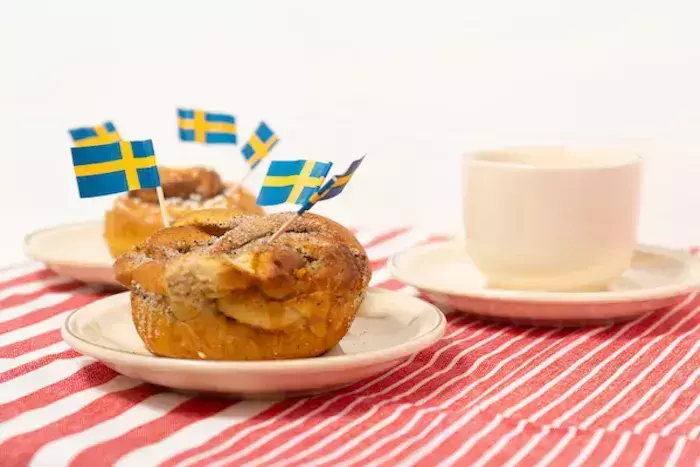
The word "fika" itself is thought to be a playful reversal of the word "kaffe" (coffee). It typically involves a cup of coffee (though tea or other beverages are also common) and a sweet pastry, most famously the cinnamon bun (kanelbulle) or cardamom bun (kardemummabulle). However, the essence of fika lies not in what you consume, but in the act of taking a break with others.
In workplaces, fika is a scheduled event, often twice a day, where colleagues gather to chat, share ideas, and unwind. It’s a democratic space where hierarchies dissolve, fostering camaraderie and informal communication. Socially, fika is a go-to for catching up with friends, meeting new people, or simply enjoying a quiet moment of reflection.
The uniqueness of fika lies in its mandatory, almost ritualistic nature and its emphasis on presence and connection. It’s a deliberate slowdown in an increasingly fast-paced world, a testament to the Swedish value of balance, well-being, and social cohesion. It encourages mindful enjoyment and reinforces the bonds of community, one cup of coffee and pastry at a time. It’s a micro-tradition that has macro-effects on Swedish society.
4. Kräftskiva (Crayfish Party): A Late Summer Delight
As Midsummer heralds the beginning of summer, the Kräftskiva (Crayfish Party) marks its joyous, if slightly messy, farewell. These vibrant late-summer gatherings, typically held in August, celebrate the crayfish season with gusto.
Originating from a time when crayfish harvesting was restricted to late summer, the kräftskiva is an outdoor affair, often held on balconies, in gardens, or by a lake. The setting is adorned with paper lanterns, often featuring moon faces or crayfish motifs, and party hats and bibs are mandatory for guests.
The main event is, of course, the crayfish, boiled in a brine with plenty of dill. Eaten with bare hands, they are enthusiastically sucked clean of their flavorful juices. Accompanied by crispbread, Västerbotten cheese pie, and plenty of snaps, the meal is lively and interactive. Just like Midsummer, snapsvisor (drinking songs) are an integral part of the experience, with guests raising their glasses in unison after each verse.
The kräftskiva embodies a relaxed, unpretentious form of celebration. It’s about savoring the last warm evenings, enjoying simple pleasures, and indulging in a unique culinary experience with friends and family. It’s a distinctly Swedish way to embrace the fleeting beauty of summer before the autumn chill sets in.
5. Surströmming: The Challenge of Fermented Herring
For the truly adventurous, Sweden offers a culinary tradition that challenges the senses like no other: Surströmming, or fermented Baltic Sea herring. This notorious delicacy is typically consumed outdoors, usually from late August, due to its intensely pungent odor.
The herring is caught in spring, salted, and fermented for several months, a process that creates a very strong aroma and a unique, tangy flavor. The cans, which often bulge due to the ongoing fermentation, are usually opened underwater to contain the powerful smell.
Surströmming is traditionally eaten with thin bread (tunnbröd), boiled potatoes, raw red onion, and sour cream. Many Swedes also enjoy it with Västerbotten cheese and a cold beer or schnapps to cut through the strong taste.
While its smell is infamous and often off-putting to outsiders (and even many Swedes), surströmming holds a special place in the hearts of its devotees. It’s not just a food; it’s an experience, a rite of passage, and a conversation starter. It represents a tenacious adherence to tradition, a willingness to embrace the extreme, and a unique part of Sweden’s gastronomic heritage that few other cultures can match in its boldness. It’s a testament to the fact that tradition can sometimes be about endurance and shared experience as much as pure enjoyment.
6. Valborg (Walpurgis Eve): Welcoming Spring with Fire
Valborg (Walpurgis Eve), celebrated on April 30th, is a vibrant and fiery tradition that marks the end of winter and the joyous arrival of spring. While celebrated in other parts of Central and Northern Europe, Sweden’s Valborg has its own distinct flavor, particularly influenced by student culture.
The heart of Valborg is the lighting of large bonfires (majbrasor) across the country. These towering pyres, often accompanied by fireworks, symbolize the burning away of winter’s cold and darkness, making way for the warmth and rebirth of spring. Communities gather around the fires, singing traditional spring songs, many of which express gratitude for the returning light and greenery.
In university cities like Uppsala and Lund, Valborg is a massive student festival. Students, donned in their distinctive white caps (studentmössor), engage in various spirited activities throughout the day, including champagne breakfasts, rafting on rivers, and choral singing. The evening culminates in communal singing and fireworks, creating an atmosphere of exuberant revelry and shared anticipation for the brighter months ahead.
Valborg is a powerful collective expression of hope and renewal. It’s a tradition that combines ancient pagan rituals of purification with modern communal celebration, reflecting the Swedish appreciation for the changing seasons and the resilience required to endure the long winter.
7. Lagom: The Unspoken Tradition of Balance
Beyond specific annual celebrations, a deeper, more pervasive "tradition" in Sweden is the concept of Lagom. This untranslatable word, often described as "just the right amount," "not too much, not too little," or "in moderation," permeates every aspect of Swedish life.
Lagom is not a single event but a philosophical approach that subtly influences social interactions, design, work-life balance, and consumption habits. It discourages extravagance and excess, promoting contentment with sufficiency. In conversations, lagom means not dominating the discussion. In design, it means functional simplicity over ostentation. In social settings, it implies a preference for understated elegance rather than flashy display.
The origins of lagom are often linked to Viking communal living, where a shared horn of mead was passed around, and each person was expected to drink lagom (literally "around the team" or "for the law/group") so there would be enough for everyone. This historical interpretation highlights its roots in collective fairness and consideration.
Lagom shapes the unique Swedish character – often perceived as humble, pragmatic, and egalitarian. It fosters a society that values consensus, balance, and sustainability. It’s a quiet tradition, an ingrained way of being, that profoundly impacts how Swedes live, work, and interact with the world. It’s perhaps the most fundamental and enduring of all Swedish traditions, a guiding principle rather than a specific ritual.
Conclusion: A Tapestry of Timeless Connections
Sweden’s unique traditions are far more than quaint customs; they are living expressions of a culture deeply connected to its history, its environment, and its people. From the wild abandon of Midsummer to the serene glow of Lucia, from the daily communion of fika to the challenging taste of surströmming, each tradition offers a distinct window into the Swedish soul.
They speak of a people who find joy in collective celebration, solace in shared experiences, and wisdom in the rhythm of nature. They embody values of community, resilience, balance, and a profound appreciation for both light and darkness. While Sweden continues to innovate and lead in modernity, these enduring traditions serve as a vital anchor, reminding Swedes of their roots and offering visitors an unparalleled opportunity to experience the true heart of this fascinating Nordic nation. To explore these traditions is to embark on a journey of discovery, revealing a Sweden that is both familiar and wonderfully, uniquely its own.