


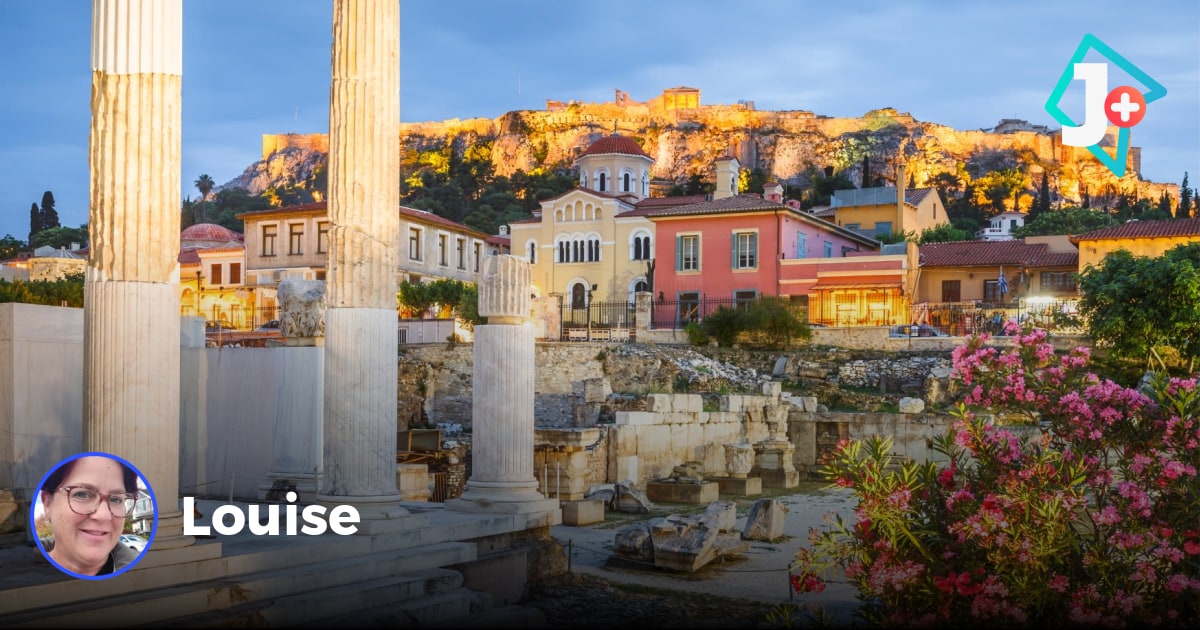
Unveiling the Soul of Greece: A Journey Through Its Cultural Heart
Greece, a land where the Aegean sun kisses ancient stones and myths intertwine with daily life, is often celebrated for its idyllic islands and sapphire waters. Yet, beneath the veneer of its postcard-perfect beaches lies a profound cultural tapestry, woven from millennia of history, philosophy, art, and tradition. For the discerning traveler, a cultural trip to Greece offers an unparalleled opportunity to delve into the very cradle of Western civilization, exploring its timeless heritage, vibrant contemporary life, and the enduring spirit of its people.
This article invites you on an immersive journey through Greece’s cultural heart, guiding you beyond the typical tourist trails to uncover the depth and diversity of its heritage. From the majestic ruins of ancient city-states to the serene beauty of Byzantine monasteries, and from the lively rhythms of traditional music to the delectable flavors of its cuisine, Greece promises a cultural odyssey like no other.
The Enduring Legacy: Why Greece is a Cultural Powerhouse
Greece’s status as a cultural epicenter is undisputed. It is the birthplace of democracy, philosophy, theatre, and the Olympic Games. Its thinkers, from Socrates to Plato and Aristotle, laid the foundations of Western thought. Its artists and architects sculpted masterpieces that continue to inspire, from the Parthenon to the intricate mosaics of its Byzantine churches. Beyond the classical era, Greece’s story continues through the Roman conquest, the Byzantine Empire, Ottoman rule, and its struggle for independence, each period leaving indelible marks on its landscape, language, and customs.
A cultural trip to Greece is not merely a sightseeing tour; it is an active engagement with these layers of history. It’s about understanding how these ancient narratives continue to shape modern Greek identity, appreciating the resilience of its people, and experiencing the warmth of its philoxenia (hospitality).
Athens: The Eternal City of Wisdom
Any cultural exploration of Greece must begin in Athens, a bustling metropolis where ancient marvels stand in stark contrast to modern life. The city is a living museum, and its iconic landmarks are essential touchstones:
- The Acropolis: Dominating the Athenian skyline, the Acropolis is the undisputed crown jewel. Ascending its sacred rock, you encounter the architectural brilliance of the Parthenon, a Doric temple dedicated to Athena, symbolizing the zenith of classical Greek art. Nearby, the elegant Erechtheion with its Caryatids, and the monumental Propylaea (the gateway), offer further insights into ancient Greek religious and architectural prowess. The Acropolis Museum, located at the foot of the rock, provides a breathtaking context to these ruins, housing artifacts found on the Acropolis in a state-of-the-art facility.
- The Ancient Agora: Below the Acropolis lies the Agora, the heart of ancient Athenian public life. This was the marketplace, the political center, and where philosophers like Socrates once engaged in discourse. Exploring the Temple of Hephaestus, one of the best-preserved ancient Greek temples, and the reconstructed Stoa of Attalos, helps visualize the vibrancy of daily life in classical Athens.
- National Archaeological Museum: For a comprehensive understanding of Greek art and history from prehistory to late antiquity, this museum is indispensable. Its vast collection includes Mycenaean gold, Cycladic figurines, and some of the most famous Greek sculptures, offering an unparalleled journey through millennia of artistic expression.
- Plaka and Anafiotika: To experience Athens’ contemporary cultural pulse, wander through the charming streets of Plaka, the city’s oldest neighborhood. Here, neoclassical houses, souvenir shops, and traditional tavernas create a lively atmosphere. Tucked away within Plaka is Anafiotika, a tiny, picturesque village built by islanders in the 19th century, resembling a Cycladic island settlement beneath the Acropolis.
Peloponnese: The Peninsula of Legends
Beyond Athens, the Peloponnese peninsula is a treasure trove of history, each site a cornerstone of Western civilization:
- Olympia: The birthplace of the Olympic Games, Olympia invites visitors to walk the sacred grounds where athletes once competed in honor of Zeus. Explore the ruins of the stadium, the Temple of Zeus, and the archaeological museum which houses masterpieces like the statue of Hermes by Praxiteles.
- Mycenae: Home to the legendary Agamemnon, Mycenae’s formidable Cyclopean walls whisper tales of Bronze Age kings and Homeric epics. The iconic Lion Gate and the Treasury of Atreus (Agamemnon’s tomb) are powerful reminders of a civilization that flourished long before classical Athens.
- Epidaurus: Boasting the remarkably preserved ancient theatre, Epidaurus is renowned for its breathtaking acoustics that defy modern engineering, a testament to ancient Greek ingenuity in drama and architecture. Attending a performance here during the summer festival is a truly magical experience.
- Mystras: A UNESCO-listed Byzantine ghost town, Mystras offers a captivating glimpse into medieval Greece. Its churches, monasteries, and palaces cling to a hillside, adorned with stunning frescoes that reveal the artistic brilliance of the Byzantine era.
- Nafplio: This charming Venetian town, with its stunning Palamidi Fortress and Bourtzi castle, serves as a picturesque base for exploring the Peloponnese. Its elegant streets and waterfront promenades exude a romantic, historical charm.
Delphi: The Oracle’s Sacred Domain
Perched dramatically on the slopes of Mount Parnassus, Delphi was considered the "navel of the world" by the ancient Greeks. It was home to the most important oracle in the classical world, where the high priestess Pythia delivered prophecies from Apollo. Exploring the Temple of Apollo, the ancient stadium, and the Delphi Archaeological Museum (housing the famous Charioteer of Delphi) offers profound insight into ancient Greek religion and spiritual beliefs. The sheer natural beauty of its setting adds to its mystical allure.
Northern Greece: Byzantine Splendor and Macedonian Royalty
Northern Greece offers a distinct cultural flavor, heavily influenced by its Byzantine and Macedonian past:
- Thessaloniki: Greece’s second-largest city, Thessaloniki is a vibrant cultural hub renowned for its numerous Byzantine churches, Roman ruins (like the Arch of Galerius and Rotunda), and its lively food scene. The Archaeological Museum of Thessaloniki and the Museum of Byzantine Culture are excellent for understanding the region’s rich heritage.
- Vergina (Aigai): A UNESCO World Heritage site, Vergina was the first capital of the Kingdom of Macedon. Here, visitors can explore the royal tombs, including that of Philip II (Alexander the Great’s father), housed in a spectacular underground museum. The exquisite golden artifacts found here offer a glimpse into the wealth and sophistication of ancient Macedonian royalty.
- Mount Athos: While typically inaccessible to women and requiring special permits for men, the monastic state of Mount Athos is a unique cultural and spiritual phenomenon. Its dozens of monasteries, clinging to cliffsides, represent an unbroken tradition of Eastern Orthodox monasticism for over a millennium. Even viewing its coastline from a boat cruise offers a sense of its enduring mystique.
Crete: Minoan Mysteries and Island Traditions
Greece’s largest island, Crete, boasts a unique cultural identity, shaped by its Minoan past, Venetian and Ottoman influences, and strong local traditions:
- Knossos: The heart of the ancient Minoan civilization, Knossos is Europe’s oldest city. Exploring the sprawling palace complex, with its vibrant frescoes and intricate architecture, provides a fascinating window into this enigmatic Bronze Age culture.
- Heraklion Archaeological Museum: This museum houses the vast majority of Minoan artifacts discovered on Crete, offering an unparalleled collection that complements a visit to Knossos.
- Chania and Rethymno: These charming cities showcase Crete’s Venetian and Ottoman past, with their picturesque old towns, harbors, and fortresses. They are perfect places to experience local Cretan culture, cuisine, and hospitality.
- Local Traditions: Crete is known for its fierce independent spirit, its distinct dialect, traditional music (lyra), and hearty cuisine. Engaging with local festivals (panigiria) or visiting a traditional village offers a deeper connection to the island’s soul.
The Greek Islands: Beyond the Beaches
While renowned for their natural beauty, many Greek islands also offer rich cultural experiences:
- Rhodes: The island of the Knights, Rhodes boasts a spectacular medieval Old Town (a UNESCO site), enclosed by massive walls. Walking its cobblestone streets, visiting the Palace of the Grand Master, and exploring its ancient acropolis reveal layers of history.
- Santorini: Beyond its famous sunsets, Santorini offers the archaeological site of Akrotiri, a Minoan city preserved by volcanic ash, often referred to as the "Pompeii of the Aegean."
- Patmos: Known as the "Jerusalem of the Aegean," Patmos is a sacred island, home to the Cave of the Apocalypse where St. John is believed to have written the Book of Revelation, and the imposing Monastery of St. John the Theologian.
Immersive Cultural Experiences: Living Like a Local
To truly embrace Greece’s culture, go beyond the ruins and engage with its living traditions:
- Gastronomy: Greek cuisine is a celebration of fresh, local ingredients and ancient traditions. Take a cooking class to learn how to make classic dishes like moussaka or spanakopita, join a food tour in Athens or Thessaloniki, or simply savor long meals at traditional tavernas, enjoying mezedes (small plates) and local wine or ouzo.
- Music and Dance: Experience the soul-stirring sounds of bouzouki music and traditional Greek dances like the sirtaki or zeibekiko. Many tavernas feature live music, inviting guests to join in the kefi (joyful spirit).
- Festivals and Traditions: If your visit aligns, participate in local festivals (panigiria), especially during Easter, which is celebrated with profound reverence and vibrant traditions across the country. Name days are also significant, offering a glimpse into local community life.
- Arts and Crafts: Explore local markets for handmade pottery, woven textiles, intricate jewelry, and traditional leather goods. Visit artisan workshops to witness ancient crafts being kept alive.
- Coffee Culture: Embrace the leisurely pace of Greek life by spending time at a kafenio (coffee house), sipping a traditional Greek coffee, and observing daily life unfold.
Planning Your Cultural Odyssey
- Best Time to Visit: The shoulder seasons (April-June and September-October) offer pleasant weather, fewer crowds, and vibrant local life, ideal for exploring historical sites comfortably.
- Transportation: Greece has an extensive public transport network. Intercity buses (KTEL) are reliable, ferries connect the islands, and trains link major cities. Renting a car offers flexibility, especially in the Peloponnese or Crete.
- Accommodation: Opt for boutique hotels in historical neighborhoods, traditional guesthouses, or even agritourism stays to connect with local culture.
- Engage and Respect: Learn a few basic Greek phrases, engage with locals, and be respectful of religious sites (dress modestly).
Conclusion: A Timeless Embrace
A cultural trip to Greece is far more than a vacation; it’s an educational and spiritual pilgrimage. It’s an opportunity to walk in the footsteps of legends, ponder the origins of democracy, marvel at artistic genius, and connect with a people whose identity is deeply rooted in a glorious past yet vibrantly alive in the present. From the sun-drenched stones of the Acropolis to the echoing monasteries of Mystras, and from the bustling markets of Thessaloniki to the tranquil villages of Crete, Greece offers an unparalleled journey into the heart of human civilization. So, pack your curiosity, open your mind, and prepare to be profoundly moved by the timeless embrace of Greece’s extraordinary cultural soul.