

Beyond the Bullrings and Beaches: Unearthing the Soul of Spain in its Small Villages
Spain, a land synonymous with vibrant cities, sun-drenched coastlines, and iconic historical landmarks, often draws millions to its well-trodden paths. From the architectural marvels of Barcelona and the flamenco passion of Seville to the buzzing nightlife of Madrid and the pristine beaches of the Balearics, the country offers an intoxicating array of experiences. Yet, for the discerning traveler yearning for an authentic, unfiltered encounter with the true heart of Spain, the real magic lies not in its bustling metropolises or crowded resorts, but in its myriad of small, enchanting villages. These hidden gems, often tucked away in mountain folds, clinging to dramatic cliffs, or nestled amidst rolling vineyards, offer a glimpse into a timeless way of life, a slower pace, and a profound connection to history, tradition, and community.
Why Go Off the Beaten Path? The Allure of Authenticity
The decision to bypass the major tourist hubs in favor of Spain’s smaller settlements is a conscious choice for immersion. It’s an escape from the long queues, the souvenir shops, and the diluted cultural experiences that can sometimes accompany mass tourism. In these villages, life unfolds at a rhythm dictated by the seasons, ancient customs, and the daily routines of its inhabitants. Here, you’ll find:
- Unfiltered Culture: Traditional festivals, passed down through generations, are celebrated with genuine enthusiasm. Local dialects and unique customs thrive.
- Genuine Connections: Villagers, often curious and welcoming, are more likely to engage with visitors, sharing stories and insights that travel guides simply cannot provide.
- Culinary Purity: Gastronomy is hyper-local, with dishes prepared using ingredients sourced from surrounding farms and recipes honed over centuries. This is where "zero-kilometer" dining is simply a way of life.
- Peace and Tranquility: The cacophony of urban life is replaced by the chirping of birds, the distant sound of church bells, and the gentle murmur of village life.
- Stunning Natural Beauty: Many villages are integrated into breathtaking landscapes, offering unparalleled opportunities for hiking, cycling, and simply soaking in panoramic views.
Exploring these villages is an invitation to slow travel, to observe, to listen, and to truly feel the pulse of a nation rich in diversity and heritage.
A Tapestry of Spanish Villages: Regional Diversity
Spain’s geographic and cultural diversity is perhaps best reflected in the unique character of its villages. Each region offers a distinct architectural style, culinary tradition, and local flavor:
1. Andalusia’s Pueblos Blancos (White Villages):
Perhaps the most iconic image of Spanish village life comes from Andalusia, particularly its "Pueblos Blancos." These dazzling white-washed villages, often perched precariously on hillsides or dramatically carved into rock faces, are a testament to the region’s Moorish past. Their narrow, winding streets, adorned with colorful flower pots, lead to hidden plazas and ancient churches.
- Ronda: While larger than some, Ronda’s dramatic location, straddling a deep gorge (El Tajo), and its Puente Nuevo bridge make it an unforgettable stop. Its bullring is one of Spain’s oldest.
- Grazalema: Nestled in the Sierra de Grazalema Natural Park, this village is known for its stunning mountain scenery, cork oak forests, and being one of Spain’s rainiest spots, making it incredibly green.
- Frigiliana: Consistently voted one of Spain’s most beautiful villages, Frigiliana’s meticulously maintained streets, vibrant flowers, and breathtaking views of the Mediterranean coastline are a feast for the eyes.
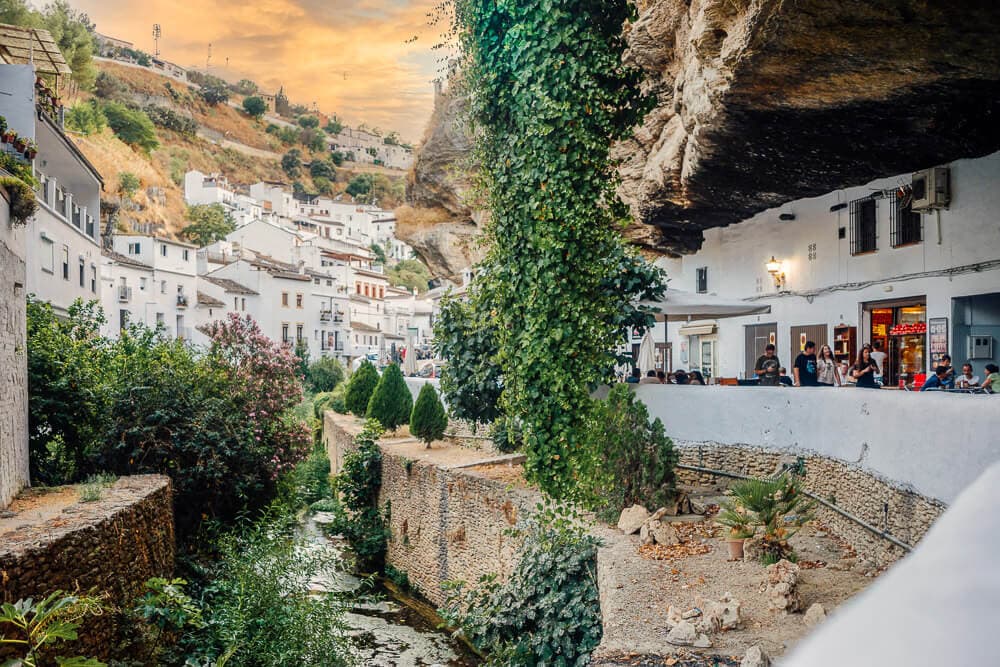
- Setenil de las Bodegas: Unique for its houses built directly into and under massive rock formations, creating a truly distinctive urban landscape.
2. Catalonia’s Medieval Charm:
Northeast Spain, particularly Catalonia, is home to a collection of beautifully preserved medieval villages that transport visitors back in time. Built of stone and often fortified, these villages exude a sense of history and quiet grandeur.
- Besalú: Famous for its magnificent Romanesque bridge, Jewish quarter, and well-preserved medieval architecture, Besalú feels like stepping onto a film set.
- Rupit: A picturesque village characterized by its stone houses, wooden balconies, and a spectacular suspension bridge that leads into the historic center. Its surrounding volcanic landscape adds to its allure.
- Peratallada: Meaning "carved stone," this village lives up to its name with a perfectly preserved medieval core, complete with a castle, church, and defensive walls, all crafted from the local sandstone.
3. Basque Country’s Coastal and Mountain Gems:
The verdant, rugged landscapes of the Basque Country harbor villages with a distinct character, often reflecting the region’s strong maritime traditions or its mountainous terrain.
- Getaria: A charming fishing village on the coast, known for its txakoli wine (a lightly sparkling white wine), grilled fish restaurants, and its connection to fashion designer Cristóbal Balenciaga.
- Hondarribia: A colorful, historic town near the French border, with a vibrant old quarter (Casco Viejo) and a charming fishermen’s quarter (La Marina) filled with brightly painted houses and fantastic pintxo bars.
- Amaiur (Maya): Deep in the Pyrenees, this small village is significant for its historic castle, a symbol of Basque resistance, and offers a glimpse into traditional mountain life.
4. Castile & León’s Historic Grandeur:
The vast central plains of Castile & León are dotted with ancient villages that were once strategic outposts, bearing witness to centuries of Spanish history.
- Pedraza: A perfectly preserved medieval village, entirely enclosed by its ancient walls, with a stunning Plaza Mayor and a castle that hosts classical concerts. It feels almost untouched by time.
- La Alberca: Located in the Sierra de Francia, this is one of Spain’s first declared Historic-Artistic Sites. Its unique timber-framed houses, cobbled streets, and traditional pig festival are captivating.
5. Galicia’s Celtic Roots and Coastal Beauty:
In the northwest, Galicia offers a different kind of village experience, influenced by its Celtic heritage, lush green landscapes, and a dramatic Atlantic coastline.
- Combarro: Famous for its "hórreos" (traditional granaries on stilts) that line the waterfront, this fishing village is incredibly picturesque, with narrow alleys and granite houses overlooking the Ria de Pontevedra.
- Muros: A charming coastal town with a well-preserved old quarter, known for its arcaded streets, traditional Galician architecture, and a bustling fishing port.
What to Expect: The Heartbeat of Village Life
Beyond the specific regional characteristics, a common thread runs through the experience of exploring Spain’s small villages:
- Architectural Harmony: Whether it’s the stark white of Andalusia, the sturdy stone of Catalonia, or the granite and slate of Galicia, the architecture is often in harmony with its natural surroundings, reflecting local materials and ancient building techniques.
- Gastronomic Delights: Forget the tourist trap menus. Here, you’ll savor authentic regional specialties. Think "cocido" in Castile, fresh seafood in Galicia, "pintxos" in the Basque Country, or "gazpacho" in Andalusia. Every village seems to have its own unique bread, cheese, cured meats, or sweet pastry. Don’t miss the local wine or cider!
- Festivals and Traditions: If your visit coincides with a local "fiesta," you’re in for a treat. These celebrations, often religious in origin, are vibrant displays of community spirit, with processions, traditional music and dance, elaborate costumes, and shared meals.
- A Slower Pace of Life: Time seems to stretch in these villages. Mornings might start with the clatter of shutters opening and the smell of freshly baked bread. Afternoons often feature a quiet "siesta." Evenings are for leisurely strolls, conversations in the plaza, and late dinners. Embrace this unhurried rhythm.
- Local Interactions: While Spanish is the primary language, and a few phrases will go a long way, the warmth and hospitality of the villagers often transcend language barriers. A smile, a nod, and a genuine interest in their way of life can open doors to memorable encounters.
- Nature’s Embrace: Many villages are gateways to stunning natural parks, hiking trails, and outdoor adventures. From coastal walks to mountain treks, the natural environment is often an integral part of the village experience.
Practical Tips for the Discerning Explorer
To truly make the most of your village exploration, consider these practical tips:
- Rent a Car: While some larger villages are accessible by bus, a rental car is almost essential for true freedom and flexibility. It allows you to discover the most remote and charming spots at your own pace.
- Learn Basic Spanish: Even a few key phrases ("Hola," "Gracias," "Por favor," "Dónde está…?") will greatly enhance your interactions and show respect for local culture. In some regions, local languages like Catalan, Basque, or Galician are also spoken.
- Embrace Local Accommodation: Seek out "casas rurales" (rural guesthouses) or small, family-run hotels. These offer a more authentic and often charming alternative to standard hotels, sometimes including home-cooked meals.
- Respect Local Customs: Observe and adapt. Meal times might be later than you’re used to, shops might close for siesta, and dress codes might be more conservative in religious settings.
- Be Patient and Open-Minded: Things might not always run on a strict schedule, and services might be limited. Embrace the unexpected and the slower pace.
- Pack Smart: Comfortable walking shoes are a must for cobbled streets and potential hikes. Layers are advisable, as mountain weather can change quickly, even in summer.
- Go During Shoulder Seasons: Spring (April-May) and Autumn (September-October) offer pleasant weather, fewer crowds, and often vibrant landscapes, making them ideal for village exploration.
Conclusion: An Unforgettable Journey into Spain’s Soul
To explore Spain’s small villages is to embark on a journey that goes beyond mere sightseeing. It’s an intimate discovery of the country’s diverse landscapes, its deeply rooted traditions, and the resilient spirit of its people. It’s about finding beauty in simplicity, joy in shared moments, and profound understanding in quiet observation.
While the grandeur of Spain’s cities and the allure of its coasts will always hold their appeal, it is in these small, unassuming villages that the true heart and soul of Spain often reveal themselves most eloquently. So, pack your bags, leave the guidebooks for a moment, and let the winding paths of these forgotten hamlets lead you to an unforgettable Spanish adventure – one where every corner turned, every local smile, and every shared meal becomes a cherished memory.