


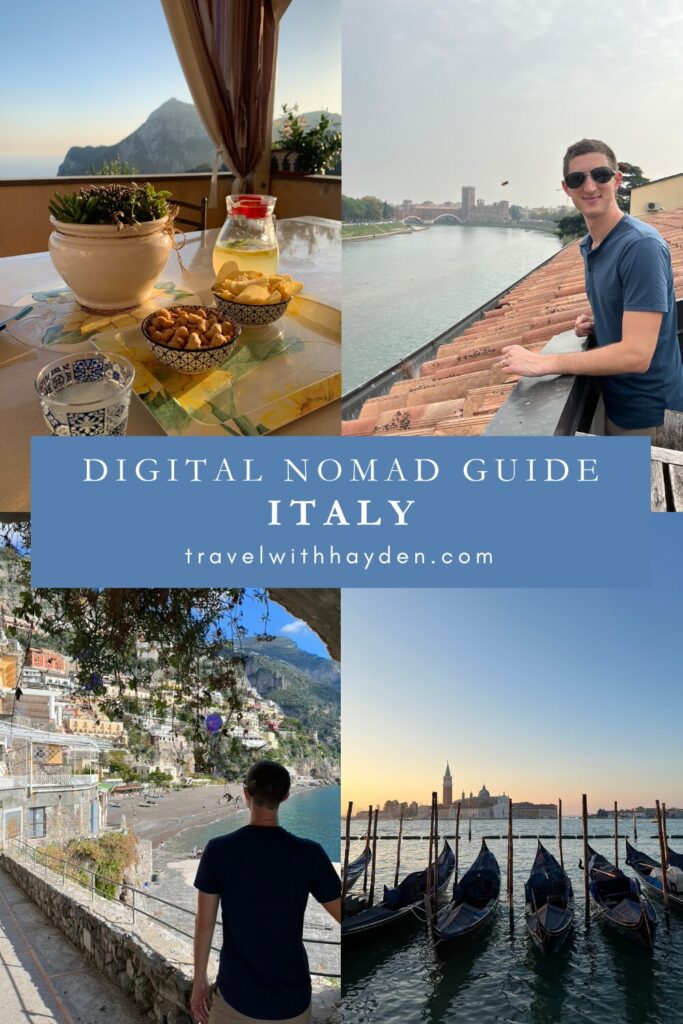
Italy for the Roaming Professional: Unveiling the Best Digital Nomad Havens
Italy, a land steeped in history, art, and culinary delights, has long captivated the hearts of travelers. But beyond its ancient ruins and picturesque canals, a new kind of explorer is discovering its charm: the digital nomad. With its enchanting blend of vibrant culture, breathtaking landscapes, delicious food, and a growing recognition of remote work, Italy is rapidly emerging as a top contender for those seeking to blend work with an unparalleled lifestyle experience.
For digital nomads, the ideal destination offers more than just reliable Wi-Fi. It’s a delicate balance of affordable living, a supportive community, accessible infrastructure, and an enriching environment that fuels both productivity and personal growth. Italy, with its diverse regions ranging from the bustling North to the sun-drenched South, presents a spectrum of possibilities. From historic cities brimming with co-working spaces to charming coastal towns perfect for slow living, the "Bel Paese" beckons.
This article delves into the best places for digital nomads to explore in Italy, offering insights into what makes each location unique, its pros and cons, and what kind of remote worker would thrive there.
The Allure of Italy for Digital Nomads
Before diving into specific locations, it’s crucial to understand Italy’s overarching appeal for the remote worker:
- Unmatched Quality of Life: Italy offers a lifestyle centered around good food, strong community ties, and an appreciation for beauty. The concept of "dolce vita" – the sweet life – is not just a cliché; it’s a way of living that prioritizes enjoyment, connection, and savoring the moment.
- Rich Culture and History: Every corner of Italy tells a story. From Roman ruins to Renaissance masterpieces, there’s an endless supply of inspiration and exploration, making weekends and evenings truly enriching.
- Culinary Paradise: Italian cuisine is world-renowned, and living here means access to fresh, regional ingredients, authentic pasta, pizza, gelato, and exquisite wines. Eating out is often an affordable and communal experience.
- Improving Infrastructure: While Italy has historically lagged in some digital infrastructure, significant investments have been made. Major cities now boast excellent fiber optic internet, and 4G/5G coverage is widespread, making remote work increasingly viable.
- Growing Digital Nomad Community: As Italy gains popularity, co-working spaces, meetups, and online communities for digital nomads are flourishing, offering opportunities for networking and friendship.
- Upcoming Digital Nomad Visa: Italy is actively working on implementing a dedicated digital nomad visa, simplifying the legal framework for non-EU citizens to live and work remotely in the country, a game-changer for many.
However, it’s also important to acknowledge potential challenges: bureaucracy can be slow, English proficiency outside major tourist hubs might be limited, and the cost of living in prime locations can be high. Patience and a willingness to embrace the Italian way of life are key.
Top Destinations for Digital Nomads in Italy
Let’s explore some of Italy’s most promising havens for digital nomads:
1. Milan: The Business Hub & Modern Nomad
- Why Milan? As Italy’s economic powerhouse and fashion capital, Milan offers a dynamic, cosmopolitan environment. It boasts excellent infrastructure, a plethora of co-working spaces, and a highly efficient public transport system. For those who thrive in a fast-paced, international setting, Milan is ideal. It’s well-connected to the rest of Europe and has a strong startup scene.
- Lifestyle: High fashion, design, vibrant nightlife, world-class museums, and excellent dining. It’s more international than other Italian cities, making it easier to get by with English.
- Pros: Top-tier connectivity, abundant co-working spaces, diverse international community, excellent transport links, proximity to the Alps and Italian Lakes.
- Cons: High cost of living (especially accommodation), can feel less "authentically Italian" than other cities, fast pace might not suit everyone.
- Best for: Entrepreneurs, creatives in fashion/design, tech professionals, those seeking an international urban experience.
2. Rome: The Eternal City for the Culturally Immersed
- Why Rome? For nomads seeking a profound cultural immersion without sacrificing urban amenities, Rome is an unparalleled choice. The city is a living museum, offering endless exploration after work hours. Its scale means diverse neighborhoods, from bustling Trastevere to elegant Parioli.
- Lifestyle: Historic beauty, vibrant street life, iconic landmarks, delicious Roman cuisine, and a passionate local culture. The pace is slower than Milan, but still a major city.
- Pros: Incredible history and culture, growing number of co-working spaces, international community, excellent food scene, walkable city.
- Cons: Can be very touristy and crowded, higher cost of living (though generally less than Milan), public transport can be challenging, bureaucracy can be complex.
- Best for: History buffs, culture vultures, writers, artists, and those who want to live amidst ancient wonders.
3. Florence: Renaissance Charm & Artistic Inspiration
- Why Florence? The heart of Tuscany, Florence is an open-air museum renowned for its Renaissance art and architecture. It offers a smaller, more intimate urban experience than Rome or Milan, yet is packed with beauty and cultural depth. It’s a great base for exploring the Tuscan countryside.
- Lifestyle: Artistic inspiration, exquisite food and wine, charming cobblestone streets, and a slower pace of life.
- Pros: Stunning beauty, walkable city, strong artistic community, excellent food and wine, good base for exploring Tuscany.
- Cons: Very touristy, particularly in peak season, smaller job market if you need local work, cost of living can be high.
- Best for: Artists, writers, designers, historians, and anyone seeking aesthetic beauty and a romantic Italian experience.
4. Bologna: The Foodie’s Paradise & University Vibe
- Why Bologna? Known as "La Grassa" (the Fat One) for its culinary prowess, "La Dotta" (the Learned One) for its ancient university, and "La Rossa" (the Red One) for its terracotta rooftops and political leanings, Bologna is a vibrant, authentic Italian city. It’s less touristy than Florence or Rome but offers a lively atmosphere thanks to its large student population.
- Lifestyle: Incredible food scene (tortellini, tagliatelle al ragù, mortadella), lively student bars, beautiful portico-lined streets, and a relaxed pace.
- Pros: More affordable than major tourist hubs, excellent food, vibrant student life, central location for exploring northern Italy, good internet.
- Cons: Less international than Milan or Rome, can be humid in summer.
- Best for: Food lovers, students, those seeking an authentic Italian city experience without the overwhelming tourist crowds.
5. Turin: Elegant Understatement & Northern Charm
- Why Turin? Often overlooked, Turin is a city of elegant piazzas, grand boulevards, and a rich industrial heritage. It’s the birthplace of Fiat and home to the Slow Food movement, offering a unique blend of sophistication and culinary excellence. It’s also surprisingly affordable compared to Milan.
- Lifestyle: Refined cafes, chocolate shops, impressive museums (Egyptian Museum, National Automobile Museum), beautiful arcades, and a laid-back, yet cultured atmosphere.
- Pros: More affordable cost of living, excellent quality of life, beautiful architecture, great food and wine (Piedmont region), good public transport.
- Cons: Less international than Milan, can be foggy in winter.
- Best for: Those who appreciate understated elegance, food and wine connoisseurs, and anyone looking for a high quality of life at a reasonable cost.
6. Naples: Authentic Chaos & Culinary Delights
- Why Naples? Naples is a city that assaults the senses in the best way possible – chaotic, vibrant, and utterly authentic. It’s the birthplace of pizza and offers an incredible, affordable food scene. While its infrastructure might not be as polished as the North, its raw energy and cultural richness are captivating. There’s also a burgeoning tech and startup scene emerging.
- Lifestyle: Passionate locals, incredible street food, proximity to Pompeii, the Amalfi Coast, and Mount Vesuvius, and a truly unique atmosphere.
- Pros: Extremely affordable cost of living, world-class food, direct access to stunning natural and historical sites, vibrant local culture.
- Cons: Can be overwhelming and chaotic, perceived safety issues (though often exaggerated), infrastructure can be less reliable.
- Best for: Adventurous nomads, foodies on a budget, those seeking a raw and authentic Italian experience, and individuals interested in emerging tech scenes.
7. Lecce, Puglia: The Southern Gem & Slow Living
- Why Lecce? In the heel of Italy’s boot, Lecce is known as the "Florence of the South" for its stunning Baroque architecture carved from local "pietra leccese." It offers a relaxed, slow-paced lifestyle, warm climate, and proximity to beautiful beaches.
- Lifestyle: Laid-back southern charm, delicious Puglian cuisine, beautiful architecture, vibrant nightlife in the summer, and easy access to the Ionian and Adriatic coasts.
- Pros: Very affordable cost of living, beautiful surroundings, warm weather, growing digital nomad community, delicious regional food.
- Cons: English might be less common, slower pace might not suit everyone, internet can be less reliable than in major northern cities (though improving).
- Best for: Nomads seeking slow living, beach lovers, budget-conscious travelers, and those who appreciate authentic southern Italian culture.
8. Palermo, Sicily: Island Life & Rich History
- Why Palermo? The capital of Sicily, Palermo is a city of fascinating contrasts, blending Arab, Norman, and Baroque influences. It offers a unique island experience with a rich history, vibrant markets, and an incredible food scene distinct from mainland Italy.
- Lifestyle: Lively street markets, unique culinary traditions, stunning historical sites, beautiful coastline, and a relaxed island pace.
- Pros: Affordable living, unique cultural blend, beautiful beaches and natural parks nearby, growing interest from remote workers.
- Cons: Can be chaotic, internet infrastructure might vary, less English spoken.
- Best for: Cultural explorers, budget travelers, those seeking a distinct Mediterranean island experience, and lovers of unique history.
9. Trieste, Friuli-Venezia Giulia: A European Crossroads
- Why Trieste? Tucked away on the Adriatic coast near the Slovenian border, Trieste offers a unique blend of Italian, Austro-Hungarian, and Slavic influences. It’s a city of grand Hapsburg architecture, elegant cafes, and a strong literary tradition. It boasts an excellent quality of life and is less touristy than other Italian cities.
- Lifestyle: Coffee culture (home to Illy), stunning sea views, proximity to Slovenia and Croatia for weekend trips, a calm and sophisticated atmosphere.
- Pros: High quality of life, lower cost compared to major cities, unique cultural blend, good connectivity, less touristy.
- Cons: Can be windy (the Bora), less "typically Italian" feel for some, smaller digital nomad community.
- Best for: Those seeking a European crossroads experience, writers, academics, and anyone looking for a high quality of life in a sophisticated, less crowded city.
Beyond the Cities: Regional Exploration & Niche Experiences
While cities offer the most amenities, Italy’s regions beckon for short trips or even longer stays if connectivity allows:
- Tuscan Countryside: Imagine working from a renovated farmhouse (agriturismo) amidst rolling hills, vineyards, and olive groves. Perfect for a sabbatical or a focused work period, with Florence or Siena easily accessible.
- Dolomites: For nature-loving nomads, a stay in a mountain village offers breathtaking scenery, hiking, skiing, and a tranquil environment.
- Amalfi Coast/Cinque Terre: While incredibly beautiful, these areas are often overrun with tourists and can be expensive. They are better suited for short, inspiring getaways rather than long-term stays.
- Co-living Spaces & Digital Nomad Villages: Italy is seeing a rise in dedicated co-living spaces and even small towns actively trying to attract remote workers with incentives. Keep an eye on projects like "South Working" initiatives in the Mezzogiorno (Southern Italy).
Practical Tips for Digital Nomads in Italy
- Internet & Connectivity: Purchase a local SIM card (TIM, Vodafone, WindTre) for reliable mobile data. In cities, fibre optic internet is increasingly common and fast. Always check apartment listings for Wi-Fi speed.
- Accommodation: Use platforms like Airbnb for short to medium-term stays. For longer periods (3+ months), look at local real estate agencies or websites like Idealista.it, Immobiliare.it, or Facebook groups for rentals.
- Language: While many young Italians in major cities speak English, learning basic Italian phrases will significantly enhance your experience and help with daily tasks. Duolingo or local language classes are great resources.
- Banking & Finance: Wise (formerly TransferWise) is excellent for international transfers. For longer stays, consider opening a local bank account, though it can be bureaucratic.
- Visa & Bureaucracy: Research visa requirements thoroughly. The upcoming Digital Nomad Visa will simplify things, but until then, non-EU citizens might need to navigate tourist visa limits or apply for specific long-stay visas. Patience is a virtue when dealing with Italian bureaucracy.
- Community & Networking: Join local Facebook groups for digital nomads, check out Meetup.com for events, and frequent co-working spaces to connect with like-minded individuals.
- Healthcare: EU citizens can use their EHIC. Non-EU citizens should ensure they have comprehensive travel insurance that covers healthcare, as Italy has a public healthcare system, but private options are also available.
- Transportation: Italy has an excellent train network (Trenitalia, Italo) connecting major cities. Public transport within cities varies in efficiency but is generally affordable.
Conclusion
Italy offers an irresistible blend of work and life for the modern digital nomad. From the cosmopolitan buzz of Milan to the ancient grandeur of Rome, the culinary delights of Bologna, or the slow-living charm of Lecce, there is a perfect Italian haven for every remote worker. The country’s evolving digital infrastructure, coupled with its timeless beauty, rich culture, and the promise of a dedicated digital nomad visa, makes it an increasingly attractive destination.
Embrace the "dolce vita," learn a few Italian phrases, prepare for some bureaucracy, and you’ll unlock an experience that nourishes your work, inspires your soul, and fills your plate with the world’s finest cuisine. Italy isn’t just a place to work; it’s a place to live, learn, and truly thrive. The adventure awaits!
