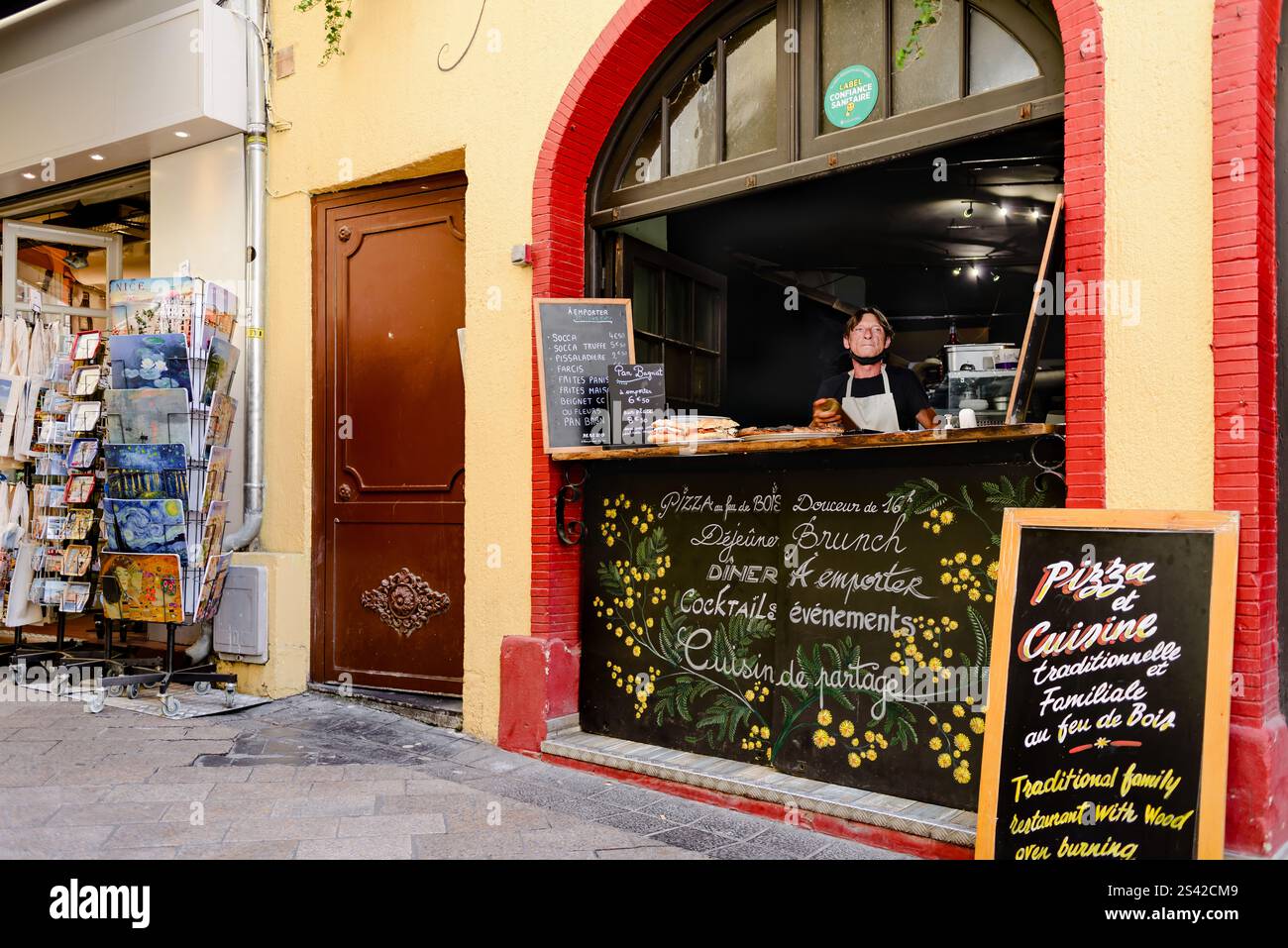


Beyond the Bistros: Exploring the Authentic Street Food Culture of France
France, a nation synonymous with haute cuisine, Michelin-starred restaurants, and elaborate multi-course meals, often conjures images of white tablecloths and sommelier-selected wines. While this gastronomic heritage is undeniably a cornerstone of French culture, it presents a common misconception: that authentic French food is exclusively found within the confines of formal dining. Beneath this polished surface lies a vibrant, accessible, and deeply authentic world of street food that offers a true taste of France, one bite at a time.
This article aims to peel back the layers of preconceived notions, inviting you on a culinary journey to discover the authentic street food scene across France. We’ll redefine what "street food" means in a French context, delve into its diverse offerings from iconic classics to regional specialties, and provide a guide on how to best explore this delicious dimension of French gastronomy.
Redefining "Street Food" in the French Context
For many, "street food" evokes images of bustling hawker stalls, food trucks, or quick, cheap eats. While the global phenomenon of food trucks has certainly made its mark in recent years, "street food" in France often takes on a more nuanced, deeply traditional form. It’s less about a standalone cart and more about a quick, high-quality bite from an established institution or a vibrant market stall, deeply rooted in local culinary heritage.
In France, authentic street food is characterized by its emphasis on fresh, seasonal ingredients, artisanal preparation, and a connection to the terroir – the unique combination of climate, soil, and traditional farming practices that give a region’s produce its distinctive character. It’s about enjoying a perfectly flaky croissant on the go, a savory crêpe from a market vendor, or a regional specialty that speaks volumes about its origins, all without the need for a reservation or a formal setting. This accessibility doesn’t compromise quality; rather, it elevates everyday eating into an art form.
The Pillars of French Street Food: A Culinary Map
To truly explore French street food, one must understand its diverse categories, which range from ubiquitous national favorites to hyper-local delicacies.
1. Boulangeries & Pâtisseries: The Everyday Essentials
Perhaps the most fundamental aspect of French "street food" comes from the boulangerie (bakery) and pâtisserie (pastry shop). These are not just shops; they are cultural institutions, offering an endless array of edible delights perfect for on-the-go consumption.
- The Baguette Sandwich: Simple yet sublime. A freshly baked baguette, crusty on the outside and soft within, filled with quality ham and butter (jambon-beurre), or perhaps cheese (fromage), or even pâté. It’s the ultimate grab-and-go lunch, a testament to the power of quality ingredients.
- Croissants & Pains au Chocolat: These viennoiseries are breakfast staples, but also perfect anytime snacks. The buttery, flaky layers of a croissant or the rich chocolate within a pain au chocolat are unparalleled when fresh from the oven.
- Quiche: While often served as part of a sit-down meal, individual slices of quiche, particularly the classic Quiche Lorraine (bacon, cheese, and custard), are readily available in bakeries and traiteurs (delicatessens). They make for a satisfying and portable meal.
- Pâtisseries (Pastries): From delicate macarons to decadent éclairs, fruit tarts, and Mille-feuille (Napoleon), these exquisite desserts are often enjoyed standing up at a café counter or while strolling through a park. Each bite is a mini celebration of French artistry.
2. Crêpes & Galettes: Sweet & Savory Versatility
The humble crêpe, originating from Brittany, is arguably the most recognizable form of French street food globally. Found at countless street stalls, markets, and dedicated crêperies, it offers incredible versatility.
- Crêpes Sucrées (Sweet Crêpes): Thin, delicate pancakes spread with a myriad of toppings. The most popular include Nutella, sugar and lemon, jam (confiture), or chestnut cream (crème de marrons). Watching a crêpe vendor expertly swirl the batter and flip the crêpe is part of the experience.
- Galettes Salées (Savory Galettes): The savory counterpart, galettes are made from buckwheat flour, giving them a distinct earthy flavor and darker hue. A classic is the galette complète, filled with ham, cheese, and a fried egg. Other fillings include mushrooms, goat cheese, or various charcuterie. They are a hearty and satisfying meal, often folded into a square for easy handling.
3. Markets (Marchés): The Heartbeat of Local Cuisine
To truly understand French street food culture, one must visit a marché. These vibrant open-air markets, found in every town and city, are not just places to buy produce; they are social hubs and culinary showcases.
- Prepared Dishes: Many market stalls feature traiteurs selling ready-to-eat dishes. You might find golden-brown poulet rôti (roast chicken), often accompanied by potatoes cooked in the chicken’s juices, or various salads, gratins, and pâtés.
- Cheese & Charcuterie: While not strictly "street food," buying a selection of local cheeses, cured meats (saucisson, jambon cru), and a fresh baguette from a market allows you to assemble an impromptu, high-quality picnic that epitomizes French outdoor dining.
- Olives & Tapenades: Especially in the south, stalls brimming with colorful olives and homemade tapenades (olive spreads) offer a quick, flavorful snack.
- Seasonal Produce: Sampling fresh fruits like cherries in summer or roasted chestnuts in winter from a market vendor connects you directly to the rhythms of French agriculture.
4. Regional Specialties: A Culinary Road Trip
France’s diverse regions boast unique street food traditions, reflecting local ingredients and historical influences. Exploring these offers a deeper dive into the country’s culinary soul.
-
Nice & the Côte d’Azur:
- Socca: A thin, savory pancake made from chickpea flour, baked in a wood-fired oven until crispy and slightly charred. It’s served hot, sprinkled with black pepper, and typically eaten with your hands.
- Pissaladière: A thick, focaccia-like bread topped with caramelized onions, anchovies, and black olives. It’s a flavorful, salty treat, often sold by the slice.
- Pan Bagnat: Essentially a "wet bread" sandwich, this specialty features tuna, hard-boiled eggs, olives, onions, and various vegetables, all drizzled with olive oil and packed into a round bun, then often pressed. It’s a complete meal in a sandwich.
-
Marseille & Provence:
- Chichis Frégis: These long, braided donuts, often flavored with orange blossom, are a beloved fried dough treat, particularly popular around the Vieux-Port.
- Panisse: Another chickpea flour delight, panisse are firm, fried chickpea fries, often served hot and crispy, perfect for dipping.
-
Lyon & the Rhône-Alpes:
- Bugnes: Light, airy fritters, often dusted with powdered sugar, similar to beignets. They are a festive treat, especially during carnival season.
- Rosette de Lyon: While not strictly street food, slices of this famous dry-cured sausage, often enjoyed with a piece of baguette, are a popular snack available from charcuteries.
-
Alsace:
- Flammekueche (Tarte Flambée): A thin, crispy dough topped with crème fraîche, thinly sliced onions, and lardons (bacon). It’s baked quickly in a hot oven and often eaten communally, pulled apart by hand. It’s the Alsatian answer to pizza, perfect for sharing.
- Bretzels: While typically German, Alsace’s cultural ties mean fresh, chewy pretzels, often sprinkled with coarse salt, are a common and delicious street snack.
-
Brittany:
- Kouign-amann: This intensely buttery and sugary cake, whose name literally means "butter cake" in Breton, is a rich, caramelized pastry that’s best enjoyed warm. It’s a truly indulgent experience.
5. Modern Takes: Food Trucks & Festivals
While tradition reigns, France is not immune to culinary innovation. Major cities, particularly Paris, Lyon, and Bordeaux, have seen a rise in gourmet food trucks and street food festivals. These often blend French ingredients with international flavors, offering everything from artisanal burgers and Vietnamese Banh Mi to specialized regional French dishes. These modern iterations represent an exciting evolution, proving that French street food continues to adapt while maintaining its commitment to quality.
How to Explore Authentically: Tips for the Curious Foodie
To fully immerse yourself in France’s authentic street food scene, consider these tips:
- Embrace the Markets: Always seek out the local marché. They are the best places to find fresh, seasonal, and regional specialties. Engage with vendors; they are often passionate about their products.
- Look for Queues: A line of locals is usually a strong indicator of quality and authenticity.
- Learn Basic French Phrases: Even a few words like "Bonjour," "Merci," "S’il vous plaît" (please), and "C’est délicieux!" (It’s delicious!) will enhance your experience and endear you to vendors.
- Be Open-Minded: Step beyond your comfort zone. Try the socca, the pissaladière, or a kouign-amann. You might discover a new favorite.
- Ask Locals: Don’t hesitate to ask hotel staff, shopkeepers, or even people at a café for their favorite local spots for a quick, authentic bite.
- Respect Seasonality: French cuisine is deeply tied to the seasons. Enjoy fruits, vegetables, and dishes that are at their peak.
- Pair with a Drink: A glass of local wine, cider (especially with galettes in Brittany), or even a strong coffee can perfectly complement your street food experience.
- Wander and Discover: Sometimes the best finds are those you stumble upon while exploring a new neighborhood. Embrace the spirit of the flâneur.
The Cultural Significance: More Than Just Food
Exploring French street food is more than just satisfying hunger; it’s a profound cultural experience. It offers a glimpse into the daily lives of the French, their respect for quality ingredients, and their appreciation for the simple pleasures of life. It’s about the shared experience of eating well, whether at a bustling market, a quiet boulangerie, or a charming crêpe stand. It embodies the French concept of l’art de vivre – the art of living – making every meal, no matter how informal, a moment to savor and celebrate.
Conclusion
France’s culinary landscape is far richer and more diverse than its fine dining reputation suggests. By venturing beyond the bistros and exploring the vibrant world of its authentic street food, travelers can uncover a delicious, accessible, and deeply traditional side of French gastronomy. From the flaky perfection of a croissant to the savory delight of a socca or the comforting warmth of a galette complète, each bite tells a story of region, tradition, and passion. So, next time you find yourself on French soil, put on your walking shoes, follow your nose, and prepare to embark on an unforgettable journey through the true flavors of France, one delectable street food discovery at a time. Bon appétit!