

Costa Rica: A Biodiverse Eden – Top Places to Immerse Yourself in Nature
Costa Rica, a small nation nestled between the Pacific Ocean and the Caribbean Sea, punches far above its weight when it comes to natural wonders. Renowned globally as a pioneering force in ecotourism and conservation, this Central American gem is a veritable playground for nature enthusiasts. Its national parks, wildlife refuges, and protected areas cover over a quarter of its landmass, safeguarding an astonishing 5% of the world’s biodiversity. From misty cloud forests teeming with rare birds to pristine rainforests echoing with the calls of howler monkeys, and volcanic landscapes dotted with therapeutic hot springs, Costa Rica offers an unparalleled spectrum of natural exploration.
The country’s motto, "Pura Vida" – pure life – perfectly encapsulates its essence: a vibrant, untamed, and deeply cherished natural environment that invites visitors to slow down, breathe deeply, and reconnect with the wild. For those seeking an immersive journey into Mother Nature’s embrace, here are some of the best places to explore nature in Costa Rica.
1. Monteverde Cloud Forest Biological Preserve: An Ethereal Canopy Kingdom
Perched high in the Tilarán Mountain Range, the Monteverde Cloud Forest Biological Preserve is a place of breathtaking beauty and ecological significance. Unlike typical rainforests, cloud forests are characterized by persistent low-hanging clouds that create a perpetually misty, humid environment. This unique microclimate fosters an extraordinary array of life, making Monteverde one of the most biodiverse places on Earth.
Exploring Monteverde feels like stepping into a fairy tale. Ancient trees are draped in thick mosses, ferns, and epiphytes – including over 500 species of orchids. The air is cool and moist, filled with the sounds of countless creatures. The star attraction for many is the resplendent quetzal, a jewel-toned bird with iridescent green plumage and a long, flowing tail, revered by ancient civilizations. Birdwatching here is a spiritual experience, with over 400 avian species recorded.
What to Explore:
- Suspension Bridges (Skywalks): Walk among the treetops on a series of hanging bridges, offering a unique perspective of the forest canopy and its inhabitants.
- Zip-lining: For the adventurous, Monteverde is famous for pioneering zip-lining tours, allowing you to soar through the cloud forest like a bird.
- Night Walks: Experience the forest come alive after dark, spotting nocturnal creatures like tarantulas, frogs, kinkajous, and sleeping birds.
- Hiking Trails: A network of well-maintained trails allows for deep immersion into the forest, with opportunities to spot monkeys, sloths, and a myriad of insects and amphibians.
Monteverde isn’t just a destination; it’s an experience that awakens the senses and deepens one’s appreciation for the delicate balance of nature.
2. Arenal Volcano National Park & La Fortuna: Majestic Volcanoes and Lush Rainforests
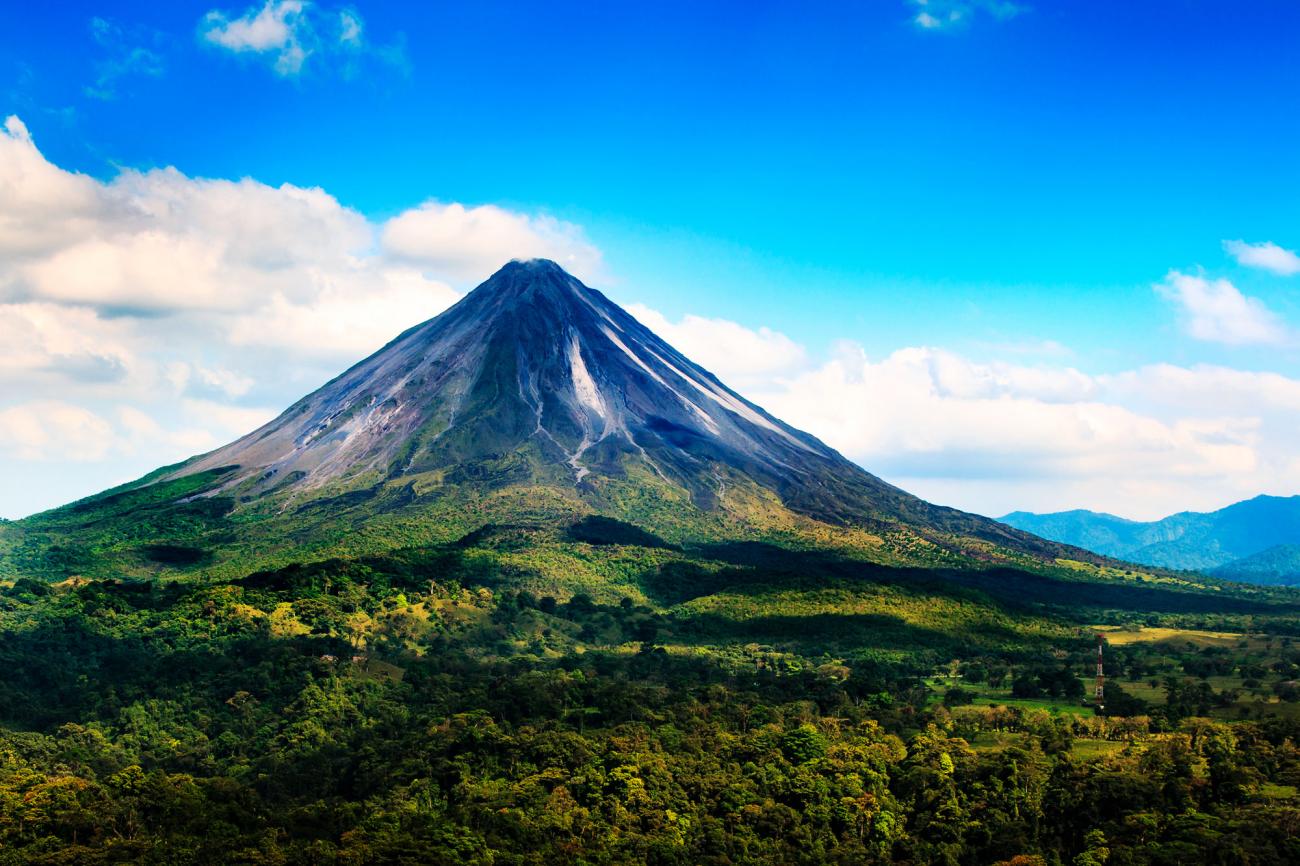
The iconic, conical silhouette of Arenal Volcano dominates the landscape of Arenal Volcano National Park, making it one of Costa Rica’s most recognizable natural landmarks. While the volcano has been in a resting phase since 2010 (meaning no lava flows), its majestic presence continues to draw visitors. The surrounding area, centered around the charming town of La Fortuna, is a hub for adventure and relaxation, blending volcanic geology with vibrant rainforest ecosystems.
The park and its vicinity are characterized by lush primary and secondary rainforests, cascading waterfalls, and geothermal hot springs, all set against the dramatic backdrop of the volcano. Wildlife is abundant, including howler monkeys, white-faced capuchin monkeys, sloths, toucans, coatis, and a wide variety of birds.
What to Explore:
- Hiking Trails: Explore trails like Las Coladas or El Ceibo, offering incredible views of the volcano, remnants of old lava flows, and opportunities for wildlife spotting.
- Hot Springs: Relax in the naturally heated, mineral-rich waters of various hot springs resorts, a perfect way to unwind after a day of exploration.
- La Fortuna Waterfall: Hike down to this stunning 70-meter cascade, where you can swim in the cool, refreshing waters at its base.
- Arenal Lake: Costa Rica’s largest lake is popular for windsurfing, paddleboarding, and kayaking, offering unique perspectives of the volcano.
- Canopy Tours & White-Water Rafting: Thrilling zip-lines and world-class white-water rafting on rivers like the Pacuare or Balsa cater to adrenaline seekers.
Arenal offers a dynamic blend of geological wonders, rainforest biodiversity, and adventure, making it a cornerstone of any nature-focused itinerary.
3. Corcovado National Park (Osa Peninsula): The Wild Heart of Costa Rica
Often hailed as the "crown jewel" of Costa Rica’s national park system, Corcovado National Park on the remote Osa Peninsula is an unparalleled wilderness experience. National Geographic famously described it as "the most biologically intense place on Earth in terms of biodiversity," and for good reason. This vast expanse of pristine primary rainforest, stretching from the mountains to the Pacific coast, is home to an incredible concentration of flora and fauna.
Corcovado is where you’ll find healthy populations of all four Costa Rican monkey species (howler, spider, capuchin, and squirrel), Baird’s tapirs, peccaries, sloths, anteaters, and a dazzling array of birdlife, including scarlet macaws and toucans. It’s also one of the last remaining strongholds for jaguars and pumas in Central America, though sightings are rare and require immense luck. The park’s remoteness ensures that its ecosystems remain largely untouched by human development.
What to Explore:
- Guided Hikes: Due to its wild nature and the presence of dangerous animals (like bull sharks in river estuaries and venomous snakes), exploring Corcovado requires a certified guide. Multi-day treks (e.g., from La Leona to Sirena Ranger Station) offer the deepest immersion.
- Wildlife Spotting: With a knowledgeable guide, you’ll have the best chance to spot elusive animals and learn about the intricate rainforest ecosystem.
- Coastal Exploration: The park’s coastline offers stunning deserted beaches and opportunities for snorkeling or diving around Caño Island Biological Reserve, known for its marine life.
- Dolphin and Whale Watching: The waters surrounding the Osa Peninsula are frequented by dolphins and humpback whales (seasonal).
Corcovado is not for the faint of heart; it requires preparation and a true appreciation for raw wilderness. But for those who venture here, it promises an unforgettable encounter with nature at its most powerful and pristine.
4. Manuel Antonio National Park: Rainforest Meets the Pacific Coast
Manuel Antonio National Park beautifully merges lush rainforest with stunning white-sand beaches, making it one of Costa Rica’s most popular and accessible nature destinations. Despite its relatively small size, it boasts an incredible diversity of wildlife that is remarkably easy to spot, often right alongside the park’s well-maintained trails and beaches.
Here, you can sunbathe on a pristine beach while monkeys play in the trees above, or spot a sloth slowly moving through the branches just meters from the path. The park is home to three of Costa Rica’s four monkey species (howler, capuchin, and the endangered squirrel monkey), two-toed and three-toed sloths, iguanas, agoutis, and a vibrant array of birds. Its accessibility and concentrated wildlife make it an excellent choice for families and those seeking a more relaxed nature experience.
What to Explore:
- Hiking Trails: Follow trails like the main loop, Sloth Trail, or Cathedral Point Trail for excellent wildlife viewing and panoramic ocean vistas.
- Beaches: Relax and swim at the park’s pristine beaches, Playa Espadilla Sur and Playa Manuel Antonio, considered among the most beautiful in the world.
- Guided Tours: Hire a local naturalist guide (often equipped with spotting scopes) to enhance your wildlife sightings and learn fascinating facts about the ecosystem.
- Kayaking and Paddleboarding: Explore the calm waters just outside the park, offering a different perspective of the coastline and opportunities to spot marine life.
Manuel Antonio offers the perfect blend of rainforest adventure and coastal relaxation, proving that you don’t always have to go deep into the wilderness to experience Costa Rica’s incredible biodiversity.
5. Tortuguero National Park: A Caribbean Waterworld for Sea Turtles
On Costa Rica’s remote Caribbean coast lies Tortuguero National Park, a unique wetland ecosystem accessible primarily by boat or small plane. Often called the "Amazon of Costa Rica," this park is a labyrinth of canals, lagoons, and dense rainforest, making it a paradise for birdwatchers and a critical nesting ground for several species of sea turtles.
Tortuguero’s biodiversity is immense, boasting 11 of Costa Rica’s 13 endangered species. Beyond the sea turtles, the park is home to caimans, crocodiles, river otters, manatees, jaguars (though rarely seen), all three monkey species (spider, howler, and white-faced capuchin), sloths, and over 300 species of birds. The absence of roads means exploration is done almost entirely by boat, offering a serene and intimate connection with nature.
What to Explore:
- Boat Tours: The primary way to experience Tortuguero is through guided boat tours along its extensive network of canals, perfect for spotting wildlife at eye level.
- Sea Turtle Nesting Tours (Seasonal): From July to October, thousands of green sea turtles, along with smaller numbers of loggerhead, hawksbill, and leatherback turtles, come ashore to nest. Guided night tours offer a chance to witness this ancient spectacle (highly regulated to protect the turtles).
- Kayaking and Canoeing: For a more personal and silent experience, rent a kayak or canoe to paddle through the narrower waterways, getting closer to the wildlife without disturbing it.
- Tortuguero Village: Explore the small, car-free village, learning about local conservation efforts and the Afro-Caribbean culture.
Tortuguero offers a distinctly different natural experience from the Pacific side, providing a peaceful immersion into a vibrant wetland ecosystem crucial for marine conservation.
6. Tenorio Volcano National Park & Rio Celeste: The Celestial River
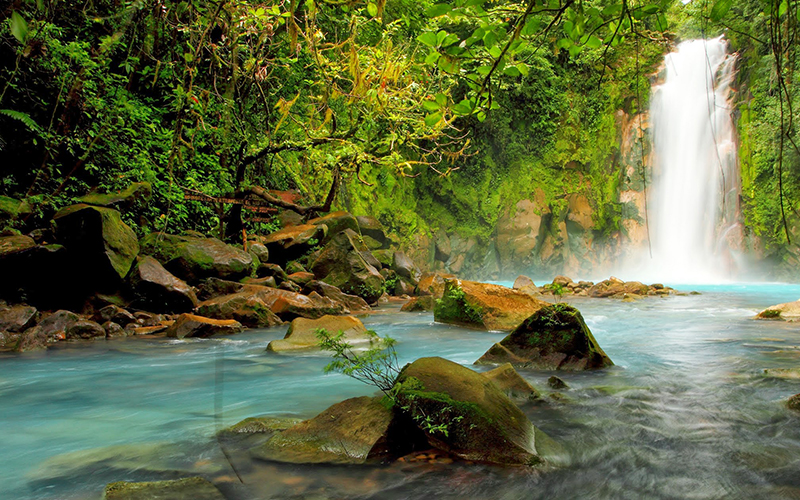
Tucked away in the northern highlands, Tenorio Volcano National Park is home to one of Costa Rica’s most enchanting natural wonders: Rio Celeste. This river is famed for its surreal, brilliant turquoise blue color, a phenomenon caused by a unique chemical reaction involving volcanic minerals. The park offers a captivating blend of volcanic landscapes, lush rainforest, and breathtaking scenery.
Beyond the magical river, the park’s trails wind through dense forest, revealing thermal hot springs, bubbling mud pots (fumaroles), and the impressive Rio Celeste waterfall, where the river plunges into a vibrant blue pool. Wildlife includes tapirs, peccaries, monkeys, sloths, and a rich variety of birdlife.
What to Explore:
- Rio Celeste Hike: Follow the well-marked trail to witness the "Teñideros" (dyeing place), where two clear rivers merge to create the stunning blue hue, and continue to the mesmerizing waterfall.
- Fumaroles and Hot Springs: Observe the volcanic activity with bubbling mud pots and natural hot springs (swimming often not permitted for safety and environmental reasons).
- Wildlife Spotting: Keep an eye out for diverse rainforest creatures along the trails.
Rio Celeste is a testament to the Earth’s artistic capabilities, offering a unique visual spectacle unlike anywhere else in Costa Rica.
Beyond the Mainstream: Other Notable Natural Escapes
- Rincón de la Vieja National Park: In Guanacaste, this park offers a mix of dry forest and wet forest, showcasing volcanic activity with steaming fumaroles, boiling mud pots, and hot springs. It’s excellent for hiking, horseback riding, and spotting animals like peccaries, armadillos, and white-faced monkeys.
- Braulio Carrillo National Park: Located close to San José, this vast park protects a significant area of dense primary rainforest. It’s less visited than other parks but offers challenging hikes, stunning waterfalls, and incredible birdwatching for serious nature enthusiasts.
- Pacuare River: Considered one of the best white-water rafting rivers in the world, the Pacuare cuts through pristine primary rainforest, offering an exhilarating ride combined with unparalleled wildlife viewing (monkeys, sloths, jaguars, toucans) from the raft.
Tips for the Nature Explorer in Costa Rica
- Hire Local Guides: Especially in places like Corcovado and Monteverde, a certified local guide can dramatically enhance your experience, helping you spot elusive wildlife and providing invaluable insights into the ecosystem.
- Pack Appropriately: Bring lightweight, quick-drying clothing, rain gear, sturdy hiking shoes, insect repellent, a hat, sunscreen, and a reusable water bottle. Binoculars are a must for wildlife viewing.
- Respect Wildlife: Maintain a safe distance from animals, never feed them, and avoid making loud noises. Remember, you are a guest in their home.
- Embrace "Pura Vida": Be patient, go with the flow, and allow yourself to be fully present in the moment. Nature often reveals its secrets to those who wait.
- Support Sustainable Tourism: Choose eco-friendly accommodations and tour operators that prioritize conservation and community benefits.
Costa Rica is more than just a travel destination; it’s a living, breathing testament to the power and beauty of the natural world. From its misty cloud forests to its wild Pacific coastlines, every corner of this incredible country offers an opportunity for profound connection and unforgettable adventure. For anyone seeking to explore nature at its finest, Costa Rica is an undeniable, essential pilgrimage.