


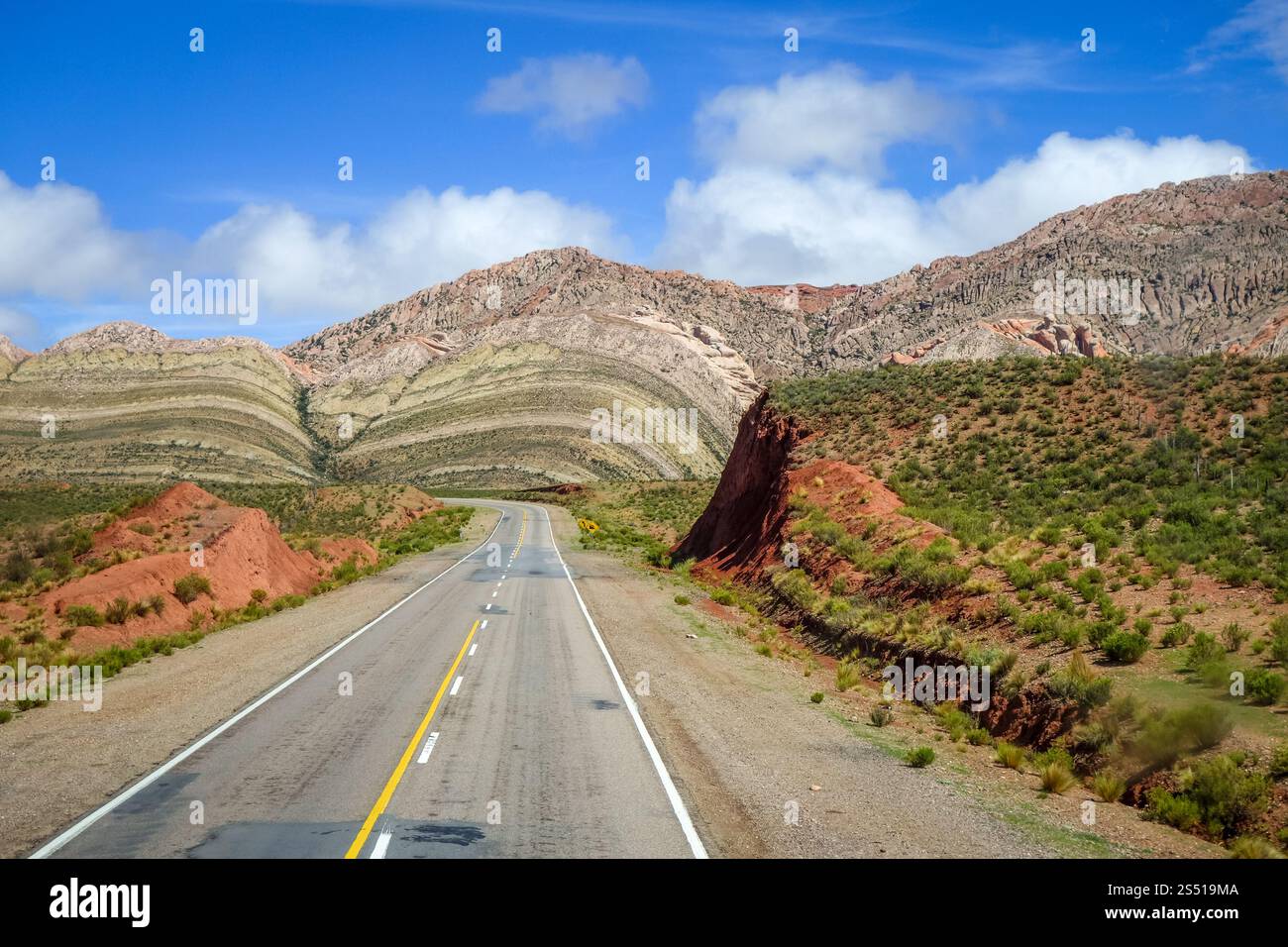
Unveiling the Ochre Heart: Hidden Desert Escapes to Explore in Argentina
Argentina, a land of staggering contrasts, is often celebrated for its majestic Patagonian glaciers, the vibrant rhythm of Buenos Aires, and the thundering Iguazu Falls. Yet, beyond these iconic landscapes lies a realm less explored, a vast and enigmatic expanse of arid beauty that whispers tales of ancient civilizations, geological wonders, and profound solitude. Argentina’s deserts, far from being barren wastelands, are a tapestry of ochre canyons, shimmering salt flats, colossal sand dunes, and high-altitude oases – a collection of truly hidden escapes waiting to be discovered by the intrepid traveler.
These aren’t the scorching, endless sand seas one might typically envision. Argentina’s deserts are diverse, ranging from the high-altitude Puna de Atacama in the northwest, a lunar-like plateau shared with Chile and Bolivia, to the red rock canyons of La Rioja, and the dramatic dunes of Catamarca. They offer an unparalleled sense of adventure, a profound connection with nature, and a rare opportunity to step off the well-trodden tourist path and immerse oneself in landscapes that feel both ancient and otherworldly.
The Puna de Atacama: A Journey to the Edge of the World
Perhaps the most profoundly "hidden" and awe-inspiring of Argentina’s desert escapes is the Puna de Atacama. Spanning parts of Salta, Jujuy, and Catamarca provinces, this vast, high-altitude plateau (averaging over 3,500 meters or 11,500 feet) is a geological marvel. It’s a land where the air is thin and crisp, the silence is absolute, and the landscapes defy imagination.
Imagine driving for hours across seemingly endless plains, punctuated by towering volcanoes (some active, like Llullaillaco, home to ancient Inca mummies), shimmering salt flats (known as salars) stretching to the horizon, and surreal multi-hued lagoons. The Salar de Arizaro, one of the largest salt flats in the world, is particularly captivating, especially with the conical peak of the Azufre volcano rising majestically from its center. Here, the "Cono de Arita," a perfectly symmetrical natural pyramid, stands as a geological anomaly that has puzzled experts for decades.
Further into the Puna, you’ll encounter the "Ojos de Mar" (Eyes of the Sea) near Tolar Grande, deep blue pools of hypersaline water that are home to unique microbial life, resembling alien landscapes. The Laguna Grande, a high-altitude lake, becomes a vibrant spectacle during migration season, painted pink by thousands of flamingos.
An escape to the Puna is not for the faint of heart. It requires meticulous planning, a robust 4×4 vehicle, an experienced guide, and a readiness for extreme conditions and limited infrastructure. But the rewards are immeasurable: unparalleled solitude, stargazing opportunities that rival the world’s best observatories, and a deep appreciation for the Earth’s raw, untamed beauty. It’s a place where time seems to slow down, and the vastness of the landscape puts human existence into humbling perspective.
Catamarca’s Dunes and Hidden Valleys: A Sandswept Sanctuary
Venturing south into Catamarca province, the desert landscape transforms, revealing a different kind of hidden wonder: colossal sand dunes that rival those found in the Sahara. The region around Fiambalá, a charming oasis town, is a gateway to a world of towering sand mountains and ancient geological formations.
The "Médanos Blancos" (White Dunes) are an incredible sight, stretching for miles and reaching heights that challenge even experienced dune surfers. Climbing to the top offers panoramic views of the surrounding valleys and mountains, a stark contrast between the shifting sands and the unyielding rock. This is a playground for adventure seekers, with opportunities for sandboarding, quad biking, or simply hiking to witness the wind-sculpted patterns on the sand.
Beyond the dunes, Catamarca’s valleys hold other secrets. The Ruta del Adobe (Adobe Route) leads through historic villages with stunning colonial churches built from adobe, showcasing a rich cultural heritage intertwined with the arid environment. And after a day of exploration, the Fiambalá Hot Springs offer a perfect, naturally therapeutic respite, with cascading pools of mineral-rich water set against a dramatic desert backdrop.
Unlike the Puna, Catamarca offers a slightly more accessible desert experience, with comfortable accommodations in Fiambalá and more developed infrastructure, yet it retains a distinct sense of being off the main tourist circuit. It’s an escape that combines adventure with relaxation, history, and natural beauty.
La Rioja & San Juan: Ancient Deserts and Dinosaur Footprints
While perhaps more recognized than the Puna or Catamarca’s deepest corners, the UNESCO World Heritage sites of Talampaya National Park (La Rioja) and Ischigualasto Provincial Park, also known as Valle de la Luna (Moon Valley) in San Juan, offer a truly unique "desert escape" into prehistory. These parks are not just arid landscapes; they are time capsules, revealing millions of years of geological and paleontological history.
Talampaya captivates with its colossal red sandstone cliffs, some reaching over 150 meters (500 feet) high, sculpted by wind and water into fantastical shapes. Exploring the canyons, whether by guided tour bus, bicycle, or even on foot, feels like stepping onto another planet. Ancient petroglyphs hint at the indigenous communities who once sought refuge here. The scale and vibrant color of the landscape are breathtaking, evoking a sense of profound awe and timelessness.
Just a short drive away, Ischigualasto’s Valle de la Luna presents a starkly different, yet equally mesmerizing, scene. Its grey and green rock formations, eroded into bizarre figures (like the Sphinx, the Mushroom, or the Submarine), truly give the impression of a lunar landscape. But it’s beneath these otherworldly formations that the true treasure lies: Ischigualasto is one of the world’s most important paleontological sites, yielding an unparalleled record of the Triassic Period, including some of the earliest known dinosaurs. Walking through this valley is to walk through the cradle of dinosaur evolution.
While these parks are popular, their sheer vastness and the regulated guided tours ensure that the experience remains immersive and provides a deep sense of connection to the ancient desert. They offer an escape not just from modern life, but into a geological past, making them a truly unique desert adventure.
The Allure of the Arid Frontier
What unites these diverse desert escapes is a powerful allure that goes beyond mere scenery. It’s the profound sense of solitude, the stark beauty that forces introspection, and the raw power of nature on display. These are places where the night sky explodes with an unimaginable density of stars, where the silence allows one to truly hear the whisper of the wind, and where the vibrant colors of the landscape shift with every passing hour.
Exploring Argentina’s hidden deserts demands a certain spirit of adventure. It often means embracing rustic accommodations, preparing for challenging driving conditions, and respecting the delicate ecosystems and local cultures. Sustainable tourism practices are crucial here, ensuring these pristine environments remain preserved for future generations.
For the traveler seeking an experience that transcends the ordinary, for those who crave the thrill of discovery and the peace of true remoteness, Argentina’s hidden desert escapes offer an unparalleled journey. They are a testament to the country’s incredible natural diversity, inviting you to peel back the layers and uncover an ochre heart that beats with ancient rhythms and untold wonders. To venture into these arid frontiers is not just a trip; it’s a transformative odyssey, leaving an indelible mark on the soul and a newfound appreciation for the extraordinary beauty of our planet’s less-explored corners.