


Chile’s Wild Heart: An Epic Journey Through Its Breathtaking National Parks
Stretching over 4,300 kilometers along the southwestern edge of South America, Chile is a land of unparalleled geographical diversity. From the bone-dry Atacama Desert in the north to the glacial fjords of Patagonia in the south, and from the towering peaks of the Andes to the rugged Pacific coastline, this narrow nation offers an astonishing array of ecosystems. It is this very diversity, coupled with a deep national commitment to conservation, that has given rise to a magnificent network of national parks – a veritable treasure trove for adventurers, nature lovers, and anyone seeking to connect with the raw, untamed beauty of our planet. Exploring Chile’s national parks is not merely a vacation; it is an epic journey into the wild heart of a continent, an immersion in landscapes that defy imagination and stir the soul.
Chile boasts over 40 national parks and reserves, protecting an area larger than many European countries. These protected zones are not just pristine wilderness; they are living laboratories of biodiversity, refuges for endemic species, and vital bastions against the encroaching tide of human development. Each park offers a unique window into Chile’s natural heritage, promising distinct adventures and unforgettable encounters.
The Patagonian Crown Jewel: Torres del Paine National Park
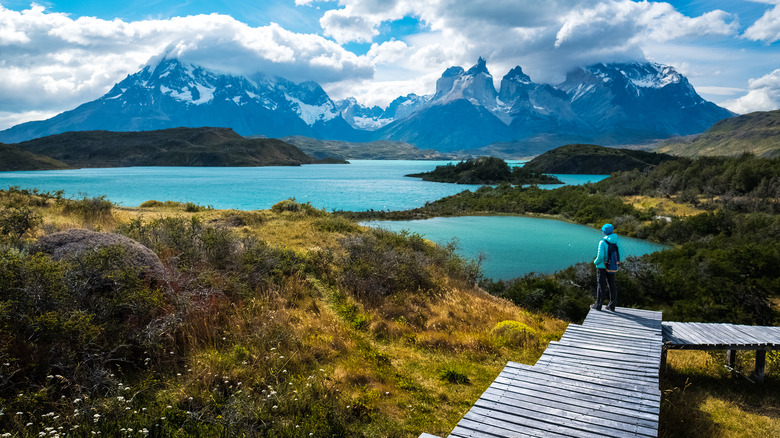
No discussion of Chilean national parks can begin without acknowledging the undisputed icon: Torres del Paine. Nestled deep within Chilean Patagonia, this park is a UNESCO Biosphere Reserve and consistently ranked among the world’s most spectacular natural wonders. Its dramatic granite spires – the "Towers" (Torres) and "Horns" (Cuernos) – pierce the sky, often shrouded in swirling clouds, creating a landscape of mythical proportions. Below these majestic peaks lie turquoise lakes fed by glaciers, expansive steppes where guanacos roam freely, and ancient lenga forests that burst into fiery reds and oranges in autumn.
Torres del Paine is primarily a hiker’s paradise. The famous "W" trek, typically completed in 4-5 days, takes adventurers through the park’s most iconic valleys, offering close-up views of the Torres del Paine, the French Valley, and Grey Glacier. For the truly intrepid, the full "O" circuit (8-10 days) circumnavigates the entire Paine Massif, offering more remote sections, pristine wilderness, and an even deeper sense of solitude. Along the way, trekkers can spot diverse wildlife, including elusive pumas (often seen on guided wildlife tours), Andean condors soaring overhead, and the ubiquitous guanacos. The weather in Patagonia is famously unpredictable, often delivering "four seasons in one day," adding to the challenge and the raw, untamed allure of the experience. Planning is crucial: book refugios (mountain lodges) and campsites well in advance, especially during the peak summer months (December to March).
The Wild Heart of Aysén: Patagonia National Park and Pumalín Douglas Tompkins National Park
Moving further north from Torres del Paine, yet still within the vast embrace of Patagonia, lie two parks that embody a different, yet equally profound, conservation story: Patagonia National Park and Pumalín Douglas Tompkins National Park. These parks are the lasting legacy of American conservationists Doug and Kris Tompkins, who dedicated their lives and fortune to purchasing vast tracts of land in Chile and Argentina, restoring ecosystems, and eventually donating them back to the respective governments as national parks.
Patagonia National Park, located in the Aysén region, is a mosaic of grasslands, mountains, and pristine rivers. It’s a land of rolling golden steppes, sharply contrasting with the jagged peaks of the Jeinimeni range. This park is a testament to ecosystem restoration, where vast sheep ranches have been slowly rewilded. Here, visitors can explore diverse trails, from easy walks through grasslands teeming with guanacos to challenging ascents offering panoramic views. It’s also a critical habitat for the endangered huemul (Andean deer), a shy and elusive symbol of Chile. The park’s infrastructure, built with sustainable design in mind, includes beautiful lodges, campsites, and an informative visitor center.
Pumalín Douglas Tompkins National Park, further north and stretching from the Andes to the Pacific fjords, is a marvel of temperate rainforest. This park protects one of the world’s largest remaining tracts of highly biodiverse Valdivian rainforest, characterized by towering alerce trees (Chile’s ancient sequoias), dense undergrowth, and numerous waterfalls cascading into emerald rivers. Its rugged coastline features dramatic fjords and volcanic landscapes, including the active Chaitén volcano. Activities here range from rainforest hikes and kayaking in the fjords to exploring the volcanic terrain. Pumalín is a sanctuary for unique flora and fauna, offering a profound sense of immersion in a truly ancient and vibrant ecosystem. The park’s commitment to low-impact tourism and community involvement makes it a model for sustainable conservation.
The Lakes & Volcanoes District: Conguillío and Vicente Pérez Rosales National Parks
Venturing into the heart of Chile’s central region, the Lakes & Volcanoes District offers a starkly different, yet equally captivating, landscape. Here, snow-capped volcanoes stand sentinel over shimmering blue lakes, framed by ancient forests.
Conguillío National Park, often called "the most beautiful park in Chile," is dominated by the majestic Llaima Volcano and the iconic Araucaria (monkey puzzle) trees. These prehistoric conifers, with their distinctive umbrella-like crowns, create an otherworldly landscape, especially when dusted with snow or bathed in the warm light of sunrise. The park’s pristine lakes, such as Lake Conguillío and Lake Arcoíris (Rainbow Lake), offer opportunities for kayaking, swimming, and simply soaking in the serene beauty. Hiking trails wind through ancient araucaria forests, past lava fields, and to scenic viewpoints overlooking the volcano and surrounding wilderness. In winter, the park transforms into a snowy wonderland, offering opportunities for snowshoeing and cross-country skiing.
Further south, near the bustling city of Puerto Varas, lies Vicente Pérez Rosales National Park, Chile’s oldest national park, established in 1926. This park is renowned for its dramatic scenery, including the perfectly conical Osorno Volcano, the emerald waters of Todos los Santos Lake (Lake of All Saints), and the iconic Petrohué Falls, where turquoise glacial meltwater cascades over volcanic rock formations. The park is a hub for adventure sports: kayaking and rafting on the Petrohué River, hiking trails that offer stunning views of Osorno and Calbuco volcanoes, and even skiing on Osorno’s slopes in winter. Its accessibility and diverse offerings make it a popular choice for families and those looking for a blend of adventure and convenience.
The Arid North: Lauca National Park
In stark contrast to the lush forests and icy peaks of the south, Lauca National Park in Chile’s far north presents a high-altitude Andean landscape that is equally breathtaking. Located in the Altiplano, this park is a world of vast plains, active volcanoes, and shimmering lakes at elevations exceeding 4,000 meters (13,000 feet). Its crown jewel is Lake Chungará, one of the highest lakes in the world, reflecting the twin cones of Parinacota and Pomerape volcanoes like a mirror.
Lauca is a haven for unique Andean wildlife, including vicuñas (wild relatives of llamas), guanacos, alpacas, and llamas grazing on the sparse vegetation. The lake shores are home to a vibrant array of birdlife, including various species of flamingos, geese, and ducks. The park also protects important cultural heritage, with ancient Aymara villages and pre-Columbian archaeological sites. Exploring Lauca requires careful acclimatization to the high altitude, but the reward is an unparalleled immersion in a stark, beautiful, and culturally rich environment unlike anywhere else in Chile.
Other Notable Gems: From Coastal Wonders to Ancient Islands
Beyond these prominent parks, Chile offers a myriad of other protected areas, each with its own unique charm:
- Chiloé National Park: Located on the mystical island of Chiloé, this park protects a unique coastal ecosystem of dense forests, dunes, and wetlands, home to sea lions, marine birds, and the unique Chiloé fox. It offers a blend of natural beauty and the island’s rich cultural heritage, including its iconic wooden churches.
- Queulat National Park: Famous for its "Ventisquero Colgante" (Hanging Glacier), this park in the Aysén region showcases spectacular fjords, waterfalls, and temperate rainforests. A boat trip to the base of the hanging glacier is an unforgettable experience.
- Rapa Nui National Park (Easter Island): While geographically isolated, this UNESCO World Heritage site is part of Chile’s national park system. It protects the iconic moai statues and the cultural landscape of this enigmatic island, offering a profound journey into ancient Polynesian history and environmental challenges.
Planning Your Chilean Park Adventure
Embarking on an exploration of Chile’s national parks requires some thoughtful planning:
- Best Time to Visit: Generally, the Patagonian parks are best visited during the Southern Hemisphere summer (December to March) for warmer weather and longer daylight hours, though expect crowds. The Lakes District is beautiful year-round, with vibrant autumn colors and winter sports. The Atacama and Lauca can be visited throughout the year, but note the "Altiplanic Winter" (January-February) can bring afternoon rains to the high desert.
- Transportation: Chile has an excellent domestic flight network and a reliable long-distance bus system. For more remote parks, renting a 4×4 vehicle can offer greater flexibility.
- Accommodation: Options range from luxurious eco-lodges and comfortable hotels to rustic refugios and well-equipped campsites. Book well in advance, especially for popular parks like Torres del Paine.
- Gear: Pack layers, waterproof clothing, sturdy hiking boots, and sun protection. High-altitude parks require extra care regarding hydration and sun exposure.
- Permits and Fees: Most national parks require an entrance fee, which can often be purchased online in advance.
- Sustainability: Practice "Leave No Trace" principles. Stay on marked trails, carry out all trash, respect wildlife, and minimize your impact on these fragile ecosystems.
The Deeper Impact: Conservation and Legacy
Chile’s national parks are more than just tourist destinations; they are a testament to the nation’s commitment to protecting its extraordinary natural heritage. The work of organizations like Tompkins Conservation, which helped establish parks like Patagonia and Pumalín, highlights the power of private philanthropy in creating vast protected areas for public enjoyment and scientific research. By visiting these parks responsibly, travelers contribute directly to their ongoing preservation, supporting local communities and fostering a global appreciation for wild places.
Conclusion
Exploring the beautiful national parks of Chile is an adventure of a lifetime. It is a journey that will take you from the stark beauty of the high Andes to the ancient depths of temperate rainforests, from the iconic granite spires of Patagonia to the volcanic landscapes of the Lakes District. Each park offers a unique narrative of geological history, ecological wonder, and the enduring power of nature. Whether you seek the challenge of a multi-day trek, the tranquility of a pristine lake, or the thrill of encountering rare wildlife, Chile’s national parks beckon with promises of awe and inspiration. They are not just places to visit; they are experiences that transform, reminding us of the planet’s incredible beauty and our vital role in its protection. So, pack your bags, lace up your boots, and prepare to discover the wild, untamed heart of Chile – an unforgettable odyssey awaits.