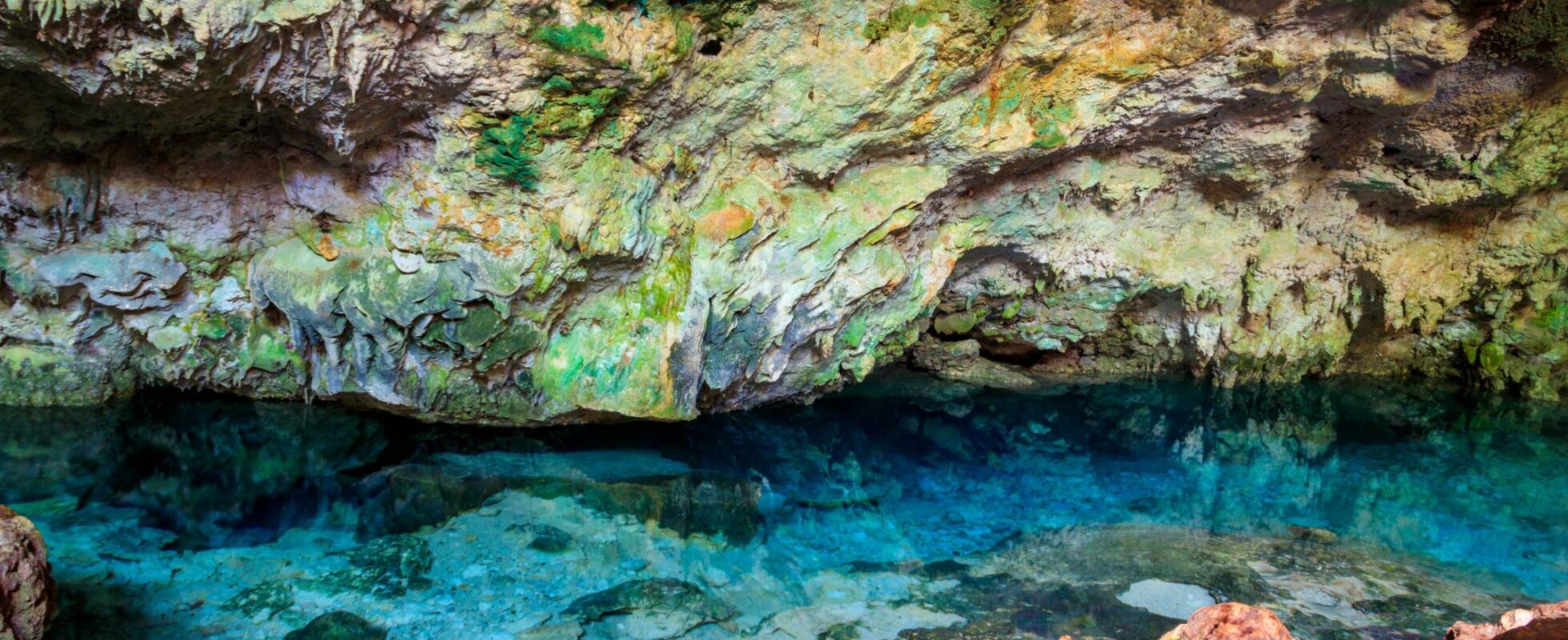


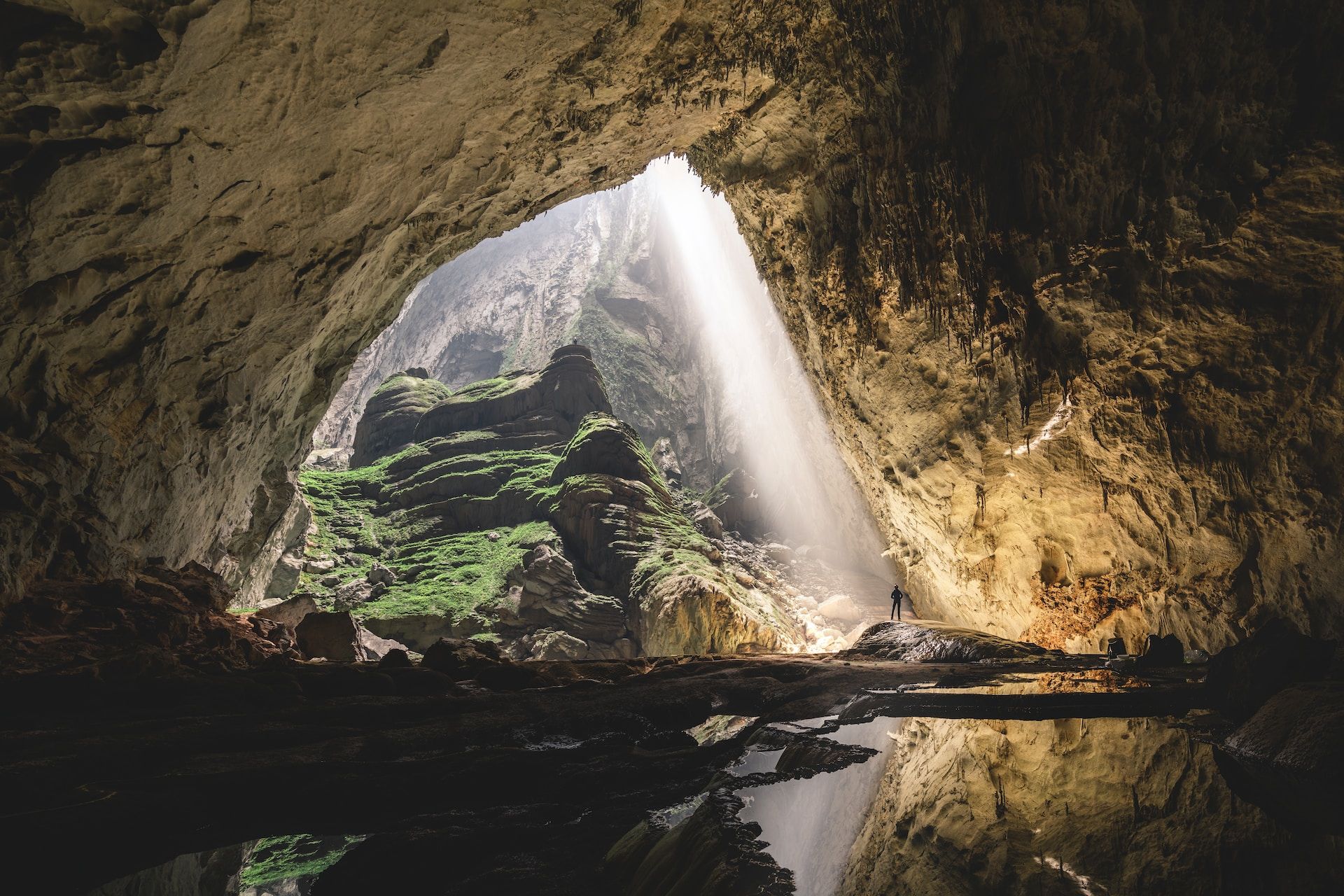
Tanzania, a land synonymous with the iconic Serengeti, the majestic Kilimanjaro, and the pristine beaches of Zanzibar, is celebrated globally for its unparalleled biodiversity and breathtaking landscapes. Millions flock to witness the Great Migration, conquer Africa’s highest peak, or delve into the rich cultural tapestry of its coastal towns. Yet, beneath this well-trodden surface lies another world, a realm of profound mystery and untold scientific potential: Tanzania’s unexplored subterranean frontier.
While the visible wonders of Tanzania have been extensively documented, its caves remain largely a blank slate on the global map of speleology. This vast East African nation, characterized by ancient geological formations, volcanic activity, and significant karst regions, is a veritable treasure trove for cave explorers and scientists. The prospect of discovering new ecosystems, ancient human history, and unique geological marvels within these hidden depths offers an exciting, albeit challenging, new chapter in Tanzanian exploration.
The Geological Canvas: Why Tanzania is a Cave Explorer’s Dream
Tanzania’s geology provides the perfect conditions for extensive cave formation. The country is dominated by the East African Rift Valley system, a geological marvel that has profoundly shaped the continent. The immense tectonic forces associated with the Rift have led to the uplift of vast limestone plateaus, creating numerous fissures, faults, and areas susceptible to dissolution by water.
Much of Tanzania’s interior, particularly in the south and east, is underlain by ancient Precambrian crystalline rocks, but significant areas of younger, soluble rocks – primarily limestone and dolomite – are also present. These carbonate rocks, dating back millions of years, are the primary architects of karst landscapes. When rainwater, slightly acidic from absorbing atmospheric carbon dioxide, percolates through cracks and fissures in these rocks, it slowly dissolves the calcium carbonate, creating an intricate network of passages, chambers, and underground rivers over geological timescales.
Regions like the Udzungwa Mountains, the Eastern Arc Mountains (including the Usambara and Pare ranges), and parts of the coastal belt are particularly promising. These areas receive substantial rainfall, which fuels the karstic processes. The Udzungwas, for instance, are known for their high biodiversity and ancient forests, suggesting that their underlying geology could harbor equally rich and unique subterranean ecosystems. The coastal plains, with their younger coral limestones, also offer the potential for extensive cave systems, including sea caves and coastal karst features that are influenced by fluctuating sea levels.
Volcanic activity, particularly around the Rift Valley, also adds another dimension. While not typically forming soluble rock caves, volcanic caves (lava tubes) can also be present, offering different types of geological insights and unique habitats. The synergy of ancient geology, active tectonics, and a tropical climate makes Tanzania an unparalleled laboratory for understanding Earth’s subterranean processes.
What Lies Within: The Potential for Groundbreaking Discoveries
The lure of unexplored caves is not merely the thrill of discovery; it’s the promise of profound scientific insight across multiple disciplines. Tanzania’s hidden caves hold the potential to redefine our understanding of biology, paleontology, archaeology, and geology.
1. Biodiversity Hotspots and Unique Ecosystems:
Caves are often isolated micro-ecosystems, acting as evolutionary laboratories. Organisms that inhabit these dark, stable environments often develop unique adaptations, such as loss of sight and pigmentation, elongated appendages, and specialized sensory organs. These "troglobites" are frequently new to science and represent distinct evolutionary lineages.
Tanzania’s diverse surface ecology suggests that its subterranean world could be teeming with undiscovered species: blind fish, unique crustaceans, insects, spiders, and even new forms of fungi and bacteria adapted to chemosynthesis or the sparse nutrient environment. Such discoveries would not only expand the global catalog of life but also provide crucial insights into adaptation, speciation, and the resilience of life in extreme conditions.
2. Paleontological and Archaeological Treasures:
East Africa is the cradle of humanity, and Tanzania has yielded some of the most significant fossil and archaeological finds, including the famous hominin footprints at Laetoli and the rich fossil beds of Olduvai Gorge. Caves, especially those with stable temperatures and protection from surface erosion, act as natural time capsules. They can preserve ancient remains of megafauna that once roamed the landscape, offering clues about past climates and ecosystems.
More importantly, caves often served as shelters for early humans and their ancestors. Unexplored caves could hold undisturbed archaeological sites with ancient tools, rock art, hearths, and even human remains, providing invaluable evidence of early human behavior, migration patterns, and cultural practices. Discovering such sites would be paramount to understanding our origins and prehistory.
3. Geological Wonders and Hydrological Insights:
Beyond the life they harbor, caves are geological marvels in themselves. The sheer beauty of speleothems – stalactites, stalagmites, columns, flowstones, helictites, and more – sculpted over millennia, is a testament to the slow, persistent power of water and mineral deposition. Each formation tells a story of past climate conditions, tectonic stability, and the chemical composition of the overlying rock.
Furthermore, cave systems are often integral parts of regional hydrological networks, serving as conduits for underground rivers and reservoirs of groundwater. Studying these systems can provide critical data for understanding water resources, especially in a country facing increasing demands for clean water. The presence of hot springs or geothermal activity within certain cave systems could also indicate deeper geological processes and potential energy sources.
Regions of Promise: Where to Begin the Search
While specific unexplored caves cannot be named, several regions in Tanzania offer significant potential based on their geology, topography, and known surface features:
- The Eastern Arc Mountains (Usambara, Pare, Uluguru, Udzungwa): These ancient mountain ranges are biodiversity hotspots and contain significant limestone formations. Their high rainfall and steep terrain create ideal conditions for extensive karst development. Small, localized caves are known, but the larger, deeper systems remain largely uninvestigated. The Udzungwa Mountains, in particular, with their unique forest ecosystems, could harbor caves with equally unique subterranean life.
- The Great Rift Valley Escarpments: The dramatic fault lines and escarpments of the Rift Valley expose vast sections of rock, including limestone and volcanic formations. The tectonic activity creates fractures and weaknesses that water can exploit, leading to cave formation. Areas like Lake Natron and Lake Eyasi, while famous for their surface features, could have hidden cave systems along their surrounding cliffs.
- The Coastal Belt: From Tanga in the north to Mtwara in the south, Tanzania’s coast features younger coral and marine limestones. These are highly soluble and prone to forming extensive cave systems, including spectacular sea caves carved by ocean waves and inland caves influenced by a fluctuating water table. These caves could offer unique marine-influenced troglobites and insights into past sea levels.
- The Central Plateau: While less dramatic in topography, vast areas of the central plateau are underlain by ancient sedimentary rocks, including limestones. These areas are generally less explored and could conceal immense, older cave systems, particularly where rivers have incised into the landscape.
The Challenges of Subterranean Exploration in Tanzania
The promise of discovery is immense, but so are the challenges inherent in exploring Tanzania’s unknown caves:
- Logistical Hurdles: Many of the most promising areas are remote, lacking in infrastructure, roads, and reliable communication. Transporting specialized equipment, ensuring safety, and establishing base camps in challenging terrain requires meticulous planning and significant resources.
- Funding and Resources: Cave exploration expeditions are expensive, requiring specialized gear (ropes, lighting, diving equipment, survey tools), experienced personnel (speleologists, geologists, biologists, medics), and long-term support. Securing consistent funding is a major obstacle.
- Lack of Local Expertise and Training: While Tanzania has a growing scientific community, specialized speleological expertise is limited. Building local capacity through training and collaborative expeditions is crucial for sustainable exploration and conservation.
- Safety and Environmental Risks: Caves are inherently dangerous environments. The risks of falls, getting lost, rockfalls, flooding, and encountering unknown hazards are ever-present. Furthermore, explorers must be acutely aware of the fragility of cave environments to avoid damaging delicate formations or disturbing unique ecosystems.
- Permitting and Community Engagement: Gaining access to sensitive areas requires navigating complex permitting processes with various government agencies (wildlife, forestry, cultural heritage). Crucially, engaging with and securing the support of local communities is paramount. Their knowledge of the land is invaluable, and their participation ensures the long-term protection of any discoveries.
- Conservation Imperative: Any exploration must be underpinned by a strong conservation ethic. The unique and often fragile cave ecosystems and archaeological sites must be protected from damage, looting, or irresponsible tourism. This requires careful planning, strict protocols, and a commitment to "leave no trace."
The Call for Collaboration and Responsible Exploration
Unlocking the secrets of Tanzania’s unexplored caves requires a concerted, collaborative effort. This means fostering partnerships between international speleological organizations, Tanzanian research institutions, universities, government agencies, and local communities.
Such collaborations can facilitate:
- Knowledge Exchange and Capacity Building: Training Tanzanian scientists and park rangers in cave exploration techniques, mapping, and conservation.
- Technological Application: Utilizing modern techniques such as LiDAR scanning, drone mapping, and advanced diving equipment to safely and efficiently explore vast systems.
- Interdisciplinary Research: Bringing together speleologists, geologists, biologists, archaeologists, hydrologists, and climate scientists to maximize the scientific output of each expedition.
- Sustainable Management: Developing strategies for the long-term protection of discovered caves, potentially leading to carefully managed eco-tourism opportunities that benefit local communities and fund further research.
Conclusion
Tanzania stands at the cusp of a new era of exploration, one that delves not into its renowned savannahs or mountain peaks, but into the silent, ancient darkness beneath its surface. The unexplored caves of Tanzania represent one of the planet’s last true frontiers of discovery, holding the potential for breathtaking geological formations, unique species new to science, and invaluable insights into the origins of life and humanity itself.
The journey into these hidden depths will be arduous, fraught with challenges, and demand the utmost respect for the fragile environments encountered. Yet, the rewards promise to be immeasurable. By embracing responsible exploration, fostering collaboration, and committing to the preservation of these subterranean wonders, Tanzania can solidify its position not only as a global leader in wildlife conservation and natural beauty but also as a pivotal site for unlocking the profound mysteries of our planet’s hidden heart. The call of the unknown echoes from beneath the Great Rift Valley, inviting a new generation of adventurers and scientists to illuminate the secrets of Tanzania’s subterranean realm.