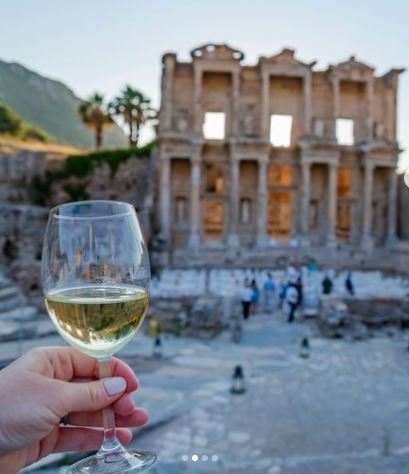


Uncorking Egypt’s Ancient Secret: A Comprehensive Guide to Exploring Wine Tasting Tours in the Land of the Pharaohs
Egypt, a land synonymous with ancient pyramids, majestic pharaohs, and the life-giving Nile, often conjures images of desert landscapes, vibrant bazaars, and millennia-old monuments. What few travelers anticipate, however, is a burgeoning, sophisticated wine culture deeply rooted in antiquity and experiencing a modern renaissance. While not traditionally associated with the world’s most renowned wine regions, Egypt offers a unique and surprisingly rewarding experience for oenophiles and curious explorers alike: the chance to delve into a history of viticulture as old as civilization itself, and to savor the fruits of a determined modern industry.
This comprehensive guide invites you to uncork Egypt’s ancient secret, exploring its rich wine heritage, profiling its key wineries, detailing what to expect from a wine tasting tour, and providing practical advice for planning an unforgettable vinous adventure in the land of the pharaohs.
The Unexpected Terroir: Egypt’s Ancient Roots and Modern Revival
The idea of Egyptian wine might seem counterintuitive to many, given the country’s arid climate and predominant cultural landscape. Yet, the story of wine in Egypt is not just ancient; it is foundational.
A. Ancient Echoes: Wine in Pharaonic Egypt
Archaeological evidence unequivocally demonstrates that wine was not merely present but profoundly significant in ancient Egypt. From the earliest dynasties (circa 3100 BCE), vineyards flourished, particularly in the Nile Delta and along the fertile banks of the river. Tomb paintings, hieroglyphic texts, and even wine jars discovered in royal tombs (like that of Tutankhamun, which contained jars meticulously labeled with vintage, vineyard, and winemaker) testify to a sophisticated wine industry.
Wine played a central role in religious rituals, royal feasts, and daily life for the elite. It was believed to be the drink of the gods, a symbol of abundance, and a medicine. Ancient Egyptian winemaking techniques were advanced for their time, involving grape pressing, fermentation in large pottery vessels, and careful storage. The "wine press" hieroglyph itself is a testament to its importance.
B. Decline and the Long Road to Revival
With the Roman and later Byzantine eras, Egyptian wine continued to be produced, but its prominence gradually waned. The Arab conquest in the 7th century, bringing with it Islamic dietary laws, led to a significant decline in viticulture for wine production, though grapes were still cultivated for consumption and syrup. For centuries, Egyptian winemaking lay dormant, a ghost of its former glory.
The modern revival began in the late 19th and early 20th centuries, largely influenced by European immigrants, particularly Greeks and French, who recognized the potential of the fertile Nile Delta soil. The most notable pioneer was Nestor Gianaclis, a Greek businessman who established extensive vineyards near Alexandria in 1882. His efforts laid the groundwork for what would become the largest and most enduring name in Egyptian wine.
Today, Egyptian wine production is a small but growing sector, a testament to agricultural ingenuity and a desire to reclaim a vital piece of the nation’s heritage. Modern wineries face unique challenges – including the intense heat, water scarcity, and specific soil conditions – but they have adapted by focusing on heat-resistant varietals, drip irrigation, and innovative canopy management.
Key Players in Egypt’s Wine Scene: Where to Taste
While the global wine map highlights hundreds of regions, Egypt’s modern wine industry is primarily dominated by a few key players, each offering a distinct profile and experience.
A. Domaine des Gianaclis (Al Ahram Beverages Company – ABC)
The name Gianaclis is almost synonymous with Egyptian wine. Founded by Nestor Gianaclis, the vineyards and winery eventually became part of Al Ahram Beverages Company (ABC), Egypt’s largest beverage producer. Gianaclis is the undisputed market leader, producing a wide range of wines that are staples in Egyptian hotels, restaurants, and liquor stores.
- History & Scale: With over a century of history, Gianaclis benefits from established vineyards, primarily in the sandy-loam soils of the Maryut region near Alexandria. Their scale allows for consistent production and broader distribution.
- Varietals: Gianaclis cultivates both international and some locally adapted varietals. Their red wines often feature Cabernet Sauvignon, Merlot, Syrah (Shiraz), Grenache, and Sangiovese. For whites, you’ll find Chardonnay, Viognier, and a local grape often referred to as "Bannati."
- Brands: Popular Gianaclis brands include "Ayam," "Omar Khayyam," "Grand Marquis," and the premium "Obélisque." Omar Khayyam, in particular, is widely recognized as an accessible Egyptian table wine.
- Tasting Experience: While Gianaclis has historically focused on production, they are increasingly open to facilitating visits and tastings at their facilities near Alexandria, offering insights into their large-scale operations and historical significance. These tours often provide a foundational understanding of Egyptian viticulture.
B. Kouroum of the Nile
Emerging as a significant competitor and a champion of quality, Kouroum of the Nile (meaning "Vineyards of the Nile") represents a newer, more boutique approach to Egyptian winemaking. Established in 2004, Kouroum has quickly gained a reputation for producing higher-quality, more refined wines.
- Philosophy: Kouroum’s philosophy centers on leveraging specific terroir within the Nile Delta, meticulous vineyard management, and modern winemaking techniques to craft wines that can compete on an international stage. They often emphasize sustainability and the unique characteristics of Egyptian soil and climate.
- Location: Their vineyards are situated in the fertile Upper Egypt region, benefiting from specific microclimates that allow for optimal grape ripening.
- Varietals: Kouroum focuses on classic international varietals, often showcasing their potential in the Egyptian climate. Their reds include Cabernet Sauvignon, Syrah, and Grenache, while their whites feature Viognier and Chardonnay. They are known for their "Beausoleil" line, which often includes a premium dry red and white.
- Tasting Experience: Kouroum of the Nile is generally more geared towards offering guided tours and tasting experiences. Their smaller scale allows for a more personal touch, often including a walk through the vineyards, a detailed explanation of their winemaking process, and a structured tasting session led by knowledgeable staff. This is often where visitors get a deeper appreciation for the nuances of modern Egyptian viticulture.
C. Other Emerging Wineries & Brands
While Gianaclis and Kouroum are the giants, smaller producers and brands occasionally emerge, contributing to the diversity of the Egyptian wine landscape. Some boutique operations might focus on specific varietals or experimental blends. Keep an eye out for brands like "Shahrazade" or "Aida" (also under ABC), which offer different profiles within the broader Egyptian market.
The Egyptian Wine Tasting Tour Experience: What to Expect
Embarking on a wine tasting tour in Egypt is a distinct experience, blending ancient history with agricultural innovation. It’s less about hopping between dozens of wineries like in Napa Valley or Bordeaux, and more about a focused exploration of a unique viticultural narrative.
A. Vineyard and Cellar Tours
Most tours will begin with a visit to the vineyards, typically located near Alexandria (for Gianaclis) or in other fertile parts of the Nile Delta (for Kouroum). You’ll learn about:
- Grape Varietals: Discover which international grapes thrive in Egypt’s climate and any local adaptations.
- Cultivation Techniques: Understand how viticulturists manage irrigation, sun exposure, and canopy to produce healthy grapes in a hot climate.
- Harvesting: If visiting during the harvest season (typically late summer to early autumn), you might witness the manual picking process.
Following the vineyards, you’ll often proceed to the winery itself for a cellar tour. Here, guides explain the winemaking process from grape crushing and fermentation to aging in stainless steel tanks or oak barrels. It’s a fascinating look at how ancient traditions meet modern technology.
B. Guided Tasting Sessions
The highlight of any wine tour is, of course, the tasting. Expect a structured tasting session, often led by a winemaker, sommelier, or knowledgeable guide.
- Sampling: You’ll typically sample 3-5 different wines, ranging from crisp whites and rosés to full-bodied reds.
- Sensory Exploration: Guides will walk you through the proper tasting techniques, discussing the appearance, aroma, and flavor profiles of each wine. They’ll highlight the characteristics derived from the grape varietal, the terroir, and the winemaking process.
- Food Pairings: Some tours might include small bites or suggest pairings with local Egyptian cuisine, offering an opportunity to explore how the wines complement the rich flavors of the region.
C. Cultural Immersion and Hospitality
Egyptian wine tours are not just about the wine; they are about the experience. You’ll encounter the legendary warmth of Egyptian hospitality. Guides are often passionate about their work and eager to share their knowledge and the story of Egyptian wine. These tours offer a unique lens through which to view Egypt’s agricultural prowess and its connection to its ancient past.
Planning Your Egyptian Wine Adventure
To make the most of your wine tasting tour in Egypt, consider these practical tips:
A. Location and Logistics
- Primary Hubs: Most accessible wineries are located in the Nile Delta, particularly near Alexandria. A day trip from Cairo to Alexandria for a wine tour is feasible, often combined with other sights in Alexandria.
- Transportation: Private car with a driver or an organized tour package is the most convenient way to reach the wineries, as public transport options might be limited or indirect.
- Booking: It is essential to book your winery visits in advance. Contact the wineries directly or work with a reputable Egyptian tour operator who specializes in cultural or niche tours.
B. Best Time to Visit
- Weather: Egypt’s climate is hot. The cooler months from October to April are generally more comfortable for travel and outdoor activities.
- Harvest Season: If you’re keen to see the vineyards in full swing and potentially witness grape harvesting, late summer (August-September) is the traditional harvest season. However, be prepared for intense heat during this period. Spring (March-May) offers pleasant weather and lush vineyards.
C. Combining Wine with Culture
An Egyptian wine tour is best integrated into a broader itinerary.
- Alexandria: Combine a visit to Gianaclis or Kouroum with exploring Alexandria’s historical sites, such as the Catacombs of Kom El Shoqafa, Pompey’s Pillar, the Roman Amphitheatre, and the Bibliotheca Alexandrina.
- Nile Cruise: While not directly linked to wineries, a Nile cruise offers a different perspective on Egypt’s agricultural heartland, the very source of its ancient viticulture.
- Cairo: Before or after your wine tour, immerse yourself in Cairo’s vibrant energy, visiting the Pyramids of Giza, the Egyptian Museum, and Khan el-Khalili bazaar.
D. What to Bring
- Comfortable Shoes: For walking through vineyards and wineries.
- Sun Protection: Hat, sunglasses, and sunscreen are essential, even during cooler months.
- Water: Stay hydrated, especially if visiting during warmer periods.
- Camera: To capture the unique blend of ancient landscapes and modern viticulture.
Challenges and the Future of Egyptian Wine
Despite its rich history and growing modern efforts, Egyptian wine faces several challenges:
- Climate Change: The ongoing threat of rising temperatures and water scarcity places immense pressure on viticulture.
- Cultural Perceptions: While the industry is growing, wine consumption is still not universally accepted in a predominantly Muslim country, which can limit domestic market growth.
- International Recognition: Competing with established wine regions requires significant investment in marketing, quality control, and distribution channels.
However, the future also holds immense promise. As global tourism becomes more experiential and niche, Egypt’s unique wine story presents a compelling draw. Increased investment, a focus on quality, and strategic partnerships could elevate Egyptian wines onto the international stage, offering a distinctive "taste of history" that no other region can replicate. The dedication of winemakers to adapt and innovate, combined with the timeless allure of Egypt, suggests a bright future for this ancient nectar.
Conclusion: A Toast to Egypt’s Unseen Charm
Exploring wine tasting tours in Egypt is more than just sampling fermented grape juice; it is an extraordinary journey through time, culture, and agricultural resilience. It’s an opportunity to challenge preconceived notions and discover a hidden facet of a country celebrated for its monumental heritage. From the echoes of pharaonic feasts to the innovative spirit of modern winemakers, Egyptian wine tells a story of survival, adaptation, and a quiet reawakening.
So, the next time you dream of Egypt, let your imagination wander beyond the pyramids and temples to the fertile banks of the Nile, where ancient vines once thrived and modern grapes now ripen under the desert sun. Embark on a wine tasting tour, and you’ll not only savor unique flavors but also toast to the unexpected, the resilient, and the utterly captivating spirit of Egypt. It’s an experience that truly uncorks the essence of this timeless land.