


Beyond the Safari Track: Exploring Kenya’s Scenic Road Trips
Kenya – a name synonymous with vast savannas, iconic wildlife, and the thrill of safari. While game drives in world-renowned parks like the Maasai Mara are undeniably a cornerstone of the Kenyan experience, a growing number of adventurous souls are discovering the unparalleled freedom and immersion offered by exploring this East African gem on four wheels. Beyond the well-trodden safari tracks lies a network of roads, both paved and rugged, that unveil Kenya’s incredible diversity – from the dramatic escarpments of the Great Rift Valley to the snow-capped peaks of Mount Kenya, and from the vibrant cultures of its myriad tribes to the pristine white sands of its Indian Ocean coastline.
Embarking on a scenic road trip in Kenya is not just about reaching a destination; it’s about embracing the journey itself. It’s about the ever-changing landscapes unfolding outside your window, the unexpected encounters with wildlife by the roadside, the spontaneous stops at bustling local markets, and the quiet moments of reflection as the vastness of the African sky stretches above you. This article delves into the allure of Kenyan road trips, outlining key routes, practical considerations, and tips to ensure an unforgettable self-drive adventure.
The Allure of the Open Road in Kenya
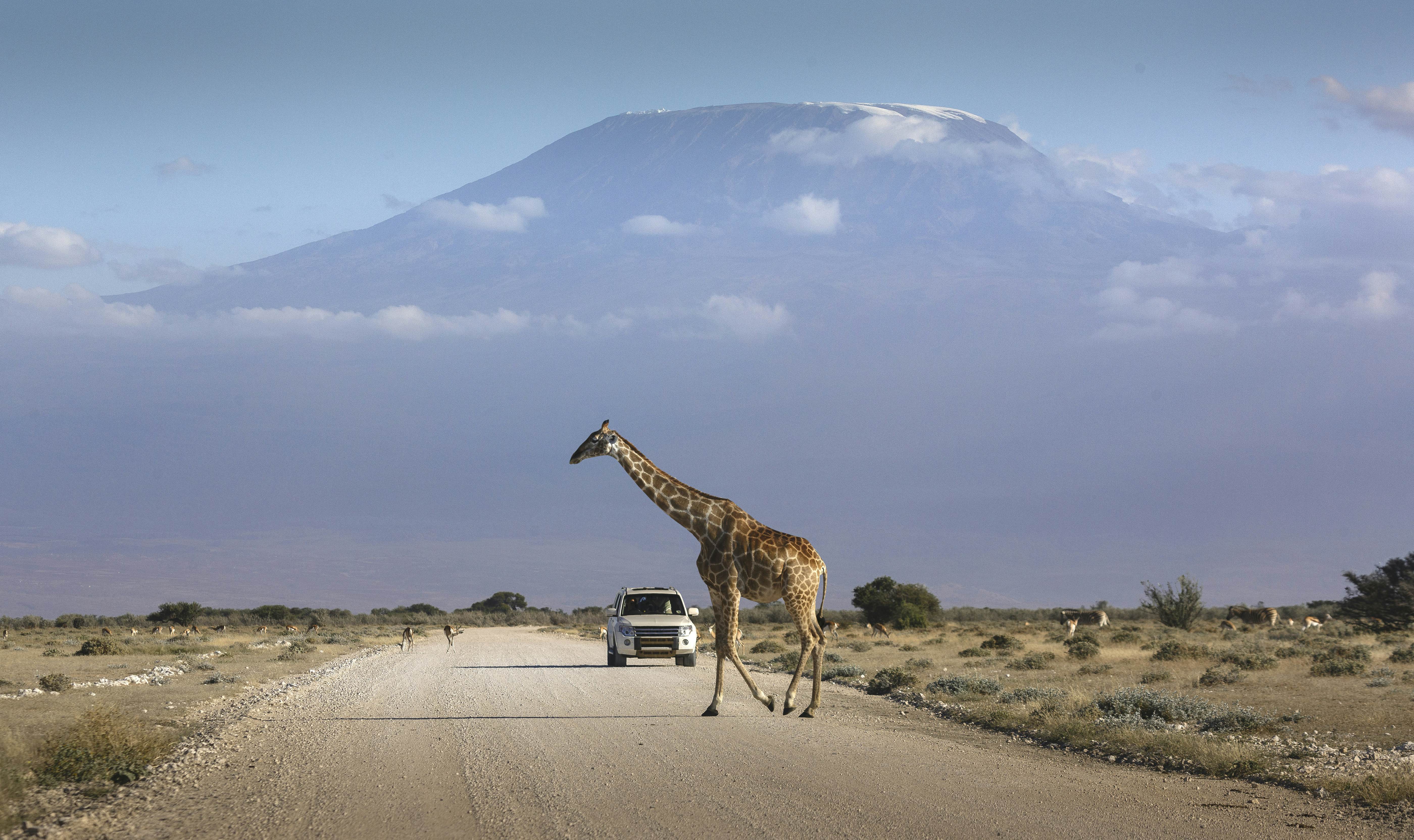
The magic of a Kenyan road trip lies in its ability to transform you from a passive observer into an active participant in the country’s rhythm. The rumble of a 4×4 beneath you, the dust swirling in your wake, the smell of acacia trees on the dry air – these are sensory experiences that deepen your connection to the land. You dictate your pace, lingering longer at a scenic viewpoint, detouring to a hidden village, or simply pulling over to watch a herd of zebras graze. This flexibility allows for authentic cultural interactions, photographic opportunities that guided tours might miss, and a profound sense of discovery.
Kenya’s infrastructure, while challenging in parts, has significantly improved over the years, making many major routes accessible. However, venturing off the main arteries often requires a sturdy 4×4 vehicle, especially during the rainy seasons. The rewards, however, are immense: access to remote conservancies, breathtaking vistas, and a sense of accomplishment that comes from navigating diverse terrains.
Iconic Routes for Unforgettable Journeys
Kenya offers a plethora of routes, each promising a unique tapestry of experiences. Here are some of the most scenic and rewarding road trip circuits:
1. The Great Rift Valley Lakes Loop: A Symphony of Water and Wildlife
Route: Nairobi → Lake Naivasha → Lake Nakuru National Park → Lake Bogoria → Nairobi/Mara
Duration: 3-5 days
Highlights: This route takes you along the floor of the Great Rift Valley, a geological marvel that slices through Kenya.
- Lake Naivasha: A freshwater lake offering boat safaris amidst hippos and diverse birdlife. You can cycle or walk among giraffes and zebras at Hell’s Gate National Park, one of the few parks where you can explore on foot.
- Lake Nakuru National Park: Famous for its stunning flocks of lesser and greater flamingos (though numbers fluctuate) and as a sanctuary for both black and white rhinos. The park’s diverse ecosystem also hosts lions, leopards, and Rothschild’s giraffes.
- Lake Bogoria: A soda lake known for its boiling geysers, hot springs, and often, spectacular flamingo concentrations, creating a truly otherworldly landscape.
Why it’s scenic: The journey itself is dotted with viewpoints overlooking the vast valley, and the transition between the lush Naivasha, the pink-fringed Nakuru, and the dramatic Bogoria is visually captivating. The roads are generally good, making it a great introductory road trip.
2. The Southern Safari Circuit: Giants Against Kilimanjaro
Route: Nairobi → Amboseli National Park → Tsavo West National Park → Tsavo East National Park → Mombasa/Diani
Duration: 5-7 days
Highlights: This classic route offers a contrast of landscapes and some of Kenya’s most iconic wildlife.
- Amboseli National Park: Unquestionably one of Africa’s most picturesque parks, offering postcard-perfect views of elephants silhouetted against the colossal, snow-capped peak of Mount Kilimanjaro across the border in Tanzania. The park’s ecosystem of swamps and dry lake beds supports a rich array of wildlife.
- Tsavo West National Park: Known for its rugged volcanic hills, Mzima Springs (a crystal-clear pool where you can view hippos and crocodiles from an underwater hide), and diverse habitats ranging from open plains to dense acacia woodlands. It offers a more adventurous, wilder feel.
- Tsavo East National Park: One of Kenya’s oldest and largest parks, famous for its vast, flat, dry plains, the Galana River, and "red elephants" (stained by the park’s ochre dust). It’s a stronghold for large herds of elephants, lions, and buffalo.
Why it’s scenic: The journey offers a spectacular progression from the wetlands of Amboseli to the volcanic terrain of Tsavo West and the expansive plains of Tsavo East. The roads are a mix of paved and well-maintained dirt roads, with 4×4 recommended for optimal game viewing tracks within the parks.
3. The Northern Frontier’s Wild Beauty: A Cultural and Wilderness Expedition
Route: Nairobi → Nanyuki/Mount Kenya Region → Samburu National Reserve → Marsabit National Park & Reserve (for the truly adventurous)
Duration: 7-10 days
Highlights: This is a journey into Kenya’s wild, rugged north, offering unique wildlife and rich cultural encounters.
- Nanyuki/Mount Kenya Region: A base for exploring the foothills of Africa’s second-highest mountain, offering stunning views, forest walks, and opportunities to visit conservancies like Ol Pejeta (home to chimpanzees and rhinos).
- Samburu National Reserve: A semi-arid landscape traversed by the Ewaso Ng’iro River, home to unique species known as the "Samburu Five": Grevy’s zebra, reticulated giraffe, Beisa oryx, Somali ostrich, and gerenuk. The vibrant Samburu culture is also a major draw.
- Marsabit National Park & Reserve: For the most intrepid, this park around Mount Marsabit is a forested volcanic mountain rising from the desert, home to elephants with enormous tusks (like the legendary Ahmed), buffalo, and greater kudu.
Why it’s scenic: This route offers dramatic changes in scenery, from mountain forests to arid landscapes. The roads, especially north of Isiolo, become increasingly challenging and remote, requiring a well-equipped 4×4 and careful planning. The cultural interactions with the Samburu and other northern tribes are incredibly enriching.
4. Highlands to the Coast: From Mountains to Beaches
Route: Nairobi → Aberdare National Park / Mount Kenya National Park → Diani Beach / Watamu / Malindi
Duration: 7-10 days
Highlights: This diverse trip combines the cool highlands with the warm Indian Ocean coast.
- Aberdare National Park / Mount Kenya National Park: Explore dense forests, waterfalls, and high moorlands. Aberdare is famous for its tree-top lodges (The Ark, Treetops) offering nocturnal game viewing, while Mount Kenya offers stunning scenery and challenging treks.
- Coastal Towns (Diani, Watamu, Malindi): After the adventure, unwind on some of the world’s most beautiful beaches. Enjoy water sports, explore marine parks, or simply relax by the turquoise waters. Diani is particularly known for its vibrant atmosphere and stunning white sands.
Why it’s scenic: The stark contrast between the lush, cool highlands and the tropical, sunny coast is a visual delight. The main highway (A2 and A109) connecting these regions is generally paved, but off-road detours into parks or specific coastal areas might require a 4×4.
5. The Maasai Mara and Beyond: The Quintessential Safari Drive
Route: Nairobi → Narok → Sekenani Gate / Talek Gate (Maasai Mara National Reserve)
Duration: 4-6 days (including game drives)
Highlights: While often done as a fly-in safari, driving to the Maasai Mara offers a different perspective.
- Maasai Mara National Reserve: The jewel in Kenya’s safari crown, renowned for its incredible wildlife density year-round and, most famously, the Great Migration (July-October), when millions of wildebeest and zebras cross the Mara River.
Why it’s scenic: The drive itself, especially after Narok, takes you through rolling hills and Maasai lands, offering glimpses into traditional life. The roads to the Mara can be notoriously rough, especially during the rainy season, making a 4×4 absolutely essential. But arriving at the Mara by road, witnessing the vast plains unfold, is an experience unto itself.
Planning Your Kenyan Road Trip: Practical Considerations
Embarking on a Kenyan road trip requires careful planning. Here’s what you need to consider:
-
Vehicle Rental:
- 4×4 is Essential: For most scenic routes, especially those venturing into national parks, conservancies, or the northern frontier, a reliable 4×4 (e.g., Toyota Land Cruiser, Land Rover Defender) is not merely recommended; it’s often a necessity.
- Reputable Companies: Rent from established companies that offer well-maintained vehicles, comprehensive insurance, and 24/7 support.
- Check Conditions: Thoroughly inspect the vehicle for existing damage, check tire pressure (including spare), and ensure all necessary equipment (jack, tools, first-aid kit) is present.
- Driver Option: Consider hiring a local driver-guide. They offer invaluable local knowledge, driving expertise on challenging roads, and often enhance the safari experience with their wildlife tracking skills.
-
Accommodation:
- Variety: Kenya offers a range of options, from luxury lodges and tented camps within parks to budget guesthouses and self-catering cottages in towns.
- Book in Advance: Especially during peak season (July-October), popular lodges and camps fill up quickly.
-
Safety and Navigation:
- General Safety: Kenya is generally safe for tourists, but standard precautions apply: avoid driving at night, keep valuables out of sight, and be aware of your surroundings in urban areas.
- Local Advice: Always seek local advice on road conditions, especially if venturing off main routes.
- Navigation: A reliable GPS (like Google Maps or Maps.me with offline maps) is crucial. Carry physical maps as a backup, and consider a satellite phone for truly remote areas.
- Fuel: Fuel stations can be sparse in remote areas. Plan your fuel stops carefully and consider carrying extra fuel if venturing into very remote regions.
-
Best Time to Travel:
- Dry Seasons (Jan-March & July-Oct): Generally the best for road trips, with better road conditions and easier wildlife viewing as animals congregate around water sources.
- Wet Seasons (Apr-June & Nov-Dec): Roads can become muddy and impassable, particularly in parks. However, landscapes are lush, and it’s a great time for birdwatching.
-
Park Fees and Permits:
- KWS Parks: Most national parks are managed by the Kenya Wildlife Service (KWS). Entry fees are typically paid via cashless methods (M-Pesa or card) at the gate. Check current fees online.
- Conservancies: Many conservancies are privately owned or community-run and have separate fees, often higher than KWS parks but offering more exclusive experiences.
- Advance Booking: Some parks or conservancies might require advance booking.
-
Packing Essentials:
- Clothing: Layers are key (light for day, warm for evenings). Neutral colours for safari.
- Sun Protection: Hat, sunglasses, high-SPF sunscreen.
- Insect Repellent: Essential, especially in malarial areas.
- Medical Kit: Basic first-aid supplies, personal medications.
- Photography Gear: Binoculars, camera with zoom lens.
- Power Bank/Car Charger: To keep devices charged.
- Water: Carry plenty of drinking water.
Embracing the Journey: Tips for an Unforgettable Experience
- Go "Pole Pole" (Slowly): This Swahili phrase, meaning "slowly, slowly," is the mantra for Kenyan road trips. Rushing means missing out.
- Interact with Locals: Kenyans are renowned for their warmth and hospitality. Stop at local markets, engage in conversations, and learn about their culture.
- Respect the Wildlife: Always maintain a safe distance from animals, never feed them, and follow park rules.
- Be Flexible: Road conditions can change, and unexpected detours can lead to the best adventures. Embrace the spontaneity.
- Leave No Trace: Practice responsible tourism. Dispose of waste properly and respect the natural environment.
- Embrace the Unexpected: From a flat tire in the middle of nowhere to a spontaneous roadside dance with Maasai warriors, these unforeseen moments often become the most cherished memories.
Conclusion
Kenya’s roads are more than just pathways; they are arteries that pulse with the lifeblood of a vibrant nation, leading to landscapes of breathtaking beauty and encounters that stir the soul. While the allure of the traditional safari remains undeniable, taking to the open road offers a profound and personal connection to this extraordinary country. It’s an adventure that challenges, inspires, and ultimately, rewards with a tapestry of memories as diverse and captivating as Kenya itself. So, fuel up, pack your sense of adventure, and prepare to discover the magic that lies beyond the safari track. Kenya is waiting to be explored, one scenic mile at a time.
