


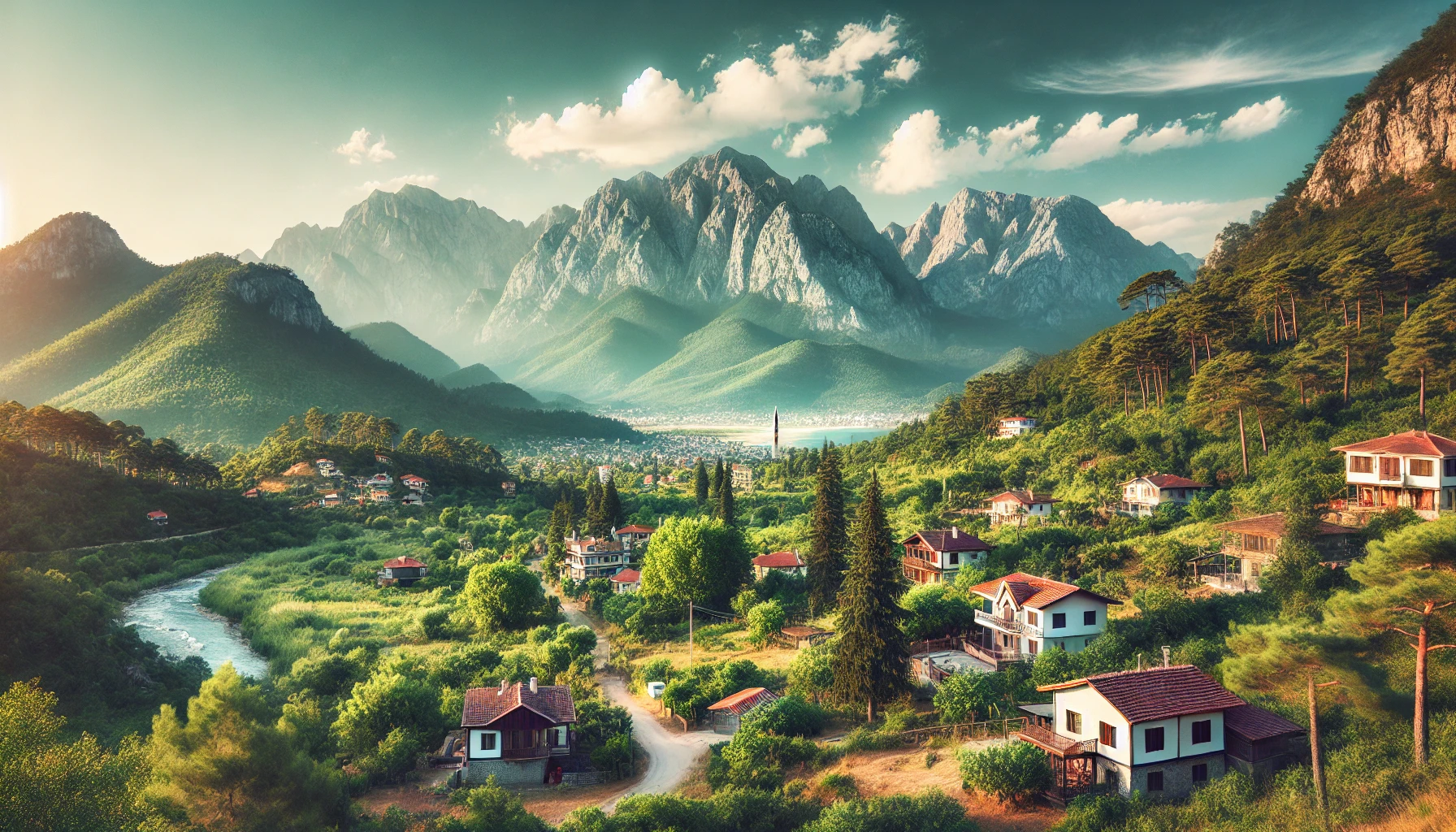
Echoes of Anatolia: A Journey into Turkey’s Mountain Villages
Turkey, a land where East meets West, conjures images of bustling bazaars, ancient ruins shimmering under the Mediterranean sun, and the ethereal landscapes of Cappadocia. Yet, beyond the well-trodden paths lies a different Turkey, one that whispers tales of timeless traditions, rugged beauty, and unyielding hospitality. This is the Turkey of its mountain villages – remote enclaves perched precariously on slopes, nestled in verdant valleys, or clinging to craggy peaks, offering an authentic glimpse into the soul of Anatolia.
Exploring these hidden gems is not merely a trip; it’s an immersion, a step back in time where the rhythm of life is dictated by the seasons, where community bonds are strong, and where the echoes of ancient cultures resonate in every stone and smile. For the intrepid traveler seeking genuine connection and breathtaking landscapes, Turkey’s mountain villages present an unparalleled adventure.
Why Venture Off the Beaten Path? The Allure of Authenticity
The primary draw of Turkey’s mountain villages is their unvarnished authenticity. Unlike tourist hubs designed for fleeting visits, these villages are living, breathing communities where traditions have been preserved for centuries. Here, you won’t find souvenir shops selling mass-produced trinkets, but rather local artisans crafting goods with techniques passed down through generations. The food is organic, often grown in the village fields, and prepared with age-old recipes. The hospitality is genuine, stemming from a deeply ingrained cultural value rather than a commercial transaction.
Life in these villages moves at a slower pace, a stark contrast to the relentless rush of modern urban existence. It’s a place to disconnect from digital noise and reconnect with nature, with people, and with oneself. The air is crisp, the views are expansive, and the silence is often broken only by the bleating of sheep, the call of a bird, or the distant sound of a villager’s song. This escape offers not just relaxation, but a profound recalibration of perspective.
A Tapestry of Landscapes and Cultures: Diverse Mountain Regions
Turkey’s vast and varied geography means that its mountain villages are far from monolithic. Each region boasts its own distinct character, shaped by climate, history, and the unique spirit of its people.
1. The Lush Greenery of the Black Sea (Karadeniz):
Stretching along Turkey’s northern coast, the Black Sea region is a world apart. Here, the mountains plunge dramatically into the sea, creating a landscape of unparalleled verdant beauty. The Kaçkar Mountains, a sub-range of the Pontic Alps, are the crown jewel, home to countless yaylas (highland pastures) where villagers migrate with their livestock in summer.
Villages like Ayder, though becoming more accessible, still offer glimpses of traditional wooden houses with distinctive pitched roofs, designed to shed the abundant rainfall. Further into the mountains, remote hamlets like those around Çamlıhemşin and Uzungöl (despite its growing popularity) reveal a unique culture. The people, often of Laz or Hemsin descent, have their own dialects, music (often featuring the kemençe, a three-stringed fiddle), and dances. Tea plantations carpet the lower slopes, and misty forests cloak the peaks. Exploring these villages involves navigating winding roads, crossing ancient stone bridges, and embracing a climate that can shift from sunny to foggy in an instant. The hospitality here is legendary, with villagers eager to share a cup of tea (çay) and a warm conversation, often despite language barriers.
2. The Rugged Grandeur of the Taurus Mountains (Toroslar):
Running parallel to the Mediterranean coast, the Taurus Mountains present a more arid, dramatic landscape of limestone peaks, deep canyons, and pine forests. This region has historically been home to nomadic Yörük communities, whose influence can still be seen in the villages today.
Villages like those found in the hinterlands of Antalya or Mersin offer a different kind of charm. Here, life revolves around agriculture – olives, pomegranates, and grains – and animal husbandry. The architecture often features stone houses blending seamlessly into the environment. Trekkers exploring sections of the Lycian Way or St. Paul Trail will often pass through these villages, finding simple guesthouses and opportunities to experience rural life. The air is often scented with pine and wild herbs, and the silence is profound. The people here are hardy, resourceful, and deeply connected to their land, often sharing stories of their nomadic ancestors.
3. The Ancient Heart of Eastern Anatolia:
Perhaps the most remote and untouched, Eastern Anatolia’s mountains are a land of ancient history, dramatic vistas, and deep cultural roots. Regions like Kars, Ardahan, and the areas around Mount Ararat are characterized by vast plains, towering peaks, and extreme seasonal temperatures.
Villages in this region are often isolated, built from local stone or mud-brick, and reflect a resilient way of life. The culture is a rich tapestry woven from Armenian, Georgian, Kurdish, and Turkish influences, depending on the specific location. Exploring here requires more planning and a greater sense of adventure, but the rewards are immense: genuine encounters, untouched landscapes, and a profound sense of stepping into a living museum. You might witness traditional weaving, observe ancient farming practices, or simply be invited to share a meal with a family in their home, an experience that transcends language.
4. Cappadocia’s Hidden Edges:
While Cappadocia is famous for its fairy chimneys and hot air balloons, its periphery holds mountain villages that offer a quieter, more traditional experience away from the tourist bustle. Villages like Mustafapaşa (Sinasos) or those nestled further into the valleys surrounding Uçhisar and Ortahisar provide a glimpse into the local life that continues amidst the surreal landscape. Here, you can find rock-cut houses still inhabited, observe locals tending their vineyards, and appreciate the unique blend of natural wonder and human ingenuity without the crowds.
The Journey Itself: How to Explore
Venturing into Turkey’s mountain villages requires a spirit of flexibility and an openness to the unexpected.
- Transportation: While major towns are accessible by bus, reaching the truly remote villages often requires a dolmuş (shared minibus) or a rented car. Be prepared for winding, sometimes unpaved roads. Hiring a local guide, especially in more remote regions, can be invaluable for navigation and cultural insights.
- Accommodation: Options range from simple pansiyons (guesthouses) in larger villages to homestays (köy evi) where you can experience life with a local family. These are rarely luxurious but offer unparalleled warmth and authenticity. Booking ahead is advisable in some areas, but spontaneous discovery is also part of the charm.
- Pace: This is not a trip for rushing. Embrace slow travel. Spend a few days in one village, wander its narrow streets, observe daily life, and simply be present.
Immersing in Village Life: Experiences to Cherish
The true magic of exploring mountain villages lies in the immersive experiences they offer:
- Culinary Delights: Prepare for a feast of fresh, organic, and intensely flavorful food. Each region has its specialties: mıhlama (a cheesy cornmeal dish) and fresh trout in the Black Sea, hearty stews and flatbreads in the Taurus, and rich breakfast spreads everywhere. Much of it is farm-to-table, prepared with love and often cooked over wood fires. Don’t miss the opportunity to learn how to prepare a local dish if offered.
- Warm Hospitality (Misafirperverlik): Turkish hospitality is legendary, and nowhere is it more evident than in the villages. You will likely be offered countless cups of çay (tea), invited to share a meal, or simply engaged in friendly conversation. A smile and a few basic Turkish phrases (Merhaba – hello, Teşekkür ederim – thank you, Afiyet olsun – bon appétit) go a long way.
- Hiking and Nature: The mountains are a playground for hikers. Follow ancient shepherd trails, discover hidden waterfalls, or simply take a leisurely stroll through fields of wildflowers. The air is clean, and the scenery is constantly breathtaking.
- Observing Traditional Crafts: Many villages preserve ancient crafts like carpet weaving, woodworking, pottery, or embroidery. You might find women weaving intricate kilims on traditional looms, or men carving intricate designs into wood. These are not tourist demonstrations but an integral part of their daily life and economy.
- Festivals and Celebrations: If your visit coincides with a local festival or wedding, you’re in for a treat. These events are vibrant celebrations of community, music, dance, and food, offering a deeper insight into the local culture.
- Simple Pleasures: The joy often lies in the small moments: watching an elderly villager tend to their garden, hearing the call to prayer echo through the valley, sharing laughter with children, or simply sitting in silence and soaking in the panoramic views.
Responsible and Respectful Exploration
To ensure these precious communities remain vibrant, responsible tourism is crucial:
- Cultural Sensitivity: Dress modestly, especially when visiting mosques or engaging with elders. Ask permission before taking photos of people, particularly women and children. Be mindful of local customs and traditions.
- Support Local Economies: Stay in local guesthouses, eat at village restaurants, and buy handicrafts directly from the artisans. This ensures your money directly benefits the community.
- Environmental Awareness: Stick to marked trails, avoid littering, and respect nature.
- Learn Basic Turkish: Even a few words can bridge communication gaps and show respect.
- Be Patient and Flexible: Things might not always run on schedule, and amenities might be basic. Embrace the differences and go with the flow.
The Unforgettable Reward
Exploring Turkey’s mountain villages is an experience that transcends the ordinary. It’s a journey into the heart of a country, revealing its enduring spirit, its ancient soul, and the incredible warmth of its people. It challenges perceptions, broadens horizons, and leaves an indelible mark on the traveler. You will return not just with photographs, but with stories, friendships, and a profound appreciation for a way of life that, against all odds, continues to thrive in the quiet, majestic embrace of Anatolia’s mountains.
So, pack your bags, lace up your hiking boots, and prepare to step off the beaten path. The echoes of Anatolia’s mountain villages are calling, promising an adventure unlike any other.
