


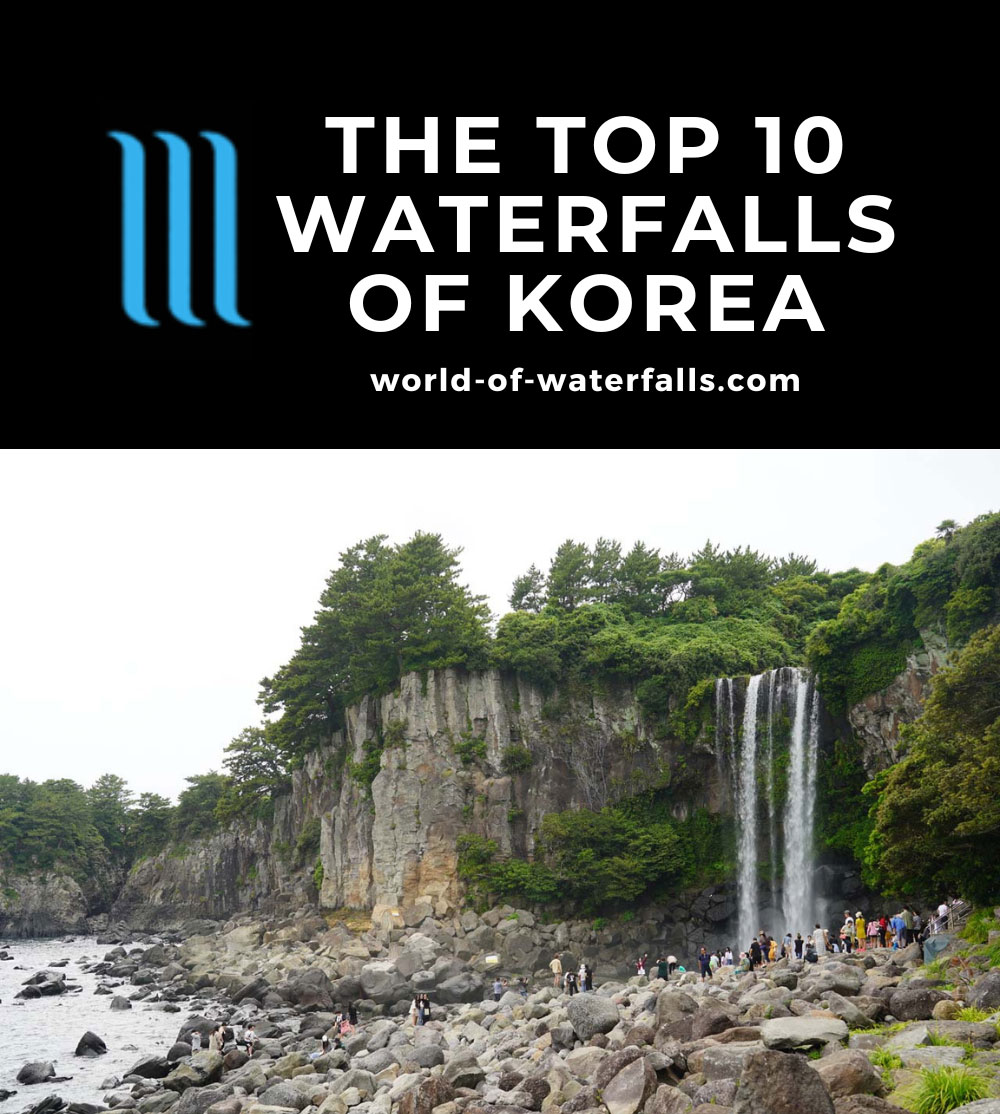
Whispers of the Wild: Unearthing South Korea’s Hidden Waterfalls
South Korea, a land often celebrated for its dynamic cities, ancient temples, and vibrant pop culture, holds a quieter, yet equally profound beauty within its mountainous heartlands. Beyond the bustling metropolises and well-trodden tourist paths lies a realm of pristine wilderness, where granite peaks give way to emerald valleys and the air hums with the symphony of nature. Among the most enchanting secrets of this landscape are its hidden waterfalls – elusive cascades that plummet into crystalline pools, veiled by dense forests and accessible only to those willing to venture off the beaten path.
These aren’t the famous, easily Instagrammable falls like Jeongbang on Jeju Island or those neatly signposted within national parks. Instead, we speak of the truly hidden gems: the whispers of water heard before seen, the sudden reveal of a silver curtain behind a veil of leaves, the profound sense of discovery that comes with finding a piece of untouched paradise. For the adventurous spirit, the nature lover, and the seeker of tranquility, South Korea’s hidden waterfalls offer an unparalleled escape into the wild, a chance to reconnect with the raw, untamed essence of the peninsula.
The Allure of the Undiscovered
What is it about a hidden waterfall that captivates the human spirit so deeply? Perhaps it’s the thrill of the chase, the reward for effort expended. In a world increasingly mapped and documented, the idea of stumbling upon something genuinely undiscovered, or at least rarely seen by outsiders, holds an irresistible charm. For Koreans, mountains and water have long held spiritual significance, revered as places of contemplation, healing, and connection to ancestral spirits. A hidden waterfall, therefore, is not merely a beautiful natural phenomenon but often a sacred space, imbued with a quiet power.
The journey to these hidden cascades is as much a part of the experience as the destination itself. It often involves navigating challenging terrain – steep, rocky trails, slippery moss-covered paths, and sometimes even a bit of bushwhacking. The effort strips away the distractions of modern life, focusing the mind on the immediate environment: the scent of pine and damp earth, the rustle of leaves, the distant murmur of water growing steadily louder. This arduous approach amplifies the eventual reveal, transforming the waterfall from a mere sight into a profound sensory experience.
Upon arrival, the reward is multifaceted. Visually, the contrast of rushing white water against dark, ancient rock, framed by vibrant green foliage, is breathtaking. Aurally, the roar or gentle murmur of the falls creates a natural soundscape that drowns out all other thoughts, inviting a meditative state. The air, cool and moist with mist, invigorates the senses, while the pristine pools at the base beckon weary hikers for a refreshing dip (where permitted and safe). These moments of solitude and communion with nature offer a powerful antidote to the stresses of urban living, providing a profound sense of peace and rejuvenation.
The Landscape of Secrecy: Where to Seek Them
South Korea’s geography is inherently conducive to hidden waterfalls. Over 70% of the country is mountainous, crisscrossed by countless rivers and streams that carve their way through granite bedrock. From the jagged peaks of the Taebaek Mountains in the east to the ancient, sprawling mass of Jirisan in the south, and the volcanic landscapes of Jeju Island, potential locations abound.
While specific names of truly "hidden" falls are often guarded secrets among local hikers and villagers, we can explore the types of regions where one might embark on such a quest:
-
The Taebaek Mountain Range (Gangwon-do): Stretching down the eastern spine of the peninsula, the Taebaeks are known for their dramatic scenery, dense forests, and heavy snowfall in winter, leading to powerful spring melts. Areas around national parks like Seoraksan, Odaesan, and Chiaksan, while popular, also contain numerous lesser-known valleys and tributaries that hold concealed cascades. Here, waterfalls might be characterized by sheer drops over granite cliffs, often forming deep, clear plunge pools. The trails can be rugged, requiring good navigation skills and sturdy hiking gear. Imagine a "Bongnae Falls" – a name evocative of ancient lore – hidden deep within a tributary of the Naerincheon River, accessible only after a strenuous climb, rewarding adventurers with a multi-tiered cascade thundering into an icy blue grotto.
-
Jirisan National Park and Surrounding Areas (Southern Provinces): Jirisan, the "Mountain of the Wise People," is Korea’s largest mainland national park and a spiritual heartland. Its vastness and complex network of valleys and peaks make it a prime location for hidden gems. The rivers flowing from Jirisan, such as the Seomjingang, feed countless smaller streams. Here, waterfalls might be more subtle, often a series of smaller, moss-covered cascades tumbling over ancient rocks, creating a gentle, ethereal atmosphere. Picture a "Seomjingang Grotto Falls," where water gently spills over tiers of emerald-green moss, creating a series of miniature pools, tucked away in a remote side valley known only to a handful of local hermits or mushroom gatherers.
-
Jeju Island’s Volcanic Slopes: While Jeju boasts famous waterfalls like Cheonjeyeon and Cheonjiyeon, its volcanic terrain and numerous oreums (parasitic cones) also hide smaller, seasonal falls. Rainwater percolates through the porous volcanic rock, emerging as springs and streams that carve paths down the slopes. These falls might be less about sheer height and more about their unique geological setting, sometimes appearing only after heavy rainfall. One might envision a "Halla’s Secret Tears" – a transient waterfall on the lower slopes of Hallasan, fed by underground springs, forming a delicate veil of water over dark basalt, its presence a fleeting gift after a refreshing island downpour.
-
Remote Valleys and Provincial Parks: Beyond the major national parks, countless provincial parks and lesser-known mountain ranges like Gayasan, Sobaeksan, and Deogyusan offer similar opportunities. These areas often have less developed infrastructure, meaning fewer tourists and a greater chance of genuine solitude. A "Sokcho Valley Cascade," for instance, could be a series of smaller, yet equally beautiful, falls nestled in a valley not far from the popular coastal city of Sokcho, requiring a keen eye and a willingness to explore unmarked trails. These falls might be more intimate, offering tranquil spots for reflection rather than dramatic spectacles.
The Journey to Discovery: Tips for the Adventurous Seeker
Embarking on a quest for South Korea’s hidden waterfalls requires preparation, respect, and a spirit of adventure.
- Research and Local Knowledge: While "hidden" implies a lack of public information, local hiking communities (often online forums or social media groups) might share clues. More reliably, engaging with locals in small mountain towns can yield invaluable insights. A friendly chat with a restaurant owner or a guesthouse host might reveal a "secret spot" known only to them.
- Gear Up Appropriately: Sturdy hiking boots with good ankle support and grip are essential. The terrain can be rocky, slippery, and uneven. Bring plenty of water, high-energy snacks, a first-aid kit, and rain gear, as mountain weather can change rapidly. A reliable map (physical and/or offline digital maps like Naver Maps or Kakao Maps, which are excellent in Korea) and a compass are crucial.
- Safety First: Inform someone of your hiking plans and estimated return time. Stick to marked trails as much as possible, even if they seem to veer away from your intended direction. Do not attempt to cross swollen rivers or climb dangerously slippery rocks. Solo hiking in very remote areas should be approached with extreme caution.
- Respect Nature and Culture (Leave No Trace): Carry out everything you carry in. Do not disturb wildlife or plants. Many of these areas are considered sacred, so behave with reverence and quietude. Avoid loud noises and leave the natural environment as pristine as you found it.
- Best Seasons: Each season offers a different experience.
- Spring (April-May): Snowmelt feeds powerful flows, and the emerging greenery is vibrant.
- Summer (June-August): Monsoon rains transform trickles into torrents, but also bring humidity and potential for flash floods. The cool mist of a waterfall is particularly refreshing.
- Autumn (September-November): Arguably the most picturesque, with vivid fall foliage framing the cascades. Water flow is usually moderate.
- Winter (December-March): Many waterfalls freeze into spectacular ice formations, creating a completely different, starkly beautiful landscape. Access can be challenging due to snow and ice.
The Enduring Echo
The pursuit of South Korea’s hidden waterfalls is more than just a hike; it’s a pilgrimage into the soul of the country’s natural heritage. It’s about escaping the familiar, embracing the unknown, and finding profound beauty in the unadorned power of nature. Each waterfall found is a testament to the explorer’s spirit, a secret shared between the land and the seeker.
As you stand before a curtain of liquid silver, the roar of the water echoing in the valley, a sense of timelessness washes over you. The world outside fades, and all that remains is the elemental dance of water and rock, a powerful reminder of the raw, untamed beauty that still thrives, hidden away, in the heart of the Land of the Morning Calm. These whispers of the wild call out to those willing to listen, promising not just a scenic view, but an unforgettable journey of discovery and introspection.