

Uncorking Paradise: A Grand Tour of Argentina’s Beautiful Vineyards
Argentina, a land synonymous with tango, the majestic Andes, and sizzling asado, holds another treasure that captivates the senses and enchants the soul: its breathtaking vineyards. Far more than just the world’s fifth-largest wine producer, Argentina offers an immersive journey into a vibrant viticultural landscape, where ancient traditions meet cutting-edge innovation, and every bottle tells a story of high-altitude terroir and passionate winemaking.
From the sun-drenched plains of Mendoza to the sky-scraping vineyards of Salta and the cool-climate valleys of Patagonia, exploring Argentina’s wine regions is an adventure of unparalleled beauty and gastronomic delight. It’s an invitation to step behind the scenes, meet the families who pour their hearts into their craft, and taste the liquid gold that has earned Argentina its esteemed place on the global wine map.
The Allure of Altitude and Terroir
What makes Argentine wine so distinctive and its vineyards so captivating? The answer lies largely in its unique geography. The towering Andes Mountains play an indispensable role, providing the meltwater that irrigates the arid lands and creating the high-altitude conditions that are the hallmark of Argentine viticulture.
These elevated vineyards benefit from intense sunlight during the day and dramatic temperature drops at night (known as a high diurnal range). This allows grapes to ripen slowly and fully, developing rich fruit flavors, robust tannins, and vibrant acidity, while preserving freshness. The mineral-rich, alluvial soils, deposited by ancient glacial activity, further contribute to the complexity and character of the wines. This combination of factors – altitude, sun, meltwater, and soil – creates a terroir unlike any other, giving Argentine wines their signature intensity and elegance.
While Malbec reigns supreme as Argentina’s flagship grape, a journey through its vineyards reveals a diverse array of varietals, each thriving in its specific microclimate. From the aromatic Torrontés of Salta to the elegant Pinot Noir of Patagonia, there’s a world of flavor waiting to be discovered beyond the iconic purple grape.
Mendoza: The Heartbeat of Argentine Wine
No exploration of Argentine vineyards is complete without a deep dive into Mendoza, the undisputed capital of Argentine wine. Accounting for over 70% of the country’s total wine production, Mendoza is a vast, arid province transformed into an oasis by an intricate network of irrigation channels fed by Andean meltwater. The sight of lush green vineyards stretching to the horizon, framed by the snow-capped peaks of the Andes, is nothing short of majestic.
Mendoza is broadly divided into several distinct wine regions, each with its own character:
-
Luján de Cuyo: Often referred to as the "First Zone," Luján de Cuyo is home to some of Mendoza’s oldest and most prestigious vineyards, many with ancient, ungrafted Malbec vines. Situated at altitudes ranging from 900 to 1,100 meters (2,950 to 3,600 feet), this region produces classic, full-bodied Malbecs known for their intense dark fruit flavors, velvety tannins, and hints of violet. Wineries here often blend tradition with modern techniques, offering intimate tours and tastings that showcase their heritage.
-
Uco Valley (Valle de Uco): Located south of Luján de Cuyo, the Uco Valley is Mendoza’s rising star and a hub of innovation. Its vineyards climb to even higher altitudes, from 1,000 to an astounding 1,700 meters (3,300 to 5,600 feet) above sea level. This extreme elevation, coupled with diverse soil types (from stony to sandy and clay-rich), allows for the cultivation of a wider range of varietals and the production of more elegant, mineral-driven wines. Malbecs from Uco Valley are often characterized by their fresh acidity, floral notes, and refined structure. The valley is also gaining renown for its Cabernet Franc, Chardonnay, and Pinot Noir. Many of Argentina’s most architecturally striking and cutting-edge wineries are found here, offering sophisticated tasting experiences and gourmet dining with unparalleled mountain views.
-
Maipú: Closer to Mendoza city, Maipú is one of the oldest wine-producing areas, featuring historic bodegas and a more accessible, rustic charm. It’s an excellent choice for those with less time or who prefer a more laid-back experience, often combining wine tasting with olive oil production. Maipú offers a glimpse into the roots of Argentine viticulture and is easily explored by bike.
Exploring Mendoza can involve self-driving, hiring a private driver, or joining organized tours. Many wineries offer guided visits, explaining the winemaking process from grape to bottle, followed by comprehensive tastings. The region is also a culinary paradise, with many bodegas boasting world-class restaurants that offer exquisite food and wine pairings, often utilizing fresh, local ingredients and showcasing traditional Argentine flavors.
Salta: Where Vines Touch the Sky
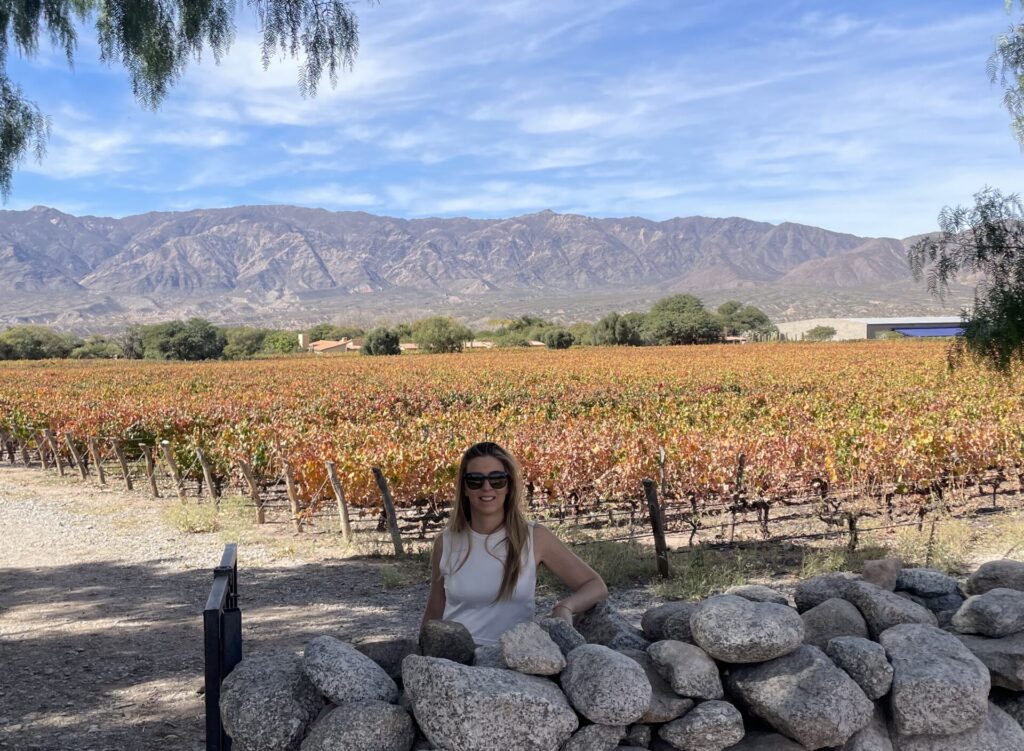
Venturing north, the province of Salta offers a dramatically different, yet equally captivating, wine experience. Nestled within the Calchaquí Valleys, the town of Cafayate is the heart of Salta’s wine region, home to some of the highest vineyards in the world, often exceeding 1,700 meters (5,600 feet) and reaching up to an astonishing 3,100 meters (10,200 feet) above sea level.
The landscape here is breathtakingly arid and rugged, characterized by colorful rock formations, cacti, and a relentless sun. This extreme environment, with its intense UV radiation and vast diurnal range, is ideal for the cultivation of Torrontés, Argentina’s signature white grape. Salta’s Torrontés is renowned for its vibrant aromatic profile, boasting notes of jasmine, rose, and citrus, with a refreshing acidity that makes it perfect for pairing with local cuisine.
While Torrontés dominates, Salta also produces powerful, fruit-driven Malbecs and Cabernet Sauvignons, often with a distinct mineral character from the unique high-altitude soils. Visiting Cafayate offers a more intimate, laid-back experience compared to Mendoza. Wineries here are often smaller, family-run operations, and the town itself has a charming, relaxed atmosphere. Don’t miss the opportunity to visit the Quebrada de Cafayate, a stunning gorge with vibrant geological formations, on your way to or from the vineyards.
Patagonia: The Cool Climate Frontier
For a truly unique contrast, head south to the windswept plains of Patagonia, specifically the provinces of Neuquén and Río Negro. This is Argentina’s cool-climate wine region, where the harsh Patagonian winds and lower average temperatures create a terroir vastly different from the high-altitude deserts of the north.
Here, viticulture focuses on grapes that thrive in cooler conditions, producing wines with elegance, freshness, and often a distinctive earthy minerality. Pinot Noir shines in Patagonia, yielding delicate, aromatic wines with bright red fruit and subtle spice. Chardonnay also excels, producing crisp, unoaked styles as well as richer, barrel-aged versions. Sparkling wines are also a growing category in this region.
Patagonian wineries, while fewer in number than Mendoza’s, are often modern and innovative, set amidst striking landscapes of steppe, river valleys, and sometimes even dinosaur fossils. The region offers a chance to explore a less-traveled wine route, combining wine tasting with other Patagonian adventures like exploring national parks, fly fishing, or even whale watching (depending on the specific location and time of year).
Beyond the Bottle: Immersive Vineyard Experiences
Exploring Argentina’s vineyards is about much more than just tasting wine. It’s a sensory journey that engages all five senses:
- Gastronomic Delights: Most high-end wineries boast exceptional restaurants, often with "chef’s table" experiences and multi-course tasting menus expertly paired with their wines. This is where the magic of Argentine cuisine truly comes alive, from traditional empanadas to succulent bife de chorizo and innovative fusion dishes. Many also offer cooking classes, allowing you to learn the secrets of local specialties.
- Active Exploration: Go beyond the typical walking tour. Many vineyards offer bicycle rentals, allowing you to pedal through the vines at your own pace. For a truly unforgettable experience, consider a horseback ride through the vineyards, often culminating in a picnic lunch amidst the grapes. Some regions also offer 4×4 tours or even hot air balloon rides for panoramic views.
- Luxury Stays: Several wineries offer boutique accommodations, from charming guesthouses to luxurious hotels nestled right within the vineyards. Imagine waking up to the sight of dew-kissed vines, enjoying a private breakfast overlooking the Andes, and ending your day with a glass of exquisite Malbec under a canopy of stars.
- Harvest Experiences: If you visit during the harvest season (typically late February to April), some wineries offer hands-on experiences, allowing you to participate in grape picking, learning about the initial stages of winemaking, and celebrating the bounty with traditional harvest meals.
- Art and Culture: Many wineries integrate art into their spaces, featuring galleries, sculptures, and even open-air concerts. This blend of viticulture, gastronomy, and culture creates a truly holistic experience.
Planning Your Argentine Wine Adventure
To make the most of your trip, consider these tips:
- Best Time to Visit: Spring (October-November) offers pleasant weather, blooming landscapes, and fewer crowds. Autumn (March-April) is harvest season, a vibrant and exciting time to witness the winemaking process firsthand. Summer (December-February) can be hot, especially in Mendoza, but is still enjoyable. Winter (June-August) is cooler, with potential for snow on the Andes, offering a different kind of beauty and often fewer tourists.
- Logistics: In Mendoza, renting a car offers flexibility, but be prepared for navigation. Private drivers or guided tours are excellent alternatives, allowing you to relax and enjoy the tastings without worrying about driving. In Salta, tours from Cafayate are common.
- Reservations are Key: Especially for popular wineries, high-end restaurants, and boutique accommodations, make reservations well in advance.
- Pace Yourself: Don’t try to cram too many wineries into one day. Allow time to savor each experience, enjoy the scenery, and truly appreciate the wines.
- Beyond Wine: Remember to explore the natural beauty and cultural attractions of each region. The Andes offer hiking, rafting, and stunning photography opportunities. Local towns provide insights into Argentine life.
A Tapestry of Flavors: Beyond Malbec
While Malbec rightly deserves its fame, an adventurous palate will be richly rewarded by exploring Argentina’s broader viticultural spectrum. Seek out the crisp, floral notes of Torrontés, the spicy elegance of Cabernet Franc, the robust fruit of Bonarda, the structure of Cabernet Sauvignon, and the delicate charm of Pinot Noir. Many wineries are experimenting with lesser-known varietals and innovative blends, pushing the boundaries of what Argentine wine can be.
Conclusion: An Unforgettable Journey
Exploring the beautiful vineyards of Argentina is more than just a wine-tasting trip; it’s a journey into the heart of a vibrant culture, a communion with stunning natural landscapes, and a sensory feast that lingers long after the last sip. From the epic scale of Mendoza to the sky-high drama of Salta and the cool elegance of Patagonia, each region offers a unique chapter in Argentina’s rich wine story.
It’s an invitation to slow down, to connect with the land, the people, and the passion that goes into every bottle. Whether you’re a seasoned oenophile or a curious traveler, the enchanting vineyards of Argentina promise an unforgettable adventure, leaving you with cherished memories and a newfound appreciation for this South American gem’s liquid gold. So pack your bags, prepare your palate, and get ready to uncork paradise.
