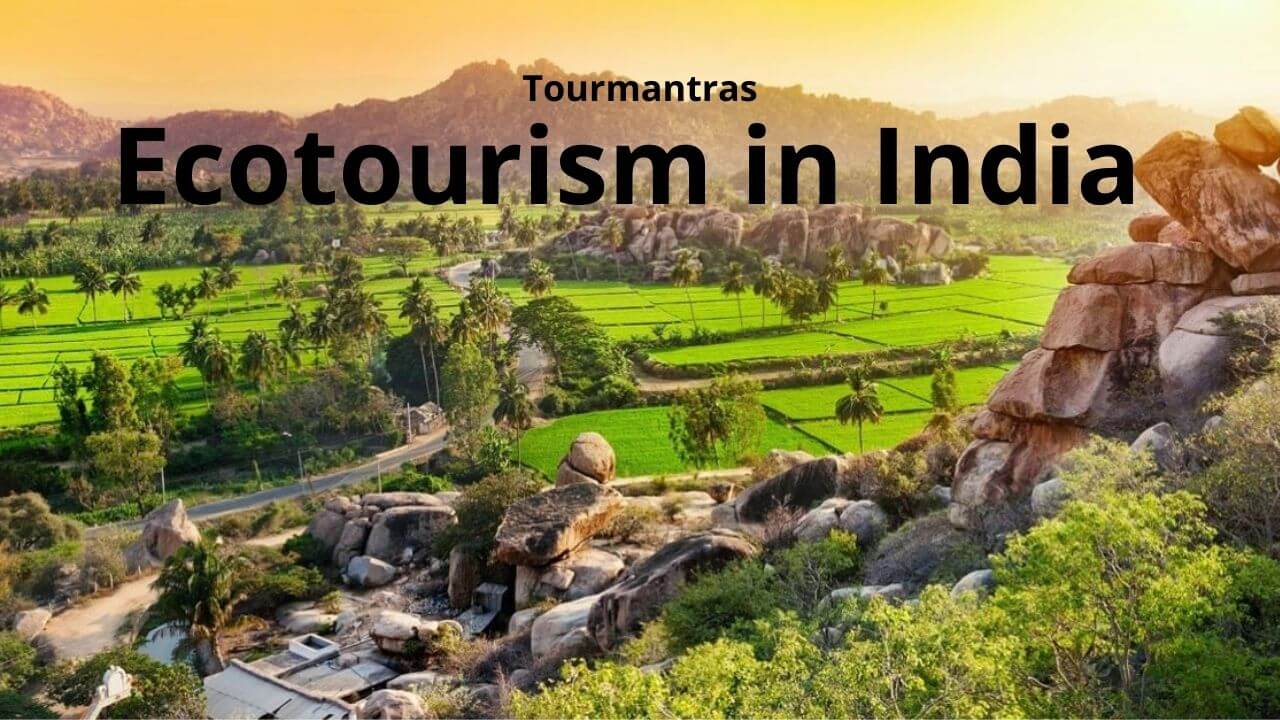


Asia’s Green Heartbeat: Exploring Eco-Tourism Gems for the Conscious Traveler
Asia, a continent of unparalleled diversity, captivates with its ancient cultures, bustling megacities, and breathtaking natural landscapes. From the snow-capped peaks of the Himalayas to the pristine coral reefs of the Pacific, its ecological tapestry is as rich as its history. However, with increasing tourism comes the imperative for responsible travel. This is where eco-tourism steps in – a philosophy and practice that allows travelers to explore the world while minimizing their environmental footprint, supporting local communities, and fostering a deeper appreciation for nature and culture.
For the conscious traveler seeking to connect with the planet in a meaningful way, Asia offers an extraordinary array of eco-tourism destinations. These spots aren’t just about beautiful scenery; they are vibrant ecosystems, cultural havens, and living laboratories where conservation efforts are at the forefront, often driven by the very communities who call these places home. This article delves into some of Asia’s most compelling eco-tourism travel spots, highlighting what makes them unique and how you can experience them responsibly.
The Pristine Waters and Lush Jungles of Southeast Asia
Southeast Asia is often the first region that comes to mind for its stunning natural beauty, and it’s also a pioneer in eco-tourism initiatives, particularly concerning marine and rainforest conservation.
Indonesia: A Biodiversity Hotspot
Indonesia, an archipelago of over 17,000 islands, is a treasure trove of biodiversity, from volcanic mountains to some of the world’s most vibrant coral reefs.
- Raja Ampat, West Papua: Often hailed as the "Amazon of the Seas," Raja Ampat boasts the highest marine biodiversity on Earth. Its pristine waters teem with over 1,500 species of fish, 500 species of coral, and countless other marine organisms. Eco-tourism here is intrinsically linked to marine conservation. Many resorts are locally owned and built with sustainable materials, employing local staff, and investing in conservation programs. Travelers can engage in responsible diving and snorkeling, witness the incredible coral regeneration projects, and visit local villages, contributing directly to the welfare of the communities and the protection of this critical ecosystem. The sheer remoteness and the collaborative efforts between local communities, NGOs, and tourism operators ensure its delicate balance is maintained.
- Komodo National Park, Flores: Famous for the ancient Komodo dragons, this UNESCO World Heritage site is also a marine protected area. While the dragons are the main draw, the park’s vibrant coral reefs and diverse marine life offer incredible diving and snorkeling opportunities. Eco-tourism here emphasizes strict regulations to protect both the dragons and the marine environment. Visitors must be accompanied by trained guides, adhere to designated paths, and maintain a respectful distance from wildlife. Choosing eco-friendly liveaboards or lodges that adhere to responsible waste management and energy conservation is crucial.
- Central Kalimantan, Borneo (Indonesia): For those seeking an immersive rainforest experience, a journey along the Sekonyer River in Tanjung Puting National Park offers the chance to see orangutans in their natural habitat. Responsible eco-tourism here involves staying at eco-lodges, supporting local guides, and visiting rehabilitation centers like Camp Leakey, which are dedicated to the rescue and rehabilitation of orphaned orangutans. These experiences raise awareness about the threats of deforestation and palm oil production, empowering travelers to become advocates for conservation.
Malaysia: Rainforests and Marine Sanctuaries
Malaysia, particularly its Borneo states of Sabah and Sarawak, is synonymous with ancient rainforests and unique wildlife.
- Kinabatangan River, Sabah, Malaysian Borneo: This lifeline flows through a mosaic of habitats, providing a vital corridor for diverse wildlife, including orangutans, proboscis monkeys, pygmy elephants, and a myriad of bird species. Eco-lodges along the river are committed to low-impact tourism, often employing local villagers and contributing to reforestation projects. River cruises offer intimate wildlife encounters without disturbance, emphasizing quiet observation and appreciation for the natural world.
- Perhentian Islands, Terengganu: These idyllic islands are not just for sunbathers but also a hub for marine conservation. The waters are protected, making them a haven for coral reefs, sea turtles, and various fish species. Many dive centers actively participate in coral reef restoration projects and turtle conservation efforts. Choosing accommodation that practices responsible waste management, conserves water, and supports local businesses helps preserve the islands’ fragile ecosystem.
Thailand: Ethical Encounters and Protected Shores
While parts of Thailand grapple with over-tourism, there are shining examples of eco-tourism, especially concerning ethical wildlife interactions and marine protection.
- Chiang Mai (Ethical Elephant Sanctuaries): Moving away from exploitative elephant riding, ethical elephant sanctuaries in Chiang Mai offer a heartwarming alternative. Places like the Elephant Nature Park provide a safe haven for rescued elephants, allowing visitors to observe and interact with them in a respectful, hands-off manner, focusing on their welfare and rehabilitation. These sanctuaries educate visitors about the plight of elephants and promote responsible tourism practices.
- Similan Islands, Andaman Sea: This national park is renowned for its crystal-clear waters, vibrant coral gardens, and diverse marine life, making it a diver’s paradise. To protect its fragile ecosystem, access is often restricted, and responsible tourism operators adhere to strict guidelines. Day trips are preferred over overnight stays, and visitors are educated on marine conservation, ensuring minimal impact on the reefs and wildlife.
The Philippines: Limestone Karsts and Community-Based Conservation
The Philippines, with its 7,000+ islands, offers stunning natural beauty, from dramatic limestone karsts to pristine beaches and rich marine life.
- Palawan (El Nido & Coron): Often called the "Last Frontier," Palawan is a UNESCO Biosphere Reserve. El Nido and Coron are famous for their towering limestone cliffs, hidden lagoons, and incredibly clear waters. Eco-tourism here is centered around preserving the marine and terrestrial ecosystems. Many resorts are committed to sustainable practices, employing local guides for island-hopping tours, and supporting community-based initiatives for waste management and conservation. Visitors are encouraged to practice "Leave No Trace" principles, protect coral reefs, and respect local customs.
Cambodia: Reclaiming the Wild
Cambodia is not just about Angkor Wat; its less-explored regions offer incredible eco-tourism potential focused on wildlife protection.
- Cardamom Mountains: This vast, biodiverse rainforest is one of Southeast Asia’s most important remaining wilderness areas, home to endangered species like Asian elephants, clouded leopards, and sun bears. Community-based eco-tourism projects, such as those supported by Wildlife Alliance and local NGOs, offer unique opportunities for trekking, wildlife spotting, and staying in eco-lodges, directly supporting conservation efforts and providing alternative livelihoods for former poachers.
The Majestic Landscapes and Spiritual Journeys of South Asia
South Asia, with its towering mountains, ancient forests, and vibrant cultures, presents a unique blend of adventure and spiritual eco-tourism.
Nepal: Himalayan Treks and Cultural Immersion
Nepal is synonymous with the Himalayas, and trekking here offers an profound eco-tourism experience.
- Annapurna and Everest Base Camp Treks: While popular, these trekking regions have implemented various eco-friendly initiatives. Many tea houses along the routes are locally owned, using solar power, managing waste responsibly, and sourcing local produce. Responsible trekking agencies prioritize porter welfare, proper waste disposal, and minimizing environmental impact. Travelers contribute to local economies, experience Sherpa culture firsthand, and gain a deep appreciation for the fragility of mountain ecosystems. Choosing agencies committed to sustainable practices is key.
- Chitwan National Park: A UNESCO World Heritage site, Chitwan is home to rhinos, tigers, and diverse birdlife. Eco-tourism here focuses on ethical wildlife viewing (no elephant riding, responsible jeep safaris), staying at eco-lodges that support local Tharu communities, and learning about conservation efforts for endangered species.
India: From Desert Mountains to Mangrove Forests
India’s vastness encompasses an incredible range of ecosystems, each with its own eco-tourism appeal.
- Ladakh, Jammu & Kashmir: Nestled in the Indian Himalayas, Ladakh is a high-altitude desert region with a unique Buddhist culture. Eco-tourism here focuses on cultural preservation, responsible trekking, and sustainable homestays that offer an authentic glimpse into local life while minimizing environmental impact. The harsh environment necessitates careful resource management, and visitors learn about traditional sustainable practices adapted to the extreme climate.
- Western Ghats: A UNESCO World Heritage site and one of the world’s eight "hottest hot-spots" of biological diversity, the Western Ghats are older than the Himalayas. Regions like Periyar National Park in Kerala offer responsible wildlife safaris, nature walks, and opportunities to learn about conservation of species like elephants and tigers. Eco-lodges often promote organic farming and local employment.
- Sundarbans National Park, West Bengal: The largest single block of tidal halophytic mangrove forest in the world, the Sundarbans is home to the elusive Bengal tiger. Eco-tourism here is centered around responsible boat safaris, staying at eco-friendly resorts, and understanding the delicate balance of this unique ecosystem, which also protects coastal communities from cyclones. Supporting local initiatives that educate about tiger conservation and mangrove reforestation is vital.
Sri Lanka: Rainforests and Responsible Safaris
Sri Lanka, the "Pearl of the Indian Ocean," offers a compact yet diverse eco-tourism experience.
- Sinharaja Forest Reserve: This UNESCO World Heritage site is Sri Lanka’s last viable area of primary tropical rainforest. Eco-tourism here involves guided treks through the dense jungle, spotting endemic birds, amphibians, and reptiles. Accommodations are typically small, locally-run eco-lodges that aim to have minimal impact on the forest and support local communities.
- Responsible Wildlife Safaris (Yala, Udawalawe): While popular, it’s crucial to choose ethical safari operators who prioritize animal welfare, maintain respectful distances, and adhere to park rules, ensuring that the wildlife experience does not disturb the animals or their habitats. Many parks also offer opportunities to learn about local conservation efforts.
The Serene Beauty and Ancient Traditions of East Asia
East Asia, often known for its technological advancements, also holds deeply ingrained traditions of respecting nature, evident in its pristine national parks and unique ecosystems.
Japan: Ancient Forests and Volcanic Landscapes
Japan, with its reverence for nature (Shintoism), has many designated national parks that embody eco-tourism principles.
- Yakushima Island, Kagoshima Prefecture: A UNESCO World Heritage site, Yakushima is famous for its ancient cedar forests (Yakusugi), some trees over 1,000 years old. Trekking through these moss-covered forests feels like stepping into a mythical world. Eco-tourism here emphasizes maintaining pristine trails, responsible waste disposal, and respecting the fragile ecosystem. Visitors are encouraged to use public transport and stay in environmentally conscious accommodations.
- Shiretoko National Park, Hokkaido: Another UNESCO site, Shiretoko is one of the most pristine and biodiverse regions in Japan, home to brown bears, sea eagles, and various marine mammals. Eco-tours focus on wildlife observation with minimal impact, guided nature walks, and boat tours that adhere to strict regulations to protect the environment.
South Korea: Volcanic Wonders and Island Escapes
South Korea offers unique natural landscapes, particularly on its largest island.
- Jeju Island: A UNESCO World Heritage site, Jeju is a volcanic island renowned for its stunning lava tubes, volcanic cones (oreums), and beautiful coastline. Eco-tourism here centers around hiking the Olle Trails, exploring the geological wonders, and supporting local businesses. The island promotes sustainable agriculture and responsible waste management, inviting visitors to experience its unique natural beauty respectfully.
The Pillars of Responsible Travel in Asia
Embarking on an eco-tourism journey in Asia is not just about choosing the right destination; it’s about adopting a mindset of responsible travel.
- Support Local Communities: Choose locally-owned accommodations, eat at local restaurants, buy handicrafts directly from artisans, and hire local guides. This ensures that your tourism dollars directly benefit the people who live in these areas, giving them an incentive to protect their natural and cultural heritage.
- Minimize Your Environmental Footprint: Practice "Leave No Trace" principles. Reduce plastic use (carry a reusable water bottle, refuse single-use plastics), conserve water and energy, dispose of waste properly, and stick to designated trails.
- Respect Wildlife and Nature: Observe wildlife from a distance, never feed animals, and choose ethical animal encounters (e.g., responsible elephant sanctuaries over riding). Do not collect souvenirs from natural environments (shells, coral, plants).
- Educate Yourself: Learn about the local culture, customs, and environmental challenges of your destination. A deeper understanding fosters greater respect and allows for more meaningful interactions.
- Choose Reputable Tour Operators: Opt for companies with verifiable commitments to sustainability, fair labor practices, and conservation. Look for certifications or clear statements on their eco-policies.
The Profound Impact of Eco-Tourism
The benefits of eco-tourism extend far beyond the individual traveler. By choosing to travel responsibly in Asia, you contribute to:
- Environmental Conservation: Direct funding and awareness for protecting endangered species, preserving habitats, and restoring ecosystems.
- Community Empowerment: Providing sustainable livelihoods, improving infrastructure, and fostering pride in local heritage.
- Cultural Preservation: Supporting traditional crafts, practices, and languages, ensuring they thrive for future generations.
- Education and Awareness: Spreading knowledge about environmental issues and inspiring more people to become stewards of the planet.
Conclusion
Asia is a continent brimming with opportunities for the eco-conscious traveler. From the vibrant marine ecosystems of Raja Ampat to the ancient forests of Yakushima and the spiritual mountain trails of Nepal, these destinations offer not just incredible experiences but also a chance to make a positive impact. By embracing the principles of eco-tourism, we can ensure that Asia’s green heart continues to beat strongly, preserving its invaluable natural and cultural heritage for generations to come. Your next adventure can be more than just a trip; it can be a journey of purpose, connection, and conservation.