
A Symphony in Snow and Light: Exploring Japan’s Enchanting Winter Festivals
As the vibrant hues of autumn fade and the crisp chill of winter settles over the Japanese archipelago, a magical transformation takes place. Japan, renowned for its cherry blossoms and fiery autumn leaves, unveils an equally captivating spectacle during its coldest months: a dazzling array of winter festivals. Far from being a dormant season, winter in Japan comes alive with elaborate snow and ice sculptures, ethereal lantern displays, ancient rituals, and a warmth of community spirit that defies the biting cold. Exploring these festivals offers a unique window into Japan’s cultural heart, blending artistry, tradition, and breathtaking natural beauty.
Beyond the allure of world-class ski slopes, Japan’s winter festivals are a testament to the nation’s ability to find beauty and celebration in every season. They transform cities and remote villages alike into enchanting dreamscapes, inviting visitors to bundle up and immerse themselves in experiences that are both visually stunning and deeply rooted in Japanese heritage. From the colossal ice formations of Hokkaido to the intimate glow of lanterns in ancient towns, each festival tells a story, offering a different facet of Japan’s winter charm.
Hokkaido: The Epicenter of Snow and Ice Grandeur
No exploration of Japan’s winter festivals would be complete without a deep dive into Hokkaido, the northernmost prefecture, which proudly claims the title of Japan’s winter wonderland. Here, snow is not just a seasonal occurrence; it’s an art medium, a canvas for some of the world’s most impressive frozen creations.
The Sapporo Snow Festival (Sapporo Yuki Matsuri): A World-Renowned Spectacle
Undoubtedly the most famous winter event in Japan, the Sapporo Snow Festival is a global phenomenon. Held annually for about a week in early February, it draws millions of visitors to witness the incredible artistry of snow and ice. The festival is primarily spread across three main sites, each offering a distinct experience:
- Odori Park Site: This is the heart of the festival, stretching for over a kilometer through downtown Sapporo. Here, colossal snow sculptures, often towering over several stories high, recreate famous landmarks from around the world, iconic Japanese buildings, and elaborate fantasy scenes. These grand masterpieces are illuminated at night, transforming the park into a magical realm of shimmering white and vibrant colors. International teams also compete, showcasing diverse styles and themes.
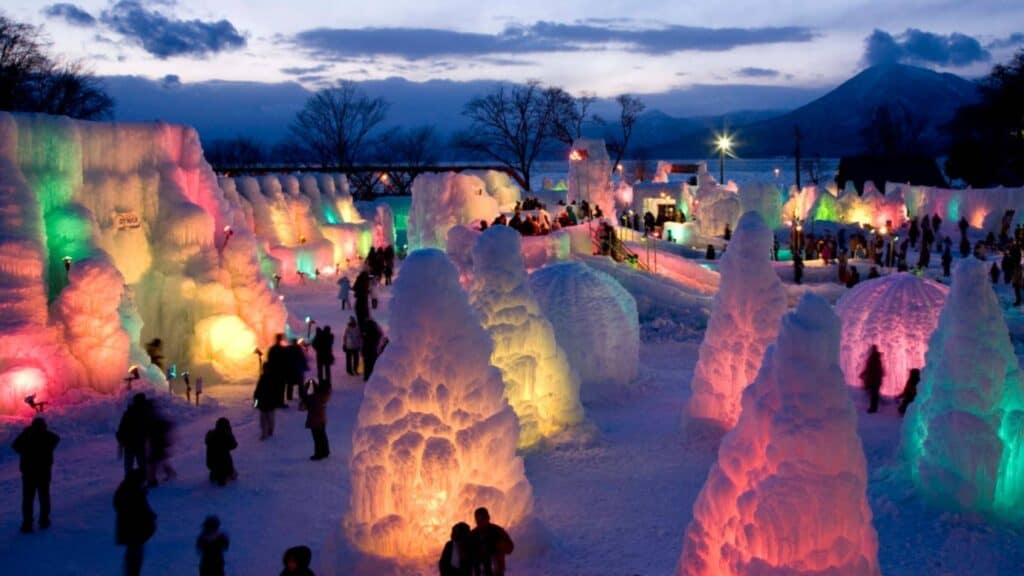
- Susukino Site: Located in Sapporo’s bustling entertainment district, this site is dedicated to intricate ice sculptures. Transparent and glistening, these works of art range from delicate animals and mythical creatures to grand, illuminated ice bars where visitors can enjoy a drink in a truly unique setting. The reflections and refractions of light through the ice create a truly mesmerizing effect.
- Tsu Dome Site: Geared towards families, the Tsu Dome site offers a more playful experience with snow slides, snow rafting, and various winter activities. It’s a perfect spot for children and adults to enjoy hands-on snow fun away from the main artistic displays.
The Sapporo Snow Festival is more than just sculptures; it’s a vibrant street party with countless food stalls offering Hokkaido’s famous seafood, warming ramen, and hot sake. The crisp winter air, the scent of grilled food, and the festive buzz create an unforgettable atmosphere.
Otaru Snow Light Path (Otaru Yuki Akari no Michi): A Romantic Glow
Just a short train ride from Sapporo lies Otaru, a picturesque canal city that hosts the Otaru Snow Light Path festival concurrently with Sapporo’s event. This festival offers a more intimate and romantic ambiance, a perfect contrast to Sapporo’s grandeur. Thousands of small, handmade snow lanterns and floating candles illuminate the historic Otaru Canal and the old Temiya Line railway tracks, creating an ethereal glow.
The soft light reflecting off the snow and water evokes a sense of nostalgia and tranquility. Volunteers and local residents contribute to the charm by crafting unique snow sculptures and lighting up their storefronts, making the entire city feel like a living art installation. Strolling along the canal, hand-in-hand, under the gentle flicker of candlelight is an experience that epitomizes winter romance in Japan.
Asahikawa Winter Festival (Asahikawa Fuyu Matsuri): Scale and Spectacle
Often overshadowed by its famous neighbor, the Asahikawa Winter Festival, held in Hokkaido’s second-largest city, is equally impressive in its scale. Known for constructing the largest snow sculpture in Japan, which often serves as a stage for concerts and events, Asahikawa offers a different kind of spectacle. The festival also features an impressive collection of ice sculptures, particularly along Heiwa-dori, where artists carve detailed masterpieces that are illuminated at night. It’s a slightly less crowded alternative to Sapporo, allowing for a more relaxed viewing experience of massive snow art.
Tohoku Region: Traditional Charm and Ancient Rituals
Venturing south into the Tohoku region, visitors will discover festivals that blend breathtaking natural beauty with deep-rooted traditions and a profound sense of local community.
Yokote Kamakura Festival (Yokote no Yuki Matsuri): Igloos and Offerings
One of the most unique and endearing winter festivals is the Yokote Kamakura Festival in Akita Prefecture, boasting a history of over 450 years. Held in mid-February, this festival sees the creation of dozens of "kamakura" – small, dome-shaped snow houses resembling igloos. Inside each kamakura, children invite visitors to share sweet rice cakes (mochi) and a local fermented rice drink (amazake).
More profoundly, each kamakura serves as an altar to the water deity, where offerings are made in prayer for abundant water in the coming year. As dusk falls, the kamakura are illuminated from within by candles, casting a soft, warm glow across the snowy landscape. The sight of these glowing snow huts, interspersed with countless mini-kamakura made by local children, creates an atmosphere of ancient charm and communal warmth.
Hirosaki Castle Snow Lantern Festival (Hirosaki-jo Yuki-Doro Matsuri): A Castle in Winter’s Embrace
In Aomori Prefecture, the Hirosaki Castle Snow Lantern Festival transforms the historic Hirosaki Park, home to the iconic Hirosaki Castle, into a fairytale setting. Held around early February, this festival features hundreds of snow lanterns and mini-kamakura, each meticulously crafted and lit. The castle grounds, already stunning, become truly magical under a blanket of snow, with the lanterns illuminating the ancient fortifications, pine trees, and moat.
Large snow sculptures and intricate ice sculptures add to the grandeur, often depicting scenes from local folklore or historical events. The dramatic illumination of the castle keep and the snow-covered botanical garden create a captivating scene, especially when viewed against the backdrop of the winter night sky.
Central Japan: Alpine Beauty and Illuminations
The mountainous regions of Central Japan offer their own unique blend of winter wonder, often combining traditional village life with spectacular light displays.
Shirakawa-go Winter Light-up (Shirakawa-go Light-up): A UNESCO Wonderland
The UNESCO World Heritage site of Shirakawa-go, famous for its unique gassho-zukuri (praying hands) farmhouses, becomes an iconic winter wonderland during its special light-up events. Held on select evenings in January and February, these events illuminate the snow-covered thatched-roof houses, creating a scene straight out of a postcard. The remote village, nestled deep in the mountains of Gifu Prefecture, is transformed into an ethereal landscape, with smoke gently rising from chimneys and the warm glow of lights radiating from the ancient homes.
Due to the immense popularity and delicate nature of the village, access to the light-up events is strictly controlled, often requiring advance lottery tickets or tour bookings. This exclusivity only adds to the mystique and ensures a more serene and respectful viewing experience of this truly special place.
Nabana no Sato Winter Illumination (Mie Prefecture): A Festival of Light
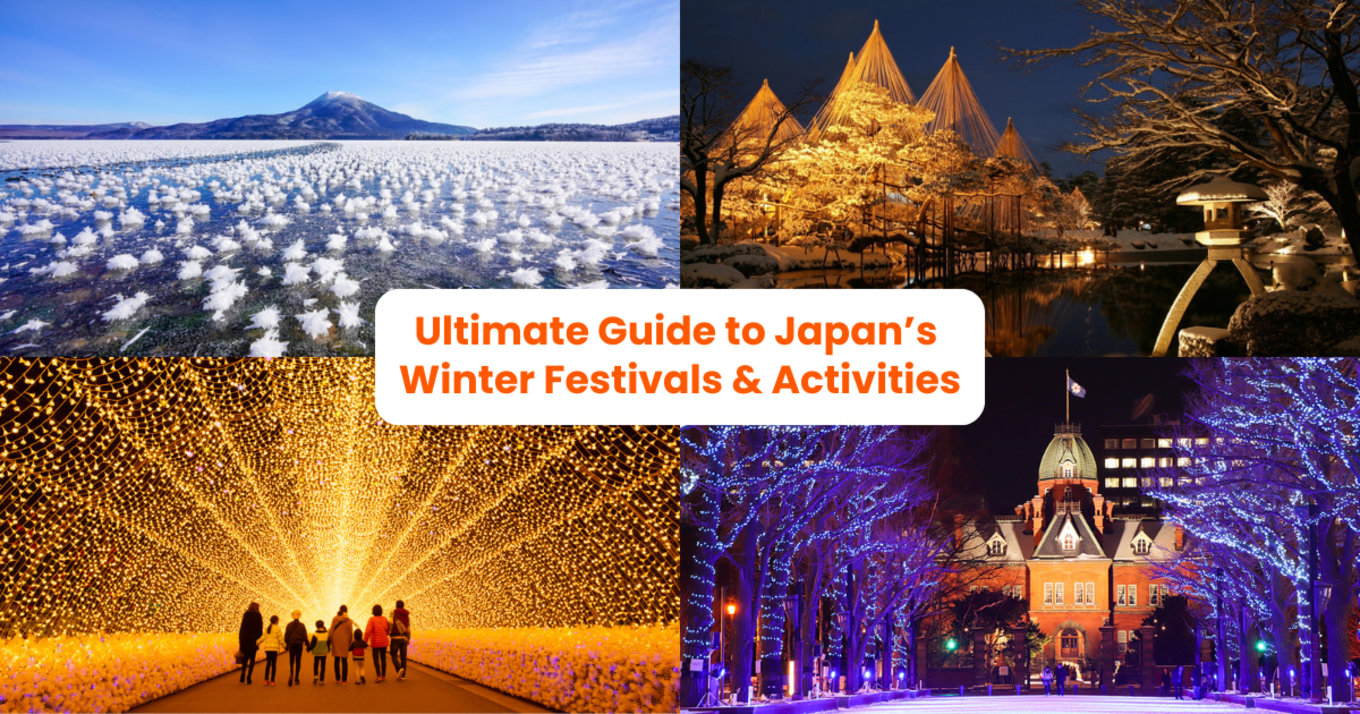
While not a snow festival in the traditional sense, the Nabana no Sato Winter Illumination in Mie Prefecture is an absolute must-see for anyone exploring Japan’s winter delights. Running from late October to early May, this grand spectacle is one of Japan’s largest and most famous light displays. Millions of LED lights transform a vast botanical garden into an astonishing wonderland of tunnels of light, shimmering rivers, and elaborate themed displays that change annually.
The sheer scale and artistry of Nabana no Sato are breathtaking, with vibrant colors and intricate designs creating immersive experiences. It’s a powerful reminder that winter festivals in Japan extend beyond snow and ice, embracing the magic of light as a means of celebration.
Embracing the Winter Spirit: Culinary and Cultural Delights
Beyond the specific festival sites, the broader winter experience in Japan is enriched by its unique culinary and cultural traditions:
- Onsen (Hot Springs): There’s nothing quite like soaking in a steaming outdoor rotenburo while snow gently falls around you. Many festival locations are near famous onsen towns, offering the perfect way to warm up and relax after a day of exploring.
- Winter Cuisine: Japanese winter cuisine is hearty and comforting. Indulge in rich ramen, warming nabe (hot pot dishes), freshly grilled seafood, and piping hot oden (various ingredients stewed in dashi broth). Don’t forget to try local sake, which often tastes particularly good in the cold weather. Sweet treats like matcha (green tea) desserts and mochi are also popular.
- Street Food: Festivals are a paradise for street food lovers. Wander through stalls offering everything from takoyaki (octopus balls) and yakitori (grilled skewers) to sweet potatoes and warm drinks, adding to the sensory experience.
- Traditional Crafts: Many festivals feature local artisans selling handcrafted goods, offering unique souvenirs and a glimpse into regional craftsmanship.
Planning Your Winter Wonderland Adventure
To make the most of your journey through Japan’s winter festivals, consider these practical tips:
- When to Go: Most major snow and ice festivals take place from late January to mid-February. Illuminations often start earlier and last longer.
- Dress Warmly: This is crucial. Layers are key. Invest in waterproof outer layers, thermal underwear, warm hats, gloves, scarves, and insulated, waterproof boots with good grip. Hand warmers (kairo) are also a lifesaver.
- Book Accommodation Early: Especially for popular festivals like Sapporo and Shirakawa-go, hotels and ryokans book up months in advance.
- Transportation: Japan’s excellent public transport system (Shinkansen, local trains) will get you to most places. Consider a Japan Rail Pass if you plan extensive travel. Be aware that heavy snowfall can sometimes cause delays, especially in northern regions.
- Cash: While credit cards are widely accepted, smaller stalls at festivals often prefer cash.
- Learn Basic Phrases: A few simple Japanese phrases can go a long way in enhancing your interactions with locals.
- Flexibility: While planning is essential, maintaining a degree of flexibility allows you to adapt to weather conditions or discover unexpected local delights.
Conclusion: A Winter Journey for the Soul
Japan’s winter festivals are more than just events; they are celebrations of resilience, beauty, and community spirit in the face of nature’s chill. They offer a profound and unforgettable journey that transcends the typical tourist experience, inviting visitors to witness incredible artistry, partake in ancient traditions, and feel the genuine warmth of Japanese hospitality. From the breathtaking grandeur of Sapporo’s snow sculptures to the intimate glow of Otaru’s lanterns and the timeless charm of Yokote’s kamakura, each festival weaves a unique thread into the rich tapestry of Japan’s cultural landscape. To explore Japan in winter is to discover a country transformed, where the cold air is filled with wonder, and every snowflake tells a story. It’s an adventure that will warm your heart and leave you with memories as sparkling and pristine as the freshly fallen snow.