

Unveiling Germany’s Timeless Treasures: A Journey Through Its Hidden Historical Towns
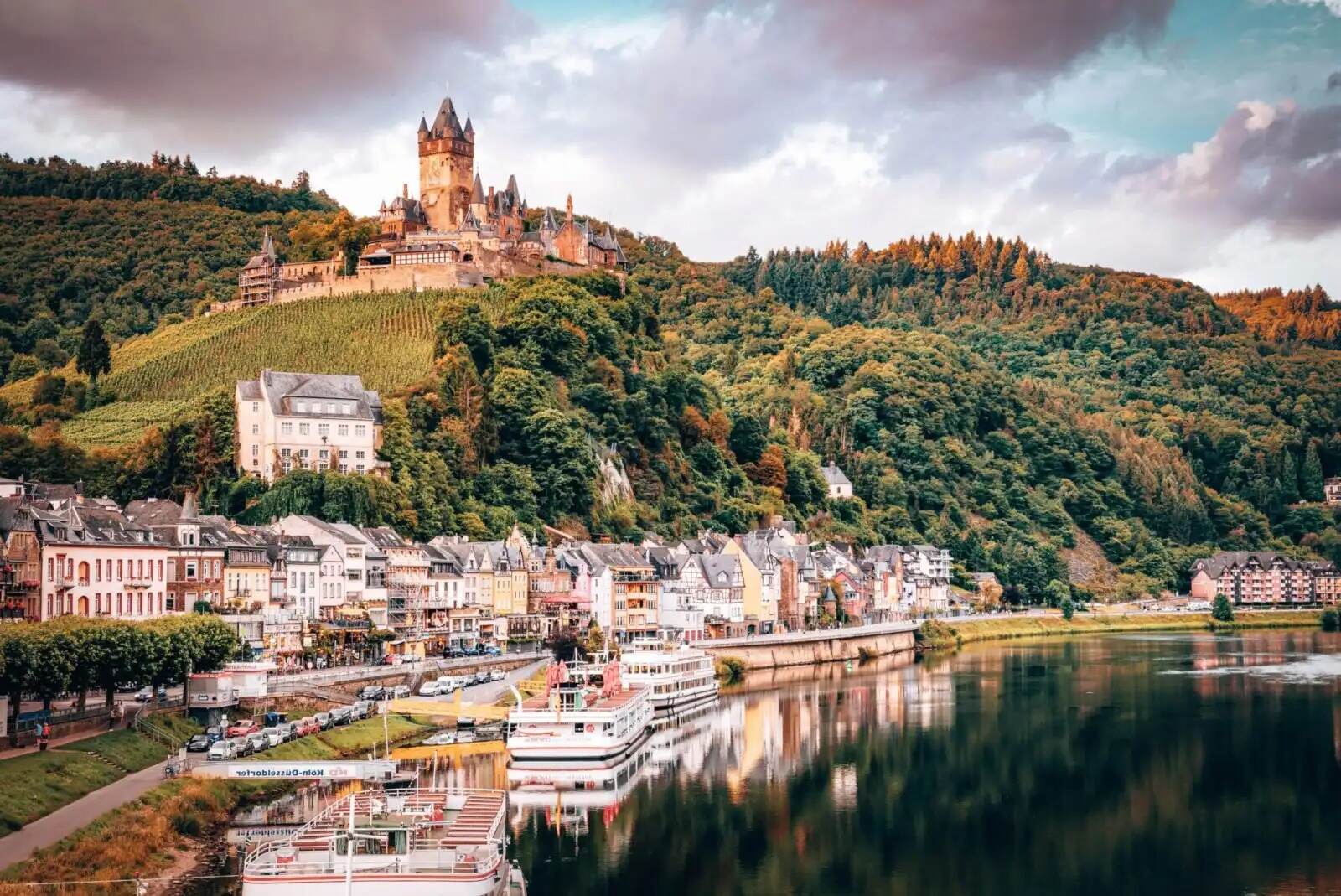
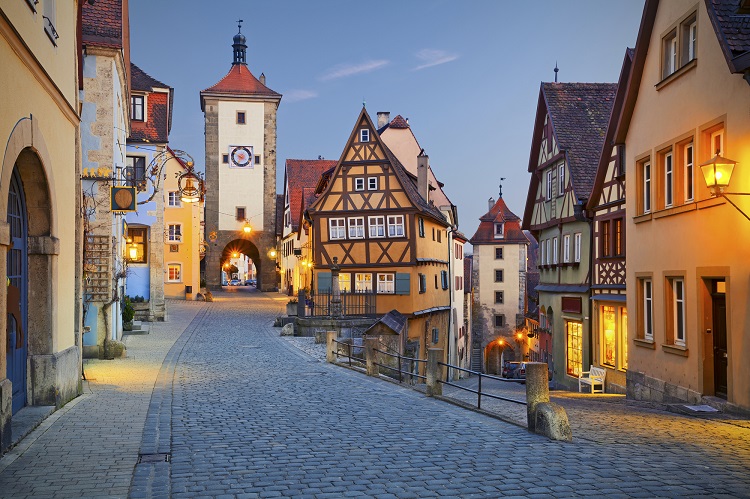
Germany, a land renowned for its bustling metropolises, iconic fairytale castles, and vibrant cultural hubs, holds a lesser-known secret: a treasure trove of historical towns that time seems to have forgotten. Tucked away from the well-trodden tourist paths, these hidden gems offer an unparalleled journey back in time, where cobblestone streets whisper tales of centuries past, half-timbered houses stand as stoic witnesses to history, and medieval walls guard stories of emperors, artisans, and everyday life.
While cities like Berlin, Munich, and Hamburg certainly warrant exploration, true immersion into Germany’s rich heritage often begins in these smaller, more intimate settings. Escaping the crowds, visitors to these towns can experience an authentic slice of German life, delve deeper into specific historical periods, and discover a slower pace of travel that encourages reflection and discovery. This article invites you on a literary expedition to unveil some of Germany’s most captivating hidden historical towns, promising an unforgettable adventure for the discerning traveler.
Why Venture Off the Beaten Path?
Before we embark on our town-by-town exploration, it’s worth considering the unique allure of these lesser-known destinations.
- Authenticity: Without the constant influx of large tourist groups, these towns retain their genuine character. Local traditions thrive, family-run businesses prosper, and interactions with residents offer a more authentic cultural exchange.
- Historical Immersion: Many of these towns survived wars and modernization largely intact, preserving architectural styles and urban layouts that vividly illustrate different historical epochs, from Roman foundations to medieval grandeur and Baroque elegance.
- Peace and Serenity: The absence of tourist hordes allows for a more tranquil experience. You can wander ancient streets in quiet contemplation, enjoy a coffee in a peaceful square, and truly soak in the atmosphere without feeling rushed.
- Unique Perspectives: Discovering these hidden towns offers a different narrative of Germany, one that focuses on regional identities, local legends, and the resilience of communities through centuries of change.
The Unveiling: Germany’s Hidden Historical Gems
Let’s delve into some of the most enchanting hidden historical towns that Germany has to offer, each with its own distinct charm and story.
1. Quedlinburg, Saxony-Anhalt: A Medieval Masterpiece
Nestled at the northern edge of the Harz Mountains, Quedlinburg is nothing short of a living museum. A UNESCO World Heritage site, it boasts one of Germany’s best-preserved medieval and Renaissance townscapes, featuring over 1,300 half-timbered houses spanning six centuries.
Quedlinburg’s history dates back to the early Middle Ages, playing a crucial role in the Holy Roman Empire. The imposing Collegiate Church of St. Servatius, perched on the Schlossberg (Castle Hill), houses the tombs of Germany’s first king, Henry I, and his wife, Matilda. The church itself is a masterpiece of Romanesque architecture, and its treasury contains invaluable medieval artifacts.
Wandering through Quedlinburg’s labyrinthine cobblestone alleys feels like stepping into a fairytale. Every corner reveals another beautifully restored house, often adorned with intricate carvings and vibrant window boxes. The town’s historical significance, combined with its charming atmosphere and relative seclusion compared to more famous German attractions, makes it an absolute must-visit for history enthusiasts.
2. Goslar, Lower Saxony: Imperial Grandeur in the Harz
Just a stone’s throw from Quedlinburg, and also a UNESCO World Heritage site, lies Goslar. While Quedlinburg showcases medieval residential architecture, Goslar tells a grander story of imperial power and rich mining heritage. For centuries, it was a free imperial city, a crucial center for the Holy Roman Empire, thanks to the silver, copper, and lead extracted from the nearby Rammelsberg mine (also a UNESCO site).
The Kaiserpfalz, or Imperial Palace, is Goslar’s most significant landmark, dating back to the 11th century. It served as a residence for emperors and kings, and its impressive hall and chapel offer a glimpse into the lives of medieval royalty. The town’s market square is dominated by the splendid Rathaus (Town Hall) and the iconic "Glockenspiel" carillon, which plays historical scenes daily.
Goslar’s Old Town is a dense network of narrow streets lined with beautifully preserved half-timbered houses, many of which belonged to wealthy mine owners and merchants. The juxtaposition of imperial grandeur and the humble abodes of ordinary citizens creates a fascinating historical tapestry, making Goslar a profound destination for understanding Germany’s medieval political and economic landscape.
3. Monschau, North Rhine-Westphalia: A Romantic Riverside Retreat
Venturing west into the Eifel region, near the Belgian border, we discover Monschau, a town so picturesque it seems almost too perfect to be real. Nestled in a narrow valley of the Rur River, Monschau’s landscape is defined by its charming half-timbered houses clinging to steep hillsides, with the river meandering through its core.
Monschau’s history is rooted in the textile industry, particularly wool weaving, which flourished here from the 17th to the 19th centuries. The "Rotes Haus" (Red House), a magnificent patrician residence, stands as a testament to the wealth generated by this trade, offering insights into bourgeois life during that era.
The town is dominated by a medieval castle, now a youth hostel, which offers panoramic views of the red-roofed houses and lush green hills. Monschau is perfect for leisurely strolls, exploring artisan shops, and enjoying local delicacies like the "Monschauer Dütchen" (a type of waffle biscuit). Its relatively remote location keeps it off the radar of mass tourism, allowing visitors to savour its romantic atmosphere in peace.
4. Dinkelsbühl, Bavaria: The Unsung Gem of the Romantic Road
While Rothenburg ob der Tauber often steals the spotlight on Bavaria’s famous Romantic Road, Dinkelsbühl offers a similarly captivating, yet far less crowded, medieval experience. Encircled by a perfectly preserved medieval wall complete with towers and gates, Dinkelsbühl is a fortified town that feels genuinely untouched by time.
Its history stretches back to the 10th century, growing into a significant imperial city. Unlike many other German towns, Dinkelsbühl emerged from World War II virtually unscathed, preserving its entire medieval core. The town’s architecture is a delightful mix of Gothic and Renaissance styles, with colorful half-timbered houses lining spacious market squares.
Highlights include the imposing St. George’s Minster, one of Bavaria’s most beautiful hall churches, and the "Weinmarkt" (Wine Market) square, surrounded by magnificent patrician houses. Dinkelsbühl’s charm lies in its authenticity; it’s a living, breathing town where residents go about their daily lives amidst centuries-old buildings, rather than a mere tourist attraction. Its annual "Kinderzeche" festival, commemorating a historical event that saved the town from destruction during the Thirty Years’ War, is a vibrant display of local tradition.
5. Meissen, Saxony: Cradle of European Porcelain
Perched elegantly on the River Elbe, not far from Dresden, Meissen is synonymous with its world-famous porcelain. However, this town offers much more than just delicate ceramics; it’s a historic powerhouse with a stunning architectural ensemble that predates many other German cities.
Meissen’s history dates back to the 10th century, when Emperor Otto I founded the city. Its most prominent landmarks, the Albrechtsburg Castle and Meissen Cathedral, sit majestically atop a hill overlooking the town. The Albrechtsburg, built in the late 15th century, is considered Germany’s first palace and a masterpiece of late Gothic architecture. The adjacent cathedral, with its soaring spires, is one of the purest examples of Gothic cathedrals in Saxony.
The narrow, winding streets of Meissen’s Old Town lead down to the river, revealing charming squares and historical buildings. Of course, a visit to the Meissen Porcelain Manufactory is essential to witness the craftsmanship behind the "white gold" that has been produced here since 1710. Meissen provides a rich blend of cultural history, architectural beauty, and industrial heritage, all within a less-visited, picturesque setting.
6. Görlitz, Saxony: An Architectural Time Capsule on the Neisse
Located in Germany’s easternmost corner, right on the border with Poland (divided by the Neisse River), Görlitz is an architectural marvel that miraculously escaped significant damage during World War II. This preservation has left it with an astonishing array of buildings spanning Gothic, Renaissance, Baroque, Art Nouveau, and Gründerzeit styles, making it a favorite backdrop for international film productions.
Görlitz’s history as a prosperous trading town on the Via Regia (King’s Road) is evident in its grand merchant houses, impressive churches, and numerous public buildings. The Lower Market Square and Upper Market Square are particularly striking, showcasing a blend of architectural periods that create a unique urban tapestry.
Highlights include the Peterskirche (St. Peter and Paul’s Church) with its impressive sun organ, the "Schönhof" (Beautiful Courtyard), Germany’s oldest Renaissance building, and the Baroque "Biblische Haus" (Biblical House) adorned with biblical reliefs. Görlitz offers a fascinating journey through centuries of European architectural history, a true hidden gem that provides a different perspective on Germany’s past.
7. Bacharach, Rhineland-Palatinate: Wine, Castles, and Romance on the Rhine
The Middle Rhine Valley is dotted with picturesque towns, but Bacharach stands out for its quintessential romantic charm and rich history, yet remains less crowded than some of its counterparts. This small town, nestled along the banks of the Rhine, is renowned for its wine production, medieval castles, and half-timbered houses.
Bacharach’s history dates back to Roman times, but its golden age was in the Middle Ages when it was a vital trading post for wine and goods. Dominating the town is Stahleck Castle, perched high above, now a youth hostel but offering breathtaking views of the Rhine gorge. Another iconic ruin, the Wernerkapelle, a 13th-century Gothic chapel, adds to the town’s dramatic silhouette.
Wandering through Bacharach’s narrow, winding streets, you’ll discover beautifully preserved half-timbered houses, cozy wine taverns, and remnants of the old town walls. A climb to the Postenturm, a medieval watchtower, rewards visitors with panoramic vistas of the river, vineyards, and surrounding castles. Bacharach perfectly embodies the romantic allure of the Rhine, offering a peaceful and historically rich escape.
Practical Tips for Exploring Hidden German Towns
- Transportation: While many towns are accessible by train, renting a car offers the greatest flexibility, especially for reaching more remote locations or linking several towns in a region.
- Accommodation: Look for charming guesthouses (Gasthöfe) or family-run hotels (Hotels Garni) for an authentic local experience.
- Embrace Slow Travel: Don’t rush. These towns are meant to be savored. Dedicate at least a full day, if not more, to each.
- Local Cuisine: Sample regional specialties and local wines. Many towns have traditional bakeries and butchers that have been operating for generations.
- Learn Basic German Phrases: While English is widely spoken in tourist areas, a few German phrases will always be appreciated in smaller towns and can enhance your interactions.
- Check Local Event Calendars: Many towns host traditional festivals, markets, or historical reenactments, which can add a unique dimension to your visit.
Conclusion
Germany’s hidden historical towns are more than just pretty places; they are vibrant repositories of history, culture, and enduring tradition. They offer a refreshing antidote to the hurried pace of modern life and a profound connection to the past that is often lost in larger, more commercialized destinations. From the medieval grandeur of Quedlinburg and Goslar to the romantic riverside charm of Monschau and Bacharach, and the architectural wonders of Dinkelsbühl, Meissen, and Görlitz, these towns invite you to step off the well-worn path and discover the true heart of Germany.
So, pack your bags, open your mind, and prepare to be enchanted by the whispers of history that echo through the cobblestone streets of Germany’s most captivating, yet wonderfully hidden, historical towns. Your journey into the past awaits.