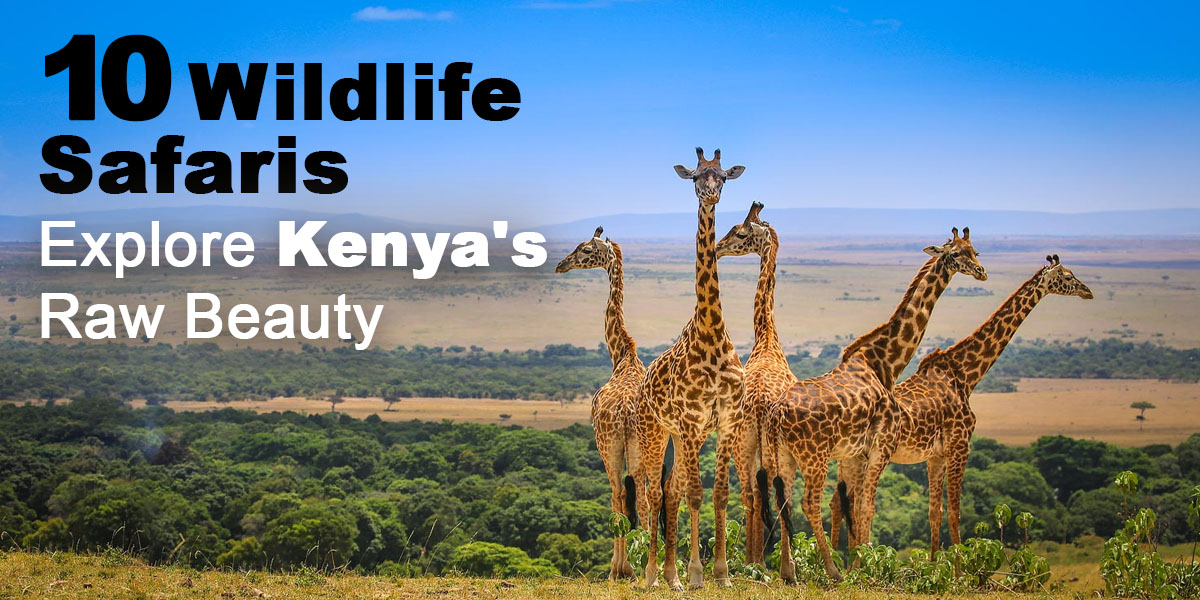


Kenya Wildlife Safaris: An Unforgettable Journey into the Heart of Africa
Kenya, a land of breathtaking landscapes, vibrant cultures, and unparalleled wildlife, stands as the undisputed heart of the African safari experience. From the iconic Masai Mara to the lesser-known gems scattered across the country, Kenya offers a symphony of sights, sounds, and encounters that will leave you spellbound. Embarking on a Kenyan wildlife safari is not merely a vacation; it’s a transformative journey into the soul of nature.
Why Kenya for Your Wildlife Safari?
Kenya’s reputation as a premier safari destination is well-earned. Here’s why:
- Abundance of Wildlife: Kenya boasts an astounding array of wildlife, including the "Big Five" (lion, elephant, leopard, rhino, and buffalo), as well as cheetahs, giraffes, zebras, wildebeest, hippos, crocodiles, and a dazzling variety of bird species. The country’s conservation efforts have helped to preserve these populations, ensuring that visitors can witness these magnificent creatures in their natural habitat.
- Diverse Ecosystems: Kenya’s varied topography and climate have given rise to a remarkable range of ecosystems, from the vast savannahs of the Masai Mara to the lush forests of Mount Kenya and the arid landscapes of the northern frontier. This diversity means that each safari destination offers a unique experience, with different species and landscapes to explore.
- Experienced Guides and Infrastructure: Kenya’s tourism industry is well-established, with a wealth of experienced guides, comfortable lodges, and well-maintained roads. This infrastructure ensures that visitors can enjoy a safe, comfortable, and informative safari experience.
- Cultural Encounters: A Kenyan safari is not just about wildlife; it’s also an opportunity to immerse yourself in the rich cultural heritage of the country. Many safari itineraries include visits to local communities, where you can learn about traditional customs, dances, and crafts.
Top Destinations for a Kenyan Wildlife Safari
- Masai Mara National Reserve: The Masai Mara is Kenya’s flagship wildlife reserve, renowned for its vast grasslands, abundant wildlife, and the annual Great Migration. Millions of wildebeest, zebras, and gazelles traverse the plains in search of fresh grazing, attracting predators such as lions, cheetahs, and hyenas. The Mara offers exceptional game viewing year-round, but the migration (typically from July to October) is an unforgettable spectacle.
- Amboseli National Park: Situated at the foot of Mount Kilimanjaro, Amboseli is famous for its stunning views of the snow-capped peak and its large herds of elephants. The park’s open plains provide excellent opportunities for wildlife photography, and you can also spot lions, cheetahs, giraffes, and a variety of bird species.
- Tsavo National Park: Tsavo is Kenya’s largest national park, divided into Tsavo East and Tsavo West. Tsavo East is known for its vast, semi-arid landscapes and its "red elephants," which get their color from the red soil. Tsavo West offers a more diverse landscape, with volcanic hills, springs, and lush forests. Both parks are home to a wide range of wildlife, including lions, elephants, rhinos, and leopards.
- Lake Nakuru National Park: Lake Nakuru is a birdwatcher’s paradise, famous for its large flocks of flamingos that congregate on the lake’s alkaline waters. The park is also home to rhinos, lions, leopards, and Rothschild’s giraffes.
- Samburu National Reserve: Located in northern Kenya, Samburu offers a unique safari experience in a rugged, arid landscape. The park is home to the "Samburu Special Five": the Grevy’s zebra, reticulated giraffe, Beisa oryx, Somali ostrich, and gerenuk.
- Mount Kenya National Park: For a different kind of safari experience, head to Mount Kenya National Park, a UNESCO World Heritage Site. Here, you can hike through lush forests, admire stunning waterfalls, and spot wildlife such as monkeys, antelopes, and colorful birds.
- Laikipia Plateau: This region offers a unique blend of wildlife conservation and community-based tourism. It’s home to several private ranches and conservancies that offer exclusive safari experiences, with opportunities for walking safaris, horseback riding, and cultural interactions.
Types of Safaris in Kenya
- Game Drives: The most common type of safari involves driving through the parks in a 4×4 vehicle, accompanied by a knowledgeable guide. Game drives offer excellent opportunities for wildlife viewing and photography.
- Walking Safaris: For a more immersive experience, consider a walking safari. Accompanied by an armed guide, you’ll explore the bush on foot, learning about the flora and fauna and getting a closer look at the smaller creatures that are often missed on game drives.
- Night Safaris: Some lodges and conservancies offer night safaris, which provide a chance to see nocturnal animals such as leopards, hyenas, and bush babies.
- Hot Air Balloon Safaris: For a truly unforgettable experience, take a hot air balloon safari over the Masai Mara. As you float serenely above the plains, you’ll witness the sunrise and spot wildlife from a unique perspective.
- Fly-In Safaris: If you’re short on time or want to visit multiple destinations, consider a fly-in safari. You’ll travel between parks by small aircraft, saving time and enjoying stunning aerial views.
Planning Your Kenyan Wildlife Safari
- Best Time to Visit: The dry season (June to October) is generally considered the best time for wildlife viewing, as animals congregate around water sources. However, the shoulder seasons (March to May and November to December) can also be good, with fewer crowds and lower prices.
- Choosing a Safari Operator: Select a reputable safari operator with experienced guides and a commitment to responsible tourism. Read reviews and compare prices before making a decision.
- Accommodation: Kenya offers a wide range of accommodation options, from budget-friendly campsites to luxurious lodges and tented camps. Choose accommodation that suits your budget and preferences.
- Packing Essentials: Pack lightweight, neutral-colored clothing, comfortable walking shoes, a hat, sunscreen, insect repellent, binoculars, and a camera with a good zoom lens.
- Health and Safety: Consult your doctor about necessary vaccinations and malaria prophylaxis. Drink bottled water and avoid eating raw or undercooked food. Follow your guide’s instructions and be aware of your surroundings.
Responsible Tourism
When planning your Kenyan wildlife safari, it’s important to consider the impact of your visit on the environment and local communities. Choose eco-friendly lodges and tour operators that support conservation efforts and community development. Respect wildlife and their habitats, and avoid disturbing animals or littering. By practicing responsible tourism, you can help ensure that Kenya’s natural treasures are preserved for future generations.
A Safari to Remember
A Kenyan wildlife safari is an experience that will stay with you long after you return home. It’s a chance to witness the raw beauty of nature, to connect with the wild, and to create memories that will last a lifetime. So, pack your bags, grab your camera, and prepare for an unforgettable adventure in the heart of Africa.