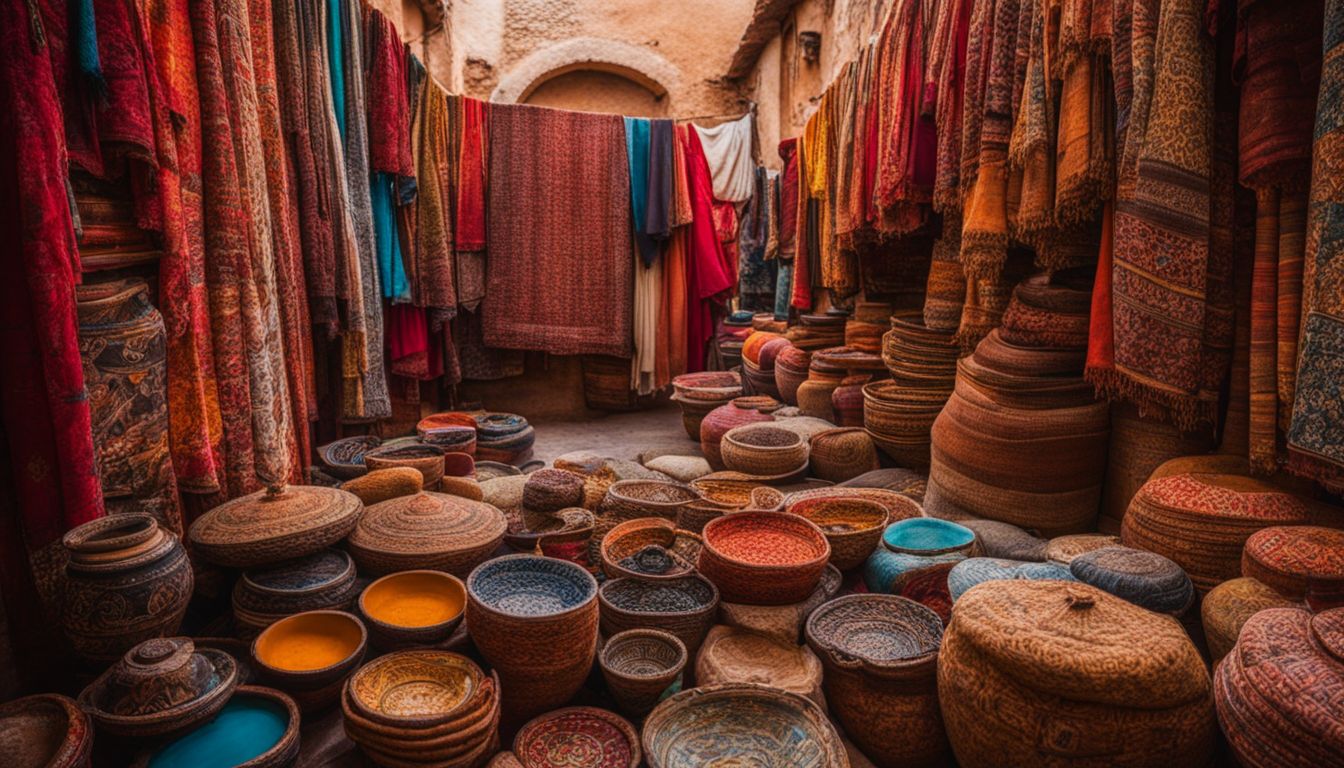


The Pulsating Heart of Morocco: A Deep Dive into the Labyrinthine Souks
Step into the medina of any Moroccan city, and you don’t just enter a marketplace; you step into a living, breathing symphony of culture, history, and sensory overload. The souks, as these traditional markets are known, are the very pulse of Moroccan life, ancient arteries through which the country’s vibrant spirit flows. Far more than mere commercial hubs, they are social stages, artistic workshops, culinary havens, and an indispensable window into the soul of this captivating North African nation. To explore them is to embark on an unforgettable journey, a true immersion into the Moroccan way of life.
From the grand, theatrical expanse of Marrakech’s Djemaa el-Fna to the specialized, centuries-old alleys of Fes, and the more relaxed, everyday markets of smaller towns, each souk offers a unique narrative. Yet, they all share a common thread: an electrifying energy that assaults and delights every sense, inviting visitors to lose themselves – quite literally – in their intricate embrace.
A Symphony for the Senses: The Alluring Chaos
The moment you cross the threshold from the quiet outside world into the bustling heart of a Moroccan souk, your senses are immediately set ablaze. It’s an intoxicating, overwhelming, and utterly thrilling experience.
Sight: Your eyes are met with a kaleidoscope of colours. Mountains of vibrant spices in ochre, turmeric yellow, and fiery red; intricately patterned carpets and textiles draped from every conceivable surface; shimmering lanterns casting dappled light; mounds of glistening olives and sticky dates; and the kaleidoscope of traditional garments worn by locals. Artisans hammer metal, dye leather, and weave fabrics right before your eyes, adding to the visual spectacle. The architecture itself, with its narrow alleys, ancient archways, and occasional glimpses of sky, creates a sense of timelessness and mystery.
Sound: The air hums with a constant, exhilarating cacophony. The melodic calls of vendors hawking their wares ("Balak! Balak!" – "Watch out!" for donkeys and carts), the rhythmic tap-tap-tap of coppersmiths, the murmur of countless conversations in Darija, Berber, and a smattering of other languages, the distant braying of a donkey, and sometimes, the enchanting strains of traditional music from a street performer. It’s a symphony of human activity, a testament to the enduring vitality of these ancient spaces.
Smell: Perhaps the most evocative of all sensations is the aromatic tapestry woven through the souks. The sweet, earthy fragrance of exotic spices like saffron, cumin, and ras el hanout mingles with the pungent aroma of leather from the tanneries, the refreshing scent of fresh mint tea, the sweet perfume of orange blossom water, and the smoky allure of grilled meats and tagines emanating from food stalls. It’s an olfactory journey that tells stories of trade routes, culinary traditions, and daily life.
Touch: Your hands will instinctively reach out to feel the soft pile of a hand-knotted rug, the smooth coolness of a ceramic tagine, the supple texture of a leather pouf, or the rough, sun-baked clay of a traditional pot. Vendors will invite you to touch, to inspect, to appreciate the craftsmanship that goes into each item.
Taste: And, of course, there is the taste. From the ubiquitous mint tea offered as a gesture of hospitality, to the sweet delight of sticky pastries like chebakia or ghoriba, the juicy burst of a freshly picked date, or the rich, complex flavours of a slow-cooked tagine or harira soup from a street vendor – the souks are a gastronomic adventure in themselves.
A Treasure Trove: Unveiling the Goods
The sheer variety of goods available in Moroccan souks is astounding, reflecting centuries of craftsmanship and trade. Each alley or section often specializes in a particular craft, a tradition that dates back to medieval times when guilds of artisans would cluster together.
Spices and Foodstuffs: This is often the first category to capture attention. Heaps of vibrant spices – saffron, turmeric, paprika, ginger, cumin, coriander – are not just for cooking but also for traditional remedies. Beyond spices, you’ll find an incredible array of local produce: plump, briny olives of every hue, glistening dates from the Sahara oases, fresh figs, almonds, walnuts, and a dazzling assortment of dried fruits. Argan oil, both culinary and cosmetic, is ubiquitous, often sold by women’s cooperatives. Don’t miss the chance to try local honey, artisanal jams, and the countless varieties of amlou (a delicious argan oil, almond, and honey spread).
Textiles and Carpets: The souks are a paradise for textile lovers. Hand-knotted Berber rugs, each telling a story through its patterns and colours, are a major draw. From the thick, shaggy Beni Ourain rugs to the colourful kilims and Boucherouite rags, there’s a carpet for every taste and budget. Beyond rugs, you’ll find exquisitely embroidered kaftans and djellabas, vibrant silk and cotton scarves, and beautiful throws. The process of dyeing wool and weaving is often on display, offering insight into this ancient craft.
Leather Goods: Morocco is renowned for its leatherwork, and the souks showcase this beautifully. From soft, colourful babouches (traditional slippers) to exquisitely crafted handbags, wallets, belts, and poufs, the quality and artistry are impressive. Fes, in particular, is famous for its tanneries, though the finished products are available throughout the country.
Pottery and Ceramics: The distinctive blue and white pottery of Fes, the vibrant multicoloured ceramics from Safi, and the earthy, unglazed tagines and cooking vessels are testament to Morocco’s rich ceramic tradition. You’ll find everything from decorative plates and bowls to functional serving dishes and intricate mosaic tables.
Metalwork and Lanterns: The mesmerizing glow of Moroccan lanterns is iconic. Crafted from brass, copper, and iron, these intricate lamps cast beautiful patterns of light, transforming any space. Beyond lanterns, artisans create stunning tea sets, trays, mirrors, and ornate decorative items, often working with traditional tools to hammer, chisel, and engrave the metal.
Jewelry: Silver jewelry, particularly the bold, geometric designs of Berber origin, is abundant. You’ll find necklaces, bracelets, earrings, and rings adorned with semi-precious stones, intricate filigree, and enamel work, often carrying symbolic meanings.
The Art of Haggling: A Cultural Dance
Shopping in a Moroccan souk is rarely a straightforward transaction; it’s an art form, a cultural dance known as haggling. For many Moroccans, it’s not just about the price; it’s about the interaction, the respectful negotiation, and the shared experience.
Tips for the first-timer:
- Embrace it: See it as a game, a friendly exchange, rather than a confrontation.
- Start Low: A general rule of thumb is to offer about 30-50% of the initial asking price. The vendor will feign shock, you will feign indecision, and the back-and-forth begins.
- Be Polite and Patient: A smile, a compliment on the item, and genuine interest go a long way. Rushing or being aggressive will not yield good results.
- Know Your Price: Before you start, decide what you’re willing to pay. Don’t agree to a price if you don’t intend to buy.
- Walk Away (Sometimes): If you can’t agree on a price, a polite "la, shukran" (no, thank you) and a slow walk away often results in the vendor calling you back with a better offer.
- Enjoy the Mint Tea: Often, the negotiation will take place over a glass of sweet mint tea – a sign of hospitality.
- Cash is King: While some larger stalls might accept cards, cash (dirhams) is preferred, especially for better deals.
Remember, the goal isn’t to "win" or get the absolute lowest price possible, but to reach a fair price that both you and the vendor are happy with, all while enjoying the cultural exchange.
Beyond the Transaction: Community and Culture
The souks are far more than just commercial spaces; they are deeply woven into the social fabric of Moroccan life. They are meeting points, places where gossip is exchanged, news is shared, and community bonds are strengthened. Artisans often work in small, open workshops, allowing visitors to witness their ancient crafts firsthand – a testament to skills passed down through generations. This direct interaction offers a glimpse into the dedication and artistry that goes into each handmade item.
For many Moroccans, particularly those outside the major cities, the weekly souk is still the primary source for everything from food staples to household goods, and a vital opportunity to connect with neighbours and friends. While some parts of the souks in major tourist destinations cater heavily to visitors, there are always deeper, more authentic sections where locals conduct their daily lives, providing a fascinating contrast.
Navigating the Labyrinth: Practical Tips for the Explorer
The sheer complexity of some souks, particularly in Fes and Marrakech, can be daunting. Getting lost is not just a possibility; it’s almost an inevitability, and often, part of the adventure.
- Embrace the Meander: Don’t go in with a rigid plan. Allow yourself to wander, to be surprised, and to discover hidden gems.
- Landmarks: Pay attention to distinct landmarks (a particular archway, a fountain, a prominent shop) to help you orient yourself.
- Local Guides: Consider hiring a licensed local guide for your first foray, especially in Fes. They can navigate the maze effortlessly, explain the history and significance of different quarters, and help you find specific crafts. Be wary of "false guides" who offer to show you around for free but then demand payment or try to lead you to specific shops for commission.
- Dress Modestly: Out of respect for local customs, it’s advisable to dress conservatively, especially for women.
- Be Aware of Your Belongings: Like any crowded marketplace, pickpocketing can occur. Keep your valuables secure.
- Stay Hydrated: Especially in warmer months, carry water.
- Ask Before Photographing: Always ask for permission before taking photos of people, particularly women. Some vendors might ask for a small fee.
Iconic Moroccan Markets to Explore:
While every town has its market, some stand out for their unique character and scale:
- Marrakech – Djemaa el-Fna and the Surrounding Souks: The undisputed king of Moroccan markets. By day, it’s a bustling square with juice stalls and snake charmers. By night, it transforms into a magical open-air theatre and giant food court, with storytellers, musicians, acrobats, and hundreds of food stalls serving up delicious local fare. The souks radiating from the square are a labyrinth of specialized sections: leather, textiles, spices, metalwork, and more. It’s an overwhelming but utterly essential experience.
- Fes – The Ancient Medina Souks: Fes boasts the oldest and perhaps most authentic medina in Morocco, a UNESCO World Heritage site. Its souks are more specialized and less tourist-oriented than Marrakech’s, giving a deeper insight into traditional craftsmanship. You can find distinct quarters for tanners, dyers, coppersmiths, carpenters, and potters. The sensory experience of the tanneries, with their vibrant vats of dye, is unforgettable.
- Essaouira – The Coastal Charms: Unlike the bustling inland cities, Essaouira’s souks have a more relaxed, bohemian vibe. Beyond the usual crafts, you’ll find a lively fish market where fishermen bring in their daily catch, and local restaurants grill seafood on the spot. The town is also famous for its thuya wood carving.
- Chefchaouen – The Blue City’s Market: Set against the stunning backdrop of the Rif Mountains and the city’s iconic blue walls, Chefchaouen’s market is smaller and more focused on local produce, handmade woolens, and simple crafts. It offers a more tranquil, yet equally charming, market experience.
Conclusion: An Unforgettable Immersion
Exploring the local markets of Morocco is not just a shopping excursion; it’s a journey into the very essence of the country. It’s an adventure that engages all your senses, challenges your bargaining skills, and rewards you with genuine cultural insights and unforgettable memories. Each stall, each interaction, each vibrant colour and intoxicating aroma tells a story of ancient traditions, enduring craftsmanship, and the resilient spirit of the Moroccan people.
So, when you visit Morocco, don’t just see the souks; immerse yourself in them. Allow yourself to get lost, to haggle with a smile, to sip mint tea, and to absorb the electrifying energy that makes these markets the true, pulsating heart of Morocco. It’s an experience that will linger long after you’ve left, a vivid tapestry woven into the fabric of your travel memories.