

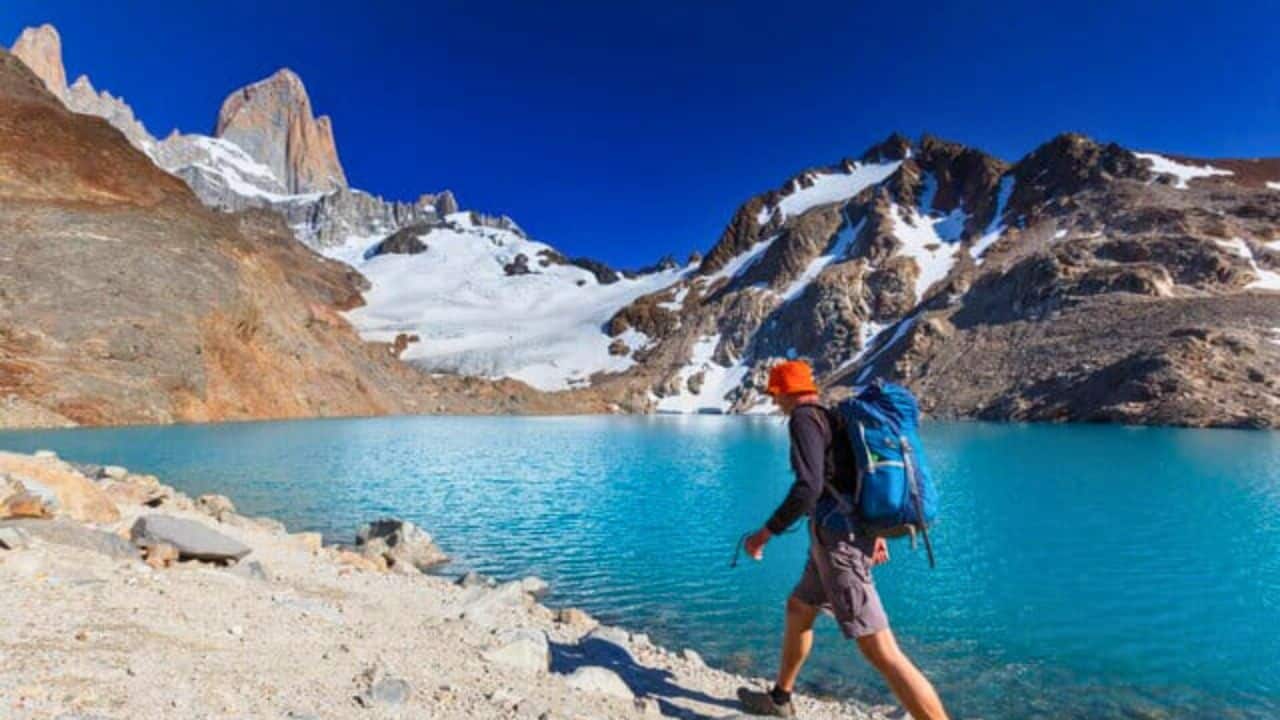
Patagonia’s Untamed Whispers: Charting a Course Through Unexplored Hiking Routes
Patagonia. The very name evokes images of jagged, snow-capped peaks piercing the sky, colossal glaciers calving into turquoise fjords, and an untamed wilderness where the wind howls stories of ancient lands. For decades, this remote corner of South America, spanning Chile and Argentina, has beckoned adventurers with its iconic trails: the ‘W’ and ‘O’ circuits in Torres del Paine, the Fitz Roy and Cerro Torre treks near El Chaltén, and the awe-inspiring Perito Moreno Glacier. These routes, while undeniably magnificent, have become increasingly popular, often teeming with hikers seeking that quintessential Patagonian experience.
But what if Patagonia’s true essence lies beyond the well-trodden paths? What if its most profound secrets are whispered only to those brave enough to venture where maps are sparse, trails are faint, and solitude reigns supreme? This article is an ode to the allure of the unknown, a guide for the intrepid soul yearning to explore the unexplored hiking routes of Patagonia, to discover its wild, beating heart far from the madding crowds.
The Irresistible Allure of the Unknown
Why forsake the comfort of established trails for the rigors of the unknown? The answer lies in the profound sense of discovery, the unadulterated connection with nature, and the unparalleled feeling of self-reliance that only true wilderness exploration can offer.
Solitude and Serenity: The most significant draw of unexplored routes is the promise of solitude. Imagine setting up camp beside an unnamed glacial lake, its waters reflecting a sky unmarred by artificial light, with not another soul for miles around. This isn’t just quiet; it’s a deep, resonant silence that allows for introspection and an almost spiritual communion with the landscape.
Pristine Wilderness: Unexplored routes often lead to areas less impacted by human presence. Here, ecosystems thrive in their purest form, offering glimpses of wildlife undisturbed by constant human traffic. You might encounter guanacos grazing peacefully, condors circling overhead in their majestic dance, or even catch a fleeting glimpse of a puma, the elusive ghost of the Andes. The flora, too, reveals itself in delicate, untouched beauty, from ancient lenga forests to hardy alpine wildflowers.
Genuine Discovery: While true terra incognita is rare in our satellite-mapped world, "unexplored" in Patagonia often means routes that are unmapped for tourism, unmaintained, and rarely hiked. It’s about charting your own course, piecing together information from old maps, local knowledge, and satellite imagery to forge a unique path. Every turn is a surprise, every vista a personal revelation, every challenge overcome a testament to your own ingenuity.
A Deeper Connection: When you push your physical and mental limits in a truly wild environment, you forge a deeper connection not just with nature, but with yourself. The wilderness strips away the superficial, revealing your resilience, adaptability, and primal strength. It’s an experience that transforms, leaving an indelible mark on your soul.
Defining "Unexplored" in the Patagonian Context
It’s important to clarify what "unexplored" means here. We’re not necessarily talking about uncharted peaks or virgin valleys that have never seen human footsteps. Instead, we refer to:
- Undocumented Routes: Paths that aren’t featured in guidebooks, popular blogs, or official park maps. They might be old gaucho (cowboy) trails, forgotten mining tracks, or simply logical lines connecting known areas that require significant navigation skills.
- Unmaintained Trails: Even if a route once existed, nature often reclaims it. Expect fallen trees, overgrown bushes, faint paths, and challenging terrain that demands constant route-finding.
- Remote Hinterlands: Areas adjacent to, or between, popular national parks and reserves, where the official trails end, and the wild truly begins. These might involve crossing private land (requiring permission) or traversing vast, public wilderness.
- Seasonal Accessibility: Some routes might only be viable during very specific windows, often due to snow, river levels, or weather patterns, making them less frequently attempted.
Where to Begin Your Quest: Regions Ripe for Discovery
While revealing specific "unexplored" routes would contradict the spirit of this article, certain regions of Patagonia offer more potential for off-grid adventure:
-
Aysén Region, Chilean Patagonia: Often dubbed "The Wild Heart of Patagonia," Aysén is less developed than its southern counterparts. The Carretera Austral offers a spine, but countless valleys, fjords, and mountains branch off, particularly into the western flanks of the Northern Patagonian Ice Field.
- Potential Areas: Connecting remote estancias (ranches) via mountain passes, exploring the vast hinterlands behind towns like Cochrane or Villa O’Higgins, or seeking routes that traverse the lesser-known coastal ranges and islands.
- Challenges: Extremely wet weather, dense temperate rainforest (Valdivian), deep river crossings, and challenging bushwhacking.
-
Lesser-Known Areas of Southern Patagonia (Chile & Argentina): While Torres del Paine and Los Glaciares National Parks are famous, their peripheries hold secrets.
- Potential Areas: The vast wilderness south of Torres del Paine towards Tierra del Fuego, or the extensive mountains east and north of El Chaltén, outside the main park boundaries. Look for routes that connect different valleys, ascend lesser-known peaks, or skirt the edges of the Southern Patagonian Ice Field (requiring advanced glacial skills).
- Challenges: Ferocious winds, rapid weather changes, significant glacial travel if venturing onto ice, and long, remote approaches.
-
Tierra del Fuego (Chilean & Argentine Sides): Beyond Ushuaia’s popular trails, the interior of Tierra del Fuego is rugged, often marshy, and incredibly wild.
- Potential Areas: The Dientes de Navarino circuit on Isla Navarino is the southernmost trek in the world and already challenging, but further inland, or exploring the lesser-known peaks and valleys of the Cordillera Darwin range, offers true isolation.
- Challenges: Boggy terrain, dense Magellanic forest, notoriously unpredictable weather (even by Patagonian standards), and extreme remoteness.
The Art of Preparation: More Than Just Gear
Embarking on an unexplored Patagonian trek demands meticulous preparation, far beyond what’s needed for a typical trail.
-
Research and Planning:
- Topographic Maps: Essential. Invest in the best available, often from the Chilean IGM (Instituto Geográfico Militar) or Argentine IGN (Instituto Geográfico Nacional).
- Satellite Imagery: Google Earth and other satellite mapping tools are invaluable for identifying potential routes, assessing terrain, and locating water sources or campsites.
- Local Knowledge: The most crucial element. Contact local guides, gauchos, park rangers, or even online forums dedicated to Patagonian exploration. They might have invaluable insights into old trails, river conditions, or private land access.
- Permits and Land Access: Many areas are private land (estancias). Always seek permission from landowners. For national parks, even if off-trail, inform rangers of your intentions.
- Weather Patterns: Patagonia’s weather is notoriously fickle. Study historical data but be prepared for anything – sun, rain, snow, and gale-force winds – often all in one day.
-
Skills and Experience:
- Advanced Navigation: GPS with pre-loaded routes, a reliable compass, and excellent map-reading skills are non-negotiable. Be proficient in using them in challenging conditions (fog, rain).
- Wilderness First Aid: A comprehensive kit and the knowledge to use it are paramount. You will be days, if not weeks, from medical help.
- Survival Skills: Shelter building, fire starting in wet conditions, water purification, and emergency signaling.
- River Crossings: Many routes involve crossing unbridged, often swift, glacial rivers. Understanding safe crossing techniques is vital.
- Glacier Travel: If your route approaches ice fields, crevasse rescue, rope work, and ice axe/crampon proficiency are essential. Consider hiring a certified UIAGM/IFMGA guide.
- Physical and Mental Fortitude: These treks are physically demanding and mentally taxing. You need exceptional endurance, resilience, and problem-solving abilities.
-
Gear and Supplies:
- Robust, Reliable Gear: Everything must be top-quality and able to withstand extreme conditions.
- Shelter: A sturdy 4-season tent capable of withstanding hurricane-force winds.
- Layering System: High-quality base layers, insulating mid-layers (down or synthetic), and a bombproof waterproof/windproof outer shell.
- Navigation Tools: Multiple GPS devices (with spare batteries), maps, compass.
- Communication: Satellite phone or satellite messenger (e.g., inReach, Spot) is essential for emergencies.
- Food and Fuel: Enough for the entire trip, plus several buffer days. Fuel for cooking.
- Safety Equipment: First aid kit, repair kit, headlamp (with spare batteries), knife, sun protection, insect repellent.
- Footwear: Waterproof, sturdy hiking boots, and river crossing shoes/sandals.
- Bear Cannister/Food Storage: To protect food from rodents and other wildlife.
Navigating the Challenges: Risks and Rewards
The pursuit of unexplored routes is not without significant risks. The weather can turn deadly in hours. Navigation errors can lead to dangerous terrain or dead ends. River crossings can be treacherous. Isolation means self-rescue is often the only option. Wildlife encounters, while rare, can pose a threat.
However, the rewards far outweigh these challenges for those adequately prepared. The feeling of stepping onto a vista that few, if any, have ever witnessed is indescribable. The profound silence of an untouched valley, the raw power of a Patagonian storm experienced from the safety of your tent, the camaraderie forged with your hiking partners in overcoming shared obstacles – these are the treasures of the unexplored. You return not just with photographs, but with stories etched into your very being, a deeper understanding of the planet’s wild places, and a renewed sense of your own capabilities.
Ethical Wilderness Exploration: Leave No Trace and Respect
When venturing into such pristine environments, the responsibility to protect them is paramount. Adhere strictly to Leave No Trace principles:
- Plan Ahead and Prepare: Minimize impact before you even step foot on the trail.
- Travel and Camp on Durable Surfaces: Stick to existing (even faint) trails, or rocky/grassy areas. Avoid trampling fragile vegetation.
- Dispose of Waste Properly: Pack it in, pack it out – all of it, including human waste where appropriate (cat holes).
- Leave What You Find: Do not disturb natural or cultural artifacts.
- Minimize Campfire Impacts: Use established fire rings if available, or a stove. Fires can be devastating in dry Patagonian conditions.
- Respect Wildlife: Observe from a distance, do not feed animals, and store food securely.
- Be Considerate of Other Visitors: Although unlikely on unexplored routes, maintain a low profile.
Beyond LNT, respect local cultures, traditions, and the rights of landowners. Patagonia is a living landscape, home to many.
Conclusion: The Call of the Wild Heart
Patagonia’s well-known trails offer undeniable beauty, but its true magic often lies hidden, waiting for those with the courage and preparation to seek it out. To explore its unexplored hiking routes is to embark on a journey of profound discovery – of untouched landscapes, of the raw power of nature, and ultimately, of oneself. It is an experience that demands respect, resilience, and an unwavering spirit of adventure. For those who answer the call, Patagonia whispers secrets that will resonate long after the last peak has faded from view, leaving an indelible mark of true wilderness in their souls. The untamed heart of Patagonia awaits its most intrepid explorers.
