

Echoes of Eternity: Exploring Japan’s Enduring and Unique Traditions
Japan, an archipelago nation steeped in history and veiled in an aura of mystique, is a land where ancient traditions not only coexist but thrive amidst hyper-modernity. From the serene whispers of Shinto shrines to the meticulous artistry of the tea ceremony, Japanese culture offers a captivating tapestry of practices, beliefs, and rituals that are profoundly unique and deeply ingrained in the national psyche. To explore these traditions is to embark on a journey through time, understanding the foundational philosophies that continue to shape daily life, art, and community in this extraordinary country.
The Spiritual Bedrock: Shinto and Buddhism
At the heart of Japan’s unique cultural identity lie its two principal religions: Shinto and Buddhism. While distinct in origin and doctrine, they have intertwined over centuries, influencing each other and permeating every aspect of Japanese life.
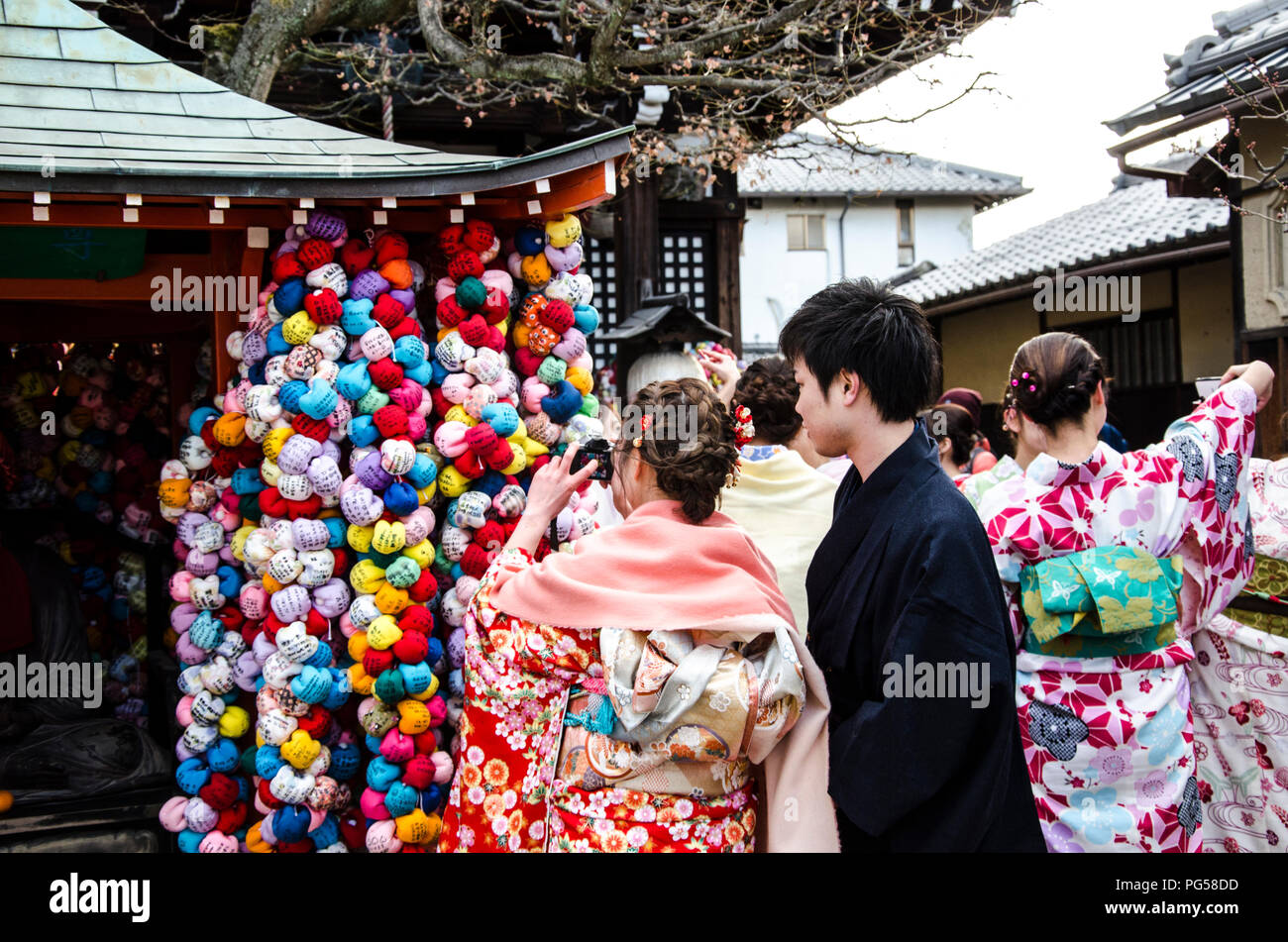
Shinto, the indigenous religion of Japan, is a belief system centered around the worship of kami – deities or spirits found in natural elements like mountains, trees, rivers, and even ancestors. Shinto is less about rigid dogma and more about a deep reverence for nature, purity, and the interconnectedness of all things. The iconic torii gates, marking the entrance to sacred spaces, are potent symbols of Shinto, inviting visitors to shed the mundane world and enter a realm of spiritual significance. Rituals like harai (purification) with water and salt, and the offering of prayers and ema (votive tablets) at shrines, are daily practices that reflect a desire for harmony and good fortune. This emphasis on purity and respect for nature is a distinctive feature, fostering a profound sense of awe for the environment.
Buddhism, introduced to Japan in the 6th century, brought with it concepts of karma, reincarnation, and enlightenment. It deeply influenced Japanese philosophy, art, and societal structure. Zen Buddhism, in particular, flourished, emphasizing meditation (zazen), mindfulness, and the pursuit of inner peace through simple, disciplined practices. The tranquil rock gardens of Kyoto, designed for contemplation, are perfect examples of Zen’s aesthetic and philosophical impact. Buddhist temples, often elaborate and grand, stand in stark contrast to the simpler Shinto shrines, yet both serve as vital community hubs and spiritual anchors.
The unique coexistence and synthesis of Shinto and Buddhism mean that many Japanese individuals practice elements of both, visiting shrines for blessings and celebrations like New Year’s and weddings, while turning to temples for funerals and ancestral veneration. This fluid approach to spirituality is a hallmark of Japanese tradition, reflecting a pragmatic and inclusive cultural outlook.
The Art of Living: Aesthetic Traditions and Philosophy
Perhaps nowhere is Japan’s uniqueness more evident than in its aesthetic traditions, which elevate everyday actions into profound art forms, guided by principles like wabi-sabi and ichigo ichie.
Chado (The Way of Tea), or the Japanese tea ceremony, is far more than simply drinking tea. It is a highly ritualized performance embodying principles of harmony (wa), respect (kei), purity (sei), and tranquility (jaku). Every movement, from the precise folding of the tea cloth to the whisking of the matcha, is executed with meditative concentration. The setting, the utensils, the seasonal sweets, and the silent appreciation of the moment all contribute to an experience designed to foster mindfulness and a deep connection between host and guest. It’s an immersive artistic ritual that takes years to master, reflecting the Japanese dedication to perfection and the beauty of imperfection (wabi-sabi).
Ikebana (The Way of Flowers) is the traditional art of Japanese flower arranging. Unlike Western floral arrangements that often emphasize abundance and symmetry, Ikebana focuses on lines, empty space, and asymmetry, aiming to create a sense of harmony between the arrangement and its surroundings. It incorporates three main elements representing heaven, earth, and humanity, using carefully selected flowers, branches, and leaves to express a natural landscape or a philosophical concept. It is a meditative practice that teaches patience, appreciation for nature, and an understanding of ephemeral beauty.
Shodo (The Way of Writing), or Japanese calligraphy, is an artistic discipline that transforms written characters into expressive works of art. Using a brush, ink, and paper, practitioners pour their inner state into each stroke, aiming for balance, rhythm, and spiritual depth. Shodo is not merely about legible writing; it’s about conveying emotion, character, and philosophical meaning through the fluid dance of the brush. It requires immense concentration and discipline, linking the physical act of writing to a deeper spiritual practice.
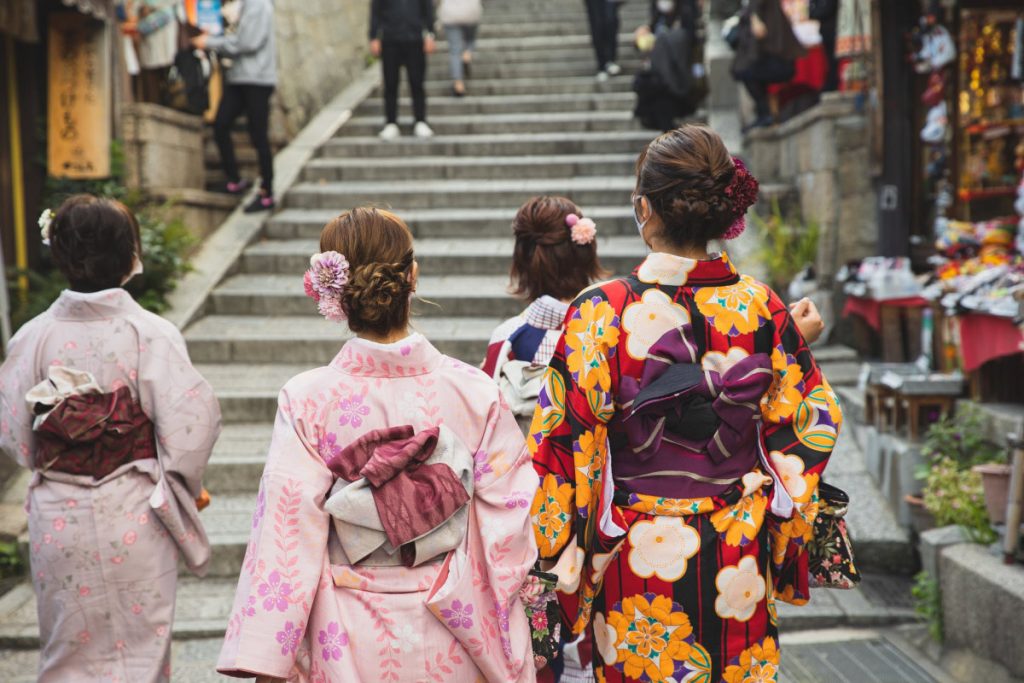
Kimono, the traditional Japanese garment, is a wearable work of art. More than just clothing, the kimono’s intricate patterns, rich fabrics, and elaborate obi (sash) convey stories, social status, and the changing seasons. The process of wearing a kimono is a ritual in itself, involving multiple layers and precise techniques. Passed down through generations, kimonos are cherished heirlooms, symbolizing elegance, cultural pride, and a connection to ancestral heritage. While not an everyday attire for most, its continued presence at festivals, weddings, and formal occasions underscores its enduring significance as a symbol of Japanese identity.
Underpinning many of these aesthetic pursuits is Wabi-Sabi, a profound Japanese philosophy that celebrates imperfection, transience, and the beauty of natural decay. It finds beauty in the cracks of a ceramic bowl, the weathered surface of wood, or the fleeting bloom of a cherry blossom. This acceptance of impermanence and the appreciation of authentic, unrefined beauty is a distinctly Japanese perspective, influencing everything from architecture to pottery.
Guardians of Grace: Geisha and Traditional Performing Arts
Japan’s traditional performing arts offer another window into its unique cultural soul, with the Geisha standing out as iconic figures and living embodiments of artistic excellence. Often misunderstood in the West, Geisha (and their apprentice counterparts, Maiko) are highly trained professional entertainers who dedicate their lives to mastering traditional Japanese arts. Their training encompasses classical dance (nihon buyō), singing (nagauta), playing instruments like the shamisen (a three-stringed lute) and koto (a zither-like instrument), flower arranging, tea ceremony, and the art of conversation.
Geisha are not simply performers; they are custodians of a rich cultural heritage, preserving ancient art forms and etiquette. Their exquisite kimonos, elaborate hairstyles, and distinctive makeup are part of a meticulously crafted persona designed to transport guests to a realm of beauty and refined entertainment. Experiencing a performance or dinner with a Geisha offers a rare glimpse into a world of unparalleled grace, artistry, and tradition that continues to thrive in cities like Kyoto.
Beyond Geisha, traditional performing arts like Kabuki (stylized drama with elaborate makeup and costumes), Noh (masked musical drama), and Bunraku (puppet theater) continue to captivate audiences. These art forms, with their centuries-old narratives, intricate movements, and distinct musical accompaniments, are testaments to Japan’s dedication to preserving its cultural legacy.
Festivals of the Soul: Matsuri and Community Spirit
No exploration of Japanese traditions would be complete without experiencing its vibrant Matsuri (festivals). These lively celebrations are the heartbeat of communities across Japan, connecting people to their spiritual roots, their history, and each other. Matsuri are incredibly diverse, ranging from solemn religious processions to boisterous street parades.
The Gion Matsuri in Kyoto, one of Japan’s most famous festivals, dates back over a thousand years. It features elaborate floats (yamaboko) that are painstakingly assembled and paraded through the streets, accompanied by traditional music. It’s a spectacle of artistry, devotion, and community pride.
In contrast, the Nebuta Matsuri in Aomori dazzles with its colossal, illuminated lantern floats depicting mythical figures and historical scenes. The Hadaka Matsuri (Naked Festival) in Okayama sees thousands of men, clad only in loincloths, braving winter temperatures to scramble for sacred sticks, believing it will bring them good fortune.
Beyond these grand spectacles, local matsuri celebrate everything from bountiful harvests to the changing seasons. The Obon festival, for instance, is a deeply significant Buddhist tradition where families honor the spirits of their ancestors, often visiting graves, performing dances, and releasing lanterns onto rivers or oceans to guide spirits back to the afterlife. Matsuri are powerful expressions of community, faith, and the enduring connection between the living and the spiritual world.
The Unseen Threads: Everyday Etiquette and Omotenashi
Many of Japan’s most distinctive traditions are not grand spectacles but rather subtle, everyday practices that reflect a profound respect for others and a meticulous attention to detail.
Bowing (Ojigi) is perhaps the most iconic Japanese gesture of respect. Far from a simple nod, bowing is a nuanced form of communication, with different angles and durations conveying varying degrees of deference, apology, gratitude, or greeting. It’s a complex social code learned from childhood, reflecting Japan’s hierarchical society and its emphasis on harmonious relationships.
Omotenashi, the unique Japanese approach to hospitality, goes beyond mere service. It is a selfless, anticipatory form of care where the host anticipates the guest’s needs even before they are expressed, striving to provide comfort and satisfaction without expectation of reward. This philosophy permeates customer service, guesthouses (ryokan), and even daily interactions, creating an unparalleled sense of welcoming and thoughtfulness.
The communal ritual of Onsen (hot springs) bathing is another unique tradition. More than just a relaxing soak, it’s a social ritual of purification and rejuvenation. Strict etiquette governs the process, from thorough washing before entering the communal bath to the respectful quietude maintained within. Onsen embody a connection to nature, wellness, and a shared cultural experience.
Culinary Craftsmanship: Food as Tradition
Japanese cuisine is recognized globally for its artistry, freshness, and delicate flavors, but it is also deeply rooted in tradition and philosophy. Kaiseki Ryori, a multi-course haute cuisine, is the epitome of traditional Japanese dining. It is an art form that prioritizes seasonal ingredients, meticulous preparation, and exquisite presentation, with each dish a small work of art reflecting the beauty of nature.
Shojin Ryori, traditional Buddhist vegetarian cuisine, is another unique culinary tradition. Developed in Zen monasteries, it emphasizes simplicity, balance, and the avoidance of waste, using seasonal vegetables, wild plants, and tofu to create nourishing and meditative meals.
Conclusion
Exploring Japan’s unique traditions is to peel back layers of history, philosophy, and artistry that have shaped a civilization unlike any other. These traditions are not relics of the past but living, breathing elements that continue to define the Japanese identity. From the spiritual serenity of Shinto and Buddhism to the aesthetic perfection of the tea ceremony, the vibrant energy of matsuri, and the subtle grace of everyday etiquette, Japan offers a profound lesson in cultural continuity and the enduring power of human creativity and reverence. To truly understand Japan is to immerse oneself in these timeless practices, for they are the echoes of eternity that resonate through its captivating soul.